Inverted nipples affect 10-20% of the general population, yet most medical literature focuses on women. Men possess rudimentary breast tissue and milk ducts similar to women, and nipple inversion in men follows many of the same patterns. Inverted nipples can be congenital or develop later in life. The condition, sometimes described as retracted nipples when it represents a change from a previously normal state, appears bilaterally in about 87% of congenital cases. If inversion has been stable since puberty, it is usually not concerning. Stable inverted nipples since birth are generally harmless anatomical variations. Still, inverted nipples can be a cosmetic concern for many individuals, and self consciousness about inverted nipples can affect mental health and self esteem over time.
Learn more: Inverted Nipple Repair at Leva Medical
Symptoms and Grading of Inverted Nipple Appearance
Inverted nipples in men can be classified into grades based on severity using the Han-Hong system. The nipple area may lay flat against the areola or retract below the skin surface depending on grade.
Grade | What You See | Fibrosis Level | Response to Pull |
|---|---|---|---|
Grade I | Nipple everts with gentle stimulation or manual traction; projection holds without support | Minimal | Stays out after release |
Grade II | Nipple can be pulled outward but the nipple retracts once released | Moderate | Returns inward |
Grade III | Nipple cannot be pulled out manually; stays fully inverted | Severe; ducts often damaged | No eversion possible |
Sudden changes in only one nipple that was previously normal should raise concern. Unilateral inversion that appears without prior history warrants a prompt visit to a doctor.
Causes Inverted Nipples: Congenital and Acquired Factors
Several mechanisms cause nipple inversion in men.
Congenital origins. During fetal development, the mammary pit normally canalizes and pushes the nipple outward. When the underlying mesoderm develops incompletely, the nipple stays inverted. Familial patterns account for roughly 50% of congenital cases.
Short or tight ducts. Short, tight milk ducts can cause inverted nipples in men by tethering the nipple base to deeper tissue, preventing the nipple from projecting. Inverted nipples in men can occur due to underlying structural tethering of these ducts and surrounding fibrous bands.
Gynecomastia. Gynecomastia is a benign condition that causes enlargement of male breast tissue. The excess glandular tissue beneath the nipple can distort its shape, and gynecomastia can lead to inverted nipples in men. If inversion is associated with gynecomastia, the underlying tissue may also need treatment.
Trauma, infection, and scarring. Physical injury, surgery, or infections can lead to inverted nipples. Trauma or injury can create non-elastic scar tissue that retracts the nipple inward. Breast infections such as subareolar abscesses and periductal mastitis cause inflammation, and infections or inflammation can lead to scarring that pulls the nipple inward. A 2025 case report documented a 43-year-old man whose congenital inversion worsened after a subareolar abscess; he required surgical correction using the Sakai technique.
Cancer. In rare cases, breast cancer can cause nipple retraction by infiltrating ducts beneath the nipple. This is a rare type of cause but one that demands attention.
When to Suspect Breast Cancer With Inverted Nipples
Male breast cancer can cause newly inverted nipples especially on one side. Breast cancer can cause sudden inversion of previously normal nipples, and new or sudden nipple retraction can signal serious underlying medical issues. Accompanying symptoms like lumps or discharge indicate a need for medical attention.
Watch for these warning signs alongside inversion:
A firm lump beneath the nipple or in the breast
Bloody or clear nipple discharge
Skin changes: dimpling, ulceration, or an orange peel texture (peau d'orange)
Scaling or redness of the areola, which may suggest Paget's disease
If cancer cells have infiltrated the ducts, they can pull tissue inward and distort projection. In studied male breast cancer cases, nipple discharge yielded a carcinoma diagnosis 23-57% of the time. A clinical breast exam followed by mammography and ultrasound is the standard referral path when these other symptoms occur.

Diagnosis and Evaluation of Retracted Nipples
New nipple inversion should be examined for possible underlying serious conditions. Inverted nipples may indicate underlying problems like infections that need treatment, and treating underlying causes may be important if inversion is secondary to another condition.
A thorough evaluation includes:
History: Onset (congenital versus acquired), duration, laterality, associated pain or discharge, family history of breast cancer, prior trauma
Physical exam: Grading per Han-Hong, palpation for lumps or axillary lymphadenopathy, assessment of skin changes
Imaging: Mammography has high sensitivity in men for detecting masses; ultrasound helps characterize lesions further
Biopsy: Indicated if imaging reveals a suspicious finding
The differential diagnosis spans duct ectasia, fat necrosis, papilloma, and skin conditions like eczema. New or sudden nipple inversion warrants prompt medical evaluation regardless of suspected cause.
Inverted Nipples in Breastfeeding Women
While this article focuses on men, understanding the condition in breastfeeding women provides useful context for treatment approaches. Inverted nipples can impair a baby's ability to latch and transfer milk. A woman's ability to breastfeed is not necessarily eliminated by inversion, but it does require support. Referral to a lactation consultant is the first step; temporary aids like nipple shields or suction-based eversion devices (Nipplettes) can help during pregnancy and the postpartum period. Pregnant women and those actively nursing should delay elective surgery until breastfeeding is complete to avoid damaging ducts that carry milk.
Non-Surgical Treatment Options and Effective Treatment
Non surgical approaches work best for grade I and some grade II inversions. These treatment options require consistency but carry minimal risk.
Suction devices. A suction device applies gentle negative pressure to draw the nipple outward over time. Suction devices can help draw out inverted nipples when used daily for several weeks. These devices are commercially available and do not require a prescription.
Hoffman technique. The Hoffman technique is a manual exercise for inverted nipples. It involves placing thumbs on either side of the nipple base and pressing downward while stretching outward. Gentle exercises may help correct mild inversion of nipples when performed consistently. This exercise is most studied in women but applies to the same anatomy in men.
Piercing. Nipple piercings can temporarily keep grade 1 nipples erect by providing a mechanical prop. An inverted nipple piercing carries risks including infection and tissue damage, and no controlled trials support long-term efficacy. Piercing does not fix inverted nipples at grade II or III.
For severe cases (grade III), non-surgical methods alone rarely produce lasting results. A systematic review found no non-invasive technique meeting inclusion criteria for that severity level.
Surgical Options: Inverted Nipple Surgery and Cosmetic Surgery
Breast revision surgery is the only permanent solution for inverted nipples. The procedure varies by grade but follows a general framework.
Duct-release techniques. Through a small incision at the nipple base, a surgeon releases the fibrotic bands and shortened ducts that pull the nipple inward. In grade III, some or all ducts may need to be divided.
Projection suturing. Sutures are placed under the skin to hold the nipple in place and maintain nipple projection after release. Purse-string sutures or dermal flaps provide structural support to keep the nipple outward.
Duct preservation. Surgical correction preserves the milk ducts during the procedure whenever possible. Duct-preserving methods showed a recurrence rate of only 0.6% (2 out of 350 nipples) compared to 9.9% (16 out of 161) for duct-damaging methods in a review of 3,369 nipples.
Anesthesia and setting. Surgical procedures typically involve local anesthesia and are outpatient. General anesthesia is reserved for combined operations. When gynecomastia is present, combining inverted nipple correction with breast surgery to remove excess tissue can improve results in a single procedure.
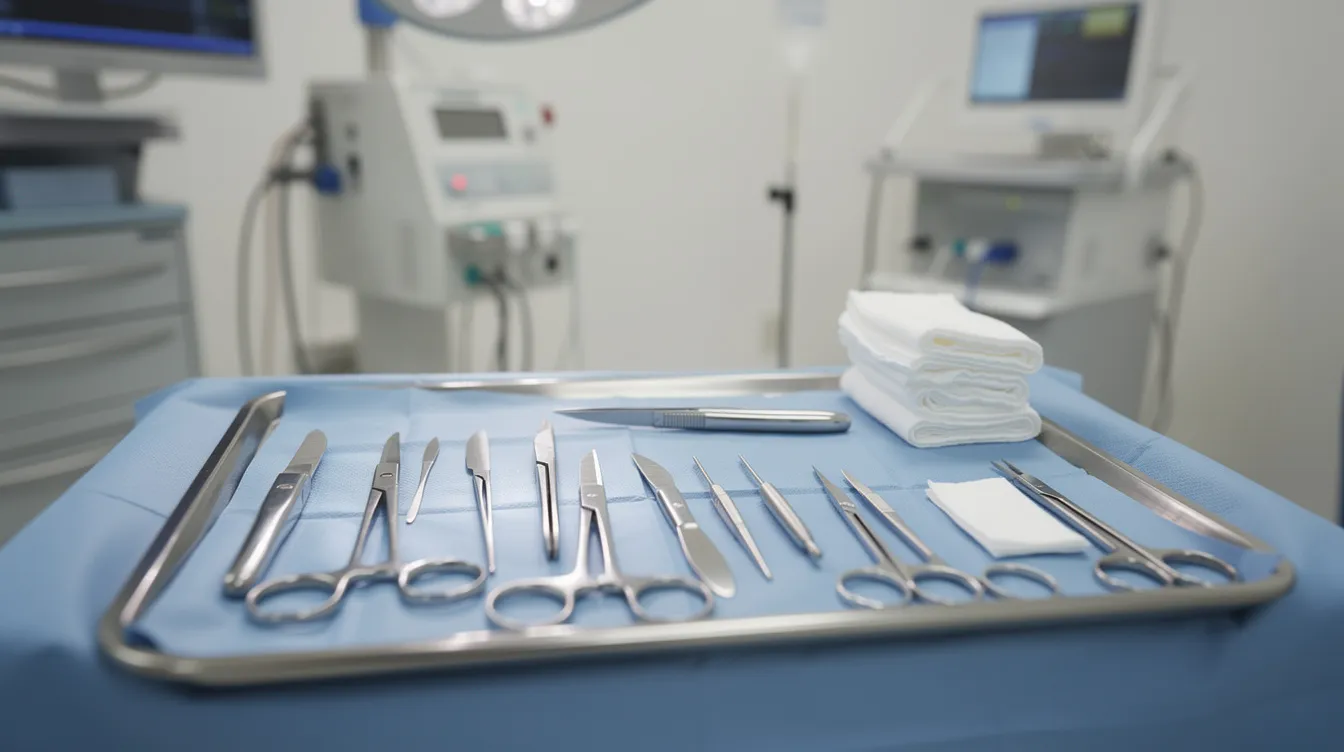
Permanent Solution: Inverted Nipple Correction Surgery
Breast revision surgery is a permanent solution for inverted nipples. Surgery for inverted nipples typically takes under an hour, and the corrected shape is visible immediately. In most cases, nipple projection remains stable long-term when duct-preserving techniques are used.
Follow-up schedule: Post-operative visits at 1 week (suture check), 2-4 weeks (healing assessment), and 3-6 months (projection stability).
Recovery: Recovery from inverted nipple surgery usually takes a couple of weeks. Most patients return to desk work within 3-5 days. Full physical activity resumes at 4-6 weeks. Some swelling and temporary sensation changes are normal during healing.
Recurrence: Long-term reinversion is uncommon with proper technique. Higher-grade inversions carry slightly more risk, particularly when ducts were divided.
Choosing a Surgeon for Inverted Nipple Surgery
When selecting a surgeon, verify board certification in plastic surgery or breast surgery. Request before-and-after photos from correcting inverted nipples cases, ideally in male patients. Confirm whether the technique preserves ducts if future breastfeeding function matters (relevant for transgender patients or those with specific preferences). Obtain detailed written consent covering risks: nerve damage, scarring, recurrence, asymmetry.
Aftercare and Recovery Following Inverted Nipple Correction
Wound care: Keep dressings clean and dry for 48-72 hours. Follow your surgeon's specific protocol for cleaning the nipple area.
Activity restrictions: Avoid heavy lifting, chest-focused exercise, and contact activities for 4-6 weeks. Light walking is encouraged from day one.
Suture management: Stitches are typically removed at 7-14 days, depending on material used.
Warning signs: Contact your doctor if you notice increasing redness, pus, fever, or loss of sensation that worsens after the first week. Infection or partial flap necrosis, while uncommon, requires prompt review.
Risks, Complications, and Effectiveness of Treatments
Surgery to correct inverted nipples may have downsides such as scarring, altered sensation, bleeding, and infection. Asymmetry can occur if healing differs between sides.
Recurrence rates remain low for duct-preserving approaches (0.6%) but climb for duct-damaging techniques (9.9%). Patient satisfaction across published studies is high, though male-specific outcome data remains sparse. The effective treatment choice depends on inversion grade, underlying cause, and individual goals.
For common complications: minor infection responds to oral antibiotics, sensation changes often resolve within 3-6 months, and mild asymmetry can be addressed with a secondary procedure if needed.
Costs, Insurance, and Cosmetic Surgery Considerations
Inverted nipple surgery costs vary by surgeon, region, and operative facility. Because the procedure is often classified as cosmetic surgery, many insurers do not cover it. Insurance coverage may apply when a medical indication exists: recurrent infection, obstruction, pain, or suspicion of cancer. If your treatment plan is purely cosmetic, ask about payment plans or financing options offered by the surgical practice.
FAQs and Decision Aids for Correcting Inverted Nipples
Is the correction permanent? Yes. Surgery is the only method that provides a permanent solution. Non-surgical methods can improve grade I inversion but often produce temporary results.
Can I breastfeed after correction? Duct-preserving techniques maintain duct integrity. If ducts were divided (grade III), breastfeeding function is lost. This primarily affect men in transgender contexts or is relevant for women considering the same procedure.
Non-surgical vs. surgical: which works? Non surgical approaches suit grade I and mild grade II. Grade III inversion requires surgery. Inverted nipples can cause a lack of confidence, and choosing the right approach depends on severity and personal goals. Self consciousness about appearance is a valid reason to pursue correction.
Checklist for choosing a treatment path:
Determine your grade (can you pull the nipple out, and does it stay?)
Rule out acquired causes (is this new, or has it been present since puberty?)
Note any other symptoms: lumps, discharge, skin changes
Decide your goals: appearance, sensation, or both
Consult a specialist to confirm your grade and discuss options
Next Steps for Men Considering Inverted Nipple Correction
Inverted nipples affect men and women across the general population, yet men often delay seeking evaluation. If your inversion has been present since puberty with no change, it is likely a normal anatomical variant. If sudden changes have occurred, or if you notice lumps, discharge, or skin texture shifts, schedule an appointment within the week.
For those motivated by cosmetic concerns, a consultation with a board-certified surgeon is the starting point. Ask about the specific technique they use, expected recovery, and their recurrence rates. Set realistic expectations: surgery typically takes under an hour, recovery spans a couple of weeks, and long-term results are stable in most cases. Inverted nipples are common, treatable, and nothing to navigate alone.
Frequently Asked Questions
What percentage of men have inverted nipples?
Inverted nipples affect 10-20% of the general population. Men possess rudimentary breast tissue and milk ducts similar to women, and nipple inversion follows many of the same patterns seen in women.
Are inverted nipples that have been present since birth dangerous?
Stable inverted nipples since birth are generally harmless anatomical variations. If inversion has been stable since puberty, it is usually not concerning. However, sudden changes in nipple appearance warrant medical evaluation.
What does the Han-Hong grading system measure?
The Han-Hong system classifies inverted nipples into three grades based on severity. Grade I nipples evert with gentle stimulation, Grade II retract when released, and Grade III cannot be pulled outward manually and stay fully inverted.
When should a man see a doctor about inverted nipples?
Sudden changes in one nipple that was previously normal warrant prompt medical evaluation. New or sudden nipple retraction, especially with lumps, discharge, or skin changes, requires clinical assessment to rule out serious conditions.
Can breast cancer cause inverted nipples in men?
In rare cases, breast cancer can cause nipple retraction by infiltrating ducts beneath the nipple. Warning signs include firm lumps, bloody or clear discharge, skin dimpling, or areola scaling. These symptoms require medical evaluation and imaging.


-2.jpg?width=2000&height=2000&name=Copy%20of%20YouTube%20Thumbnail%20-%20Life-Changing%20Cosmetic%20Surgery!%20(Document)-2.jpg)


