If you're considering inverted nipple correction surgery or have already scheduled your procedure, understanding what recovery looks like is essential for setting realistic expectations and avoiding preventable setbacks. This guide walks you through every phase of inverted nipple surgery recovery, from the first 24 hours through long-term projection settling, so you can plan ahead and heal with confidence.
Learn more: Inverted Nipple Repair at Leva Medical
Overview Of Inverted Nipple Correction Surgery
Inverted nipple correction is a surgical procedure designed to release the nipple from its retracted position and restore a natural, outward projection. Many women and men pursue this treatment to resolve cosmetic concerns, hygiene difficulties, and functional issues like breastfeeding challenges. Inverted nipples can also cause self-consciousness in intimate situations, making correction a meaningful quality-of-life decision for many patients.
Inverted nipples affect around 2% of women, though some estimates range higher. Inverted nipples can complicate breastfeeding, particularly in more severe grades where the milk ducts are fibrosed or shortened. When ducts are preserved during surgery, pooled breastfeeding success rates reach approximately 83.6%.
What Are Inverted Nipples And Nipple Inversion
An inverted nipple sits below the plane of the areola rather than projecting outward. Nipple inversion can be congenital or acquired. Inverted nipples may develop due to aging or scar tissue, as well as conditions like periductal mastitis, trauma, breast cancer, or prior breast surgery.
Surgeons typically classify inversion using a three-grade system:
Grade | Description | Key Features |
|---|---|---|
Grade I | Mild | Nipple can be everted easily; ducts intact; breastfeeding usually possible |
Grade II | Moderate | Nipple can be pulled out but retracts on release; moderate fibrosis; breastfeeding more difficult |
Grade III | Severe | Manual eversion impossible; significant duct retraction; soft tissue deficiency |
Surgery is often required for grade 3 nipple inversion, where conservative methods like suction devices cannot achieve lasting correction.
Preparing For Inverted Nipple Surgery And Nipple Correction Surgery
Proper preparation sets the stage for a smooth recovery period. Here are the key steps:
Stop nicotine at least two weeks before surgery. Smoking impairs microvascular blood flow and raises risks of delayed healing and tissue necrosis.
Avoid medications that increase bleeding risk, including aspirin, NSAIDs, anticoagulants, and herbal supplements like fish oil or ginkgo biloba. Review your full medication list with your surgeon during your consultation.
Arrange transportation home after the procedure. Even though this is typically an outpatient cosmetic procedure performed under local anesthetic, you should have someone available to drive you and assist during the first 24 hours.
Stock up on supplies beforehand: sterile dressings, soft bras, over-the-counter pain medication, and comfortable loose clothing.
The Inverted Nipple Repair Procedure And Nipple Surgery Technique
The procedure is performed under local anesthesia in most cases, though general anesthesia or sedation may be used for bilateral or more complex repairs. Nipple correction surgery takes about 15 minutes per nipple.
Surgery involves a small incision around the nipple, typically placed at the base within the areola margin. Your surgeon then releases the fibrous bands tethering the nipple inward through careful tissue dissection. Some techniques use dermal flaps to support the nipple in its new position and maintain new projection over time.
A critical decision during the procedure is whether to preserve or transect the milk ducts:
Duct-sparing techniques are preferred when patients plan to breastfeed, as they preserve lactation function and tend to maintain better sensation.
Duct-transecting techniques may be necessary for grade III inversion where fibrosis is severe and ducts are already compromised.
Dissolvable sutures are used to hold the nipple in place. Dissolvable stitches are used and do not need removal, which simplifies postoperative care.
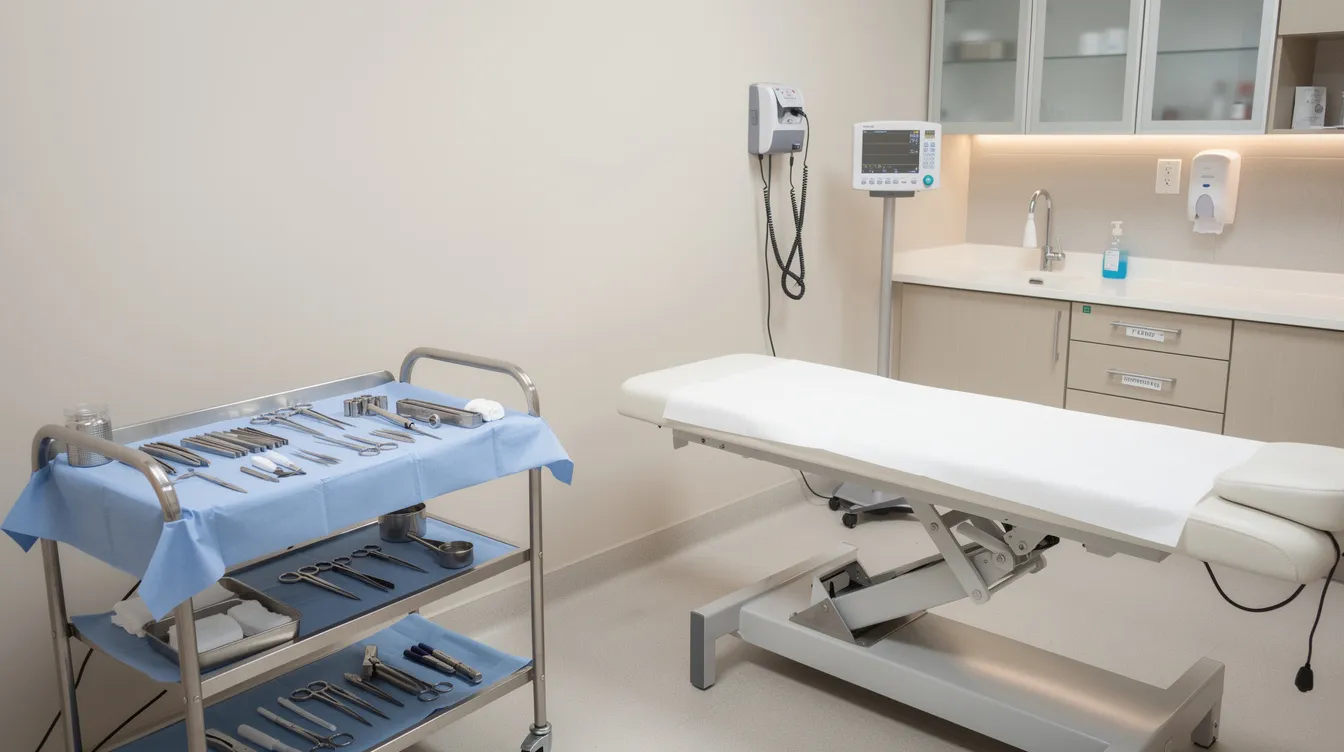
Recovery Timeline After Inverted Nipple Correction
Recovery from inverted nipple correction surgery is generally quick and minimally invasive. Recovery takes about six weeks after inverted nipple surgery for complete tissue healing, though most patients resume normal activities much sooner.
Expect around 1 to 2 weeks for initial wound healing and roughly 4 to 6 weeks for complete tissue healing after surgery. Recovery may involve swelling lasting several weeks, with final results settling over 3 to 6 months.
A typical follow up appointments schedule looks like this: Day 1 post-op check, suture review at Day 7, then visits at 1 month, 3 months, and 6 months to assess projection stability and screen for recurrence.
First 24–72 Hours After Inverted Nipple Surgery
Expect tenderness, swelling, bruising, and sensitivity around the nipple in the first few days. Swelling usually fades within a few days post-surgery, though some discomfort is normal.
Wound dressing care: Keep dressings clean and dry. Change only when your surgeon instructs you to, and avoid touching the incision site unnecessarily.
Pain control: Most individuals describe pain as a dull ache or mild burning after surgery, typically in the 3–5 out of 10 range. Over-the-counter acetaminophen is usually sufficient. Prescription pain medication may be provided for more involved cases.
When to call your surgeon immediately:
Excessive or uncontrolled bleeding
Rapid swelling, tightness, or pressure suggesting hematoma
Darkening of the nipple tissue (potential necrosis)
Fever, spreading redness, or unusual discharge
Contact your doctor if you experience severe pain, fever, or signs of infection.
Week 1–2 After Nipple Correction Surgery
The critical stabilization period after surgery takes about 1 to 2 weeks. During this window, your body is forming the initial tissue support that will hold the nipple in its corrected shape.
Activity restrictions: Avoid heavy lifting for at least one to two weeks. Skip strenuous activities and any movements that strain the chest or upper body.
Showering and hygiene: Shower carefully after inverted nipple surgery to keep the area clean and dry. Avoid direct water pressure on the nipple. Pat dry gently. Avoid baths, hot tubs, or swimming until incisions are completely closed-usually around 6 weeks.
Protective pads: Wear soft, non-adhesive nipple pads inside a loose bra to prevent friction and protect the repair site during daily life.
Weeks 3–8 Healing After Inverted Nipple Repair
This phase is about gradual return to your body's full range of activity. Avoid heavy lifting and vigorous upper body workouts for 3 to 6 weeks after surgery. Light cardio like walking is fine earlier, but chest-specific exercises should wait until your surgeon clears you.
Complete internal and external tissue stabilization takes about 6 weeks. During this time, sutures dissolve on their own over several weeks, and scar maturation begins. Scars soften and fade in color over 3 to 6 months, with full maturation potentially taking up to 12 months.
Mild firmness or subtle residual swelling can persist for up to 3 months after inverted nipple surgery. Projection achieved immediately after surgery tends to decrease gradually-data shows an average nipple height decrease of approximately 4.7 mm by 6 months in some series, with grade II and III patients experiencing 30–40% projection loss at one year.

Postoperative Care And Wound Management For Nipple Inversion Repair
Dressing changes: Follow your surgeon's schedule. Use sterile technique, gentle cleaning, and non-stick dressings. Avoid strong adhesive tape over delicate skin.
Bra and clothing: Patients should wear loose-fitting bras to avoid chafing after surgery. Avoid wearing tight bras or any clothing that compresses the nipple to protect the repair. Skip underwire for at least several weeks.
Scar care: Once the surface has healed (typically 2–4 weeks), begin scar massage and consider silicone-based sheets or gels. Apply sunscreen to prevent hyperpigmentation. Scarring is usually minimal given the small incision size.
Sleeping positions: Sleep on your back to avoid pressure on the breasts and nipples. Slight upper body elevation can help reduce swelling in the first week.
Pain, Sensation Changes, And Potential Complications After Nipple Surgery
Typical pain levels sit around 3–5 out of 10 during the first 72 hours, dropping to 0–2 out of 10 by day 4–7 with standard over-the-counter analgesics. Chronic pain is rare.
Inverted nipple surgery may cause changes in nipple sensation. Large reviews show that permanent sensation alterations occur in very few cases, though temporary numbness or hypersensitivity is possible during the healing process.
Changes in sensation, scarring, or recurrence of inversion may occur after surgery. Scarring can occur after inverted nipple surgery, though scars are typically well-concealed within the areola.
Red flags to watch for:
Infection: increasing redness, pus, fever
Hematoma: rapid swelling, tightness
Necrosis: darkening of the nipple, loss of capillary refill
Dehiscence: wound edges separating
Surgery may lead to complications like infection or bleeding, though these are uncommon with proper care. Inadequate correction is a potential risk of the surgery, and revision may be indicated for recurrence of inversion, persistent asymmetry, unsatisfactory projection, or noticeable scarring.
Breastfeeding, Sensation, And Functional Outcomes After Inverted Nipple Correction
The potential impact on breastfeeding depends heavily on the technique used. Duct-sparing methods preserve lactation capacity, with pooled success rates around 83.6%. When ducts are transected-sometimes necessary in severe cases-breastfeeding ability is significantly reduced.
If you plan future pregnancies, discuss your breastfeeding goals with your surgeon before the procedure. This is a non-negotiable part of informed consent and may influence which technique is selected.
For patients with ongoing breastfeeding concerns, a referral to a lactation consultant can help evaluate nipple anatomy, plan for nursing aids like shields or pumps, and monitor infant latch and weight gain after delivery.
Returning To Activities, Work, And Follow-Up After Nipple Correction Surgery
Activity | Timeline |
|---|---|
Return to desk work | Most patients return to work within one to two days |
Light walking | Immediately |
Upper body exercise | 4–6 weeks |
Sexual activity (nipple contact) | 1–2 weeks minimum, or when you feel comfortable |
Baths and swimming | ~6 weeks |
Most patients can return to work within 1–2 days post-surgery for non-physical roles. More demanding jobs may require 1–2 weeks. Avoid heavy lifting and let stimulation of the nipple area wait until incisions are fully healed and you feel comfortable.
Attend all follow up appointments to check healing and the nipple's position. Device-based techniques may require monthly adjustments until the retraction device is removed.
Results, Longevity, And Expectations For Inverted Nipple Repair
Expect visible new projection immediately after surgery. However, some degree of retraction is normal as tissue settles. Projection stabilizes around 6–12 months post-procedure.
Overall recurrence rates in large surgical series average approximately 3.9% across thousands of treated nipples, though risk is higher with certain techniques and more severe grades of inversion. Asymmetry can result from uneven healing or anatomical differences between sides.
Inverted nipple repair can be performed as a standalone procedure or combined with breast augmentation, a breast lift, or reduction. Combining procedures may affect healing timelines and should be discussed thoroughly during your plastic surgery consultation. Your surgeon will determine the best approach based on your anatomy and goals.

FAQs, Insurance, And Consent Topics For Nipple Correction Surgery
Insurance coverage: Most insurers classify inverted nipple correction as a cosmetic procedure. However, coverage may be available when there is documented functional impairment-such as inability to breastfeed, chronic infection, or discharge. If you suspect a medical underlying cause for your inversion, ask your provider about medical necessity documentation.
Consent topics your surgeon should cover:
Risk of infection, necrosis, sensitivity loss, and recurrence
Impact on breastfeeding ability (especially if ducts will be cut)
Expected degree of scarring
Possibility of revision surgery
Anesthesia risks
Full cost, including potential revision fees
Common patient questions:
Will I be able to breastfeed after surgery? Likely yes if ducts are preserved.
How long until I see final results? Projection settles over 6–12 months.
Will scars be noticeable? In most cases, scars are concealed within the areola.
Is one surgery enough? For most patients, yes-recurrence rates are low.
Can this be done on just one side? Absolutely.
Content And Visual Assets To Include For Inverted Nipple Repair Pages
If you're building a practice page or patient resource around this topic, consider including:
Before-and-after gallery covering different grades and techniques to show realistic projection and scar variation
FAQ schema markup to help search engines surface patient questions directly in results
High-quality procedural illustrations showing anatomy, fibrous bands, incision sites, and flap designs
Patient testimonials with details on grade, technique, recovery timeline, and functional outcomes
Illustrative recovery timeline graphic mapping Day 0–3, Week 1–2, Weeks 3–8, and Months 3–6 with visual cues for swelling, suture dissolution, and return to normal activities
The first step toward a confident recovery is an honest consultation with a board-certified surgeon who can evaluate your grade of inversion, explain the underlying cause, and recommend the right technique for your body and your life goals. Ask about projection expectations, breastfeeding preservation, and what your specific recovery will look like.
Frequently Asked Questions
How long does recovery take after inverted nipple surgery?
Initial wound healing takes 1 to 2 weeks, while complete tissue healing requires 4 to 6 weeks. Swelling may persist for several weeks, and final results settle over 3 to 6 months. Most patients resume normal activities much sooner than complete healing.
What pain should I expect after the procedure?
Most patients experience mild to moderate discomfort described as a dull ache or mild burning, typically rated 3-5 out of 10. Over-the-counter acetaminophen is usually sufficient for pain management, though prescription medication may be provided for more complex cases.
Will I be able to breastfeed after nipple inversion surgery?
When milk ducts are preserved during surgery, breastfeeding success rates reach approximately 83.6%. Duct-sparing techniques are preferred when patients plan to breastfeed, as they preserve lactation function and maintain better sensation compared to duct-transecting approaches.
What should I do to prepare for inverted nipple surgery?
Stop nicotine at least two weeks before surgery, as smoking impairs healing. Avoid medications that increase bleeding risk, including aspirin and NSAIDs. Arrange transportation home, and stock supplies like sterile dressings, soft bras, pain medication, and loose clothing beforehand.
What warning signs require immediate medical attention after surgery?
Contact your surgeon immediately if you experience excessive or uncontrolled bleeding, rapid swelling suggesting hematoma, darkening of nipple tissue indicating potential necrosis, fever, spreading redness, unusual discharge, or severe uncontrolled pain.


-2.jpg?width=2000&height=2000&name=Copy%20of%20YouTube%20Thumbnail%20-%20Life-Changing%20Cosmetic%20Surgery!%20(Document)-2.jpg)


