Hyperhidrosis is a common condition, yet many people wait years before seeking help. If you sweat heavily through shirts, struggle with slippery palms, or avoid social situations because of visible perspiration, you're not alone. This guide walks through how hyperhidrosis is diagnosed, every major treatment option available today, and practical steps you can take to manage symptoms and improve your quality of life.
What Is Excessive Sweating?
Hyperhidrosis is characterized by excessive sweating beyond the body's cooling needs. While everyone perspires during physical activity or in hot environments, people with this condition produce sweat in situations where cooling isn't necessary-during meetings, while sitting still, or in cool weather.
Common locations for sweating include palms, armpits, and face, though the soles of the feet are also frequently affected. The condition can impair daily activities and social interactions, from difficulty gripping objects to visible sweat stains that cause embarrassment.
For many people with primary hyperhidrosis, symptoms do not improve over time without treatment. This isn't something most people simply "grow out of."

How Sweat Glands Contribute to Hyperhidrosis
Overactive sweat glands cause hyperhidrosis. The body contains two main types: eccrine glands, which cover most of the skin and handle thermoregulation, and apocrine sweat glands, found primarily in the underarms and groin, which contribute to body odor.
In primary focal hyperhidrosis, the nervous system overstimulates eccrine glands through sympathetic cholinergic nerve fibers. Upregulation of acetylcholine receptors has been described in both sympathetic ganglia and the glands themselves. The glands aren't structurally different-they simply receive too many "on" signals.
Primary hyperhidrosis involves excessive sweating in specific areas without an identifiable cause. It's bilateral, symmetrical, and typically begins in childhood or adolescence. Family history increases the risk of hyperhidrosis, and many affected individuals report relatives with the same condition.
Secondary hyperhidrosis, by contrast, is excessive sweating caused by an underlying medical condition or medication. It tends to be generalized rather than focal and may persist during sleep.
Secondary Causes and Medication Triggers
When an underlying cause drives the sweating, the focus shifts to identifying and addressing that root problem. Conditions that commonly trigger secondary sweating include:
Endocrine disorders (hyperthyroidism, pheochromocytoma)
Infections (tuberculosis, HIV)
Malignancies (lymphomas)
Metabolic conditions (diabetes)
Neurological disorders
Certain medications can trigger excessive sweating as well. Antidepressants (SSRIs, tricyclics), antipsychotics, some cardiovascular drugs for high blood pressure, and insulin are frequently implicated. Emotional stress can also trigger hyperhidrosis episodes independent of any medication.
Breast Cancer and Alzheimer's Disease Considerations
Neither breast cancer nor Alzheimer's disease is a universal cause of hyperhidrosis. However, treatment medications for both conditions may alter sweating patterns. Chemotherapy agents, anti-estrogen therapies, and cholinesterase inhibitors used in Alzheimer's treatment all interact with the cholinergic system that regulates sweat production.
Medication reviews are especially recommended for people with Alzheimer's disease who develop new or worsening sweating. Symptoms caused by drug side effects often resolve with dosage adjustments.
How Is Hyperhidrosis Diagnosed?
Clinical Assessment
Diagnosis starts with a medical history review. Your healthcare provider will ask about onset age, pattern of sweating, affected areas, frequency, and whether sweating occurs at night. Physical exams may be required during diagnosis to observe active sweating and rule out signs of underlying disease.
Key distinctions providers look for:
Feature | Primary (Focal) | Secondary (Generalized) |
|---|---|---|
Pattern | Symmetric, localized | Widespread or asymmetric |
Onset | Childhood/adolescence | Later in life |
Night sweating | Absent | Often present |
Body affected | Palms, soles, axillae, face | Large or multiple regions |
Diagnosis requires visible sweating for at least six months, occurring at least once a week, and impacting daily activities.
Sweat Testing
The iodine starch test helps localize areas of excess sweating. Iodine solution is applied to the skin, followed by starch powder. When sweat appears, treated areas turn dark, mapping the precise zones of overactivity.
Gravimetry provides an objective measurement by weighing sweat output over a fixed period. These sweat tests evaluate the severity of hyperhidrosis and help guide the treatment plan.
Blood and urine tests can identify underlying conditions when secondary hyperhidrosis is suspected-thyroid panels, glucose levels, and infection markers are commonly ordered.

How to Treat Hyperhidrosis
The approach to treat hyperhidrosis depends on whether a secondary cause exists. When an underlying medical condition is identified, treating it often resolves the sweating.
For primary hyperhidrosis, treatment usually begins with conservative approaches and escalates based on response. Treatment effectiveness for hyperhidrosis can vary depending on the area affected-what works well for axillary hyperhidrosis may be less practical for palmar hyperhidrosis.
Effective treatments for hyperhidrosis include topical medications, injections, and surgery. Set realistic expectations: most treatments reduce sweating significantly but require repeat treatments or ongoing maintenance to sustain results.
Treatment Options for Hyperhidrosis
Prescription Antiperspirants
Prescription strength antiperspirants are commonly recommended as a first-line treatment. Prescription antiperspirants contain aluminum chloride for hyperhidrosis treatment, and aluminum chloride antiperspirants come in a range of strengths. Clinical-strength antiperspirants should be applied to dry skin before bed for maximum effect to allow the active ingredient to plug sweat ducts overnight. Skin irritation and burning are common side effects at higher concentrations.
Topical Anticholinergics
Topical glycopyrrolate cloth (Qbrexza) was approved in 2018 for primary axillary hyperhidrosis in patients aged 9 and older. More recently, sofpironium gel joined the market in 2024. Both reduce sweating by blocking muscarinic receptors in the treated area. Possible side effects include dry mouth and blurred vision if the product contacts the eyes.
Iontophoresis
Iontophoresis uses mild electric current to reduce sweating, particularly for hands and feet. The process involves placing affected areas in tap water while a device delivers low-level current through the skin. Sessions are typically needed several times per week initially, then as maintenance every few weeks.
Botulinum Toxin Injections
Botulinum toxin injections block nerves triggering sweat glands. Botulinum toxin was FDA-approved for severe axillary hyperhidrosis in 2004 and is used off-label for palms, soles, and face. Results typically last 3–10 months for underarms and 3–6 months for feet. The procedure requires multiple injection points per session and may need to be repeated.

Advanced Treatment Options
Oral Medications
Oral anticholinergic treatment-glycopyrrolate or oxybutynin-addresses widespread symptoms across multiple body regions. These oral medications control sweating systemically but carry significant side effects: dry mouth, constipation, urinary retention, and heat intolerance. Most are prescribed off-label with limited randomized trial data.
Microwave Therapy
MiraDry uses microwave energy to destroy sweat glands in the underarm area, with long-lasting results. One to two sessions are typically needed. This minimally invasive option is suitable mainly for axillary sweating. Side effects include temporary pain, swelling, and altered sensation.
Endoscopic Thoracic Sympathectomy
Surgical options like ETS are reserved for severe cases of hyperhidrosis that do not respond to other treatments. Surgery may involve removing nerves controlling sweating by interrupting the thoracic sympathetic chain under general anesthesia.
ETS delivers high initial efficacy-near-complete relief in targeted areas. However, compensatory sweating may occur post-surgery and can be significant for some patients. Compensatory sweating is common after ETS, can be severe for some patients, and satisfaction may decline over the long term.
Treatment | Duration of Effect | Suited For |
|---|---|---|
Prescription antiperspirants | Ongoing use required | Mild to moderate, any area |
Topical anticholinergics | Daily application | Axillary hyperhidrosis |
Iontophoresis | Weeks; maintenance needed | Palms and soles |
Botulinum toxin | 3–10 months | Localized focal hyperhidrosis |
Microwave therapy | Long-lasting | Underarms only |
ETS surgery | Long-lasting | Severe palmar hyperhidrosis |
Compared to other treatments, sweat gland removal through microwave therapy or surgical approaches offers the longest durability but carries the greatest risk profile.
Side Effects and Safety Considerations
Every hyperhidrosis treatment carries trade-offs worth understanding before committing:
Topical antiperspirants: skin irritation, burning, contact dermatitis-especially at higher concentrations
Topical anticholinergics: local irritation, dry mouth, blurred vision from accidental eye contact
Oral anticholinergics: the most common side effect is dry mouth; also constipation, urinary retention, tachycardia, and risk of hyperthermia since the body can't produce sweat to cool itself
Botulinum toxin: injection pain, bruising, transient muscle weakness in the treated area
Microwave therapy: swelling, numbness, temporary sensory changes
ETS surgery: compensatory sweating is the primary concern, along with possible nerve injury and Horner's syndrome
An individualized risk assessment, guided by your healthcare provider's office evaluation, should weigh the severity of your condition against each option's side effect profile.
Self-Care for Excessive Sweating
Lifestyle changes can help manage hyperhidrosis triggers and improve daily comfort. While self-care won't replace medical treatment for moderate-to-severe cases, these adjustments make a measurable difference:
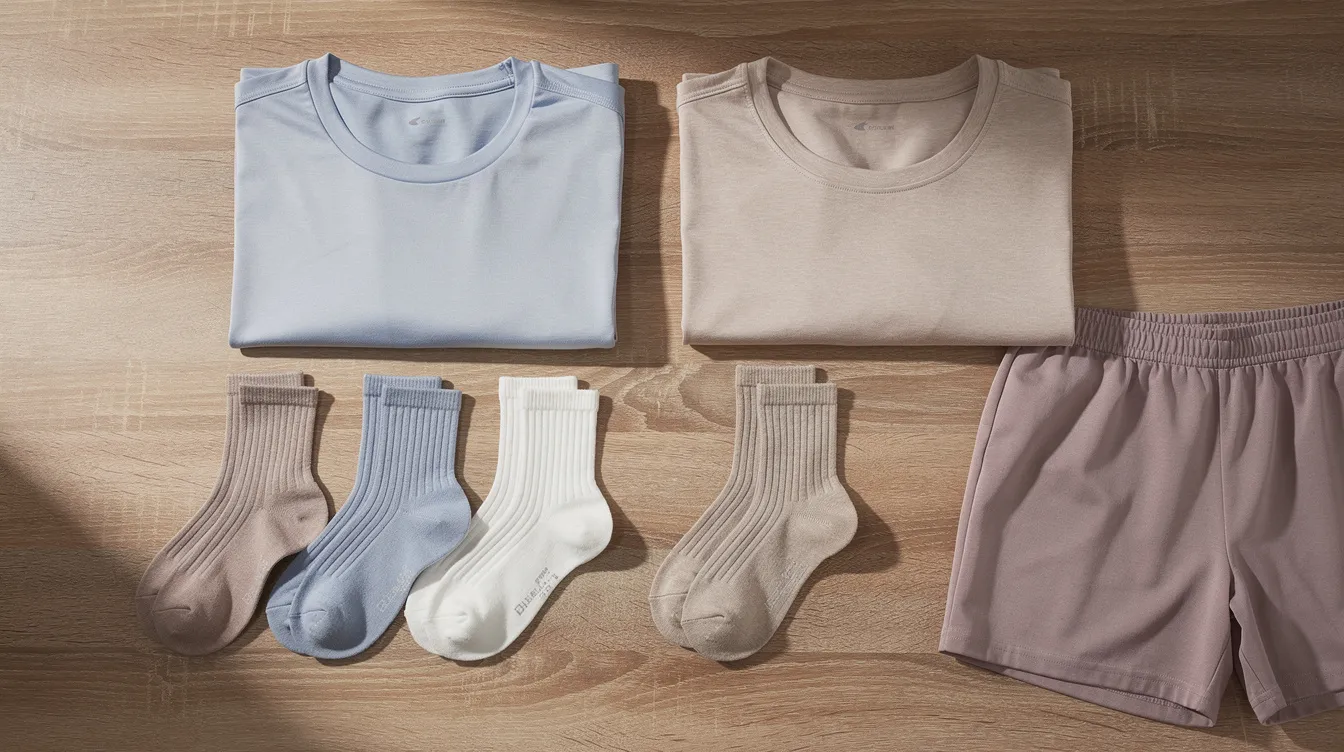
Wear breathable, moisture-wicking clothing to reduce visible perspiration
Choose cotton or moisture-absorbing socks to absorb sweat; rotate shoes daily to let them dry
Maintaining proper footwear hygiene is important to manage foot sweating and prevent fungal infections
Avoiding known triggers like caffeine and spicy foods can help manage excessive sweating
Urban environmental factors in NYC and similar cities, like humidity and temperature, influence hyperhidrosis management-seek air-conditioned spaces when possible
Coping With Hyperhidrosis
Hyperhidrosis can lead to social anxiety and embarrassment. Anxiety and depression are recognized concerns for many people living with the condition.
Coping strategies that help:
Professional support: cognitive-behavioral therapy for social anxiety; acceptance-based approaches for body image concerns
Peer connection: support groups (online or in-person) normalize the experience
Trigger tracking: logging when heavy sweating occurs-time of day, foods consumed, stressors-creates useful data for your provider
Preparing for Hyperhidrosis Treatment
Walking into your appointment prepared makes a real difference. Before your consultation:
Record symptom frequency: note how often you sweat heavily-daily, once a week, situationally
Map affected areas: identify whether sweating is focal or generalized
List current medications: include over-the-counter drugs and supplements to help your provider evaluate possible triggers
Define your goals: do you want near-total cessation, or is enough reduction to improve quality of life sufficient? Understanding what constitutes an effective treatment for you helps your provider build the right treatment plan
Ask about expected duration of benefit, maintenance requirements, costs, and what happens if the first approach doesn't deliver adequate results. Many people with hyperhidrosis have never discussed it with a provider, often because they didn't know treatment options existed.
The right hyperhidrosis treatment starts with understanding your condition. Track your symptoms for a few weeks, review this guide, and schedule that conversation with your provider. Relief is more accessible than most people realize.
Frequently Asked Questions
How common is hyperhidrosis?
Hyperhidrosis is a common condition. Many people wait years before seeking help, even though the condition can affect daily activities, social interactions, and quality of life.
What is the difference between primary and secondary hyperhidrosis?
Primary hyperhidrosis causes excessive sweating in specific areas, such as palms or armpits, with no identifiable cause, usually beginning in childhood or adolescence. Secondary hyperhidrosis results from an underlying medical condition or medication and tends to be generalized and may occur during sleep.
How is hyperhidrosis diagnosed?
Diagnosis begins with a medical history review and physical exam. Providers may use tests such as the iodine starch test to map sweating areas or gravimetry to measure sweat output, and blood or urine tests if a secondary cause is suspected.
Can medications cause excessive sweating?
Yes. Antidepressants such as SSRIs and tricyclics, antipsychotics, some blood pressure medications, and insulin are frequently implicated. Symptoms caused by medication side effects often resolve with dosage adjustments, so a medication review is recommended.
What are the main treatment options for hyperhidrosis?
Treatments include prescription antiperspirants, typically containing aluminum chloride, along with injections and surgery. Treatment choice depends on the affected area and severity, and most treatments reduce sweating but may require repeat or ongoing maintenance treatments.
About Leva Medical
Leva Medical has offices in Queens (94-06 59th Ave, Suite E9, Elmhurst, NY 11373) and in Northport, Long Island (320 Laurel Rd, Northport, NY 11768).
Call (718) 699-9737 to book a consultation with our board-certified doctors.
Learn more: Hyperhidrosis Treatment at Leva Medical

Dr. Jean-Paul Leva
Dr. Jean-Paul Leva, FACS is board certified in cosmetic and general surgery. Dr. Jean-Paul Leva, FACS obtained his Doctor of Osteopathic Medicine degree from ...