A tummy tuck and a Brazilian butt lift create two competing demands on your body during recovery. The tummy tuck incision area needs protection from stretching and stomach pressure, which typically calls for a reclined, back-sleeping position. The BBL requires you to keep direct pressure off your buttocks so the transferred fat can establish blood flow and survive. Sleep position impacts healing and comfort after surgery, so getting this right matters. This guide walks through commonly recommended sleeping positions, practical pillow setups, and a few tips that help you navigate both procedures at once - always guided by your surgeon's instructions.
Why Sleep Supports Optimal Healing
Quality sleep reduces inflammation and promotes tissue repair at the cellular level. During deep rest, your body releases growth hormones that drive wound closure, support immune function, and help new blood vessels form in grafted fat. Good sleep also enhances mood and energy levels during recovery, which makes the daily grind of limited mobility far more tolerable.
Patients need 7 to 9 hours of sleep for optimal recovery. That target can feel unrealistic during the early stages, and trouble sleeping during the first few weeks is completely normal. Proper sleep reduces pain and speeds up recovery time, so treating rest as a priority - not a luxury - supports your body's healing process and your long term outcome.
Set realistic expectations: you will not sleep in your usual position for several weeks, and discomfort at night is part of the healing process.
The Recommended Sleeping Position After a Tummy Tuck
The sleeping position most often recommended after tummy tuck surgery is on your back with your upper body elevated at roughly 30 to 45 degrees and your knees slightly bent. This reclined position helps reduce tension across the abdominal wall and minimizes pulling on sutures. Sleep on your back for at least 4 to 6 weeks after tummy tuck to protect the incision.
Elevation of the upper body also helps reduce swelling and supports blood flow away from the surgical site. Many patients use a recliner or an adjustable bed frame, but a standard bed with the right pillow arrangement works too.
If your surgery date is approaching, practice the position before surgery. Spending a few nights sleeping reclined makes the transition smoother when comfort is already compromised.
Using Pillows for a Supported Sleep Position
Pillows are your most important recovery tool. Here is a straightforward setup:
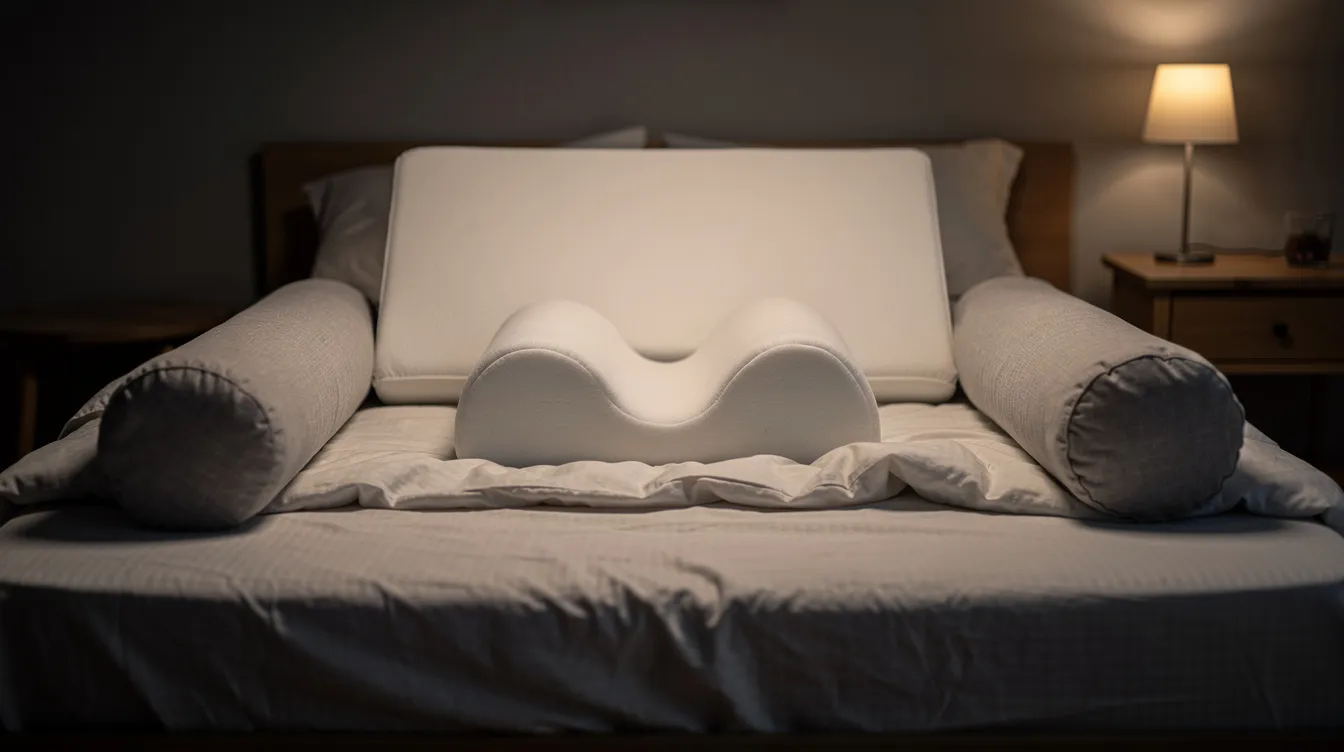
Wedge pillow beneath the upper back and head. Use wedge pillows to elevate your upper body while sleeping. A foam wedge provides consistent incline without shifting overnight.
Pillow beneath the knees. This keeps your legs slightly bent, reduces lumbar strain, and takes tension off the tummy tuck incision.
Side pillows to prevent rolling. Place supportive pillows along each side of your torso so you do not accidentally roll onto your stomach or flatten out during the night.
Use supportive pillows to maintain proper spinal alignment throughout the night. Proper spinal alignment prevents back pain from compounding surgical discomfort and makes the reclined position sustainable for weeks rather than days.
BBL Recovery: Protecting Transferred Fat
After a BBL, the transferred fat cells need time to establish a new blood supply. Until that happens, too much pressure on the buttocks can compress fragile capillaries, causing fat necrosis and reducing the volume you worked to achieve. This is why BBL recovery instructions center around one rule: avoid unnecessary pressure on the grafted area.
After BBL, sleep on your stomach for about 8 weeks. When stomach sleeping, place support beneath your chest to relieve pressure on liposuction donor sites and keep your spine neutral. Avoid sleeping on your back for at least 6 to 8 weeks after BBL, as this places the full weight of your body onto the grafted fat.
How to Maintain the Recommended Sleep Position
Staying in the same position all night is difficult. These strategies help:
Create a supportive pillow barrier. Arrange extra pillows around your body so that rolling onto your back during sleep is physically blocked.
Use a recovery pillow as directed. Using specialized pillows can help create a floating arrangement to reduce pressure on the buttocks. Your surgical team may recommend a BBL-specific cushion.
Ask your surgeon about safe repositioning. Alternating sides or shifting slightly during the night is usually acceptable. The goal is to avoid sustained direct pressure on the buttocks, not to remain completely frozen.
How to Balance Tummy Tuck and BBL Positioning
Recovering from a combined tummy tuck and Brazilian butt lift requires balancing tension and pressure - the tummy tuck wants you on your back, and the BBL wants you off it. Sleep positions should accommodate both tension on the tummy tuck incision and pressure on BBL fat grafts.
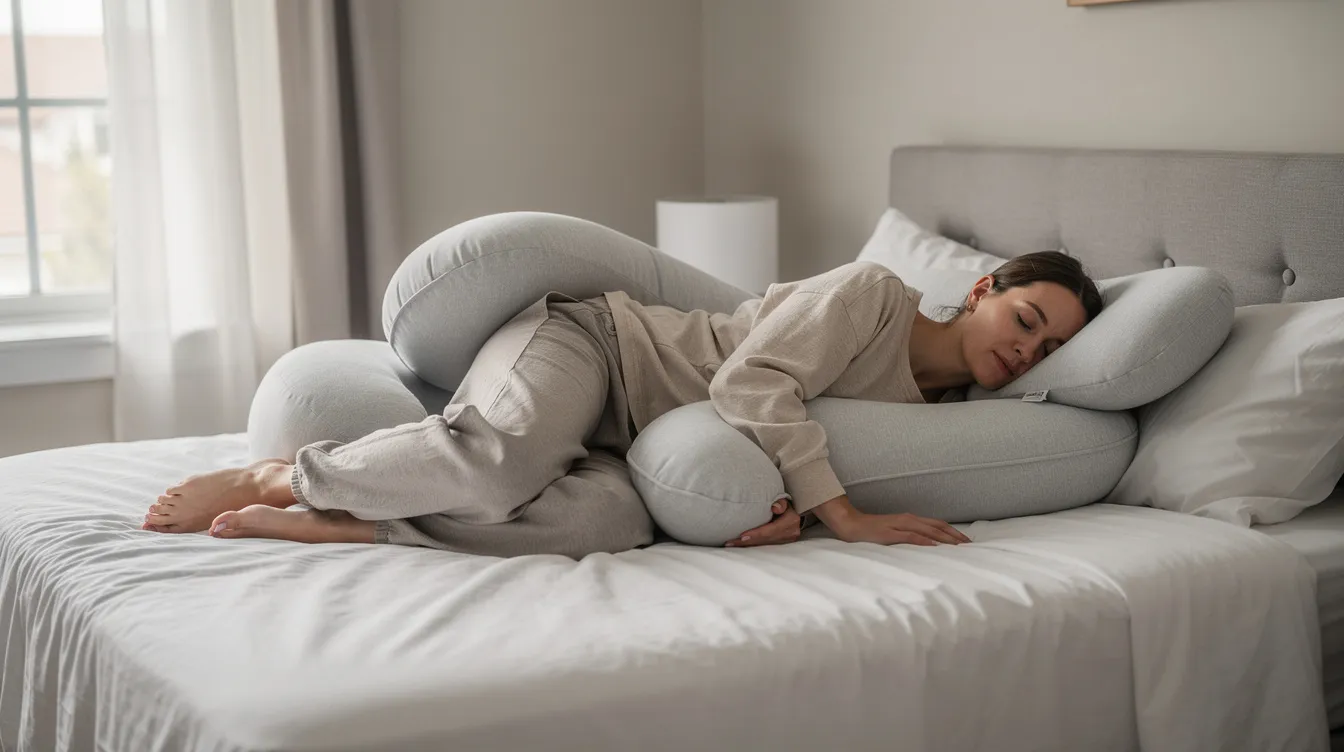
Modified side sleeping may relieve pressure on both the abdomen and buttocks during recovery. Many surgeons recommend a loose fetal position - lying on your side with knees drawn up gently - as a compromise that protects both areas. Prioritize the surgeon's most restrictive instruction at any given phase, and avoid improvising unfamiliar sleeping arrangements that could compromise either procedure.
When both procedures are performed together, your recovery process requires individualized positioning. There is no universal answer - your surgeon's guidance is the right position for you.
What to Avoid During the First Few Weeks
Certain positions can delay healing or damage surgical results. Here is what to watch for:
| Position | After Tummy Tuck | After BBL |
|---|---|---|
| Back sleeping (flat) | Avoid flat - use incline for 1-4 weeks minimum | Avoid for 6-8 weeks |
| Stomach sleeping | Avoid for at least 6 weeks | Generally safe and often recommended |
| Side sleeping | Transition to side sleeping after 2 to 4 weeks post tummy tuck | Usually acceptable early, with caution |
Avoid sleeping on your stomach for at least 6 weeks post-BBL if your surgeon advises against it due to combined procedure considerations - this varies from patient to patient.
Avoid twisting your abdomen when changing positions to prevent straining surgical areas. Roll your whole body as a unit instead.
If you feel uncomfortable in a position, change it. Sustained discomfort is your body signaling that something needs adjustment.
How Long to Use a Reclined Position
Maintain a reclined sleeping position for 1 to 4 weeks after tummy tuck, depending on the extent of your surgery and how your incision heals. Most patients find the first 7 to 10 days the most restrictive, with muscle tension and swelling gradually easing after that.
Timelines vary between patients. Factors like BMI, whether muscle repair was performed, and the volume of fat transferred during BBL all influence how long strict positioning lasts. Confirm progression with your surgeon at each follow-up visit rather than relying on a generic calendar.
Ways to Improve Sleep Quality After Surgery
Even in the right sleeping position, poor sleep quality can slow the recovery process. Here are a few tips that make a big difference:
Maintain a consistent bedtime routine. Maintain a consistent sleep schedule for better recovery - go to bed and wake at similar times each day, even during recovery.
Keep the bedroom cool. Keep your bedroom cool, ideally around 60°F to 67°F. A cooler sleeping environment supports deeper rest. Adjust air conditioning or use a fan to maintain comfort.
Reduce screen time before bed. Bright screens suppress melatonin production. Switch to calming music, white noise machines, or blackout curtains to create a sleep-friendly atmosphere.
Avoid caffeine or heavy meals before bedtime. Avoid caffeine late in the day and skip heavy meals within two to three hours of sleep.
Practice relaxation techniques. Gentle stretches (only those cleared by your surgeon), deep breathing, or guided meditation can improve sleep quality and reduce anxiety. Short naps during the day can supplement nighttime rest if needed.
Stay hydrated throughout the day, but taper fluids close to bedtime to minimize bathroom trips that disrupt rest.
Managing Pain Before Bedtime
Pain tends to peak during the first few days and can make finding the right sleeping position feel impossible. Follow your prescribed medication timing so that peak pain relief coincides with bedtime. Taking medication on schedule - rather than waiting for pain to escalate - prevents the cycle of waking in discomfort and struggling to fall back asleep.
If you experience persistent nighttime pain that does not respond to prescribed medications, contact your surgical team. Do not change medication doses independently. Well being during recovery depends on consistent, supervised pain management.
Creating a Comfortable Recovery Sleep Environment
Prepare the sleeping area before surgery day. Small adjustments to your setup prevent unnecessary strain during the first few weeks:
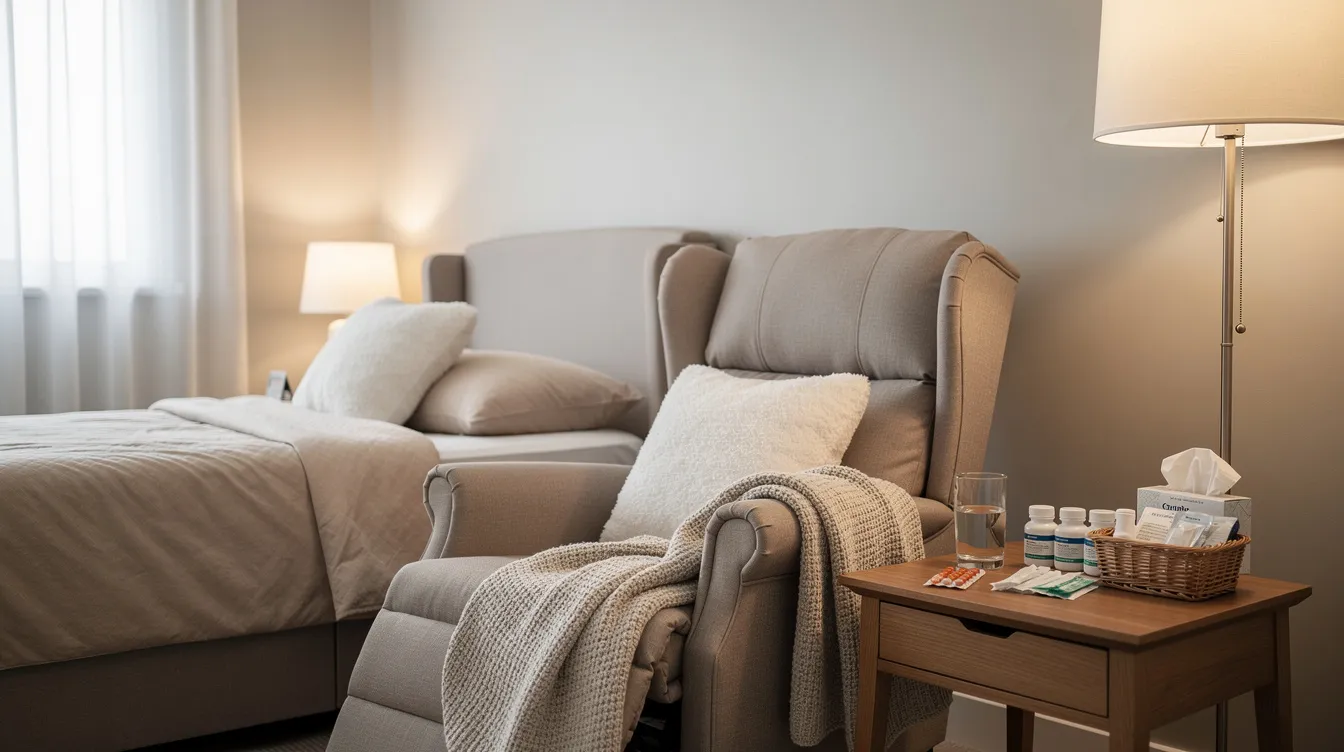
Essentials within reach. Arrange your recovery space to keep essentials within reach to avoid straining your core. Water, medications, phone, and tissues should all be accessible from bed without bending or twisting.
Breathable bedding. Choose lightweight, breathable fabrics that reduce overheating and skin irritation around compression garments.
Drain management. If you have surgical drains, arrange tubing so it cannot catch or pull when you shift in bed.
Nighttime help. Have someone available during the first few nights to assist with repositioning. Getting in and out of bed the wrong way can compromise your incision area or place pressure on grafted fat.
When Can You Resume Your Normal Sleep Position?
Most patients begin transitioning toward their normal sleep position between weeks 4 and 8, depending on which procedure dictates the longer restriction. Surgeons may provide specific timelines for resuming normal sleeping positions based on individual recovery.
A gradual approach works well:
After clearance, try a new position for a short trial - 15 to 30 minutes.
If you feel uncomfortable or notice increased swelling, return to your recovery position.
Extend the duration over several nights as tolerance improves.
A faster recovery to normal sleep comes from patience, not from pushing through discomfort. Follow-up appointments during tummy tuck recovery and BBL recovery are the checkpoints where your surgeon evaluates whether your body is ready.
When to Contact Your Surgical Team
Contact your surgeon promptly if you experience any of the following:
Worsening pain that escalates suddenly or does not respond to prescribed medication
Unusual swelling or redness, especially if asymmetrical or rapidly increasing
Drainage from incision sites that is discolored, foul-smelling, or heavier than expected
Breathing difficulty, chest pain, or shortness of breath - these require urgent evaluation
Fever above 100.4°F (38°C)
Seek medical attention for any severe symptoms such as chest pain or shortness of breath after surgery. These can indicate complications like blood clots that require immediate treatment.
Final Sleep After a Tummy Tuck and BBL Guidance
Learning how to sleep after a tummy tuck and BBL comes down to three principles: follow your surgeon's instructions for proper positioning, protect both the incision and the transferred fat from unnecessary pressure, and prioritize sleep quality as a driver of your body's healing process.
Your aesthetic goals depend on what happens during recovery just as much as what happens in the operating room. The discomfort of sleeping in an unfamiliar position is temporary. The results of disciplined recovery are long-lasting.
Be patient with yourself, prepare your sleeping environment before surgery, and lean on your surgical team whenever something does not feel right.
Frequently Asked Questions
What sleep position is generally recommended after a tummy tuck?
Many surgeons recommend sleeping on your back with your upper body elevated around 30 to 45 degrees and knees slightly bent. This reduces tension on the abdominal incision and sutures. Back sleeping is often advised for several weeks, but your surgeon's specific instructions take priority.
Why do BBL patients often need to avoid sleeping on their back?
Transferred fat needs time to establish blood supply, and sustained pressure on the buttocks can compress fragile blood vessels. For this reason, back sleeping is commonly avoided for roughly 6 to 8 weeks after a BBL. Stomach sleeping with chest support is often recommended instead.
How can someone recovering from both a tummy tuck and BBL balance sleep positions?
Positions must account for abdominal tension and buttock pressure at the same time. Many surgeons suggest a loose side-lying position with knees drawn gently up as a compromise. Follow your surgeon's most restrictive instruction for each phase of recovery.
What pillow setup supports sleep after these procedures?
A foam wedge can elevate the upper body, a pillow under the knees keeps legs slightly bent, and side pillows help prevent rolling. Specialized recovery cushions may also be recommended for BBL patients. Ask your surgeon which products they prefer for your procedure.
How much sleep is recommended during recovery, and is poor sleep normal?
Adults are often advised to aim for 7 to 9 hours of sleep to support healing. Trouble sleeping during the first few weeks is common because of discomfort and positioning limits. Discuss persistent sleep problems or severe pain with your surgeon.
About Leva Medical
Leva Medical has offices in Queens (94-06 59th Ave, Suite E9, Elmhurst, NY 11373) and in Northport, Long Island (320 Laurel Rd, Northport, NY 11768).
Call (718) 699-9737 to book a consultation with a board-certified surgeon.
Learn more: Tummy Tuck at Leva Medical

Dr. Jean-Paul Leva
Dr. Jean-Paul Leva, FACS is board certified in cosmetic and general surgery. Dr. Jean-Paul Leva, FACS obtained his Doctor of Osteopathic Medicine degree from ...