Eye bags affect nearly everyone at some point, whether from a rough night of sleep or decades of gradual aging. Before you start researching blepharoplasty consultations, know this: temporary puffiness, hollows and dark circles can often be improved with at-home routines and medical treatments that never require a scalpel, but only lower eyelid surgery removes the fat pads that cause true bags. Non-surgical treatments have minimal recovery time, meaning most patients resume daily activities quickly.
This guide covers how to improve the look of the under-eye area without surgery, from simple lifestyle fixes to advanced in-clinic procedures. We will be upfront about what works, what has limitations, and when you should consider talking to a surgeon instead.
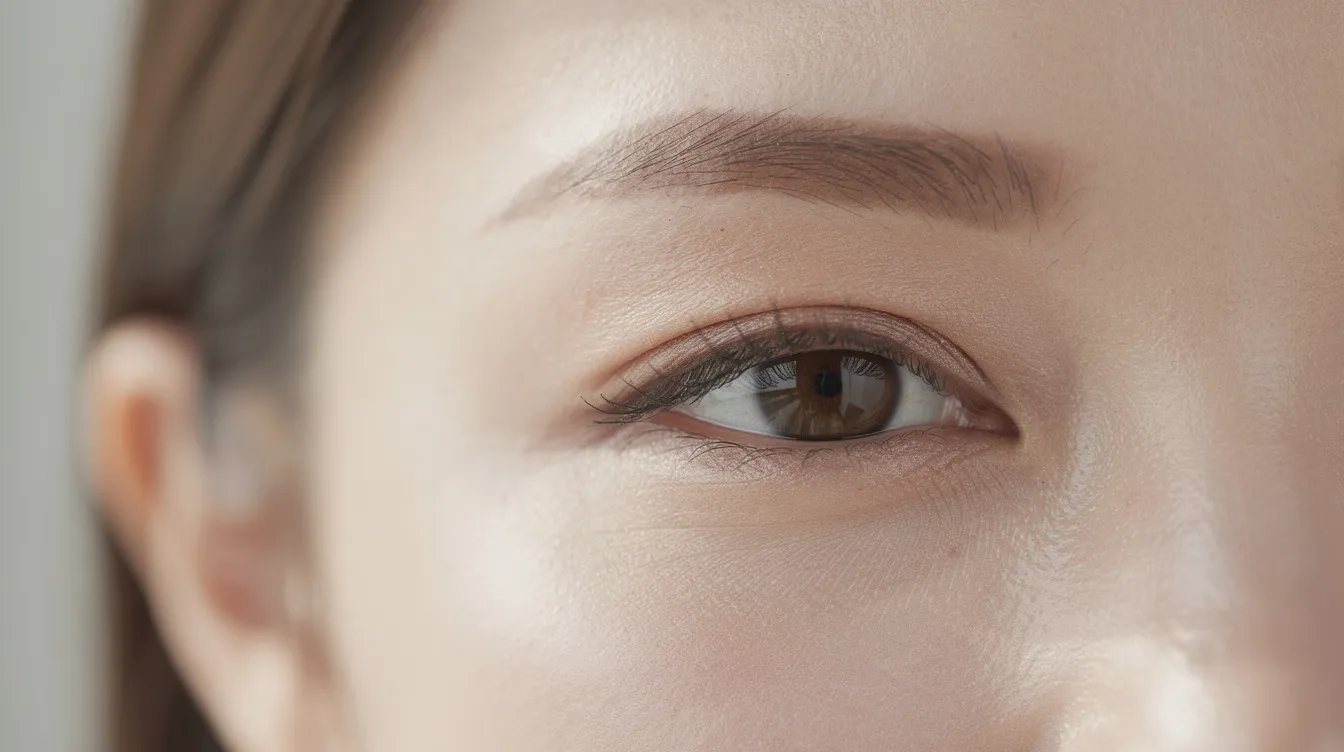
Differences Between Eye Bags, Hollowing, and Pigment
Understanding what is actually happening under your eyes is the first step toward choosing the right treatment. Eye bags, hollowing, and pigmentation are three distinct problems that often overlap but require different approaches.
Anatomical eye bags occur when orbital fat pads beneath the lower eyelid push forward. With age, the connective tissues and septa that hold these fat pads in place weaken, allowing fat to herniate and create a visible bulge. This is a structural issue.
Hollowing and tear troughs result from volume loss along the orbital rim and mid-cheek area. As bone resorbs and cheek fat descends over the year, a groove forms from the inner corner of the eye outward. This creates shadows that mimic dark circles, even when pigmentation is minimal.
Pigmentation and vascular causes involve excess melanin in the lower eyelid skin or visible blood vessels showing through thin, translucent skin. Allergies, sun exposure, and postinflammatory changes worsen this. Skin thinning from collagen loss compounds all three issues.
The treatment that works for fat protrusion will not fix pigmentation, and vice versa. Identifying your dominant cause is essential.
When Eye Bags Improve Naturally Without Surgery
Some eye bags are temporary and respond well to simple interventions. Common triggers include:
High salt intake causing fluid retention
Allergies triggering inflammation and swelling
Sleep deprivation or sleeping flat without head elevation
Alcohol and excessive crying
Dehydration, which paradoxically increases puffiness
Cold compresses are your first line of defense. Cold compresses constrict blood vessels and reduce swelling, making them effective for morning puffiness from fluid retention. Chilled spoons, gel packs, or cucumber slices applied for five to ten minutes can help.
Elevated head positions during sleep encourage fluid drainage. Elevated sleeping positions prevent lymphatic fluid accumulation around the eyes, and something as simple as an extra pillow during sleep can reduce overnight fluid pooling. Aim for a 5-10 degree elevation.
Dietary adjustments, such as reducing sodium, can minimize fluid retention. Cut processed foods and late-night salty snacks, and you may notice visible improvement within days.
When natural improvement is realistic: young individuals with good skin elasticity whose puffiness is triggered by lifestyle factors rather than structural fat prolapse.
Non-Surgical Treatments for Under-Eye Concerns
When lifestyle adjustments are not enough, a range of non-surgical treatments exists across aesthetic medicine. They can ease puffiness, hollows, skin texture and pigment, but none of them removes the fat pads that cause true bags. Think of these as a ladder:
Topical and at-home remedies (lowest risk, lowest cost)
Lifestyle interventions (free, ongoing)
In-clinic device-based treatments (moderate investment)
Injectables and fillers (highest non-surgical impact)
Prioritize conservative measures before moving to in-clinic procedures. The right option depends on whether your concern is skin laxity, hollowing, wrinkles, or pigmentation; fat bulging needs a surgical consultation.
Topical and At-Home Remedies for Eye Bags
Retinoid and retinol products are the gold standard for improving skin quality around the eye area. Long-term use of retinol or peptides can improve skin texture and firmness by stimulating collagen production and increasing dermal thickness. Start with a low concentration, apply at night, and pair with a gentle moisturizer to manage irritation.
Topical brighteners address pigment-related dark circles. Ingredients like vitamin C, niacinamide, vitamin K, and licorice extract can reduce discoloration over 8-12 weeks of consistent use. Sunscreen protects against UV-related pigmentation around the eyes and is non-negotiable for anyone using active ingredients.
Caffeine serums offer quick, temporary relief. Topical caffeine acts as a vasoconstrictor to reduce under-eye puffiness, and caffeine in eye creams provides a temporary tightening effect on skin. Results are short-lived but useful for mornings when you need a visible difference fast.
Hyaluronic acid is an effective ingredient for improving skin hydration when used in serums, helping to plump fine lines and create a smoother contour beneath the eye.
Lifestyle Interventions to Reduce Eye Bags
These cost nothing and serve as the foundation for every other treatment.
Intervention | What It Does | Timeline |
|---|---|---|
Sleep 7-9 hours nightly | Reduces fluid buildup and skin stress | Days to weeks |
Allergy control | Decreases inflammation and swelling | Days |
Hydration management | Prevents retention responses | Ongoing |
Quit smoking | Preserves collagen and elastin | Weeks to months |
Wear sunglasses | Reduces squinting and photoaging | Ongoing |
Managing sleep duration, ideally 7 to 9 hours per day, can prevent dark circles and reduce the overall appearance of puffiness. Keep a stable, consistent schedule.
Management of seasonal allergies can help reduce under-eye puffiness significantly. Antihistamines may alleviate puffiness caused by allergic reactions, while nasal corticosteroids and allergen avoidance address root causes.
Proper hydration helps prevent fluid retention around the eyes. Counterintuitively, drinking enough water signals your body to stop hoarding fluid.
In-Clinic Device-Based Options Without Surgery
For patients who want measurable skin improvement with a short recovery, energy-based devices offer a middle ground between topicals and injectables.
Radiofrequency tightening delivers controlled heat to stimulate collagen remodeling.
Microneedling with RF is used to remodel tissue and firm periorbital skin through controlled micro-injuries combined with thermal energy.
Laser skin treatments improve skin texture and pigment, making them useful for fine wrinkles and crepey texture around the eye. They do not remove the fat pads that cause bags.

Injectables and Fillers as Non-Surgical Options
When hollowing and volume loss are the primary concern, injectable fillers introduced into the tear trough can soften the hollow.
Facial HA dermal fillers restore volume to the undereye area, and dermal fillers provide immediate enhancement of the tear trough. The procedure uses hyaluronic acid for natural results, as this substance already exists in your skin. Under-eye fillers can reduce the appearance of dark circles by eliminating the shadow created by hollowing. Under-eye fillers restore volume to soften hollows and create a smoother contour, but they cannot remove a bag. Under-eye fillers can also smoothen wrinkles and fine lines in the treated area.
Injectable gel enhances the tear trough for a youthful look when injected at the correct depth by a skilled practitioner. Local anesthesia is used to minimize discomfort during treatment, and the procedure itself typically takes 15-30 minutes.
Results from under-eye fillers can last months to a year, and patients report satisfaction with results lasting months to a year.
Critical limitations to know:
Fillers do not rid you of true fat prolapse. If your bags are caused by bulging orbital fat rather than hollowing, adding filler can actually worsen the appearance or lead to malar edema.
Only experienced injectors with extensive training should perform periorbital injections. The eye area has complex vascular anatomy, and complications like vascular occlusion, though rare, are serious.
Temporary swelling and bruising are common injectable risks.
Dermal fillers restore volume to the undereye area effectively, but they must be matched to the correct anatomy. Minimal recovery time allows patients to resume daily activities quickly after the procedure.

Candidate Selection for Non-Surgical Eye Bag Treatments
Not everyone is a good candidate for non-surgical approaches. Here are the ideal signs:
Puffiness that comes and goes rather than fat pads pushing forward
Good to fair skin elasticity
Primarily hollowing or pigment-driven concerns
Realistic expectations about incremental improvement
No history of extensive prior filler in the area
When prior fillers are unknown or poorly documented, imaging (ultrasound or MRI) can help map what is already present before adding more product.
If structural fat prolapse is dominant, skin is severely lax, or brows have dropped, refer for a surgical consultation. Non-surgical treatments cannot remove bulging fat pads.
Risks and When Non-Surgical Treatments May Backfire
Every treatment carries risk, and the periorbital area is unforgiving.
Filler-related water attraction: Hyaluronic acid fillers are hydrophilic. Placed too superficially or in excessive volume, they attract water, causing persistent malar edema that can take months to resolve.
Delayed periorbital edema may appear days to weeks after filler injection, particularly in patients prone to fluid retention. This is distinct from normal post-procedure swelling and may require hyaluronidase to dissolve the filler.
Device-related risks include post-inflammatory hyperpigmentation (especially in darker skin types), burns from improper energy settings, and temporary redness.
If you notice increasing redness, warmth, pain, or discharge at the treatment site, stop any at-home care and contact your provider immediately. These are signs of infection that require prompt medical attention.
Typical Non-Surgical Treatment Workflow Without Surgery
Pre-procedure consultation checklist:
Identify dominant cause (fat, hollowing, pigment, laxity)
Review medical history and prior treatments
Take standardized photographs
Align on realistic expectations
Pre-treatment instructions:
Stop NSAIDs, aspirin, and fish oil supplements 5-7 days before injections or needling
Discontinue retinoids 2-5 days before energy-based treatments
Arrive with clean skin, no makeup
In-clinic procedure steps:
Apply topical numbing or local anesthesia as needed
Protective eye shields for device treatments
Conservative product volume or energy delivery
Post-treatment massage if applicable
Immediate post-procedure care:
Cold compresses
Keep head elevated
Avoid strenuous exercise, heat exposure, and rubbing the area
Use gentle cleansers only
Aftercare and Maintenance Without Surgery
Sun protection is critical after any procedure. Daily broad-spectrum SPF and sunglasses prevent pigmentation rebound and protect healing skin.
Device treatments typically require two to four sessions spaced several weeks apart. Filler touch-ups may be needed every six to twelve months.
Maintain the benefits with consistent sleep hygiene, allergy management, hydration, and a stable skincare routine incorporating retinoids and antioxidants.
When to Consider Surgical Options Instead of Non-Surgical
Consider surgery when:
Your bags come from fat pads pushing forward, which RF, fillers and creams cannot remove
Non-surgical treatments have been tried and results have plateaued
You want a long-lasting change; removed fat pads do not grow back
Discussing lower eyelid surgery (lower blepharoplasty) with an experienced surgeon will give you a clear picture of what surgery can achieve versus what non-surgical options have already delivered.
The bottom line: improving under-eye puffiness, hollows and dark circles without surgery is realistic for many people, but only lower eyelid surgery removes the fat pads that cause true bags. Either way, it requires matching the right treatment to the right cause. Start with lifestyle changes, layer in topicals, and escalate to devices or fillers only when conservative measures fall short. Whatever path you choose, work with a qualified practitioner who can assess your specific anatomy and set honest expectations from day one.
Frequently Asked Questions
What is the difference between eye bags and under-eye hollowing?
Eye bags occur when orbital fat pads beneath the lower eyelid push forward due to weakened connective tissue. Hollowing results from volume loss along the orbital rim and mid-cheek, creating grooves and shadows. These are distinct structural problems requiring different treatment approaches.
Can simple lifestyle changes reduce eye bags?
Yes, temporary puffiness from fluid retention, allergies, or sleep deprivation often improves with cold compresses, elevated sleeping position, reduced sodium intake, adequate hydration, and 7-9 hours of sleep nightly. Results vary depending on the underlying cause.
What topical ingredients help reduce the appearance of eye bags?
Retinoids and retinols stimulate collagen production and improve skin texture over 12 weeks. Caffeine serums provide temporary vasoconstriction. Vitamin C, niacinamide, and licorice extract address pigmentation. Hyaluronic acid improves hydration and plumps fine lines. None of these removes the fat pads that cause true bags.
How long do results from topical treatments take to appear?
Retinoid products show improvement in 12 weeks. Topical brighteners typically require 8-12 weeks of consistent use. Caffeine serums provide temporary results within hours. Timeline depends on the specific ingredient and individual skin response.
When should someone consider surgical treatment instead of non-surgical options?
Consider a surgical consultation when your bags come from fat pads pushing forward, since only lower eyelid surgery removes them, or when non-surgical treatments have not given you the improvement you want.
Learn more: Lower Eyelid Surgery (Eye Bags) at Leva Medical


-2.jpg?width=2000&height=2000&name=Copy%20of%20YouTube%20Thumbnail%20-%20Life-Changing%20Cosmetic%20Surgery!%20(Document)-2.jpg)


