Nipples come in many shapes and sizes, and inverted nipples are more common than most people realize - affecting an estimated 10–20% of the population. Whether you're a new parent preparing for breastfeeding or someone dealing with self consciousness about appearance, you should know that effective non-surgical treatment options exist. This guide walks you through every major approach to inverted nipple correction without going under the knife, from simple at-home exercises to clinical interventions.
Understand Your Condition: Inverted Nipple Grades And Flat Nipples
Not all nipple inversion is the same. Flat nipples sit level with the areola, while inverted nipples pull inward into the breast tissue. The difference matters because it determines which methods will actually work for you.
There are three grades of nipple inversion, classified by severity:
Grade | What Happens | Non-Surgical Outlook |
|---|---|---|
Grade 1 | Nipple protrudes with stimulation or gentle pull. Little fibrous tissue involvement, milk ducts intact. | Grade 1 inversion allows for high success rates with non-surgical methods. |
Grade 2 | You can pull the nipple out, but it retracts back shortly after. Moderate fibrosis, ducts retracted. | Grade 2 inversion may respond to disciplined non-surgical methods, but results can vary. |
Grade 3 | Nipple cannot be pulled out at all. Severe fibrosis, short milk ducts, atrophied tissue. | Grade 3 inversion is largely ineffective with non-surgical methods and usually requires surgery. |
The underlying cause is typically shortened or fibrotic milk ducts and fibrous tissue bands that tether the nipple inward. The effectiveness of non-surgical methods depends on the severity of inversion.
NHS guidance states that nipple inversion usually does not require treatment. However, if you want to improve nipple protrusion for breastfeeding or cosmetic reasons, start by identifying your grade.
The Pinch Test (Self-Assessment)
Let your breast hang naturally and observe whether the nipple protrude spontaneously, sits flat, or pulls inward.
Place your thumb and index finger on opposite sides of the nipple base at the areola boundary.
Gently press into the breast tissue, then pull your fingers apart.
If the nipple comes out and stays - Grade 1. If the nipple retracts back quickly - Grade 2. If you cannot pull the nipple out at all - Grade 3.
Perform this assessment outside of pregnancy or lactation for the most accurate reading, as hormonal changes can temporarily alter tissue suppleness.
At-Home Manual Methods For Inverted Nipple Correction
Manual methods are the first-line, lowest-risk options for addressing a flat or inverted nipple. Non-surgical methods to correct inverted nipples include manual exercises and suction devices, and manual stimulation can temporarily draw out inverted nipples by encouraging the erectile tissue to respond.
Suction devices and manual exercises are effective for long-term correction of mild inversions when practiced consistently. Most study protocols recommend twice-daily sessions over several weeks for measurable improvement.
Pregnancy precautions: Avoid aggressive traction during pregnancy. Nipple stimulation can trigger uterine contractions in sensitive individuals, which in rare cases could increase risk of preterm labor. Breast tissue is more edema-prone and sensitive during this time, so work gently and consult your provider.
Hoffman Technique (Manual Stretching)
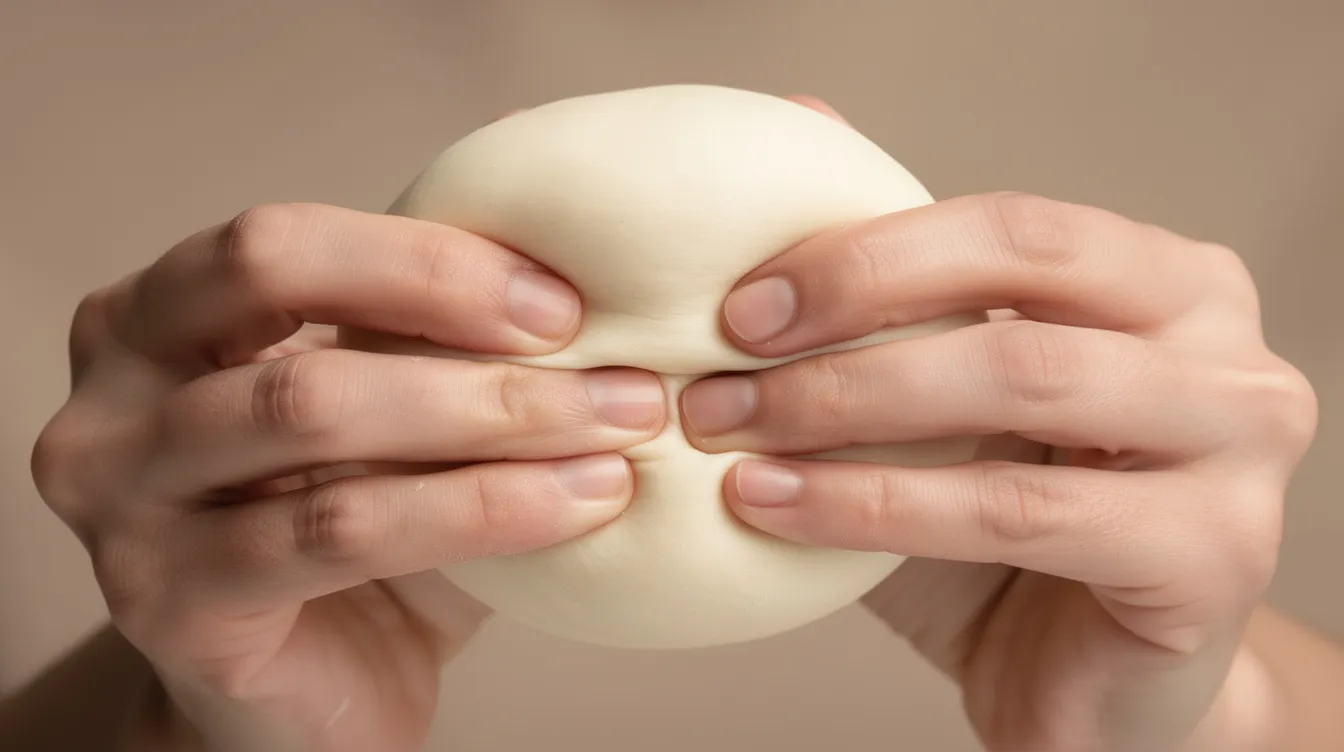
The Hoffman technique has been used since the 1950s and remains one of the most studied approaches. The technique involves manual stretching of the nipple tissue to gradually break down the fibrous bands that cause inversion. It is effective for Grade 1 inverted nipples and may help milder Grade 2 cases.
How to do it:
Place your thumb and index finger on either side of the base of the nipple, right at the areola junction.
Gently press into the breast tissue.
Gently pull your fingers apart, applying firm but gentle outward traction - first horizontally, then vertically.
Perform five stretches in each direction to gently stretch the tissue beneath.
Perform the Hoffman technique twice daily for best results. Practicing the technique twice daily is recommended, ideally in the morning and evening. A randomized controlled trial of 55 postnatal mothers with Grade 1 inversions found that Hoffman's exercise significantly improved nipple length and breastfeeding quality within three days compared to controls.
Results may vary and are not permanent for all users. Consistency over several weeks is what separates those who see lasting improvement from those who don't.
Suction-Based Options: Breast Pump, Niplette, And Syringe Method
Mechanical suction devices apply continuous, mild negative pressure to draw the nipple outward. Suction devices can help correct inverted nipples non-surgically, and they work by pulling the nipple into a small cup. These devices - also known as nipple extractors or cups - are a solid option when manual methods alone aren't enough.
Nipple suction devices offer promise for non-surgical correction of mild and moderate inversions. However, many devices can temporarily project the nipple while being used, but not permanently - so consistency matters.
Breast pump vs. Niplette:
A standard breast pump can help draw out inverted nipples before feeds. An RCT of 60 lactating women found that both electric pumps and syringe methods achieved similar breastfeeding rates by day 3, though the pump group reported significantly less pain.
Dedicated devices like the Niplette apply gentle suction over extended periods to gradually retrain the tissue. They may provide temporary protrusion for individuals with grade 1 inversion.
Syringe method setup:
Take a 10 mL disposable syringe and cut the tip end off cleanly.
Smooth any rough edges.
Place the barrel over the nipple area and gently pull the plunger back to create gentle suction.
Hold for 30–60 seconds before feeding.
One study found that the syringe method did not significantly improve exclusive breastfeeding rates - but compliance was extremely low (only 14.3% of participants used it for at least half their feeds). The takeaway: these methods only work if you actually use them consistently.
Caution: Excessive suction causes pain, skin breaks, and blistering. If the nipple area becomes discolored or painful, reduce vacuum intensity immediately.
Tools And Devices: Inverted Nipple Corrector For Flat Or Inverted Nipples
Beyond pumps and syringes, several purpose-built devices exist:
Suction-based correctors: Nipple correctors provide suction to help protrude inverted nipples. These devices are often worn under clothing for extended periods, making them practical for daily use under a bra.
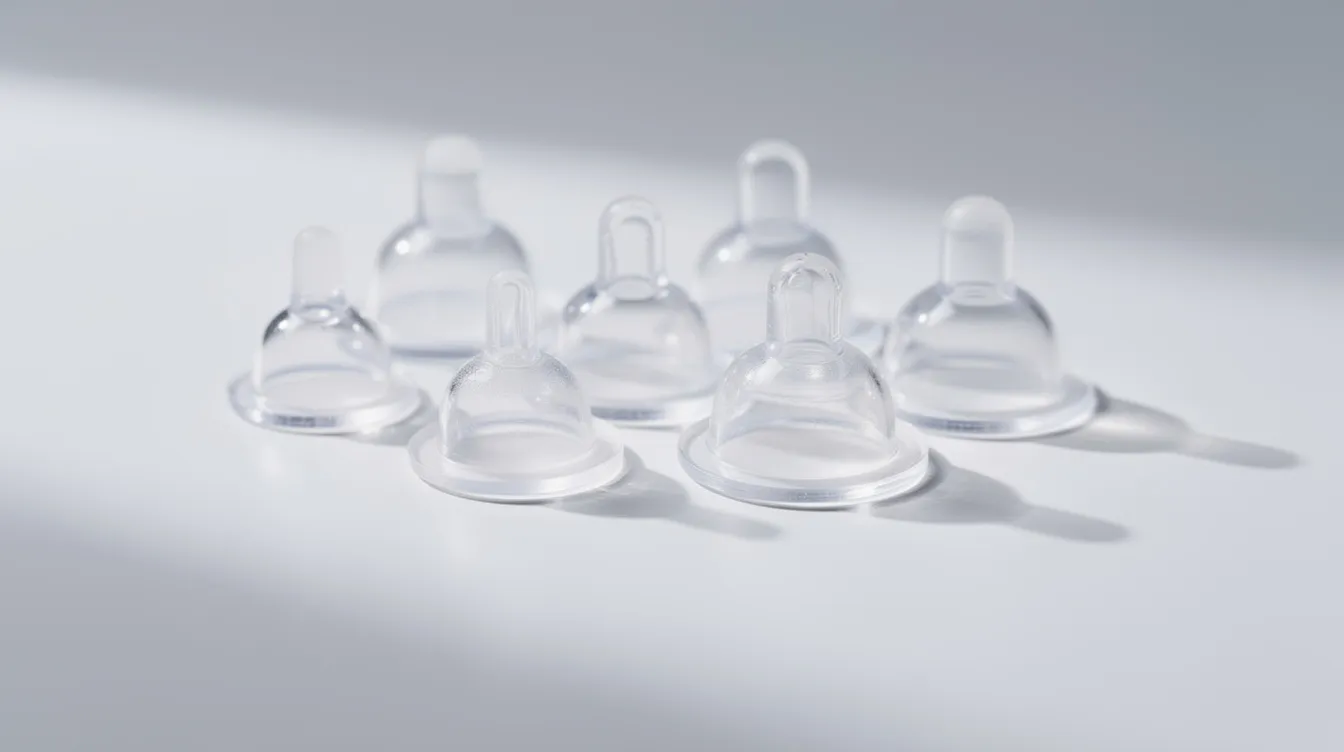
Silicone nipple shields: Placed over the nipple and areola during feeding, these can help a baby latch onto a flat or inverted nipple while providing mild pressure.
Supple cups and breast shells: Worn inside the bra, these create gentle pressure around the nipple base. Note that an older RCT found breast shells prescribed antenatally showed no improvement - and in some cases reduced breastfeeding initiation at six weeks.
When selecting a device, ensure the size matches your areola, the fit doesn't compress tissue uncomfortably, and you track daily wear time and comfort levels. Clean all devices thoroughly between uses to reduce infection risk.
Dry or irritated areolae can be improved with a gentle moisturizer, but this does not correct inversion - it simply maintains skin health around the nipple area.
Preparing For Breastfeeding: Help Baby Latch Onto Flat Or Inverted Nipples
Even with correction methods, successful breast feeding depends on achieving a good latch. Here's how breastfeeding mothers can improve outcomes:
Skin to skin contact: Hold your baby against your bare chest soon after birth. This helps the baby orient and promotes nipple erection through natural stimulation.
Laid-back positions: Recline with your baby prone on your chest. Gravity and the baby's tongue work together to help baby latch - even when the nipple doesn't fully protrude.
Express before feeds: Use a breast pump or manual stimulation for 1–2 minutes before feeding to soften breast tissue and draw out the nipple. This makes it easier for the baby's mouth to achieve a deep latch.
Consult a lactation expert: A certified lactation consultant can demonstrate positioning, evaluate whether nipple shields may help, and troubleshoot latch techniques specific to your anatomy.
In one small study of the rubber band method, 63% of mothers achieved a good latch within 3 days, and all succeeded by 28 days - showing that even simple interventions paired with proper technique make a real difference.
Non-Surgical Clinical Interventions And Supports
When home methods plateau, clinical options provide additional support:
In-office suction therapy: Some clinics offer supervised sessions with calibrated vacuum devices and graduated pressure protocols. Systematic reviews include these among effective non-invasive strategies for flat or inverted nipples.
Piercing: Some women have had their nipples pierced as a way to maintain eversion. Nipple piercings provide continuous outward traction, and jewelry in nipple piercings can keep nipples erect. Nipple piercing can help prevent nipple inversion in some cases. However, nipple piercing may not guarantee permanent inversion prevention - removing nipple jewelry can cause inversion to return. Nipple piercing can also lead to complications like infections, scarring, and interference with breastfeeding. Discuss this option only with medical and lactation experts.
Specialist referral: For persistent Grade 2 or any Grade 3 inversion, referral to a breast specialist is the right move. They can assess whether minimally invasive traction or surgical correction is needed.
When Non-Surgical Methods Fail: Cosmetic Surgery, Local Anesthesia, Milk Ducts
Surgery is the last-resort inverted nipple correction option - but sometimes it's the right one. Surgery can correct any grade of nipple inversion, including cases where non-surgical methods do not physically release deep scar tissue or dense collagen in severe inversions.
Home stretching and suction methods are rarely effective for severe Grade 3 inversion. Permanent structural correction of inverted nipples is rare with conservative approaches alone when significant fibrosis is present.
Key topics to discuss with your surgeon:
Milk duct preservation: Some techniques (like the parachute flap) preserve milk ducts, maintaining the ability to breastfeed. Duct-preserving methods show 90–98% satisfaction rates with low recurrence.
Local anesthesia: Many procedures are performed under local anesthesia as outpatient cosmetic surgery, with relatively short recovery.
Realistic expectations: Nipple projection may decline by approximately 30% over the first year. Nipple sensitivity and nipple sensation outcomes vary - ask your surgeon explicitly about these.
Surgical options should be explored when conservative methods have been given adequate time (typically several weeks to months) without meaningful improvement.
Risks, Contraindications, And Red Flags For Inverted Nipples
Not every case of nipple inversion is benign. Watch for these warning signs:
Sudden onset inversion: New or sudden changes in nipple shape require prompt consultation with a healthcare provider. Sudden changes in nipple inversion should be evaluated by a physician for potential underlying conditions, including breast cancer.
Discharge or other changes: Prompt checks are advised for new lumps or changes in discharge, rash, or shape in the breast. Recent changes in nipple projection should prompt evaluation for an underlying breast condition.
Technique-related damage: Aggressive stretching, excessive suction, or tight banding can damage milk ducts, cause health complications, or create painful skin breakdown. If any method causes persistent discomfort, stop immediately.
Practical Routine Plan For Lasting Improvement
Here's a sample 4-week schedule for Grade 1 or mild Grade 2 cases:
Week | Morning | Evening | Before Feeds | Track |
|---|---|---|---|---|
1–2 | Hoffman technique (5 horizontal + 5 vertical stretches per nipple) | Repeat Hoffman technique | Use syringe or breast pump for gentle suction, 1–2 min | Daily photos, pain level (1–10), nipple protrusion estimate |
3 | Continue Hoffman | Continue Hoffman | Alternate between suction method and nipple shield at feed time | Note latch quality, erect nipples duration |
4 | Assess progress - reduce device use if improving | Maintain stretching routine | Manual stimulation before feeds | Compare Week 1 vs Week 4 photos |
Guidelines throughout:
Stop any method that causes persistent pain or skin breakdown.
Ensure hygiene - clean all devices before and after use.
If you see no improvement by Week 4, schedule a follow-up with a lactation consultant or breast specialist to discuss next steps, including whether surgical correction may be appropriate.

Resources And Further Reading
For many women dealing with inverted or flat nipples, the right combination of consistent technique and realistic expectations makes the difference. Here are starting points for deeper research:
Hoffman technique evidence: Look for the 2022 RCT by Philip et al. on Hoffman's exercise for Grade 1 inversions, published in the Breastfeeding Medicine journal.
Systematic reviews: The 2023 systematic review in the Journal of Pediatric Nursing covers nine studies on non-surgical interventions and provides scientific evidence supporting manual and suction-based methods.
Lactation support organizations: The International Board of Certified Lactation Consultants (IBCLC) directory can help you find local experts. La Leche League International also offers breastfeeding support groups.
Device comparisons: When shopping for a breast pump or Niplette-style device, compare brands through hospital-affiliated lactation programs rather than relying solely on consumer reviews.
The bottom line: start with the pinch test, identify your grade, and commit to a consistent daily routine. If you're not seeing improvement after several weeks of disciplined effort, don't wait - consult a specialist who can guide you toward the right next step.
Frequently Asked Questions
What are the three grades of inverted nipples and how are they classified?
Grade 1 nipples protrude with stimulation and have little fibrous tissue involvement. Grade 2 nipples can be pulled out but retract quickly with moderate fibrosis. Grade 3 nipples cannot be pulled out at all and have severe fibrosis. Severity determines which non-surgical methods may be effective.
How do I determine my nipple inversion grade at home?
Use the pinch test: place your thumb and index finger on opposite sides of the nipple base at the areola boundary and gently pull apart. If the nipple stays out, it's Grade 1. If it retracts quickly, it's Grade 2. If you cannot pull it out, it's Grade 3. Perform assessment outside pregnancy for accuracy.
What is the Hoffman technique and how often should it be practiced?
The Hoffman technique involves placing your thumb and index finger on either side of the nipple base and gently pulling apart horizontally and vertically, performing five stretches in each direction. It should be practiced twice daily for best results. It is most effective for Grade 1 inversions and milder Grade 2 cases.
What suction devices can be used for inverted nipple correction?
Options include standard breast pumps, dedicated devices like the Niplette, and the syringe method using a 10 mL disposable syringe with the tip removed. These apply gentle negative pressure to draw the nipple outward. Results are often temporary while being used, requiring consistent practice for potential lasting improvement.
Are there any precautions when treating inverted nipples during pregnancy?
Avoid aggressive traction during pregnancy as nipple stimulation can trigger uterine contractions in sensitive individuals, which in rare cases may increase preterm labor risk. Breast tissue is more sensitive during pregnancy, so work gently and consult your healthcare provider before beginning any treatment.
Learn more: Inverted Nipple Repair at Leva Medical


-2.jpg?width=2000&height=2000&name=Copy%20of%20YouTube%20Thumbnail%20-%20Life-Changing%20Cosmetic%20Surgery!%20(Document)-2.jpg)


