The brazilian butt lift has become one of the most talked-about procedures in cosmetic surgery, fueled in part by celebrities like Kim Kardashian and a cultural shift toward the hourglass shape. But popularity doesn't equal safety. Undergoing a Brazilian Butt Lift carries specific surgical and medical risks that every prospective patient needs to understand before booking a consultation. This guide breaks down the real risks involved, the safety protocols that matter, and the concrete steps you can take to protect yourself.
Overview of the Brazilian Butt Lift Procedure and BBL Safety
A brazilian butt lift procedure is a two-part cosmetic surgery: first, a surgeon uses liposuction to remove excess fat from donor areas like the abdomen, flanks, or thighs. Then, after fat purification, the healthiest fat cells are re-injected into the buttocks to create a fuller, more defined shape. It's a fat transfer procedure that uses your own fat instead of synthetic materials.
The history of BBL surgery includes concerns over high complication and mortality rates, primarily from pulmonary fat embolism. A Brazilian Butt Lift is considered high-risk and requires careful surgical technique. This prompted major plastic surgery organizations worldwide to issue safety advisories and mandate new protocols. For a safe brazilian butt lift, readers need to verify three things: the surgeon's credentials, the surgical facility's accreditation, and the specific technique used during fat injection.

Unique Risks and BBL Safety Concerns
There are various potential complications associated with BBL including fat embolism and infection. What separates BBL from other plastic surgeries is that the most dangerous complication-fat embolism-is almost entirely technique-driven. Understanding where fat is injected, and how, is central to bbl safety.
Fat Embolism and Depth-of-Injection Risks in Brazilian Butt Lift Surgery
A pulmonary fat embolism occurs when fat enters the bloodstream through damaged gluteal veins and travels to the lungs. Fat embolism can occur if fat enters the bloodstream, and it's the leading cause of BBL-related death. Injecting fat too deeply can lead to life-threatening complications because the deep gluteal muscle is rich with large blood vessels.
Intramuscular or subfascial injection-placing fat into or beneath the gluteal muscle-dramatically increases this risk. Subcutaneous-only injection eliminates the risk of fat embolism, as confirmed by a study of 7,000 BBL procedures that reported zero cases of pulmonary fat embolism when fat was placed exclusively above the fascia.
The role of cannula size matters here. Surgeons should use cannulas of 4 mm diameter or larger. Smaller, more flexible cannulas can bend during injection and unintentionally penetrate deeper tissue layers, reaching blood vessels that should never be disturbed. A blunt tip cannula reduces the chance of vessel injury compared to sharp instruments.
Other Medical Risks Associated With Brazilian Butt Lifts
Beyond fat embolism, several complications can follow bbl surgery:
Complication | Incidence (7,000-patient series) |
|---|---|
Seroma (fluid collection) | ~23% |
Anemia | ~6.6% |
Fat necrosis | ~1.9% |
Infection | ~0.43% |
Hematoma | ~0.14% |
Asymmetry (requiring revision) | ~0.21% |
Fluid accumulations such as seromas or hematomas can develop after BBL surgery. Infection and necrosis can occur at liposuction or injection sites after a BBL. Infection is a risk with any surgical procedure, including BBL.
Potential complications of BBL include blood clots, infection, and need for revision surgery. Prolonged immobility increases the risk of Deep Vein Thrombosis during a BBL procedure, which is why early mobilization after surgery is critical. Fat reabsorption can cause asymmetry and uneven fat distribution in BBL results, sometimes requiring follow-up procedures.
Surgical Technique and Safety Protocols for Brazilian Butt Lift BBL
Safety-focused protocols for BBL developed by professional organizations emphasize proper technique above all else. Here are the current standards that most surgeons and regulatory bodies now mandate:
Subcutaneous-only injection: Fat must be injected only into the subcutaneous layer, above the gluteal fascia. Intramuscular injection is prohibited in multiple jurisdictions, including Florida.
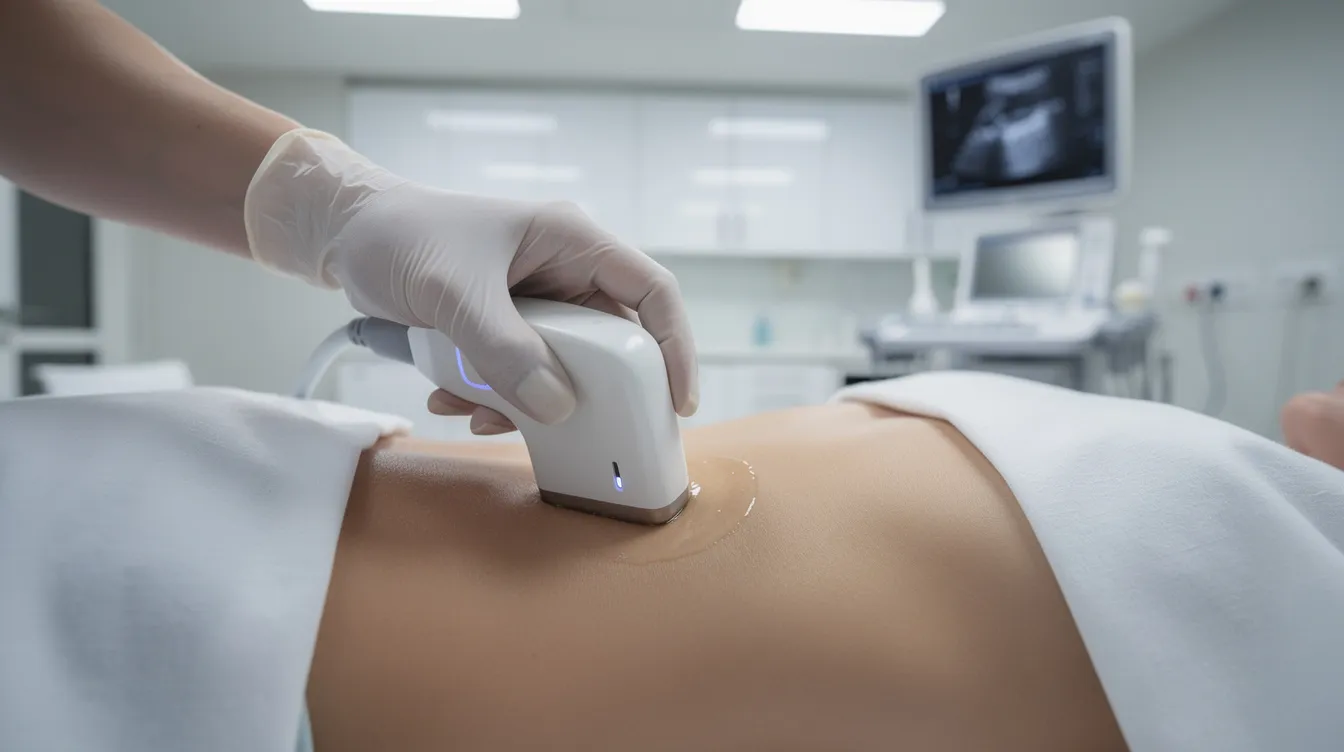
Ultrasound guidance: Surgeons must use ultrasound guidance for safe fat injection. Real-time imaging allows the surgeon to confirm the cannula tip stays in safe tissue. Ultrasound guidance improves fat injection safety during BBL-a meta-analysis of over 6,235 patients found zero deaths or fat embolisms with this approach.
Cannula specifications: Thick (≥4 mm), blunt-tipped cannulas are the standard. Low-pressure, retrograde injection in small aliquots per pass reduces risk.
Documentation: Some centers now record intraoperative ultrasound video, providing both medicolegal evidence and training material for proper technique.
Choosing a Board Certified Plastic Surgeon for Brazilian Butt Lifts
Selecting a board certified plastic surgeon is essential for safety in BBL procedures. Only board certified plastic surgeons should perform BBLs. Choosing a board-certified plastic surgeon operating in an accredited facility minimizes risk, and criteria for selecting a BBL surgeon include board certification and facility accreditation.
Verify Board Certification, Training, and Experience
Patients should verify that their surgeon is certified by the American Board of Plastic Surgery. You can do this through the ABPS public registry or the ABMS verification tool. Physicians performing BBL must maintain proper board certification and hospital privileges.
Surgeons must have specific training in liposuction and BBL. ABCS surgeons have one of the best safety records for BBLs. Ask your cosmetic surgeon directly:
How many gluteal fat grafting procedures have you performed?
What is your personal complication rate?
Can you show before-and-after photos from past patients with a similar body type?
Have you completed fellowship or rigorous training in body contouring or aesthetic surgery?
Board certification alone confirms baseline competence. Experience with this specific complex procedure is what separates adequate from excellent.
Assess Facility and Team: Accredited Surgical Facility Requirements
Surgeons should perform BBLs in accredited surgical facilities. Accredited facilities ensure higher safety standards for BBL procedures, including emergency equipment, sterile processing protocols, and credentialed staff. Look for accreditation from AAAASF, AAAHC, or the Joint Commission.
Accredited New York practices must report adverse events from BBL surgeries, adding an extra layer of accountability. Confirm that the anesthesiologist is board certified, that the surgical facility has transfer agreements with nearby hospitals, and that emergency resuscitation equipment is on-site.
If a facility can't tell you which accrediting body approved them, that's your answer.
Candidacy: Body Type, Health, and Who Should Consider a Brazilian Butt Lift
Not every patient is a good candidate. Your body type and donor-fat availability determine how much fat can be safely harvested. Thin patients with minimal excess fat may face more technical difficulty during the fat grafting procedure.
Ideal candidates generally have:
A moderate BMI (not extremely high or low)
Enough donor fat in the abdomen, flanks, or thighs
Good overall health and stable weight
No history of DVT, pulmonary embolism, or clotting disorders
No active smoking (cessation required 4–6 weeks before surgery)
Your medical history matters. Uncontrolled diabetes, cardiovascular disease, immunosuppression, and certain medications all increase associated risks. Full preoperative medical clearance-including labs, imaging if needed, and possibly cardiology evaluation-is standard.
Mental health should also factor in. Realistic aesthetic goals and a clear understanding of the risks involved are prerequisites for any responsible plastic surgery consultation.
What To Expect Before, During, and After the Brazilian Butt Lift Procedure
Before Surgery: Preparation and Screening
Preoperative screening includes blood work (CBC, coagulation panel, metabolic panel), physical examination, and baseline photography of donor and recipient areas. You'll need to stop smoking, adjust any medications that increase bleeding risk, and reach a stable weight before surgery. Your surgeon will walk you through aesthetic surgery education materials and consent forms that fully disclose the mortality rate and complication risks.
During Surgery: Anesthesia, Harvesting, and Transfer
Anesthesia options range from general anesthesia to local anesthesia with sedation-each has tradeoffs in risk and patient comfort. Fat harvesting begins with tumescent liposuction to remove excess fat from donor sites. The collected fat cells undergo fat purification to remove fluids and debris, retaining only the healthiest fat cells for transfer.
During the fat transfer, the surgeon injects fat into the subcutaneous layer using controlled, retrograde passes. How much fat is injected per pass is carefully limited. Ultrasound guidance confirms depth in real time, and entry points are placed laterally or supragluteally to avoid dangerous angles toward blood vessels in the gluteal muscle.
After Surgery: Recovery, Follow-Up, and Complication Monitoring
Avoid sitting or lying on your buttocks for at least two weeks. Most surgeons recommend a special BBL pillow when sitting is unavoidable. Wear a compression garment for several weeks post-surgery to support donor sites and reduce swelling.
Expect swelling and bruising in treated areas after surgery. Light walking is encouraged to improve circulation post-surgery and reduce DVT risk. Full recovery may take up to six months after the procedure.
Scheduled follow-ups (typically at 1 week, 2 weeks, 1 month, and beyond) help catch complications early. Contact your surgeon immediately if you experience chest pain, shortness of breath, or sudden leg swelling-these may indicate a pulmonary embolism or deep vein thrombosis.

Red Flags: How To Avoid Unsafe Brazilian Butt Lift Procedures
Patients should be cautious of low prices and non-accredited settings when considering BBL. If the price is dramatically lower than regional averages, it usually means corners are being cut-whether in staffing, equipment, or time spent per case.
Watch for these warning signs:
The surgeon won't explain whether they inject into the subcutaneous layer or the muscle
The facility is not accredited or won't name their accrediting body
Same-day schedules packed with multiple bbl procedures (rushed surgery = higher risk)
No in-person consultation or preoperative screening before scheduling
Patient reviews are absent or overwhelmingly negative
Hygiene practices appear substandard during your visit
Any cosmetic surgeon who downplays the risks of this procedure is not someone you want operating on you.
Alternatives to Brazilian Butt Lift and When To Consider Them
If the risks involved in a fat grafting procedure don't align with your comfort level, there are alternatives:
Butt implants: Buttock implants offer a permanent enhancement option using silicone butt implants. They avoid the fat retention uncertainty of a BBL but carry their own risks-capsular contracture, implant shifting, and a more invasive recovery.
Injectable fillers: Dermal fillers like Sculptra provide temporary butt enhancement. Volume is limited compared to a fat transfer, and multiple sessions are typically needed.
Exercise and contouring: Glute-strengthening exercises can improve buttock appearance naturally. Combined with body contouring strategies, this is the lowest-risk path, though results are modest compared to aesthetic surgery.

Frequently Asked Questions About How Safe Is a BBL
Does choosing a board certified surgeon reduce risk? Yes. Studies show that plastic surgeons with ABPS board certification, operating in an accredited facility with ultrasound guidance and subcutaneous-only injection, have dramatically lower fatality rates. BBL has a mortality rate of approximately 1 in 14,921 procedures under current safety guidelines-a significant improvement from earlier estimates of 1 in 3,448.
How does BBL safety compare to other plastic surgeries? When improperly performed, BBL carries among the highest mortality rates in cosmetic surgery, primarily due to fat embolism. Procedures like a tummy tuck or other plastic surgeries have lower embolism risk but still carry infection, bleeding, and anesthesia complications.
How long do results last? About 30-50% of injected fat may be reabsorbed by the body over time. Patients with good vascularity and adequate subcutaneous tissue tend to see better fat retention, with roughly 60-80% survival in well-executed cases. Your body type influences long-term outcomes.
What about odor or sitting after surgery? Some patients notice odor from minor fat necrosis or drainage-this typically resolves. Sitting directly on the buttocks too early can compromise the injected fat and affect your final results. Follow your surgeon's timeline strictly, usually avoiding direct pressure for at least two weeks.
Summary: Making a Safe Decision About Brazilian Butt Lift Surgery
The question isn't whether brazilian butt lift surgery can be performed safely-it's whether you've done the work to ensure yours will be. Here's your checklist:
Verify your surgeon holds board certification from the American Board of Plastic Surgery
Confirm the surgical facility is accredited by AAAASF, AAAHC, or Joint Commission
Ask specifically about subcutaneous-only injection and ultrasound guidance
Request case volume, complication rates, and before-and-after photos
Get consultations with at least two board certified plastic surgeons before deciding
Ensure you meet candidacy requirements and have completed all preoperative optimization
Review patient reviews and ask to speak with past patients
The right surgeon, the right facility, and up to date safety protocols are what separate a dangerous BBL from one that's performed safely. Don't let price, convenience, or social media aesthetics rush you into a decision that deserves careful, deliberate evaluation.
Frequently Asked Questions
What is the most serious risk associated with BBL surgery?
Pulmonary fat embolism is the leading cause of BBL-related death. It occurs when fat enters the bloodstream through damaged gluteal veins and travels to the lungs, typically from injecting fat too deeply into muscle tissue.
How can surgeons reduce the risk of fat embolism during BBL?
Subcutaneous-only fat injection (above the fascia) eliminates fat embolism risk. Using ultrasound guidance, 4mm or larger blunt-tipped cannulas, and low-pressure injection techniques further reduce complications.
What other complications can occur after BBL surgery?
Common complications include seroma (fluid collection) at 23%, anemia at 6.6%, fat necrosis at 1.9%, and infection at 0.43%. Blood clots, hematoma, and asymmetry requiring revision are also possible.
What qualifications should I verify before choosing a BBL surgeon?
Verify board certification through the American Board of Plastic Surgery registry, confirm facility accreditation, inquire about their specific BBL experience, ask for personal complication rates, and review before-and-after photos.
Why is cannula size and type important in BBL surgery?
Surgeons should use cannulas 4mm or larger with blunt tips. Smaller, flexible cannulas can bend during injection and unintentionally penetrate deep tissue layers, potentially damaging blood vessels.
Learn more: Body Contouring at Leva Medical
-2.jpg?width=2000&height=2000&name=Copy%20of%20YouTube%20Thumbnail%20-%20Life-Changing%20Cosmetic%20Surgery!%20(Document)-2.jpg)


