If you're considering liposuction, the question on your mind is probably straightforward: how much is this going to hurt? The honest answer is that most patients experience moderate, manageable discomfort rather than severe pain. The sensation is commonly described as similar to intense muscle soreness. Pain is most noticeable during the first 48 to 72 hours, then steadily improves over one to two weeks, with full liposuction results settling over several months. This guide breaks down every stage of the recovery process so you can set realistic expectations before your cosmetic surgery.
Learn more: Body Contouring at Leva Medical
Overview Of The Liposuction Procedure
The liposuction procedure is a body contouring procedure that removes localized fat deposits through small incisions using a thin tube called a cannula. It is not a weight loss procedure. Instead, liposuction is designed to reduce stubborn fat that a healthy diet and regular exercise routine cannot eliminate. Liposuction permanently eliminates fat cells from targeted areas and can remove up to 6-8% of a patient's body weight in a single session.
Common treatment areas of the body include:
Abdomen and flanks
Outer thighs and inner thighs
Upper arms
Back and bra area
Under the chin
Buttocks, knees, and calves
Techniques vary. Traditional liposuction uses suction-assisted methods, while ultrasound assisted liposuction (VASER) and water-assisted or power-assisted options each have different implications for tissue trauma and recovery time. Tumescent liposuction, which involves injecting large volumes of dilute local anesthetic with epinephrine into the fat layer, is the most widely used approach for pain control during the procedure.
Anesthesia types include tumescent local anesthesia (often with light sedation), regional blocks, and general anesthesia for larger or multi-area sessions.
One critical distinction: liposuction removes fat but not skin. Skin tightening varies after liposuction-only procedures, and patients with poor skin elasticity may have loose skin or excess skin remaining. Abdominoplasty, by contrast, removes excess skin and may tighten abdominal muscles through larger incisions.
During Surgery: Anesthesia, Monitoring, And Blood Loss
Your surgical team selects the anesthesia approach based on the volume of fat removed, the number of treated areas, and your health profile. Small-volume cases often proceed under tumescent local anesthesia with minimal sedation. Larger procedures may require general anesthesia.
Intraoperative monitoring covers heart rate, blood pressure, oxygen saturation, and fluid balance. Blood loss is significantly reduced by the epinephrine in tumescent infiltration fluid, which constricts blood vessels. Without this technique, blood can account for 20-45% of the aspirate volume.
Rare systemic risks include pulmonary oedema, particularly with high-volume liposuction exceeding 4 liters of aspirate. Surgeons limit aspirate volume per session and carefully manage IV fluids to prevent this. Local anesthetic toxicity is another uncommon but serious potential risk, with lidocaine levels peaking about 12-14 hours after infiltration.
Immediate Post-Op Experience And The Healing Process
In the first 24 hours, you can expect numbness from the local anesthetic wearing off gradually, followed by mild soreness, tightness, and throbbing in the treatment area. Drainage of excess fluid from the incision sites is normal. Dressings and an elastic compression garment are applied immediately after the procedure.
Recovery from liposuction includes managing swelling, bruising, and tenderness from the outset. Discomfort is typically described as similar to intense muscle soreness rather than sharp or unbearable pain.

First 48–72 Hours: Peak Pain And Pain Management
Pain peaks within the first three days post-surgery. Moderate soreness is common during the first 24 to 72 hours post-liposuction, with soreness usually peaking around 48 to 72 hours post-surgery. Research shows that with proper multimodal pain protocols, average pain scores on postoperative day one sit around 1.23 out of 10, which is far from severe pain.
Prescription pain medications are often provided for post-operative discomfort. Take prescribed medications exactly as directed. Gentle walking is encouraged post-liposuction to promote blood circulation and prevent blood clots. Do not stay immobile, but avoid anything strenuous.
One To Two Weeks: Improvement, Activity, And Care
Most patients report significant pain improvement by the end of the first week. Pain generally starts to ease after the first week, but tightness and bruising may continue. By week two, many patients rely on over-the-counter anti-inflammatory medications rather than stronger prescriptions.
Most patients return to work one to two weeks after surgery, depending on the extent of the procedure and the area treated. Light daily tasks can resume around days 7-10. Heavy lifting and vigorous exercise should wait until your plastic surgeon clears you, typically at four to six weeks.
Bruising typically resolves within 2-4 weeks after surgery. Most acute pain from liposuction subsides after the first few weeks of recovery.
Pain Management: Medications And Non-Drug Strategies
Effective pain management combines pharmacologic and non-drug approaches:
Medications:
Short-term opioids (oxycodone, hydrocodone) for the first 1-5 days
NSAIDs such as ibuprofen for inflammation
Acetaminophen for baseline relief
Local anesthetic infiltration during surgery for extended early relief
Non-drug strategies:
Cold therapy (ice packs or chilled pads) to reduce swelling and localized discomfort
Light walking from day one or two
Lymphatic massages once cleared by your surgeon, which help drain excess fluid and reduce fluid retention
Proper rest and avoiding positions that stretch treated areas
Compression Garments: Role In Recovery And Body Contouring
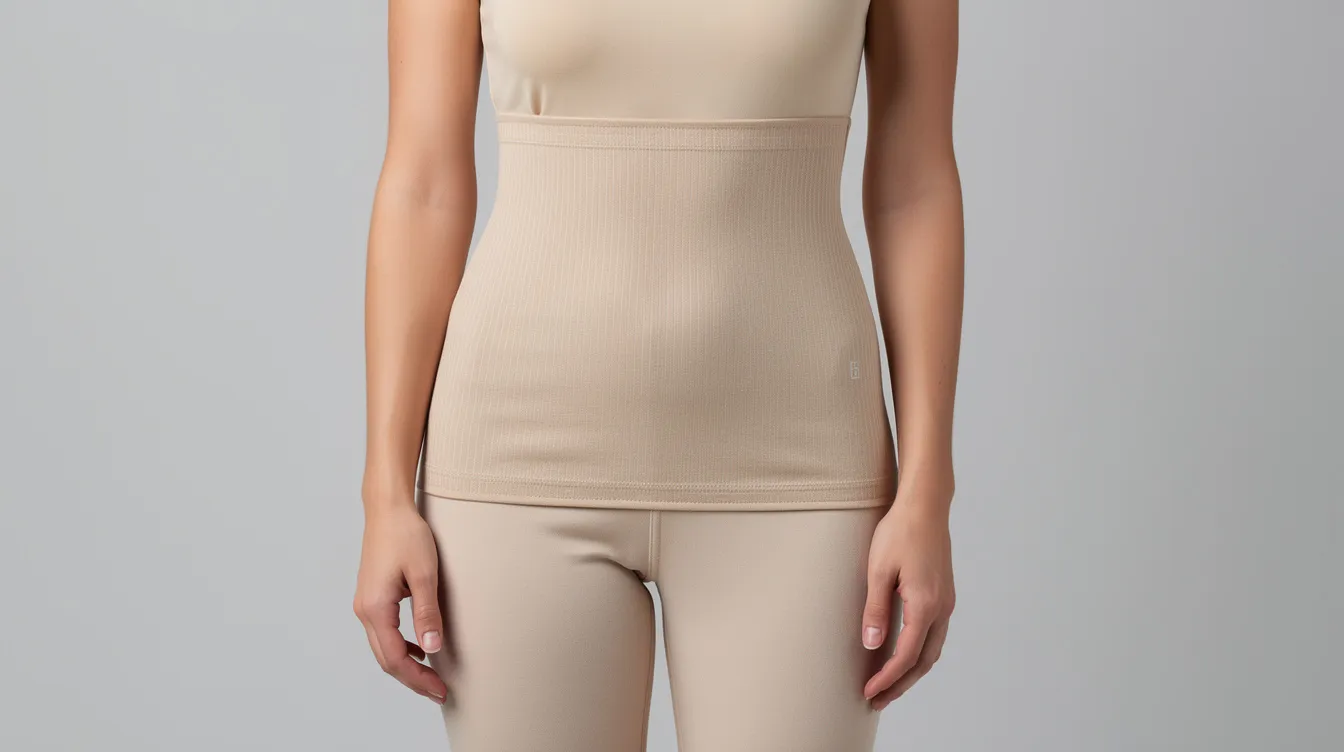
Compression garments serve several purposes after liposuction surgery. They reduce swelling, minimize bruising, support skin retraction over the body contouring site, and lower the risk of seroma (fluid accumulation). Compression garments help reduce swelling and support healing throughout the recovery process.
Compression garments should be worn for 3 weeks to 3 months, depending on surgeon guidance and the extent of the outpatient procedure. Most surgeons recommend continuous wear (day and night) for the first two to three weeks, then transitioning to daytime or nighttime wear for several additional weeks.
The garment should fit snugly without cutting into the skin or causing numbness. Types vary by treatment area: abdominal binders, compression panties, arm sleeves, and chin straps.
How To Promote Healing And Minimize Complications
To promote healing and achieve optimal healing, prepare before and after surgery:
Pre-op: Stop smoking at least two to four weeks before surgery. Cease medications and supplements that increase bleeding risk (aspirin, certain herbal supplements) as directed. Drink plenty of water in the days leading up to your procedure.
Nutrition: A high-protein diet with adequate vitamin C and zinc supports wound healing. Hydration and a low-sodium diet are recommended to help reduce fluid retention after surgery.
Wound care: Keep incision sites clean and dry. Monitor for redness, warmth, or unusual discharge. Follow your surgeon's instructions for dressing changes to reduce infection risk.
Complications And Warning Signs, Including Pulmonary Oedema
Major complication rates are low, but awareness of warning signs is essential. Key statistics from recent data include:
Complication | Incidence |
|---|---|
Seromas | 3.5% |
Skin hyperpigmentation | 18.7% |
Persistent edema | 1.7% |
Infection | ~1-2% |
Hematoma | ~0.27% |
Red-flag symptoms requiring urgent medical review:
Pain that is worsening instead of improving should be reported to the surgeon immediately, as this may signal hematoma or infection
Fever, chills, or foul-smelling discharge from incision sites
Severe signs such as chest pain or sudden shortness of breath require emergency medical attention after surgery, as these may indicate pulmonary oedema
Numbness of lips, metallic taste, or dizziness suggesting anesthetic toxicity
Significant discomfort that does not follow the expected downward trajectory is never normal. Contact your surgeon without delay.
Timeline To Liposuction Results And Long-Term Outcomes
Liposuction is not an instant transformation. Swelling typically peaks 10-14 days post-liposuction, and as swelling subsides over the following weeks, contour changes become visible. Most patients see final results within 6 months to a year as residual swelling resolves and skin adapts.
Scar maturation from the small incisions is gradual. Incision marks often fade significantly over several months, resulting in minimal scarring for most patients. Skin tightening varies after liposuction-only procedures and depends on age, skin quality, and the volume of fat removed.
To maintain long-term results, keep a stable weight through a healthy diet and regular exercise routine. Liposuction can reduce stubborn body fat in targeted areas, but remaining fat cells can still expand with significant weight gain. Avoid unrealistic expectations: this cosmetic procedure refines contours rather than replacing healthy lifestyle habits.
Practical Recovery Timeline: Day 1 To Months
Timeframe | What To Expect | Action Items |
|---|---|---|
Day 1 | Numbness fading, mild soreness, drainage from incision sites | Rest, wear garment, cold packs, take prescribed medications |
Days 2-3 | Peak pain, maximum swelling and bruising | Continue analgesia, light walking, cold therapy |
Days 4-7 | Pain decreasing, narcotics tapered | Increase light walking, continue garment, follow up with surgeon |
Week 2 | Significant improvement, mostly mild soreness | Return to light work, switch to NSAIDs, garment still worn |
Weeks 3-4 | Bruising fades, swelling reduces further | Garment may shift to nights only, sensation returning |
Months 1-3 | Contour becoming visible, most strength returns | Resume moderate activity as cleared |
Months 4-6+ | Final results settle, scars fade | Normal exercise, follow-up visits |

Follow-up visits are typically scheduled at 1 week, 1 month, 3 months, and sometimes 6 to 12 months post-op. Keep every follow up appointment.
Choosing A Surgeon And Preparing For Cosmetic Surgery
Your choice of plastic surgeon directly affects your pain experience and outcomes. Here's what to verify:
Board certification from a recognized body (e.g., the American Board of Plastic Surgery)
Documented complication rates and before-and-after photos specific to the areas of the body you want treated
An individualized pain management plan discussed during your consultation, including anesthesia type, post-op medications, and compression garment protocols
Prepare for the day of surgery by arranging transport home, having someone available to help for the first 48 hours, and stocking up on prescribed medications, ice packs, and comfortable clothing. Set realistic expectations about the healing process and the recovery time involved. Avoid going in with unrealistic expectations about immediate results.
FAQ Section To Answer "How Painful Is Liposuction"
How painful is liposuction really? Most patients describe it as intense muscle soreness rather than sharp or severe pain. With modern pain management protocols, average pain scores sit well below 2 out of 10 in the first days. Many patients in studies reported only mild or no pain within the first 18 hours.
How does liposuction pain compare to other cosmetic procedures? Liposuction surgery is generally less painful than abdominoplasty, which involves larger incisions for skin excision and may tighten abdominal muscles. It causes more discomfort than non-invasive treatments like Botox. Abdominoplasty removes excess skin, while liposuction involves small incisions for fat removal only.
When can I return to work? Most patients return to light, desk-type work within one to two weeks. Physically demanding jobs may require longer. Your recovery time depends on the volume of fat deposits removed and the number of targeted areas.
When can I exercise again? Light walking starts on day one or two. Low-impact activity resumes around two weeks. Strenuous exercise and weightlifting are typically delayed until four to six weeks, once your surgeon confirms the healing process is on track.
Will I have significant scarring? Liposuction uses small incisions that typically result in minimal scarring. Scars fade over several months and are often placed in discreet locations.
Your next step is to consult a board-certified plastic surgeon who can assess your specific situation, discuss the potential risks, and build a pain management plan tailored to you. Come prepared with questions, bring this timeline as a reference, and set yourself up for the smoothest liposuction recovery possible.
Frequently Asked Questions
How much pain should I expect after liposuction?
Most patients experience moderate, manageable discomfort rather than severe pain. It is commonly described as similar to intense muscle soreness. Pain is most noticeable during the first 48 to 72 hours and generally improves over one to two weeks, with final results settling over several months.
When is pain after liposuction at its worst?
Pain typically peaks within the first three days after surgery, with soreness usually most pronounced around 48 to 72 hours post-procedure. Prescribed medications are often provided during this period, and patients are generally advised to take them exactly as directed.
How is pain managed after liposuction?
Pain management usually combines medications, such as short-term opioids, NSAIDs like ibuprofen, and acetaminophen, with non-drug strategies. Cold therapy, light walking, lymphatic massage once cleared by a surgeon, and avoiding positions that stretch treated areas are commonly recommended.
When can I return to work after liposuction?
Most patients return to work one to two weeks after surgery, depending on the extent of the procedure and the area treated. Light daily tasks can often resume around days 7 to 10, while heavy lifting and vigorous exercise typically wait until a surgeon provides clearance, often at four to six weeks.
Does liposuction remove skin or lead to weight loss?
Liposuction removes localized fat deposits but not skin, so skin tightening varies and loose skin may remain, particularly in patients with reduced skin elasticity. It is not a weight loss procedure and is designed to address stubborn fat that diet and exercise have not eliminated.


-2.jpg?width=2000&height=2000&name=Copy%20of%20YouTube%20Thumbnail%20-%20Life-Changing%20Cosmetic%20Surgery!%20(Document)-2.jpg)


