One of the most common questions patients ask before scheduling a brazilian butt lift is simple: how much fat actually stays? The answer determines whether you walk away with the desired shape or need a revision down the road. This guide breaks down the evidence behind fat survival after a BBL, covers the biological and surgical variables that control retention, and gives you actionable steps to protect your results.
Learn more: Body Contouring at Leva Medical
What Is the Brazilian Butt Lift (BBL) Procedure?
A brazilian butt lift bbl is a fat grafting procedure that augments the buttocks using your own body fat rather than synthetic implants. The core goals are twofold: sculpt donor areas through liposuction and enhance the gluteal shape through strategic fat injection.
The bbl procedure follows four steps:
Infiltration of tumescent solution into donor sites
Harvesting fat via liposuction from the abdomen, flanks, or thighs
Processing the harvested fat to remove blood, fluid, and damaged cells
Injection of purified fat into the buttocks in a layered fashion
Unlike silicone implants, this approach uses your own adipose tissue, which means the results look and feel natural once the grafted fat integrates with surrounding tissue.
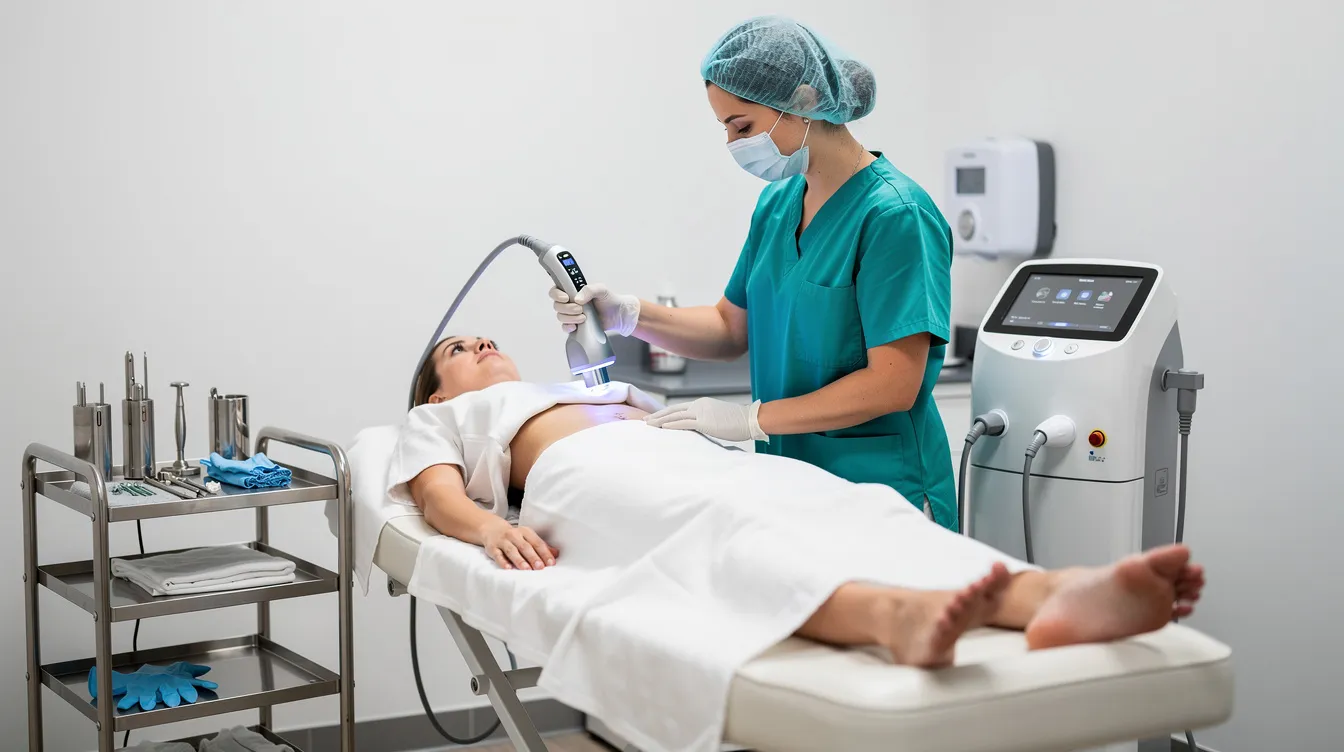
How the Fat Grafting Procedure Works
During harvest, a skilled surgeon extracts fat from deep subcutaneous layers, where adipocyte viability tends to be highest. Fat processing methods affect the viability of transferred fat, so this step matters enormously. The harvested fat is purified through decantation, washing, or centrifugation to isolate healthy fat cells from oil, blood, and debris.
Graft placement is where artistry meets science. The purified fat is injected through small cannulas in multiple passes and planes, creating thin ribbons of new fat cells throughout the buttock tissue. This layered technique ensures each cluster of transferred fat cells sits close enough to blood vessels for early nutrient exchange, rather than forming large pockets prone to central necrosis.
How Much Fat Survives After a Brazilian Butt Lift BBL
So, how much fat survives a bbl in practice?
60-80% of transferred fat cells typically survive after a BBL under favorable conditions
The body naturally reabsorbs approximately 20-40% of transferred fat cells during the first several months
One prospective study measuring subcutaneous-only grafts with ultrasonography found 81.84% retention at 12 months
Why the range? Fat survival rates can vary based on individual health factors, surgical technique, processing methods, and injection strategy. Not all grafts perform equally, even within the same patient.
Most volume loss occurs during the first three months as fat cells die and are reabsorbed. After this period, surviving fat cells have typically established a stable blood supply, and volume changes become minimal. By six to twelve months, swelling subsides and your final shape emerges.
Biological Factors: Fat Cells, Blood Supply, And Integration
The single biggest determinant of fat cell survival is blood supply. Fat cells must connect to existing blood vessels within 48 to 72 hours to survive. During this critical window, newly transferred fat cells rely on plasmatic imbibition-simple diffusion of nutrients from nearby tissue-before vascular ingrowth takes over.
Research describes a three-zone model for grafted fat:
Zone | Location | Outcome |
|---|---|---|
Surviving zone | Outer ~300 µm | Adipocytes survive intact |
Regenerating zone | 600–1,200 µm deep | Cells die but stem cells regenerate tissue |
Necrotic zone | Central core | Cells die, replaced by fibrosis |
This is why smaller graft droplets outperform large boluses-keeping the radius under approximately 1.6 mm minimizes the necrotic core. Metabolic and genetic factors also play a role: local blood flow, oxygen tension, the patient's stem cell concentration within their adipose tissue, and overall vascular health all influence how effectively fat cells establish permanent connections.
Surgical Factors That Affect Fat Cells Surviving
Surgeon skill significantly impacts BBL longevity and fat survival. Here are the key technical variables:
Gentle harvesting: Gentle harvesting techniques preserve fat cell integrity during BBL. Low negative pressures and large-bore cannulas minimize shear stress. Gentle liposuction techniques improve fat cell survival rates compared to high-pressure vacuum systems, which can damage up to 90% of adipocytes.
Processing choices: Over-centrifugation can rupture delicate fat cells. Many experienced surgeons prefer decantation or gentle washing to maintain cell viability while removing contaminants.
Strategic injection placement: Injection technique affects fat survival and aesthetic results in BBL. Subcutaneous-only placement in multiple thin layers keeps each graft close to local blood supply, maximizing perfusion and integration.
Avoiding overfilling: Packing too much fat into a single pocket raises interstitial pressure, chokes off blood flow, and causes central necrosis. Dispersed microdroplet injection is the gold standard.
Patient Factors That Influence BBL Results
Your body composition and health profile matter as much as the surgical technique.
Donor fat availability: Patients with adequate donor fat achieve better BBL outcomes because the surgeon has more high-quality tissue to work with. Lean patients may lack sufficient volume for dramatic augmentation.
Skin elasticity: Elastic skin and well-vascularized tissue accept grafts more readily than tight or scarred recipient beds. Your skin elasticity partially determines how well the enhanced shape holds.
Weight stability: Maintaining a stable weight is critical. Gaining or losing a large amount of weight affects the size of surviving fat cells, since grafted fat behaves like other fat cells in your body. Significant weight fluctuations can distort your body contour over time, while significant weight gain can enlarge grafted areas disproportionately.
Smoking and comorbidities: Smoking significantly lowers fat survival rates by hindering blood flow and oxygen delivery. Patient factors such as smoking and health conditions like diabetes or vascular disease impair microcirculation and reduce the percentage of transferred fat that survives long term.
How To Maximize Fat Survival After BBL Surgery
Following your surgeon's aftercare instructions is the single most impactful thing you can do. Here is what the evidence supports:
Avoid direct pressure: Avoiding direct pressure on the buttocks is crucial for the first 3–6 weeks after surgery. Avoid sitting directly on your buttocks for three months. Use a BBL pillow or lie on your stomach when resting.
Nutrition: Aim for at least 2,000 calories per day post-surgery. Consume a balanced diet rich in proteins and healthy fats to feed newly transferred fat cells. Avoid processed foods and sugary snacks to reduce inflammation. A nutrient dense diet supports graft integration during the healing process.
Hydration: Hydration supports the healing process after a BBL-aim for consistent water intake throughout the day.
Supplements: Vitamin supplements can aid in post-surgery recovery. Many practitioners recommend vitamins C, E, and zinc for 2–3 weeks pre- and post-operatively.
Compression garments: Wear compression garments as directed to support healing at donor sites, but avoid compressing the grafted area.
Activity: Avoid strenuous exercise until cleared by your surgeon. Start with light walking during the first few weeks and gradually increase activity after 4–6 weeks. Follow post-operative instructions to maximize fat cell survival.
Healthy lifestyle: Maintain a healthy diet and a healthy lifestyle overall. A balanced diet supports the natural aging process of your results and keeps your body composition stable.
Timeline: When BBL Results Mature
Phase | Timeframe | What's Happening |
|---|---|---|
Acute swelling | Weeks 0–6 | Over-augmented appearance; early resorption begins; most patients see peak swelling |
Integration | Months 3–6 | Vascular ingrowth completes; shape refines; most volume loss finished |
Final results | ~6–12 months | Stable volume; final results visible; remaining fat is a permanent part of your body |
Patients usually see final results between 3 to 6 months post-surgery, though subtle refinements continue through the first year. Many patients notice their bbl results improving as swelling resolves and the final shape settles.
Typical Volumes: How Much Fat Is Needed And Transferred
Surgeons typically harvest 2,000–5,000 mL of fat for BBL from donor sites like the abdomen, flanks, and thighs. After processing, typical injected volumes range from 200–400 mL per buttock, though this varies based on patient goals and anatomy.
Surgeons often overcorrect fat volume to account for absorption-injecting extra fat knowing the body will reabsorb a portion. Surgeons often inject extra fat to account for absorption, which is why initial post-op volume looks larger than your final shape. The rationale is straightforward: if 20–40% will be lost, starting with more ensures the desired shape after stabilization.
When To Consider a BBL Revision or Touch-Up
Signs that a revision may help include:
Noticeable asymmetry after full healing
Palpable fat necrosis or contour irregularities
Greater-than-expected volume loss
Wait until healing is complete-typically 9–12 months-before pursuing a touch-up. Revising too early risks wasting grafted fat that hasn't yet stabilized. Some experienced plastic surgeons plan staged procedures from the start, especially when patients want dramatic augmentation or have limited donor fat.
Risks, Safety, And Choosing A Surgeon For BBL Surgery
BBL surgery carries real risks, including fat embolism (historically associated with deep intramuscular injection), infection, and contour irregularities. Current safety protocols strongly recommend subcutaneous-only injection.
When choosing a provider for plastic surgery:
Select a board certified plastic surgeon with documented experience in gluteal fat grafting
Review before-and-after galleries of actual patients
Ask about their specific surgical technique-do they use subcutaneous-only injection, microdroplet placement, and closed processing systems?
Confirm they follow updated safety advisories from professional organizations
An experienced plastic surgeon with a track record in cosmetic procedures will set realistic expectations and prioritize your safety.
FAQs About How Fat Cells Survive A BBL
What percent of fat survives? 60-80% of transferred fat typically survives after a BBL. Under optimal conditions with experienced surgeons, studies have documented retention as high as 82%. The body absorbs approximately 20-40% of transferred fat cells, with most loss occurring in the first three months.
How long do results last? Once surviving fat cells have revascularized and stabilized (around 3–6 months), the retained fat becomes a permanent part of your body. Results can last for years, though the natural aging process will gradually affect all tissues.
How do weight changes affect my BBL? Surviving fat cells behave like native fat. Significant weight loss after the procedure can cause the transferred fat cells to shrink. Conversely, weight gain can enlarge them. Maintain a stable weight post-surgery and avoid significant weight fluctuations to preserve your bbl results and body contour long term. A diet rich in whole foods and a balanced diet help maintain weight post-procedure.
Conclusion: Setting Expectations For Enhanced Shape And Long-Term BBL Results
Understanding how much fat survives a bbl comes down to recognizing the interplay between biology, technique, and aftercare. Under ideal conditions-a skilled surgeon using gentle harvest and microdroplet injection, combined with a patient who maintains a healthy lifestyle and stable weight-60-80% of injected fat survives as a permanent part of your enhanced shape.
Most patients achieve their final results within six months. The best step you can take right now is to schedule a consultation with a qualified, experienced plastic surgeon who can evaluate your unique anatomy, discuss realistic outcomes, and build a personalized plan for lasting results.
Frequently Asked Questions
What percentage of transferred fat typically survives after a BBL?
Under favorable conditions, 60-80% of transferred fat cells typically survive after a BBL. The body naturally reabsorbs approximately 20-40% of transferred fat during the first several months. One study measuring subcutaneous-only grafts found 81.84% retention at 12 months.
When does most volume loss occur after a BBL?
Most volume loss occurs during the first three months as fat cells die and are reabsorbed. After this period, surviving fat cells have typically established a stable blood supply. By six to twelve months, swelling subsides and your final shape becomes apparent.
How does surgeon technique affect fat survival in a BBL?
Surgeon skill significantly impacts fat survival through gentle harvesting using low pressures and large-bore cannulas, careful processing methods like decantation rather than over-centrifugation, strategic injection placement in thin layers, and avoiding overfilling single pockets to maintain blood flow.
What patient factors influence how much fat survives a BBL?
Fat survival depends on adequate donor fat availability, skin elasticity and vascularization of the recipient area, maintaining stable weight post-procedure, and avoiding smoking and comorbidities that reduce fat cell viability and integration with surrounding tissue.
Why is graft placement technique important for BBL fat survival?
Graft placement in thin, layered microdroplets keeps transferred fat cells close to blood vessels for nutrient exchange within 48-72 hours. This prevents large pockets prone to central necrosis. Smaller droplets with radii under 1.6mm maximize the surviving outer zone and minimize dead tissue.
-2.jpg?width=2000&height=2000&name=Copy%20of%20YouTube%20Thumbnail%20-%20Life-Changing%20Cosmetic%20Surgery!%20(Document)-2.jpg)


