If you’re considering breast augmentation or already have implants, understanding their lifespan is essential for planning your long-term care. The reality is that breast implants are not permanent—but they also don’t come with a hard expiration date. Here’s what current research and FDA guidance tell us about how long breast implants last and when you might need to think about replacement or removal.
Learn more: Eyelid Surgery at Leva Medical
Key Takeaways
Most modern breast implants last 10 to 20 years, though they are classified by the FDA as non-lifetime devices
The “replace every 10 years” rule is a myth—implants should be changed when there’s a problem or cosmetic reason, not on a fixed schedule
Saline implants typically last 10 to 15 years, while silicone and gummy bear implants often last 15 to 20+ years based on 2025-2026 data
The most common reasons for breast implant replacement or removal include rupture, capsular contracture, changes in breast shape, or personal preference
See a board certified plastic surgeon if you notice changes in breast shape, pain, new firmness, or if your implants are over 10 years old
How Long Do Breast Implants Typically Last?
Breast augmentation and reconstruction are long-term solutions, but not permanent ones. The FDA classifies all breast implants—both silicone and saline implants—as non-lifetime devices. This means eventual replacement or removal should be anticipated, though no specific deadline applies.
Modern silicone breast implants typically last 10 to 20 years, while saline implants generally last 10 to 15 years. A significant number of implants remain intact beyond 20 years, but failure risk increases with time. On average, breast implants are designed to last more than a decade, with the chance of rupture increasing by one percent each year after the initial surgery.
Some women need revision surgery within the first 5-10 years due to complications or aesthetic changes, while others keep the same implants for 20-25 years or more. Personal anatomy, breast tissue quality, implant type, and surgical techniques all influence how long an individual’s implants last.
Do Breast Implants Need To Be Replaced Every 10 Years?
The “replace every 10 years” guideline originated from early manufacturer warranties and FDA studies—not evidence that implants automatically fail at that mark. There is no medical requirement to replace implants on a fixed 10-year schedule if they are intact and the person is satisfied with their appearance.
If you have no symptoms, normal clinical exams, and normal imaging results, there’s no automatic reason for implant replacement at 10 years. Modern fifth- and sixth-generation silicone implants generally retain over 90% of their tensile strength at the 10-year mark in lab testing.
Think of the 10-year point as a monitoring milestone rather than a surgery deadline. Use this time to schedule a comprehensive check-in with your plastic surgeon and get recommended imaging rather than pre-booking replacement surgery.
How Long Do Different Types of Breast Implants Last?
All breast implants have silicone shells, but what they’re filled with significantly affects longevity and behavior if they fail. The three main categories—saline and silicone implants, plus highly cohesive “gummy bear” designs—each have distinct performance characteristics.
The structural differences between silicone and saline implants account for their longevity gap. Silicone gel maintains shell integrity longer due to the cohesive relationship between fill material and shell, while saline fill places different mechanical stress on the outer envelope over time. Newer cohesive gel implants and updated shell designs have improved durability compared with older generations.
Saline Breast Implants
Saline implants contain a silicone shell filled with sterile salt water, which is placed after insertion during surgery. Many saline implants last 10 to 15 years, with some functioning well beyond that if the shell remains intact.
Saline implant rupture or valve failure is usually obvious: the implant deflates over hours to days as the body absorbs the saline, making changes in breast size easy to see. While the saline is safely absorbed, implant replacement surgery is still required to restore breast symmetry.
Saline devices may show more visible rippling, especially in women with thin natural breast tissue. This sometimes prompts earlier revision surgery for cosmetic concerns even when the implant itself is intact.
Silicone Gel Breast Implants
Modern silicone implants use cohesive gel that holds together, providing a more natural feel and breast shape. Most contemporary silicone breast implants last about 15-20 years on average, with many still intact beyond 20 years when properly monitored.
The key difference from saline is the concept of silent rupture. Silent rupture of silicone implants can occur without noticeable symptoms, making routine imaging essential for early detection, as the cohesive gel may remain within or near the implant capsule. The shell can fail without obvious external changes in breast size or shape.
Clinical rupture rates at 10 years differ by brand—published data shows ranges from roughly 6% to 24%—with rates approximately doubling by 15 years. Silicone implants generally have lower visible rippling and better long-term breast shape compared with saline, which often influences patient choice.
Gummy Bear (Highly Cohesive) Implants
Gummy bear implants are highly cohesive, form-stable silicone gel implants that maintain breast shape even if the shell fails. Typical longevity estimates run 15-20+ years, with long-term data through the mid-2020s suggesting lower rupture and wrinkling rates than older silicone generations.
Because the gel is substantially more solid, leakage and migration risk is reduced compared to traditional silicone. However, imaging is still recommended to assess implant integrity over time. These implants are often chosen for patients wanting a stable breast shape with less risk of visible folding.
Precise surgical pocket creation is particularly important for form-stable implants to sit properly and age well.
What Factors Affect How Long Breast Implants Last?
Implant longevity isn’t just about the device itself—surgery quality, body changes, and lifestyle all play major roles. Some women experience few issues for decades, while others develop capsular contracture or aesthetic changes early because of individual healing responses.
Key factors include implant material and brand, surgical technique, pocket placement, lifestyle habits (smoking, weight changes, exercise), and natural aging of breast tissue. Understanding these elements helps you make choices that maximize implant lifespan.

Implant Type, Brand, and Generation
Fifth- and sixth-generation implants (widely available since roughly 2010-2015) show improved durability and lower rupture rates than older models. Large FDA and manufacturer studies report 10-year rupture rates that vary widely by brand and model—underlining the importance of device selection.
Choose implants with robust published 10-year data and strong warranties. Avoid outdated or recalled models such as PIP implants or withdrawn textured breast implants. A board certified plastic surgeon can explain brand-specific performance and help match implant style to your anatomy and goals.
Surgical Technique and Pocket Placement
Meticulous surgical technique—gentle tissue handling, precise implant pocket creation, and “no-touch” insertion—reduces early complications that shorten implant life.
Placement Type | Description | Capsular Contracture Risk |
|---|---|---|
Subglandular | Over the muscle | Higher |
Submuscular | Under the pectoral muscle | Lower |
Dual-plane | Partially under muscle | Lower |
Correct implant size relative to your chest and existing breast tissue helps avoid excessive stretching, malposition, and premature sagging. Revision surgery is technically more complex because of existing scar tissue, making experienced surgeons especially important for long-term results.
Lifestyle, Weight Changes, and Trauma
Significant weight gain or loss, pregnancy, and breastfeeding can alter breast tissue and skin, changing how implants sit and how long results look good. Maintaining a stable weight protects both your implants and surrounding tissue.
High-impact chest trauma may increase rupture risk and should prompt evaluation if new symptoms appear. Consider:
Wearing supportive bras for daily activity
Using sports bras during exercise
Avoiding smoking (which impairs skin elasticity)
Discussing implant placement options with your surgeon if you do intense upper-body workouts
Aging and Natural Changes in Breast Tissue
Collagen loss, reduced skin elasticity, and hormonal changes around pregnancy, perimenopause, and menopause alter breast shape over decades—independent of implant status. Even when an implant is intact, sagging, volume shifts, and nipple position changes may lead women to pursue implant exchange, a breast lift, or both.
Thinning breast tissue over time can make the implant more palpable or visible, occasionally prompting revision for rippling or edge visibility. These changes are normal parts of aging and should be discussed openly during long-term follow-ups.
Common Reasons for Breast Implant Removal or Replacement
Removal or replacement is usually driven by either medical complications or changes in cosmetic preference. Common reasons for breast implant removal or replacement include capsular contracture, implant malposition, size change preferences, concerns about breast implant illness, and cosmetic dissatisfaction.
Data through 2024-2025 show that roughly 10-20% of women undergo some form of reoperation within the first decade, with rising rates in later years.
Implant Rupture or Failure
Saline rupture causes sudden deflation—when the implant deflates, the change in one breast versus the other is usually obvious within days, prompting prompt implant replacement.
Silicone rupture is subtler, often detected on MRI or ultrasound before major visible breast changes occur. The risk of rupture for breast implants increases over time, with rupture rates reaching 35% to 50% by 20 years, highlighting the importance of regular monitoring.
Any sudden change in breast size, shape, or feel should trigger an evaluation by a board certified plastic surgeon.
Capsular Contracture
Capsular contracture occurs when the scar tissue that forms around a breast implant tightens and hardens, potentially causing pain, breast distortion, and firmness. This hardened scar tissue can make the breast feel unnaturally firm and appear misshapen.
Significant (Grade III-IV) capsular contracture occurs in a minority of patients, with a documented rate of 4.1% for grade III or IV capsular contracture at 10 years for primary augmentation patients—but it remains a leading cause of reoperation.
Treatment typically involves partial or total capsulectomy and either implant replacement or breast implant removal. Newer surgical techniques and antibiotic protocols aim to lower contracture risk but cannot eliminate it completely.
Changes in Breast Shape or Aesthetic Goals
Natural aging, gravity, and pregnancies can change breast shape around the implant. When the breast hangs lower than before, shows new asymmetry, or exhibits “bottoming out,” many women seek revision.
Many patients request breast implant replacement to go larger or smaller, or to adjust projection for a different silhouette. Combined procedures such as implant exchange plus breast lift are common when breast tissue has stretched or nipples have descended. Even intact implants may be replaced simply because preferences have evolved over 10-20 years.
Implant Illness Concerns and Textured Implants
Breast implant illness (BII) is a term some patients use for systemic symptoms they attribute to their implants—fatigue, joint pain, cognitive issues—even when devices appear intact. While research is ongoing and no single cause has been proven, some women report improvement after having their breast implants removed.
Textured implants have been associated with breast implant-associated anaplastic large cell lymphoma (BIA-ALCL). The risk is rare but real, particularly with specific recalled textured brands. Patients with textured devices, late-onset fluid accumulation, or sudden breast swelling should discuss surveillance and potential removal with a qualified surgeon.
How To Know If Your Breast Implants May Need Replacement
Implants don’t “expire” on a set date, so watch for specific warning signs rather than a calendar milestone. Routine monitoring is essential for detecting silent ruptures in silicone implants, as these may not present any noticeable symptoms without imaging.
Signs that breast implants may need replacement include:
Changes in breast shape or breast size
New asymmetry between breasts
Hardening or tightness around the implant
Persistent pain or discomfort
Visible rippling
Silent rupture detected on imaging
Physical Changes in Breast Appearance
Watch for specific visual signs: one breast becoming smaller than the other, a “snoopy nose” deformity, or implants riding too high or too low. New dimpling, contour irregularities, or visible edges near the skin can reflect implant displacement, a ruptured implant, or thinning tissue.
Track changes with dated photos to show progression to your surgeon. Slow, gradual changes over years are common with aging, but sudden or asymmetric changes should be evaluated promptly.
Sensations: Pain, Tightness, and Firmness
New or worsening pain, deep chest pressure, or a feeling of tightness may signal capsular contracture or fluid buildup. Implants that suddenly feel much harder or begin to sit higher can indicate capsule thickening that may eventually need surgery.
Persistent discomfort—especially if associated with redness, warmth, or systemic symptoms—requires urgent medical assessment. Mild temporary soreness with exercise or menstrual changes is normal, but shouldn’t mask ongoing, progressive symptoms.
Imaging and Professional Evaluation
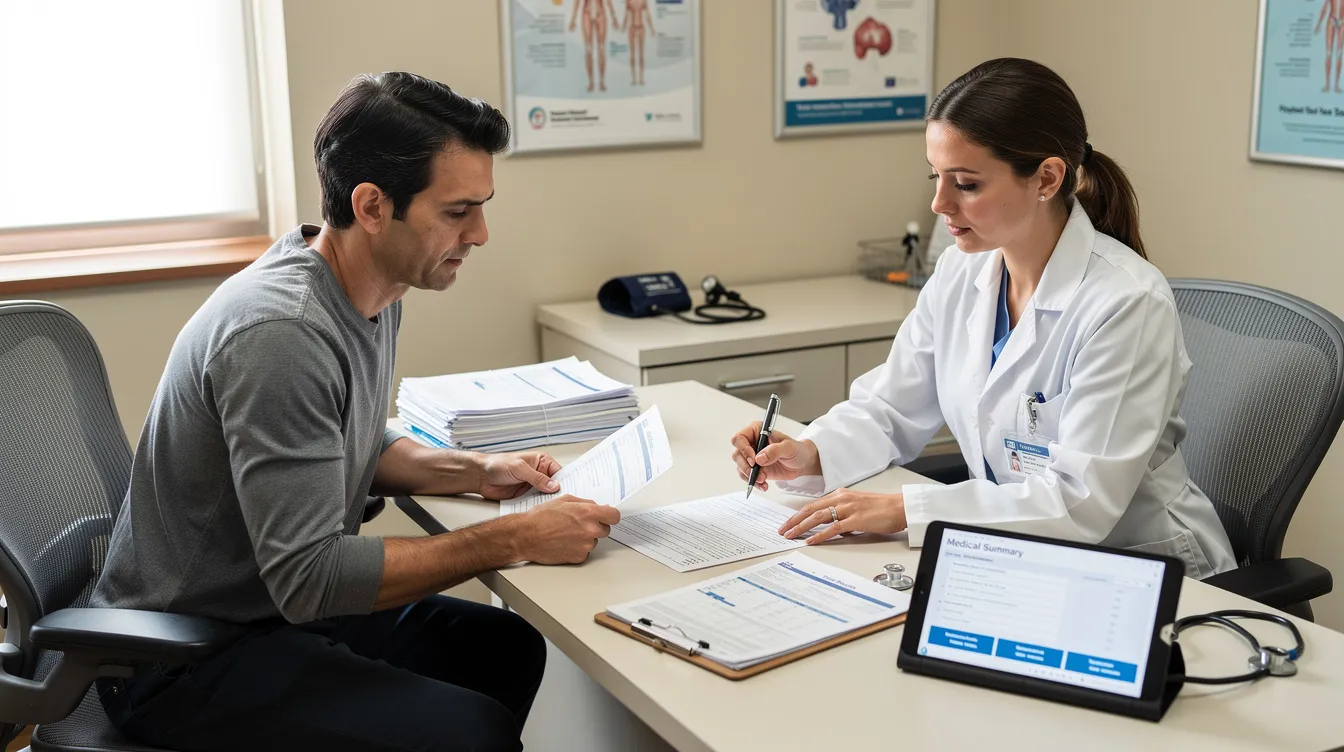
Clinical exam alone cannot reliably detect silent silicone rupture—imaging is necessary to assess implant integrity. The FDA recommends that patients with silicone breast implants receive their first screening MRI or ultrasound at 5 to 6 years after surgery, followed by repeat imaging every 2 to 3 years thereafter.
Saline implants generally don’t need routine imaging specifically for rupture detection, though mammography may still be used for breast cancer screening. Bring implant cards and operative reports to consultations so surgeons know the exact device type, implant size, and date of placement.
What Happens During Breast Implant Replacement or Removal?
Breast implant surgery for replacement (implant exchange) or removal (explantation) is tailored to your anatomy, symptoms, and goals. Some women choose replacement implants of the same size and type, others switch to different materials or sizes, and some decide to have breast implants removed entirely.
Typical recovery involves 1-2 weeks off sedentary work and 4-6 weeks before unrestricted exercise, depending on whether capsulectomy or a lift is added.
Breast Implant Replacement (Exchange)
A typical implant exchange involves:
Removal of existing implants
Evaluation of the capsule for scar tissue or pathology
Placement of replacement implants in the same or revised pocket
Surgeons may adjust breast position—switching from subglandular to submuscular placement, for example—to improve support and reduce future complications. Many patients combine replacement with a breast lift to address stretched skin or changes in nipple position after years of implant wear.
Breast Implant Removal (Explantation)
Simple explantation removes implants alone, while explantation with capsulectomy also removes the surrounding scar tissue. Patients choose implant removal for various reasons: discomfort, systemic symptom concerns, lifestyle changes, or preferring a smaller, more natural breast size.
Many women opt for a breast lift at the same time to reshape stretched breast tissue and improve contour after losing implant volume. Recovery and scarring vary based on the extent of surgery performed.
How To Maximize the Lifespan of Your Breast Implants
While no implant lasts forever, you can significantly extend implant life and maintain attractive breast shape with good habits and regular follow-up. Patients should not wait for symptoms to appear before scheduling imaging, as early detection through regular check-ups allows for planned, elective revision rather than urgent surgery.
Core strategies include:
Follow post-operative instructions closely
Attend scheduled checkups
Get recommended imaging
Maintain a stable weight
Protect the chest from trauma
Keep a personal record of your implant details, surgery dates, imaging reports, and any symptoms over time.
Monitoring, Imaging, and Regular Checkups
Early post-op visits transition into annual or biannual implant and breast health checks. For silicone implants, follow FDA guidance: first ultrasound or MRI at 5-6 years, then every 2-3 years, even without symptoms.
Mammography remains important for age-appropriate breast cancer screening. Inform the imaging center about your implants so special techniques (like Eklund views) can be used to image natural breast tissue effectively. Don’t skip imaging just because you feel fine—silent issues are easier to manage when detected early.
Lifestyle and Supportive Habits
Protect your investment with lifestyle choices:
Maintain stable body weight
Avoid smoking to protect skin elasticity
Wear supportive bras daily and sports bras during exercise
Perform monthly self-checks to notice new lumps, firmness, or asymmetry
Moderate extreme chest-focused workouts
Discuss implant-friendly exercise routines with your surgeon, especially if you’re highly active.
Breast Implants After 10, 20, and 30 Years: What To Expect
Needs and expectations evolve over decades, and implant management should evolve with them.
Implant Age | Key Considerations |
|---|---|
10 years | Increased monitoring; comprehensive imaging; review with surgeon |
20 years | Stronger discussion of potential revision; rupture risk 35-50% |
25-30+ years | Higher likelihood of recommending or implant replacement or removal |
Some patients retain their breast implants for 25 to 30 years without complications, but this is not the expected norm, as the likelihood of issues increases significantly with time. Women with very old implants (placed in the 1990s or early 2000s) should have thorough evaluation with imaging, even without symptoms—those devices weren’t built to current standards.
FAQs
Below are answers to common questions about breast implant longevity that weren’t fully covered above.
Does Insurance Cover Breast Implant Replacement or Removal?
Insurance often covers implant replacement when the original breast implant surgery was reconstructive after mastectomy, especially if there’s documented rupture or capsular contracture. Purely cosmetic breast augmentation patients usually pay out-of-pocket for revision unless there’s a clearly defined medical complication covered by their policy.
Most implant manufacturers offer limited warranties that replace the device—and sometimes contribute to surgical costs—in the event of rupture within specified timeframes. Review your insurance policy and implant warranty card, and discuss expected costs with your surgeon’s office before scheduling.
How Do Breast Implants Affect Mammograms and Breast Cancer Screening?
Women with breast implants should still follow standard age-based breast cancer screening recommendations. Mammography centers use special techniques, such as implant-displacement (Eklund) views, to push the implant back and image more natural breast tissue.
Implants can obscure a small portion of tissue, so radiologists may supplement mammograms with ultrasound or MRI when indicated. Always inform imaging staff about your implants beforehand so the correct protocol can be used safely.
What Happens If I Never Replace My Breast Implants?
Some women keep the same implants for 20-30 years without major issues, but cumulative rupture risk and capsule problems rise significantly over time. An undetected silicone rupture can sometimes lead to gel migrating into surrounding tissue, causing inflammation or lumps that complicate future plastic surgery.
Older implants weren’t built to current standards—very old devices may have higher failure rates and thinner shells than modern implants. The safest approach is maintaining regular clinical exams and imaging so problems can be addressed proactively.
Can I Safely Go Through Pregnancy and Breastfeeding With Older Implants?
Many women with breast implants have healthy pregnancies and breastfeed without complications, even when implants are more than 10 years old. Pregnancy and breastfeeding can change breast tissue and skin elasticity, potentially altering breast shape and implant position—sometimes prompting post-pregnancy revision.
Modern saline and cohesive silicone gel implants are designed so rupture doesn’t release liquid into milk ducts. Women planning pregnancy with older implants should have a pre-pregnancy consultation and imaging to understand current implant status and set expectations.
How Do I Decide Between Breast Implant Removal and Replacement?
The choice depends on several factors: satisfaction with breast size, quality of breast tissue, presence of symptoms, overall medical history, and long-term lifestyle goals.
Women who still want upper-pole fullness or similar breast size often choose replacement, possibly combined with a lift if tissue has stretched. Those who prefer a smaller, more natural breast, have systemic symptom concerns, or don’t want future implant maintenance may opt for breast implant removal with or without a lift.
Bring photos of desired outcomes and have an in-depth consultation with a board certified plastic surgeon to review pros, cons, scars, and recovery for each option.

-2.jpg?width=2000&height=2000&name=Copy%20of%20YouTube%20Thumbnail%20-%20Life-Changing%20Cosmetic%20Surgery!%20(Document)-2.jpg)


