Botox typically lasts between three to six months for most patients, with the sweet spot falling around 3 to 4 months under standard cosmetic dosing. But that range depends on several factors, including the treatment area, your metabolism, the dose used, and whether you're a first-time or repeat patient. Cosmetic and medical treatments also behave differently, with medical uses sometimes delivering longer-lasting results due to higher dosing protocols. Here's what you need to know to set realistic expectations.
Learn more: Botox & Fillers at Leva Medical
What Is Botulinum Toxin and Botox Treatment?
Botulinum toxin is a neurotoxin derived from the bacterium clostridium botulinum. In controlled medical doses, it temporarily blocks nerve impulses to muscles, preventing them from contracting. This is what smooths out dynamic wrinkles and treats certain medical conditions.
During a botox treatment, small amounts of the toxin are injected into specific muscles. The injection sites, depth, and number of units all influence how well the treatment works and how long it lasts.
Common botulinum toxin brands in the U.S. include:
Botox / Botox Cosmetic (onabotulinumtoxinA)
Dysport (abobotulinumtoxinA)
Xeomin (incobotulinumtoxinA)
Jeuveau (prabotulinumtoxinA-xvfs)
Daxxify (daxibotulinumtoxinA-lanm)
Types Of Botox Injections and Botox Treatments
Botox injections serve both cosmetic purposes and medical treatments, and the dosing between them differs significantly.
Cosmetic injection targets include forehead lines, frown lines (the "11s" between your brows), crow's feet, bunny lines, lip lines, chin dimpling, neck bands, and jawline slimming via the masseter muscle.
Medical indications include chronic migraine prophylaxis, excessive sweating (hyperhidrosis), overactive bladder, cervical dystonia, and spasticity disorders.
Dosing for botox cosmetic tends to use fewer units in smaller, more delicate facial muscles. Medical treatments often require larger total doses across multiple injection sites. For example, a standard glabellar cosmetic treatment uses around 20 units, while masseter injections for bruxism may require 40–80 units per side.
Typical Botox Duration: How Long Does Botox Last
So how long does botox last in practice? Botox effects typically last 3 to 4 months for most patients receiving standard cosmetic doses. Some patients may experience effects lasting up to 6 months, particularly in areas with less frequent muscle activity or when higher doses are used.
Initial botox effects are noticeable within three to five days after injection, with the toxin beginning to reduce muscle activity. Full effects of Botox can take up to 14 days, which is when your final results become visible.
Retreatment is commonly scheduled every 3 to 4 months. For medical conditions like chronic migraines, botulinum toxin injections follow a fixed 12-week cycle.
First-time Botox users often experience shorter-lasting results. This is normal. As treated muscles weaken with repeated sessions, duration tends to increase over time.

Botox Duration By Treatment Area
The treatment area affects how long botox lasts. Effects typically last shorter for areas with constant muscle movement, while larger or less active muscles hold results longer.
Treatment Area | Typical Duration |
|---|---|
Forehead lines | 3–4 months |
Glabellar (frown lines) | ~4 months (median ~120–131 days) |
Crow's feet | 2.5–4 months |
Jawline / Masseter | 4–6 months |
Neck / Platysmal bands | 3–4 months |
Crow's feet tend toward shorter duration because the muscles around the eyes are thin and heavily used during smiling and blinking. Masseter injections, by contrast, involve deeper placement in a large muscle with less expressive movement, which extends results.
What Influences How Long Botox Wears
Several factors determine how long does botox last on any individual patient.
Dose: Dosage and injection technique can influence the longevity of Botox effects. More units per targeted muscles generally prolong results, though over-dosing carries risks.
Metabolism: Fast metabolisms can lead to shorter-lasting Botox results. Individuals with a fast metabolism may require more frequent treatments.
Muscle strength and activity: Stronger facial muscles may require more frequent Botox treatments because they overpower the toxin sooner. High muscle activity in areas like the forehead accelerates wear-off.
Injection technique: Precise placement at proper neuromuscular junctions, correct dilution, and appropriate depth all affect how effectively the toxin blocks nerve signals to the targeted muscles.
Cumulative treatment history: Consistent treatments can lead to longer results as facial muscles weaken over time. First-time users almost always see a shorter duration compared to long-term patients.
Antibody resistance: In rare cases (~1–2% of aesthetic patients), neutralizing antibodies can develop, reducing effectiveness. This is more common in medical indications requiring high doses.
Botox Effects Timeline and What To Expect
Understanding the timeline helps you know what's normal and when to schedule your next visit.
Days 0–2: Minimal visible change. The toxin binds to nerve endings, blocking nerve impulses, but you won't see much difference yet. Stay upright for a few hours and avoid touching injection sites.
Days 3–5: Botox begins to take effect. You'll notice softening of facial wrinkles and reduced movement in treated areas.
Days 7–14: Full botox effects appear. Peak smoothing of facial lines and dynamic wrinkles. This is when you can judge your final results.
Months 2–3: Strong effect holds. Static lines may continue to improve as skin responds. Effects may wane around the 2.5-month mark for some individuals.
Months 3–4+: Muscles regain function gradually. Dynamic wrinkles reappear first during expression. This signals it's time for your second treatment.
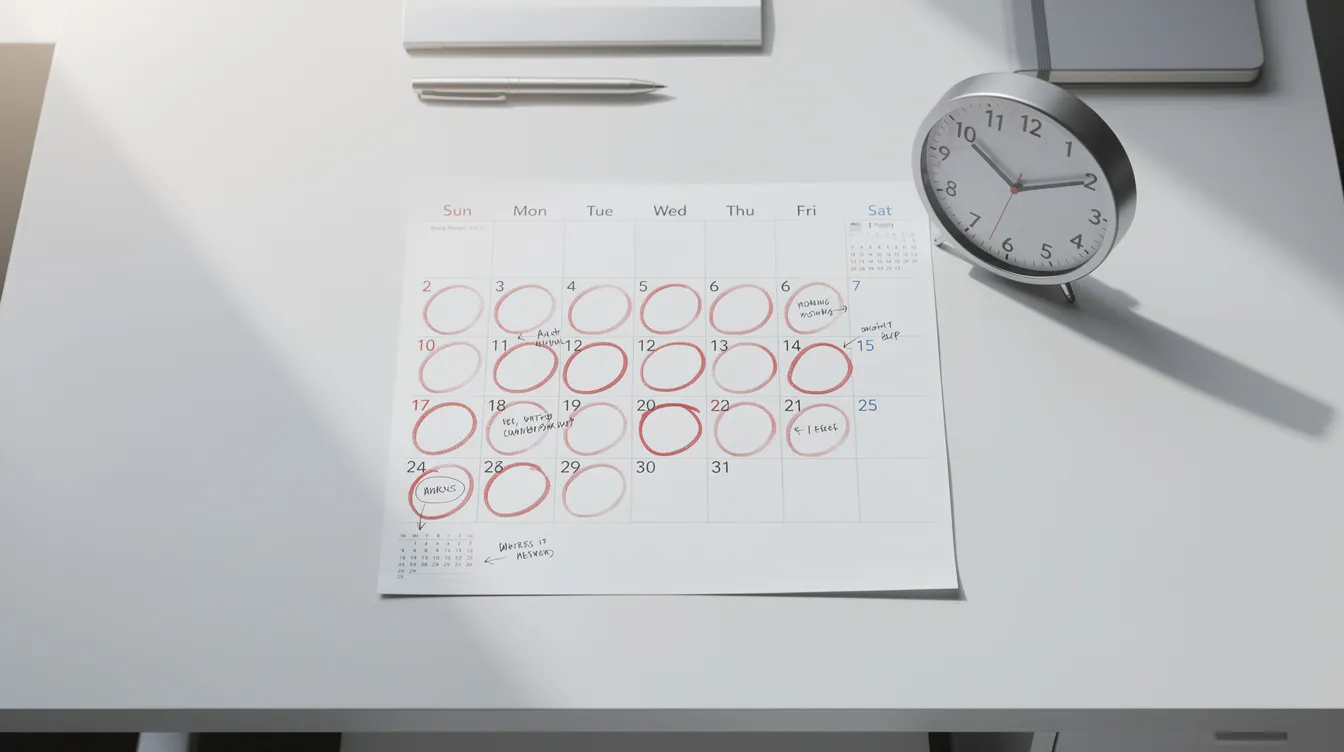
To track treatment effectiveness, take photos in both neutral and expressive states at consistent intervals. Note the unit count, date, and when you first notice movement returning.
Safety, Side Effects, and Health Conditions
Temporary side effects like minor bruising can occur after botox injections. Other common mild reactions include:
Localized pain, swelling, or redness at injection sites
Headache
Temporary eyelid or brow drooping if the toxin migrates to unintended muscles
You should disclose all relevant health conditions before treatment, including neuromuscular disorders, current medications that affect nerve signals (like aminoglycosides), pregnancy, breastfeeding, and any prior adverse reactions.
The FDA label carries a boxed warning about the rare risk of toxin spread, which can cause difficulty swallowing or breathing. This risk is extremely low with cosmetic dosing under proper supervision.
Always consult a qualified healthcare provider before starting any botox treatment.
Aftercare To Maximize How Long Botox Lasts
Good post treatment care instructions make a real difference in botox duration.
Avoid rubbing treated areas for at least 24 hours. Pressure can push the toxin into unintended muscles.
Skip strenuous exercise for 24 hours. Vigorous activity increases blood flow and may decrease effectiveness.
Avoid excessive heat exposure-saunas, hot tubs, and tanning beds-for 48 hours. Heat can degrade or disperse the toxin.
Follow your injector's guidance on sleeping position, facial expressions, and any medications to avoid.
Protect your skin health with broad spectrum sunscreen and a balanced diet rich in antioxidants to reduce wrinkles caused by UV damage and support skin elasticity. A balanced diet and consistent skincare routine support younger looking skin between treatments.
Managing Expectations: How Often To Get Botox Treatments
Typical maintenance scheduling runs every 3 to 4 months for standard cosmetic areas. For masseter or hyperhidrosis injections, intervals stretch to 4–6 months.
Treatment frequency can condition muscles to relax longer with time. Regular Botox users may see longer-lasting results over time as the injected muscles gradually atrophy and require less force to keep relaxed.
Some providers use micro-dosing strategies-smaller doses at slightly shorter intervals-to maintain optimal results without dramatic peaks and valleys. However, overly frequent dosing may increase the small risk of antibody formation.
If you have an event coming up, plan so peak effect aligns roughly 2 weeks post-injection. This way, desired effects are at their strongest, and you won't need to worry about the treatment wearing off during the event.
Comparing Botulinum Toxins: Botox vs Dysport and Others
Not all botulinum toxin injections perform the same way.
Brand | Typical Onset | Typical Duration |
|---|---|---|
Botox | 3–5 days | 3–4 months |
Dysport | 2–3 days | 3–4 months |
Xeomin | 3–5 days | 3–4 months |
Jeuveau | 3–5 days | 3–4 months |
Daxxify | 3–5 days | ~6 months (up to 9) |
Dysport may show a slightly faster onset in some patients. Daxxify stands out with a median duration of approximately 24 weeks in clinical trials, with some patients maintaining benefit for up to 9 months. It uses peptide stabilizers rather than albumin, which may explain the extended effects of botox in that formulation.
Dosing equivalencies vary between brands-units are not interchangeable one-to-one. Ask your healthcare provider which product suits your goals, treatment area, and budget.
Insurance, Costs, and Medical Coverage For Botox Treatments
Cosmetic botox is not covered by insurance. It's considered elective.
Medical uses-chronic migraines, excessive sweating, overactive bladder, spasticity-may be covered depending on your plan. Coverage typically requires documentation of medical necessity, diagnostic criteria, and sometimes prior treatment failures.
Verify benefits with your insurance provider before scheduling. Keep in mind that longer-lasting formulations like Daxxify may cost more per session but reduce the number of annual treatments, potentially affecting total yearly cost in the same way a different dosing schedule would.
FAQ And When To Talk To Your Healthcare Provider About Botox
Questions to ask before your first treatment:
How many units will you use, and why?
Which product is best for my treatment area?
How long initially should I expect results to last?
What medications or supplements should I avoid?
What does your doctor recommend for my skin type?
When to seek urgent care: Contact your provider immediately if you experience difficulty swallowing, breathing, or vision changes after injection. These are rare but serious signs of toxin spread.
Pregnancy and breastfeeding: Data are limited. Most guidelines recommend avoiding botox during pregnancy and nursing. Confirm with your healthcare provider.
Scheduling a consultation lets your provider assess muscle strength, skin elasticity, prior treatment history, and lifestyle to build a personalized plan that helps you maintain optimal results and reduce the appearance of wrinkles long-term.
Research And Future Directions On Botox Duration
Newer formulations like Daxxify represent a shift toward longer-lasting treatments. Clinical trials continue to monitor duration, safety, and how these products treat various areas beyond the glabella.
Research into antibody-related resistance remains active. While neutralizing antibody prevalence sits around 1–2% for aesthetic indications, it's higher in patients receiving large therapeutic doses. Purified neurotoxins with fewer non-toxin proteins may help reduce this risk.
Stay informed on clinical updates. The landscape of botulinum toxin treatments is evolving, and new evidence may change how providers approach dosing, intervals, and product selection to help you get optimal results.
Sources And Further Reading
FDA prescribing information for Botox (onabotulinumtoxinA) - accessible via the FDA drug label database
American Academy of Dermatology practice guidelines on neuromodulator use
Kane et al. (2012) meta-analysis of onabotulinumtoxinA duration for glabellar lines (median ~120 days), published in Dermatologic Surgery
SAKURA clinical trial data on daxibotulinumtoxinA-lanm duration outcomes
Frequently Asked Questions
How long does Botox typically last?
Botox typically lasts between three to six months for most patients, with results commonly lasting three to four months under standard cosmetic dosing. Duration varies based on treatment area, metabolism, dose used, and whether you are a first-time or repeat patient.
Why do some treatment areas last longer than others?
Duration depends on muscle activity and size. Areas with constant movement, like crow's feet, typically last two to four months. Larger muscles with less expressive movement, like the masseter, hold results four to six months longer.
Do first-time Botox users experience different duration than repeat patients?
Yes, first-time users typically experience shorter-lasting results. As treated muscles weaken with repeated sessions over time, the duration of effects tends to increase. This is considered normal.
What factors influence how long Botox lasts?
Several factors affect duration: metabolic rate, dose administered, muscle strength and activity level, injection technique precision, cumulative treatment history, and in rare cases, antibody resistance. Faster metabolism and higher muscle activity may shorten results.
When should I schedule my next Botox treatment?
Most patients schedule retreatment every three to four months. Effects typically begin to fade around the two to three month mark when muscles gradually regain function and dynamic wrinkles reappear during facial expressions.


-2.jpg?width=2000&height=2000&name=Copy%20of%20YouTube%20Thumbnail%20-%20Life-Changing%20Cosmetic%20Surgery!%20(Document)-2.jpg)


