Key Takeaways
Leva Medical offers customized hormone therapy in Queens, NY for women and men experiencing symptoms like hot flashes, fatigue, weight changes, and low libido.
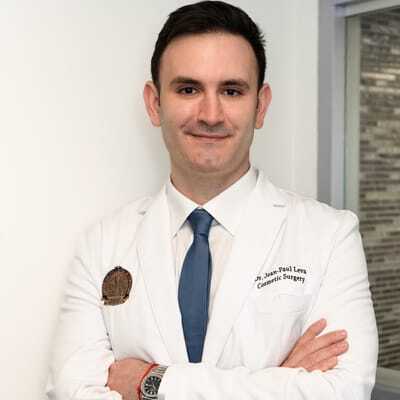
Care is led by Dr. Jacquelline Leva (DO, hormone therapy & wellness) together with Dr. Jean-Paul Leva (FACS, board-certified cosmetic surgeon) at Leva Medical’s Rego Park/Elmhurst area office (94-06 59th Ave, Suite E9, Queens, New York).
Treatment plans are based on detailed consultations, symptom review, and lab testing, rather than a one-size-fits-all protocol.
Both traditional and bioidentical hormone options may be discussed, depending on the patient’s specific needs, goals, and medical history.
Patients can schedule a consultation to find out if hormone therapy at Leva Medical is right for them.
Introduction: Hormone Therapy in Queens, NY
Hormone therapy involves using medications to supplement or balance hormones that naturally decline as you age. For many adults in Queens, NY, this treatment becomes a consideration during perimenopause, menopause, or andropause—the gradual testosterone decline that can affect men starting in their 30s and 40s. Research shows testosterone levels may drop about 1–1.6% per year after age 30, which means by your 50s or 60s, the effects can become impossible to ignore.
The everyday struggles may feel familiar: you disrupt sleep patterns tossing and turning through the night, experience brain fog on the subway to Manhattan, snap at coworkers over minor frustrations, notice your libido has gone quiet, or struggle with stubborn belly fat despite eating reasonably well. These aren’t just signs of aging—they may signal hormonal imbalances that respond well to treatment.
Leva Medical in Queens, New York serves as a local, specialized option for safe, medically supervised hormone therapy close to neighborhoods like Rego Park, Elmhurst, and Corona. The practice combines wellness, hormone optimization, and aesthetic expertise to support how patients feel and how they look.

What Is Hormone Therapy and Who Is It For?
Hormone therapy—sometimes called hormone replacement therapy or HRT—involves using medications to supplement or balance hormones such as estrogen, progesterone, and testosterone in the human body.
Key hormones typically discussed at Leva Medical include:
Estrogen and progesterone in women
Testosterone in both men and women
Thyroid hormones when metabolic concerns occur
Other hormones depending on individual symptoms
The target groups for hormone therapy span several life stages:
Group | Typical Age Range | Common Concerns |
|---|---|---|
Women in perimenopause/menopause | 40s–60s | Hot flashes, mood changes, sleep issues |
Men with declining testosterone | 40s–70s | Low energy, decreased libido, fatigue |
Younger patients | Varies | Documented hormonal imbalances |
Not everyone is a candidate for hormone therapy. Individual health history, risk factors, and personal goals are carefully reviewed before recommending any treatment. Leva Medical focuses on symptom relief and quality of life, while always weighing the potential risks and benefits of treatment for each person.
Signs You May Have a Hormone Imbalance
Hormonal imbalances are a common, often under-recognized reason patients in Queens, NY seek help at Leva Medical. Because hormone levels shift gradually, many people dismiss their symptoms as “just getting older” when treatment could restore their vitality.
Common symptoms in women:
Hot flashes and night sweats
Irregular or heavy periods during perimenopause
Vaginal dryness or discomfort during intimacy
Mood swings, anxiety, or irritability
Weight gain around the midsection
Lower levels of energy throughout the day
Common symptoms in men:
Decreased sex drive and sexual performance concerns
Erectile changes
Fatigue and difficulty maintaining energy levels
Weakened muscle mass
Difficulty losing weight despite exercise
Low mood or feeling “off”
Unisex symptoms that may indicate hormonal fluctuations:
Poor sleep quality
Brain fog and difficulty concentrating
Headaches
Hair thinning
Changes in skin texture
These symptoms can have many causes beyond hormones. The goal at Leva Medical is to investigate thoroughly—through conversation, examination, and lab work—rather than assume hormones are the only issue.

Types of Hormone Therapy Offered at Leva Medical
Leva Medical may discuss several evidence-based hormone therapy options and choose the most appropriate route with each patient. The individualized approach means your treatment is tailored to your body, not a generic protocol.
Common forms that may be used:
Oral tablets or capsules – Convenient but may carry slightly higher risk for certain conditions due to liver processing
Transdermal patches, creams, or gels – Applied to skin; research suggests lower risk for blood clots compared to oral routes
Vaginal preparations – For local menopause symptoms like dryness and discomfort
Injectable or pellets – Systemic options when other delivery methods aren’t suitable
Bioidentical hormone therapy uses hormones that are chemically identical to what your body naturally produces. BHRT offers options like bioidentical hormones in the form of creams, patches, or other preparations when appropriate. These are derived from plant sources and processed to match human hormones precisely.
The choice of route—oral vs. skin vs. local—depends on your age, symptoms, medical conditions, lifestyle, and preferences. Dr. Jacquelline Leva guides this decision based on her assessment and your overall health picture.
All therapies at Leva Medical are prescribed and monitored by licensed clinicians. You won’t be left to manage doses on your own or guess whether your treatment is working.
What to Expect at Your Hormone Therapy Visit in Queens, New York
Your first visit at Leva Medical is conversational and focused on understanding your story—not just your lab numbers. The doctors here take time to listen, which makes a real difference in how treatment plans come together.
The initial evaluation typically includes:
A detailed medical history, including menstrual or sexual health history
Review of current medications, supplements, and past diagnoses
Discussion of symptoms, goals, and concerns about hormone therapy
Physical examination when relevant
Lab work is straightforward. Blood tests are ordered to measure your hormone levels—estrogen, progesterone, testosterone, thyroid markers—along with other indicators depending on your symptoms. Results typically come back within a few days.
Once your results are ready, a follow-up visit (in-person at the Queens office or virtual when appropriate) is scheduled to review findings and outline a personalized plan. You’ll understand exactly what your numbers mean and what the recommended next steps are.
What ongoing treatment looks like:
Starting at a conservative dose
Regular check-ins every few months
Periodic blood tests to track progress
Symptom tracking to adjust therapy over time
This approach ensures you’re getting relief without unnecessary risks—a balance that’s central to good patient care.

Benefits and Risks of Hormone Therapy
Hormone therapy can significantly improve well being for the right patient, but it’s not low-risk or appropriate for everyone. Understanding both sides helps you make an informed decision.
Potential benefits patients may experience:
Reduction in hot flashes and night sweats
Improved sleep patterns and daytime energy
Enhanced mood, focus, and sense of overall health
Increased sexual desire and comfort during intimacy
Support for muscle mass and body composition when combined with healthy habits
Relief from vaginal dryness and discomfort
Reduced risk of osteoporosis when estrogen therapy is used appropriately
General risks discussed during consultations:
Breast tenderness or spotting
Fluid retention
Mood changes during adjustment periods
In some individuals, increased risk of blood clots or certain concerns depending on personal and family history
Research from the Women’s Health Initiative and subsequent studies has clarified that starting hormone therapy earlier—under age 60 or within 10 years of menopause—typically offers better benefits relative to risks. This timing factor is carefully considered at Leva Medical.
Contraindications like a history of certain cancers, uncontrolled blood pressure, or clotting disorders are reviewed before recommending any treatment. Ongoing monitoring, regular follow-up visits in Queens, NY, and open communication help minimize risks and catch issues early if they appear.
Why Choose Leva Medical for Hormone Therapy in Queens, NY?
Leva Medical is a neighborhood practice dedicated to combining wellness, hormone therapy, and aesthetic care under one roof in Queens, New York. This integrated approach means you can address multiple concerns—energy, confidence, and appearance—with a team that already knows your health history.
Location and convenience:
The office at 94-06 59th Ave, Suite E9 is easily accessible for patients from Rego Park, Elmhurst, Middle Village, Corona, and surrounding areas. No need to travel to Manhattan when expert care is available in your own community.
The dual-physician team:
Provider | Credentials | Focus Areas |
|---|---|---|
Dr. Jacquelline Leva, DO | Hormone therapy & wellness specialist | Whole-person care, hormone optimization, aesthetic wellness |
Dr. Jean-Paul Leva, FACS | Board-certified cosmetic surgeon | Surgical and non-surgical aesthetic procedures |
The approach here is personalized and unhurried. Your appointment involves time spent listening, reviewing lifestyle factors like sleep, stress, and nutrition—not just prescribing medications and moving on.
Beyond hormone therapy, Leva Medical can coordinate additional wellness and cosmetic services. Whether you’re interested in skin treatments, body contouring, or other aesthetic concerns, having everything in one trusted Queens practice simplifies your care.
Frequently Asked Questions
Some patients notice symptom relief—fewer hot flashes, better sleep—within a few weeks of starting treatment. More subtle improvements in improved mood, libido, or body composition may take 2–3 months to become noticeable.
Leva Medical typically reassesses symptoms and labs after the first several weeks to 3 months. This allows for fine-tuning dosing if needed. Every body responds differently, and gradual, monitored progress is preferred over rapid, aggressive changes. Patience during this adjustment period often leads to better long-term results.
A family history does not automatically rule out hormone therapy, but it does require a detailed risk-benefit discussion with Dr. Jacquelline Leva. Your clinician will review personal and family history, prior imaging, and lab work before recommending any treatment path.
In some cases, non-hormonal strategies or localized therapies (like vaginal estrogen for specific symptoms) may be considered instead of systemic hormone therapy. The key is having an honest conversation about your concerns so the provider can determine the safest approach.
Yes. Leva Medical evaluates and treats men with documented low testosterone or other hormone-related concerns. Typical symptoms that might prompt evaluation include low sex drive, fatigue, decreased strength, mood changes, and difficulty maintaining muscle mass.
Hormone therapy for men follows the same evidence-based process: blood tests to confirm lower levels, a full medical review, and ongoing follow-up appointments in the Queens office. Treatment options may include testosterone therapy via injection, gel, or other delivery methods depending on your preference and health profile.
Duration of treatment is individualized. Some patients use hormone therapy for several years to manage the most intense phase of menopause or andropause symptoms, then taper off. Others continue longer with regular reassessment based on how they feel.
At each follow-up visit, Leva Medical reviews whether the current dose is still needed, can be lowered, or if it’s appropriate to stop treatment entirely. These decisions are made collaboratively, based on your symptoms and overall health status over time—not according to a rigid schedule.
Getting started is simple. Call the Leva Medical office in Queens, NY or use the practice’s online form to request an initial consultation. The first visit includes a conversation about your symptoms, goals, and medical history, plus planning for any recommended lab work.
If you’ve been dealing with fatigue, mood swings, sleep problems, or any of the symptoms described in this article, taking action is the first step toward alleviate these concerns. Schedule your hormone therapy consultation at Leva Medical today and take the first step toward feeling more like yourself again.
-2.jpg?width=2000&height=2000&name=Copy%20of%20YouTube%20Thumbnail%20-%20Life-Changing%20Cosmetic%20Surgery!%20(Document)-2.jpg)


