For decades, many women have been confused or worried about hormone therapy. Early reports from a large study in the early 2000s, the Women’s Health Initiative (WHI), were widely misunderstood. A whole generation of women, and many of their doctors, came to fear a treatment that can relieve symptoms, protect long-term health and improve quality of life when it is prescribed for the right person. If you live in Queens and are dealing with perimenopause or menopause, this guide explains what hormone therapy is, who it may help and what to discuss at a consultation.
Key Takeaways
- The WHI study was widely misunderstood. Early headlines labeled hormone therapy (HT) as dangerous for everyone, which led many women to go without treatment.
- The benefits can be real. For many women, HT can help protect bones and may lower the risk of some health problems, such as colon cancer, fractures and diabetes.
- Menopause affects the whole body, not just hot flashes. It can touch bone and brain health, joints, libido and urinary function.
- Testosterone matters for women too. Women naturally make testosterone, and lower levels with age can affect energy, sexual health and urinary health.
- Vaginal estrogen is a well-studied local option. It can relieve dryness, support bladder health and help reduce recurrent urinary tract infections.
- Training in menopause care varies. That gap has fueled unregulated “hormone clinics,” but FDA-approved therapies exist.
- Menopause care affects families and long-term health. Support during this stage can improve quality of life for women and the people around them.
Bottom line: Hormone therapy, when prescribed responsibly and monitored, is an effective option for many women. Women deserve evidence-based choices and compassionate care.
The Problem: Misinterpreted Research
The Women’s Health Initiative was a major study published in the early 2000s. The way its early results were reported created a great deal of fear around hormone therapy. Many doctors stopped prescribing it, and many women stopped taking it, often while still struggling with hot flashes, poor sleep and other symptoms.
Later reviews of the data gave a more balanced picture:
- Hormone therapy may lower the risk of colon cancer, osteoporosis and diabetes for many women.
- Estrogen-only therapy did not show the same breast cancer signal that was seen with combined estrogen and progestin therapy.
- Combined estrogen and progestin therapy is linked to a small increase in breast cancer risk, which should be weighed against each woman’s symptoms and health history.
- For many healthy women who start treatment near the time of menopause, the benefits can outweigh the risks.
Because of the confusion that followed, many doctors in Queens and across the U.S. received little training in modern menopause care. As a result, women are sometimes told to simply “wait it out,” even when treatment could help.
How Hormone Therapy Can Help Queens Women
Women in Queens going through perimenopause and menopause can benefit from a personalized treatment plan based on their symptoms, age, health history and goals. Hormone therapy may:
- Reduce hot flashes, night sweats and brain fog
- Improve mood, sleep and energy
- Help protect bones and lower the risk of fractures
- Support heart and blood vessel health when started at the right time
- Improve sexual health and comfort
- Help prevent recurrent urinary tract infections
Some women may also be candidates for testosterone therapy for women, which can support libido, bladder health and overall well-being when used in carefully measured doses.
Hormone therapy is not right for everyone. A personal or family history of certain cancers, blood clots, stroke, heart disease or liver disease may change which options are appropriate. Possible side effects and risks, such as breast tenderness, irregular bleeding, blood clots and the small increase in breast cancer risk linked to combined therapy, should be reviewed with a doctor before starting treatment.
Vaginal Estrogen: An Underused Option
Local vaginal estrogen is a low-dose treatment applied directly to the vaginal tissues. It is generally affordable and can make a real difference in daily comfort. It helps with dryness, painful intercourse and urinary urgency, and it can help reduce recurrent urinary tract infections.
Because local estrogen acts mostly where it is applied, it is often an option even for women who prefer not to use whole-body hormone therapy. When more women have access to this simple treatment, fewer may face repeated infections, emergency visits or hospital stays linked to urinary problems.
What to Look For in Menopause Care
Many “hormone clinics” promote expensive, unproven treatments, such as custom-compounded pellets or hormone blends that have not been reviewed by the FDA. Women deserve evidence-based, FDA-approved care that is tailored to them and monitored over time.
Good menopause care usually includes:
- A full review of your symptoms, medical history and family history
- A clear explanation of the benefits and risks of each option
- A choice of forms, such as patches, gels, pills or local vaginal therapy
- Follow-up visits to check how you feel and adjust the plan
Women from Jackson Heights, Corona, Forest Hills, Astoria, Flushing and across Queens often search for this kind of care when their symptoms start to affect work, sleep and relationships.
Take Control of Your Health Today
Menopause isn’t just about hot flashes. It’s about protecting your bones, brain, heart and quality of life for years to come.
If you live in Queens, NY and are struggling with menopause symptoms, know that effective options exist. A hormone therapy consultation is the place to talk through your symptoms, review your health history and learn whether hormone therapy is right for you.
At Leva Medical, a hormone therapy consultation is $50.
Related Services
Frequently Asked Questions
What is hormone therapy (HRT)?
Hormone therapy (also called HRT or menopause hormone therapy) is a treatment that replaces hormones your body makes less of after menopause. It can include estrogen, progesterone and sometimes testosterone to restore balance and reduce symptoms.
Is hormone therapy safe?
For many healthy women, hormone therapy prescribed and monitored by a trained doctor is a reasonable and effective option. It may lower the risk of colon cancer, osteoporosis, fractures and diabetes. It also carries risks, such as blood clots and a small increase in breast cancer risk with combined therapy, so the decision should be based on your own health history.
Who should consider hormone therapy?
Women who experience hot flashes and night sweats, brain fog or poor sleep, vaginal dryness or painful intercourse, frequent urinary tract infections, low libido, or joint pain and bone loss may want to ask about it. If these symptoms interfere with your daily life, you may be a candidate.
What’s the difference between systemic and local hormones?
Systemic therapy (patches, gels, pills) helps with whole-body symptoms such as hot flashes, bone health, mood and energy. Local vaginal therapy (creams, rings, tablets or DHEA) works directly on the bladder and vaginal tissues to help reduce UTIs, dryness and pain.
Can women take testosterone?
Yes. Women naturally have testosterone, and levels decline with age. Low-dose testosterone, prescribed in carefully measured amounts, can improve libido, sexual function, urinary health and overall vitality for some women.
I’ve heard hormone therapy causes cancer. Is that true?
This is a common worry. Early reports from the WHI study were widely misunderstood. Estrogen-only therapy did not show the same breast cancer signal, while combined estrogen and progestin therapy is linked to a small increase in breast cancer risk. For many women, the benefits outweigh the risks, but this should be reviewed with a doctor.
How much does a hormone therapy consultation cost?
The cost of a consultation is listed in the section above on taking control of your health.
About Leva Medical
Leva Medical has offices in Queens (94-06 59th Ave, Suite E9, Elmhurst, NY 11373) and in Northport, Long Island (320 Laurel Rd, Northport, NY 11768).
Call (718) 699-9737 to book a consultation with our board-certified doctors.
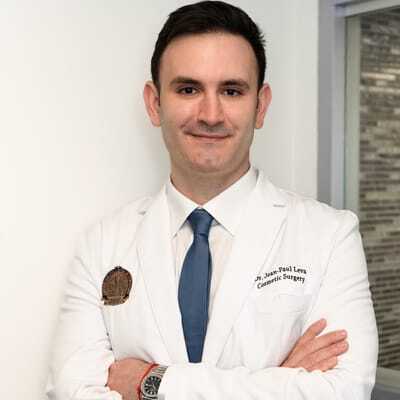
Dr. Jean-Paul Leva
Dr. Jean-Paul Leva, FACS is board certified in cosmetic and general surgery. Dr. Jean-Paul Leva, FACS obtained his Doctor of Osteopathic Medicine degree from ...