Walking into your first hormone therapy consultation can feel uncertain, especially when you don't know what the process involves. Whether you're dealing with menopausal symptoms, a hormonal imbalance, or exploring gender-affirming care, understanding each step removes the guesswork and helps you arrive prepared. This guide walks you through everything from pre-appointment prep to ongoing monitoring so you know exactly what to expect.

Understanding Hormone Therapy and Hormone Replacement Therapy
Hormone therapy is a medical treatment designed to supplement or replace hormones your body no longer produces in sufficient amounts. Hormone replacement therapy is the term most commonly associated with menopause care, while gender-affirming hormone therapy describes treatment that promotes physical changes aligned with an individual's gender identity. In both cases, the goal is to restore hormonal balance and alleviate symptoms that interfere with daily life.
Hormone therapy is commonly used to manage menopausal symptoms and for gender-affirming care, but it is not a one-size-fits-all treatment. Declining hormone levels don't automatically mean you need medication. Providers distinguish between symptom evaluation and automatic treatment-your current symptoms, overall health, and personal health goals drive the decision, not age or lab values alone.
Bioidentical hormone therapy uses hormones that are chemically identical to those your body produces. Bioidentical hormones are derived from natural plant sources and are available in both FDA-approved formulations and custom-compounded versions. It's worth noting that compounded bioidentical hormone preparations are not FDA-approved and may not be safer than approved alternatives, so discuss the differences with your provider before making assumptions about what's "natural" versus what's evidence-based.
Preparing for Your Initial Hormone Therapy Consultation
Patients should prepare a list of symptoms for their first consultation. Before your appointment, spend a few weeks tracking what you experience daily. Record hot flashes, night sweats, vaginal dryness, brain fog, mood swings, poor sleep, low libido, and weight gain-noting frequency, severity, and time of day.
A simple symptom journal works well. Write down:
Which symptoms occur and how often
Whether they disrupt sleep patterns or daily function
Any triggers you've noticed (stress, diet, activity level)
How symptoms affect your physical and mental health
Beyond symptom review, write out your treatment goals. Are you looking for symptom relief, improved sexual health, better mental clarity, weight management, or long-term bone protection? Having these priorities documented gives your provider a clear and accurate picture of what matters most to you.
Fasting may be required if your provider orders baseline metabolic labs such as a lipid panel or glucose test. Confirm with your clinic before the visit.
Medical History and Current Medications
A thorough medical history review is typically conducted during a hormone therapy consultation. Gather relevant medical records ahead of time-prior diagnoses of cardiovascular disease, breast cancer, blood clots, liver conditions, or any hormone-sensitive medical conditions are essential for your provider to review.
Document your allergies separately, including reactions to medications, hormones, or inactive ingredients. List current medications on their own page, covering prescriptions, over-the-counter drugs, and herbal supplements like black cohosh or phytoestrogens that could interact with hormone replacement.
Hormone therapy consultations often include a risk and benefit assessment based on individual health history, so being thorough with this information saves time and improves accuracy.
Reproductive History and Health Goals
Your reproductive history helps providers determine which treatment approach fits your situation. Share your menstrual history-when periods started becoming irregular, whether menopause occurred naturally or through surgery, and whether your uterus is intact (which determines whether a progestogen is needed alongside estrogen).
Fertility considerations matter as well. Fertility changes can occur with gender-affirming hormone therapy, so discuss family planning openly if it's relevant. Document any previous hormone treatments you've tried, including the type, delivery method, dose, and how your body responded. This helps your provider identify what worked, what didn't, and what personal treatment priorities should guide the personalized treatment plan moving forward.
What Happens During the First Hormone Therapy Consultation
Your first hormone therapy consultation typically begins with a conversation. Your provider will ask you to describe your symptoms in your own words-how they started, how they've progressed, and how they affect your quality of life. Expect questions about mood changes, sexual function, sleep quality, energy levels, and body composition changes.
The initial consultation establishes a partnership between patient and physician. Providers assess symptom severity using structured questions or validated scales, and they'll also ask about lifestyle factors: diet, exercise habits, smoking, alcohol use, stress management practices, and balanced nutrition.
Don't hold back on sensitive concerns. Topics like low libido, vaginal dryness, mood swings, or body image changes are a routine part of this conversation. A physical exam may include vital signs, BMI, and-depending on context-a breast or pelvic exam, which is a straightforward in office procedure.
Informed consent is essential in hormone therapy consultations to ensure patients are aware of risks and benefits before any treatment begins.

Hormone Testing and Lab Testing
Comprehensive hormone testing is ordered after the initial consultation. Hormone testing measures key hormones like estrogen and testosterone, and may also include FSH, progesterone, SHBG, and thyroid markers depending on your symptoms. Comprehensive hormone testing is essential for effective treatment planning because it identifies where your hormone levels stand relative to where they should be.
Lab tests confirm hormonal deficiencies and establish treatment baselines. A typical hormone evaluation may also include:
Lipid panel and glucose/A1c
Liver and kidney function tests
Complete blood count
Testosterone levels (particularly relevant for gender-affirming care or sexual interest concerns)
Providers may test for alternative causes of your symptoms-thyroid dysfunction, anemia, or depression can mimic hormonal imbalance. Not every patient needs every test. Your provider interprets lab results alongside your current symptoms, age, and health history rather than relying on numbers alone. Treatment plans are tailored based on individual lab results and symptoms.
Reviewing Treatment Options and Hormone Replacement
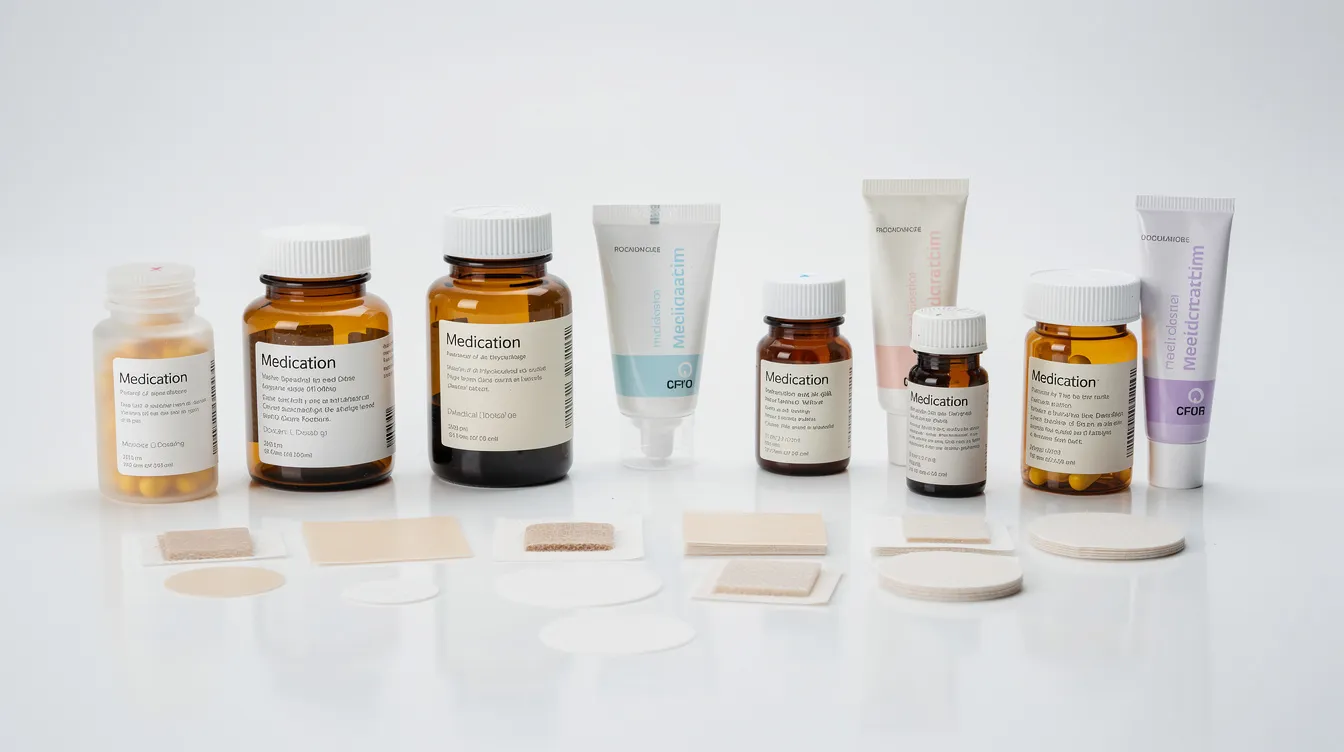
Once your provider has a complete picture-symptoms, medical history, and lab results-they'll walk you through treatment options. Common delivery methods for hormone therapy include pills, patches, gels, and injections. Additional treatment options include pellets, creams, or injections, and the right choice depends on your lifestyle, risk profile, and preferences.
Delivery Method | Key Consideration |
|---|---|
Oral pills | Convenient but higher hepatic first-pass effect |
Transdermal patches/gels | Lower clotting risk, bypasses liver |
Injections | Consistent dosing, requires office or self-administration |
Pellets | Long-acting, implanted subcutaneously |
Vaginal creams/rings | Targeted local relief for genitourinary symptoms |
Hormone therapy can relieve menopause symptoms like hot flashes, and it can also improve sleep disturbances, mood changes, and vaginal dryness. Many patients notice symptoms improve within a few weeks for vasomotor complaints, though full effects on mood, sexual health, and genitourinary symptoms can take three to six months.
Your provider will also discuss situations where treatment may not be appropriate-undiagnosed vaginal bleeding, active liver disease, or a history of estrogen-sensitive cancers, for example. Some patients may explore peptide therapy or non-hormonal alternatives if hormone therapy isn't suitable. The distinction between synthetic hormones and FDA-approved bioidentical options will also be covered so you can make an informed choice.
Benefits, Risks, and Informed Decisions
Setting realistic treatment expectations matters. Hormone therapy can deliver significant relief from menopausal symptoms, support cardiovascular health in appropriately timed patients, and help maintain muscle mass and healthy body composition. Hormone therapy helps prevent bone density loss and lowers the risk of osteoporosis-related fractures-a meaningful benefit for long-term optimal health.
However, risks of hormone therapy include potential increased risk of blood clots, stroke, and certain cancers, particularly with combined estrogen-progestin regimens or oral delivery routes. Common side effects of hormone therapy include breast tenderness, acne, and mood changes, especially during the first few weeks as the body adjusts.
Contraindications include uncontrolled hypertension, severely elevated triglycerides, current pregnancy, and a history of cardiovascular disease or thromboembolism. Your provider should discuss these openly.
Ask about alternatives. Non-hormonal medications, lifestyle modifications, and behavioral approaches can also alleviate symptoms for patients who cannot begin therapy with hormones. This is your health-ask every question you need answered.
Follow-Up Appointments and Ongoing Monitoring
Follow up appointments serve a critical purpose: confirming that your treatment is working and that it remains safe. Periodic follow-up visits are essential for monitoring therapy effectiveness, and most providers schedule the first check-in within three months of when treatment begins.
Follow-up labs are typically done every 8–12 weeks initially to evaluate how your hormone levels are responding. Follow-up consultations review lab results and personalize treatment plans based on your progress. A blood draw at each visit checks relevant markers-hormone levels, lipid panels, liver enzymes, and other indicators depending on your regimen.
Monitoring ensures hormone levels remain within a safe and effective range. Adjustments to therapy may be made based on follow-up evaluations, and monitoring hormone levels and adjusting dosages may be necessary during hormone therapy treatment. Ongoing monitoring includes periodic follow-up visits and blood testing on a continuing basis.
Once stable, patients often return for follow-up appointments once or twice annually. Contact your provider sooner if you experience unexpected vaginal bleeding, persistent breast changes, severe headaches, or signs of a clotting event.
Starting Treatment and Tracking Progress
When your prescription is ready, your provider will explain dosing instructions, timing, and what to expect during the first few weeks. The general principle is to start at the lowest effective dose and adjust upward only as needed.
Maintain a symptom journal after treatment begins. Track:
Hot flashes and night sweats (frequency, intensity)
Sleep quality and mood
Sexual function and vaginal comfort
Side effects like bloating, nausea, or spotting
Energy, mental health, and mental clarity
Understand that your body adjusts gradually. Hot flashes may decrease within a few weeks, but improvements in mood, sleep, and hormonal health often unfold over months. Many patients experience meaningful change by the three-month mark, but hormone production doesn't normalize overnight.
Adherence to your personalized plan and monitoring schedule is essential for both safety and effectiveness. Skipping doses or appointments can compromise your results.
Questions to Ask Before Choosing Hormone Therapy
Your therapy consultation is the right time to advocate for yourself. Consider asking:
Given my medical history and hormone balance, what specific risks should I be aware of?
Are you recommending FDA-approved bioidentical hormones or compounded formulations, and why?
Which delivery methods make the most sense for my health goals and lifestyle?
How often will lab testing and follow-up visits occur?
What does ongoing monitoring look like after the first year?
How long should I expect to stay on hormone therapy, and how would a taper or stop work?
What non-hormonal options exist if this treatment isn't right for me?
These questions help you make a fully informed decision about whether hormone therapy supports your path toward optimal health or whether an alternative approach may help you function optimally.
Next Steps After Your Consultation
After your initial hormone therapy consultation, you'll typically receive lab orders for a blood draw and any additional testing. Your provider will explain how and when you'll receive your lab results-often within a few days-and what those results mean for your personalized treatment plan.
The treatment decision process is collaborative. Sometimes therapy starts immediately; other times, providers wait for lab results or recommend trying lifestyle interventions first. Either way, you'll leave with a clear understanding of next steps.
At Leva Medical, a hormone therapy consultation is $50.
Your initial consultation is the starting point, not the finish line. Schedule your follow-up appointments before leaving the office, commit to tracking your progress, and stay engaged with your provider throughout treatment. Whether you're seeking relief from menopausal symptoms, working to restore hormonal balance, or pursuing gender-affirming care, the consultation process is designed to build a treatment plan that fits your life and your health-not someone else's.
Frequently Asked Questions
What should I bring to my first hormone therapy consultation?
Bring a symptom journal noting which symptoms occur, how often, and how they affect daily life, along with your written treatment goals. Also bring relevant medical records, a list of current medications and supplements, documented allergies, and details of your reproductive and previous hormone treatment history.
What happens during the first hormone therapy consultation?
Your provider will ask you to describe your symptoms, how they began, and how they affect your quality of life, along with questions about sleep, mood, sexual function, and lifestyle. A physical exam may include vital signs and BMI, and a breast or pelvic exam may be performed depending on context.
Does declining hormone levels mean I automatically need hormone therapy?
Not necessarily. Providers decide whether treatment is appropriate based on your current symptoms, overall health, and personal goals rather than age or lab values alone. Treatment is a decision made together with your provider after a risk and benefit assessment.
Is bioidentical hormone therapy safer than other options?
Compounded bioidentical hormone preparations are not FDA-approved and may not be safer than approved alternatives. Discuss the differences between FDA-approved and compounded options with your provider before assuming one is more natural or evidence-based.
Do I need to fast before my consultation or lab tests?
Fasting may be required if your provider orders baseline metabolic labs such as a lipid panel or glucose test. Confirm this with your clinic before your visit, since requirements vary by test and provider.
About Leva Medical
Leva Medical has offices in Queens (94-06 59th Ave, Suite E9, Elmhurst, NY 11373) and in Northport, Long Island (320 Laurel Rd, Northport, NY 11768).
Call (718) 699-9737 to book a consultation with our board-certified doctors.
Learn more: Women's Hormone Therapy at Leva Medical