High definition liposuction represents an advanced body contouring technique designed to sculpt athletic, muscle-defined physiques rather than simply removing bulk. Unlike traditional liposuction techniques that focus on slimming, this surgical procedure creates visible lines, shadows, and three-dimensional contours that mimic natural musculature. Modern high definition lipo emerged in the early 2000s, with pioneering contributions from Dr. Alfredo Hoyos in Colombia, and has since been refined through technologies like VASER and radiofrequency skin tightening.
This article will answer your main questions: what HD lipo is, who makes an ideal candidate, how the procedure works, expected recovery timelines, and how it compares to traditional liposuction. If you exercise regularly but struggle to reveal defined muscles despite your efforts, you’ll learn whether this cosmetic procedure might bridge that gap.
What Is High Definition Liposuction?
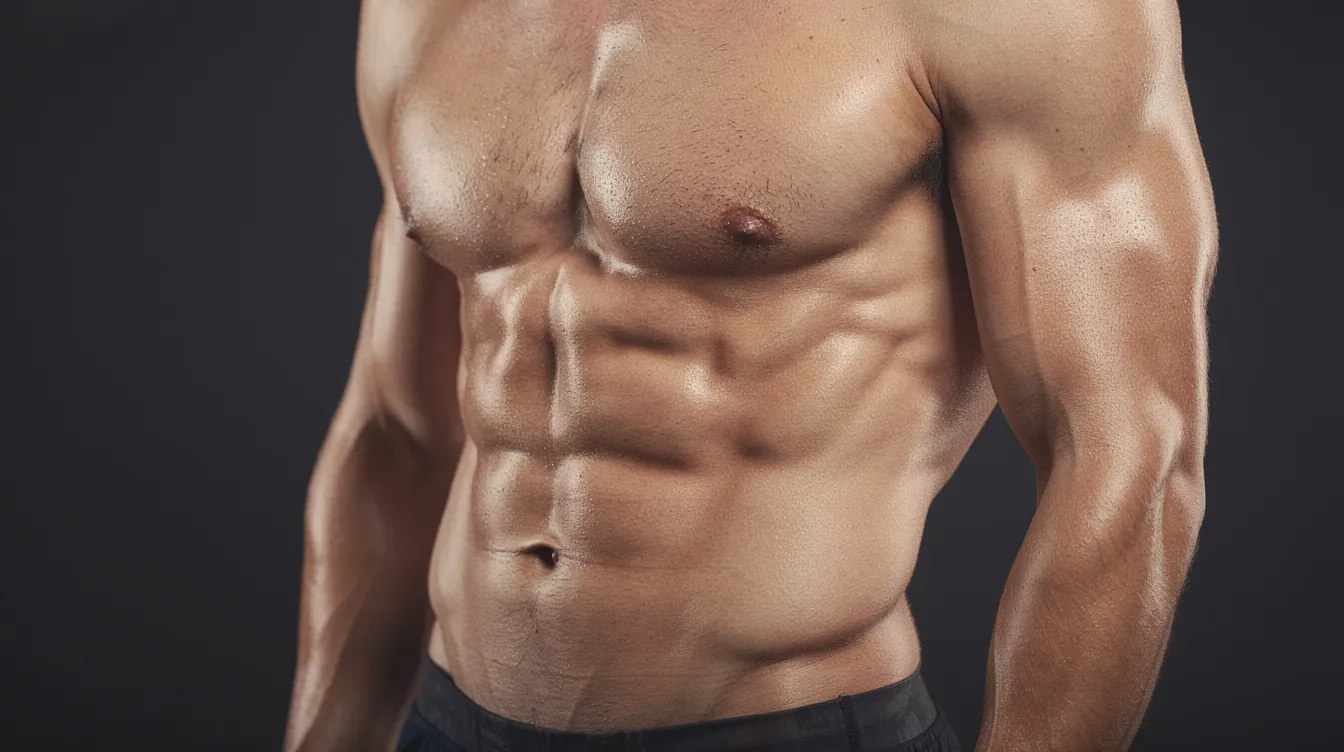
High definition liposuction is a technique where a surgeon strategically removes fat in harmony with underlying muscles to enhance six-pack lines, waist taper, and other muscle contours. The goal is to highlight natural contours that already exist beneath resistant subcutaneous fat, creating an athletic appearance that reflects your anatomy.
Unlike conventional liposuction aimed at general slimming, HD liposuction purposefully leaves some fat in “highlight” zones while removing more from “shadow” or “negative” spaces. This differential fat removal process creates three-dimensional muscular definition—think of how lighting defines a sculpture versus a flat surface.
Common treatment areas include:
Abdomen and flanks – revealing abdominal muscles and waist tapering
Male chest – defining pectoral borders and reducing gynecomastia
Back – creating V-tapered torsos through latissimus dorsi definition
Upper arms – enhancing tricep and bicep separation
Thighs – improving leg muscle bulk visibility
Buttocks and hips – sculpting curves and addressing hip dips
The high definition liposuction procedure relies heavily on ultrasound assisted liposuction, most commonly VASER technology. Ultrasound energy emulsifies fat cells while sparing nerves, blood vessels, and surrounding tissues—a gentler approach that allows more detailed sculpting of fibrous tissue layers close to the skin.
HD lipo can also be combined with fat grafting, where purified fat is injected into targeted areas like the chest, buttocks, or deltoids to accentuate certain muscle groups or curves. Results range from sharply athletic “shredded” looks to subtly defined, more natural appearances, depending on patient preference and anatomy.
How High Definition Liposuction Differs from Traditional Liposuction
Traditional liposuction focuses on volume reduction—removing localized fat deposits to create a slimmer silhouette. High definition body contouring takes a fundamentally different approach, using muscle anatomy and light-shadow patterns as the surgical blueprint rather than simply extracting unwanted fat.
Aspect | Traditional Liposuction | High Definition Liposuction |
|---|---|---|
Primary goal | Fat reduction, slimming | Muscle definition, athletic proportions |
Fat targeting | Deep fat layer only | Both deep and superficial layers |
Pre-op marking | Basic treatment zones | Detailed muscle anatomy mapping |
Technology | Mechanical or laser-assisted | Ultrasound (VASER) often with RF skin tightening |
Aspirate volume | Often 5-10L for major debulking | Typically 1-5L with precision sculpting |
Ideal patient | Needs general fat removal | Near goal weight, wants definition |
HD lipo requires a more detailed pre-operative marking process. While the patient stands, the surgeon draws the rectus muscle borders, linea alba, obliques, iliac crest lines, pectorals, and other key muscle groups. This roadmap guides where to remove fat aggressively versus where to preserve fat for natural highlights.
Unlike traditional liposuction, which uses larger cannulas primarily for deep fat extraction, hi def liposuction employs ultrasound technology and smaller instruments to address superficial fat layers critical for etching visible definition.
Real-world example: Consider a gym-goer with 18% body fat who exercises five days a week but cannot reveal visible abs despite a strict healthy diet. This person might benefit from HD lipo to remove the stubborn fat layer masking their abdominal definition. In contrast, someone seeking to lose weight and reduce general midsection fullness would be better suited for traditional liposuction or weight loss strategies first.
Both liposuction procedures carry similar categories of risks, but swelling patterns differ with HD lipo because more superficial fat is addressed, requiring meticulous post-op care and compression to maintain sharp contours.
Technology Used in High Definition Liposuction
Modern high definition liposuction relies on a combination of technologies selected to match the patient’s fat quality and skin elasticity. The surgeon chooses equipment based on treatment areas, skin laxity, and the degree of definition desired.
Ultrasound-Assisted Liposuction (VASER)
VASER liposuction uses sound waves delivered through a specialized probe to emulsify fat cells before removal. The ultrasound energy selectively disrupts fat cell membranes while preserving 80-90% more nerves, blood vessels, collagen fibers, and lymphatic tissues compared to mechanical disruption.
This preservation of surrounding tissues allows surgeons to work more safely in superficial layers—exactly where def liposuction creates its defining lines and shadows. The liquefied fat is then removed through small cannulas, often using power-assisted or manual techniques for maximum precision.
Skin Tightening Technologies
Energy-based skin tightening systems like radiofrequency devices or helium-plasma platforms, introduced in the mid-2010s, can be used subdermally to stimulate collagen production. This promotes skin “shrink-wrapping” over newly sculpted contours—particularly valuable for patients over 40 or those with mild loose skin.
Not every patient needs every device. A younger patient with excellent skin elasticity might achieve optimal results with VASER alone, while someone with moderate laxity could benefit from adding radiofrequency for enhanced skin tightening.
Minimizing Scarring
These tools work through strategically placed incisions of just 3-6mm—often hidden in natural creases or the navel. The combination of small access points and advanced fat extraction technology enables comprehensive three-dimensional contouring with minimal visible scarring.
Who Is a Good Candidate for High Definition Liposuction?
The best candidates for high definition lipo are generally healthy adults close to their ideal body weight who want more muscle definition rather than significant fat reduction. This advanced body contouring technique works best when the underlying muscles are already developed but hidden beneath a layer of excess fat.
Ideal Candidate Characteristics
BMI under 30, with most dramatic results seen in patients within 10-15 pounds of their target weight
Stable weight for at least 3-6 months before surgery
Good skin elasticity (assessed during consultation via pinch test)
Non-smokers or willing to quit 4-6 weeks before and after surgery
No uncontrolled medical conditions such as poorly managed diabetes or heart disease
Realistic expectations about outcomes and maintenance requirements
Common Goals by Gender
Men typically seek:
Enhanced six-pack and abdominal definition
V-tapered torso through back and flank sculpting
Defined pectoral borders
Arm definition
Women often desire:
Cinched waistline and subtle abdominal lines
Smooth transition between waist, hips, and buttocks
Defined upper arms
More sculpted curves overall
Who Is NOT a Good Candidate
High definition body contouring is not appropriate for:
Patients seeking a solution for obesity—this is not a weight loss procedure
Individuals with significant loose skin requiring excisional surgery (tummy tuck or body lift)
Those unable or unwilling to maintain a healthy lifestyle after surgery
Patients with unrealistic expectations about definition without exercise
A personalized consultation including full medical review is essential to assess candidacy. During this evaluation, the surgeon will discuss alternatives such as traditional lipo for those needing more fat removal or excisional procedures for significant skin laxity.
High Definition Liposuction Procedure Step-by-Step
The HD lipo procedure is typically performed in an accredited surgical facility under general anesthesia or IV sedation with local anesthesia. Duration ranges from 2-5 hours depending on how many areas are treated—a focused abdomen and flanks case might take 2 hours, while comprehensive torso sculpting could require 4-5 hours.
Pre-Operative Markings
While you stand, the surgeon maps key muscle groups directly on your skin:
Rectus abdominis “squares” and borders
Linea alba (central abdominal line)
Oblique muscle courses
Iliac crest lines
Pectoral borders (in men) or breast boundaries (in women)
Back muscles including latissimus dorsi
This detailed blueprint identifies areas of unwanted fat cells to remove and zones where some fat should remain for natural-looking highlights.
Anesthesia and Infiltration
Tumescent solution—containing saline, local anesthetic (lidocaine), and epinephrine—is infused into treatment areas. This accomplishes several goals:
Reduces blood flow to minimize bleeding (often less than 1% of aspirate)
Provides additional anesthesia
Helps separate fat from other tissues through hydrodissection
Expands tissues for easier, more precise fat extraction
Fat Emulsification
The VASER probe, inserted through tiny 3-6mm incisions, delivers ultrasound energy in 1-3 passes per zone at carefully calibrated power settings. This emulsifies fat in both deep and superficial layers while preserving critical structures, causing less trauma to the treatment area.
Fat Aspiration and Sculpting
Through small cannulas, the surgeon first removes deeper fat to shape the overall silhouette, then refines the superficial layer along marked muscle borders. This layered approach creates the lines and depressions that mimic toned appearance and natural musculature.
Fat Grafting (Optional)
In many cases, a portion of the purified fat (typically 10-20% of aspirate, processed via centrifugation) is injected into targeted areas:
Male chest for enhanced pectoral fullness
Gluteal upper poles for lifted appearance
Deltoids for shoulder definition
Hip dips for smoother curves
Closure and Dressings
Incisions are left very small—often just a few millimeters—sometimes with tiny sutures or left slightly open to allow drainage of residual tumescent fluid. Compression garments and foam bolsters are applied before leaving the operating room to support proper healing and maintain contour precision.

Recovery After High Definition Liposuction
Recovery from the high definition liposuction procedure is typically faster than major surgeries but more involved than non-invasive treatments. Most patients return to desk work within 5-14 days, depending on how extensive their treatment was.
Early Recovery (Days 1-14)
Expect swelling, bruising, tightness, and numbness, most noticeable during the first 1-2 weeks. These symptoms gradually improve, with swelling peaking around days 3-7.
Immediate post-op requirements:
Light walking within 24 hours to promote blood flow and reduce DVT risk
Prescribed pain medication as needed
Incision care as directed
Adequate hydration and rest for wound healing
Compression Protocol
Proper compression is critical for the recovery process and final results:
Timeframe | Compression Requirement |
|---|---|
Weeks 1-4 | Wear compression garments 23-24 hours/day |
Weeks 4-8 | Reduce to 12 hours/day |
Weeks 8+ | As needed, especially during exercise |
Foam padding may be used beneath garments to maintain smooth contours over sculpted areas, particularly in the first several weeks.
Manual Lymphatic Drainage
Most surgeons recommend manual lymphatic drainage (MLD) starting within the first week—typically 2-3 sessions per week initially. This specialized massage technique:
Reduces swelling by 30-50%
Prevents hardness or fibrosis
Promotes proper healing of contours
Helps refine final results
Activity Timeline
Activity | Typical Timeframe |
|---|---|
Light walking | Day 1 |
Return to desk work | 5-10 days (limited areas) to 2 weeks (extensive) |
Light cardio | 3-4 weeks |
Core exercises | 4-6 weeks |
Intense strength training | 6-8 weeks |
When Definition Appears
Visible improvement emerges within a few weeks as initial swelling subsides. However, tissue remodeling means the most refined muscular definition typically appears between 3 and 6 months (roughly 80% by month 3), with subtle changes continuing up to 9-12 months as any fibrosis resolves completely.
Adherence to post-op instructions—including garment wear, incision care, and follow-up visits—is critical for maintaining sharp definition and avoiding contour irregularities.
Results, Longevity, and Lifestyle After HD Lipo
High definition liposuction offers permanent removal of treated fat cells. Unlike dieting, which only shrinks fat cells, the fat extraction process eliminates cells entirely—they do not regenerate. This means sculpted areas remain defined long-term, provided you maintain relatively stable weight and a healthy lifestyle.
What Happens with Weight Changes
Remaining fat cells can still enlarge with significant weight gain. If you gain more than 10-15 pounds, you may notice:
Softening of abdominal definition
Blurring of etched muscle lines
Less visible waist tapering
However, even with moderate weight gain, most patients retain better proportions than their pre-surgery baseline. The underlying contouring framework remains, just with less dramatic definition.
Example scenario: A patient who gains 15 pounds after HD lipo might notice their six-pack appears more like a “four-pack,” with softer lines, but their overall waist-to-hip ratio and V-taper typically remain improved compared to before surgery.
Final Results Timeline
Evaluate your final results between 6-12 months post-surgery, once all swelling has resolved and skin has fully contracted around new contours. Patience during this period prevents unnecessary concern about temporary asymmetries or residual swelling.
Protecting Your Investment
To maintain optimal results:
Nutrition: Follow a balanced healthy diet to avoid major weight fluctuation
Exercise: Consistent strength training, particularly core work, enhances and maintains definition
Hydration and sleep: Support ongoing tissue health
Weight monitoring: Stay within 5-10% of your post-surgery weight
Sun protection: Apply sunscreen to healing incision sites for the first year
Scar care: Follow surgeon recommendations; incisions typically fade to barely visible 1-2mm marks

Risks, Safety Considerations, and How to Choose a Surgeon
High definition liposuction is a surgical procedure with real risks, though serious complications are uncommon when performed by qualified surgeons in accredited facilities. Understanding potential issues helps you make informed decisions and recognize warning signs during recovery.
Common Temporary Side Effects
Most patients experience:
Bruising (resolving in 2-4 weeks)
Swelling (4-6 weeks, sometimes longer)
Numbness (3-12 months as nerves regenerate)
Tightness and discomfort
Temporary contour irregularities during healing
Less Common but Significant Risks
Risk | Approximate Incidence |
|---|---|
Infection | 0.5-1% |
Seroma (fluid collection) | 1-3% |
Contour asymmetry or rippling | 2-5% |
Thermal burns from energy devices | <1% |
DVT (blood clot) | 0.1% |
Overall major complication rate is approximately 1-2% according to plastic surgery safety data.
Choosing the Right Surgeon
Your surgeon choice dramatically impacts outcomes. Look for:
Board certified plastic surgeon (ABPS or equivalent in your country)
Documented experience with high definition or “4D” liposuction (100+ cases)
Before-and-after photos showing bodies and goals similar to yours
Accredited surgical facility meeting safety standards
Clear communication about realistic expectations
Questions for Your Consultation
During your consultation, ask:
What technology do you use for HD lipo (VASER, RF, combination)?
Where will my procedure be performed, and is the facility accredited?
How many HD liposuction procedures have you performed?
What does recovery look like for my specific treatment plan?
How do you handle complications if they occur?
Can I see photos of patients with similar anatomy and goals?
Disclose your complete medical history, all medications (including supplements), and follow pre-operative instructions precisely—including stopping smoking and certain blood-thinning medications—to minimize risks and promote proper healing.
Costs and Planning Your High Definition Liposuction Consultation
HD lipo is a customized procedure, and total cost varies significantly based on geographic region, surgeon experience, number of areas treated, and whether additional procedures like fat grafting or skin tightening are included.
General Pricing Guidance
In major U.S. cities during the mid-2020s, high definition liposuction pricing commonly ranges from approximately $8,000 for focused areas (like abs and flanks alone) to $20,000-$25,000+ for comprehensive torso sculpting with multiple treatment zones. Only a personalized consultation provides an accurate quote for your specific goals.
What’s Typically Included
Most quotes encompass:
Surgeon’s fee
Anesthesia costs
Facility fees
Compression garments
Early follow-up visits
Post-operative support
Always confirm exactly what your written estimate includes and what might be additional (such as MLD sessions, extra garments, or revision procedures).
Preparing for Your Consultation
To maximize your consultation:
Define your goals – Know what areas bother you most and what outcomes you want (six-pack, waistline refinement, back sculpting)
Bring reference photos – Realistic examples of desired outcomes help communicate expectations
Prepare your medical summary – List current medications, supplements, past surgeries, and health conditions
Write down questions – Address technology used, recovery details, cost breakdown, and surgeon experience
Evaluate the surgeon, not just the price – For artistic procedures like other body contouring procedures, expertise matters more than finding the lowest quote
High definition body contouring requires surgical skill combined with aesthetic judgment. The surgeon is essentially sculpting your physique based on your unique anatomy. Choosing based on proven results and communication comfort—rather than price alone—sets you up for satisfaction with your investment in achieving that ideal weight appearance and athletic physique you’ve been working toward.
Schedule a consultation with a board certified plastic surgeon experienced in HD lipo to discuss whether you’re a good candidate and receive a treatment plan tailored to your body and goals.
Learn more: Body Contouring at Leva Medical


-2.jpg?width=2000&height=2000&name=Copy%20of%20YouTube%20Thumbnail%20-%20Life-Changing%20Cosmetic%20Surgery!%20(Document)-2.jpg)


