If you've decided to undergo gynecomastia surgery, you're already past the hardest part - making the decision. Many men feel immediate relief after gynecomastia surgery, but the recovery journey ahead requires patience, proper care, and realistic expectations. This guide walks you through every phase of the surgery recovery process so you know exactly what to expect and how to ensure optimal healing.
Learn more: Body Contouring at Leva Medical
What Is Male Breast Reduction Surgery (Gynecomastia Surgery)
Male breast reduction surgery is a cosmetic procedure designed to remove excess breast tissue in males to flatten and improve the chest contour. Approximately 20,000 male breast reduction procedures are performed annually in the United States alone.
The two primary techniques used in gynecomastia surgery are:
Liposuction - removes fatty tissue through small incisions using suction cannulas. Best suited for pseudogynecomastia where the tissue is predominantly fat.
Tissue excision - uses surgical cuts to remove dense glandular tissue and possibly excess skin. Required when firm breast tissue sits beneath the areola or when there is significant skin laxity.
Many procedures combine both approaches. Your plastic surgeon will determine the right technique based on your medical history, tissue composition, skin elasticity, and the grade of gynecomastia.
Patient suitability depends on several criteria: a stable weight, non-smoker status, overall good health, no uncontrolled medical conditions, and the ability to tolerate anesthesia. Your surgical team will evaluate these factors during your consultation.
Gynecomastia Recovery Timeline Overview
Recovery from gynecomastia surgery typically takes 4 to 6 weeks, though full aesthetic maturation continues for months. Here's what the recovery timeline looks like at each stage:
Phase | What to Expect |
|---|---|
Days 0–3 | Peak swelling and bruising, maximum discomfort, compression garment applied, drains in place |
Days 4–7 | Swelling begins to subside, drains may be removed, light movement continues |
Weeks 2–4 | Most bruising fades, light aerobic activity may resume, desk work possible |
Weeks 4–6 | Gradual return to upper body activity, chest exercises begin with caution |
Months 3–6 | ~90% of aesthetic result visible, scar maturation begins |
~12 months | Final results fully evident, scar fading complete |
Swelling and bruising peak during the first week and then gradually decrease. Most patients return to work within 5 to 7 days, particularly if their job is desk-based.
Patients often experience impatience during the recovery process because early swelling distorts the true result. Set realistic expectations - initial results from gynecomastia surgery can take 3 to 6 months to fully settle in.
Early Healing and Gentle Movement
The first 48 to 72 hours after surgery are the most intense. Mild to moderate pain, swelling, and bruising are common during this early healing period. Discomfort typically peaks within the first one to two days, then begins to ease as anesthesia wears off and your body starts the healing process.
During this phase:
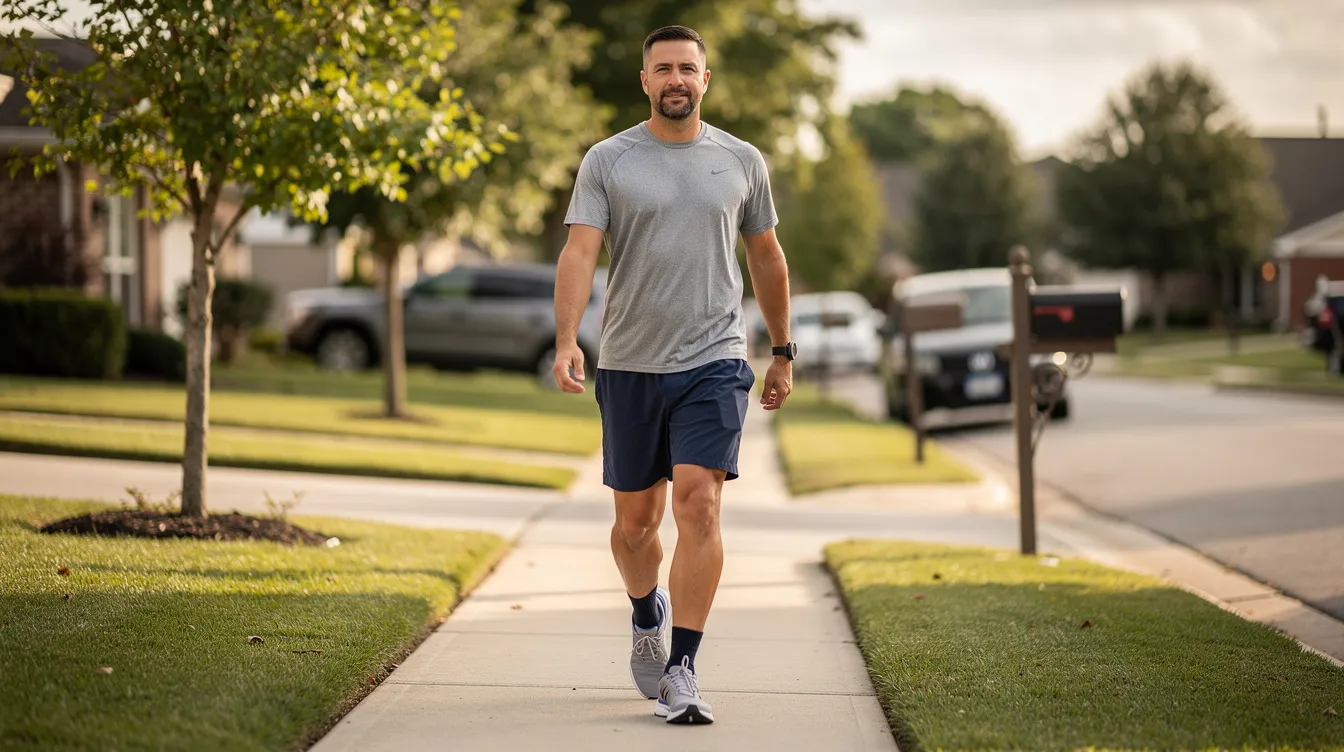
Begin gentle movement within 24 hours. Light walking is encouraged immediately after surgery to promote circulation and reduce the risk of blood clots.
Sleep with your upper body elevated on pillows or in a recliner to minimize swelling.
Apply cooling compresses carefully to help manage discomfort and reduce swelling - avoid placing ice directly on the skin.
Avoid lifting anything heavier than a few pounds, and do not raise your arms overhead.
Do not submerge your surgical incision sites in water (no baths, pools, or hot tubs) until your surgeon clears you, typically after one to two weeks.
Compression Garments and Compression Garment Usage
Your compression garment is one of the most important tools in your gynecomastia recovery. It serves multiple critical functions:
Compression garments help control swelling after gynecomastia surgery
They support the chest contour during the healing process
Wearing compression garments reduces fluid collection in the chest area
They help healing tissues settle into the desired shape
How long to wear them: Patients should wear compression garments continuously for six weeks. During the first one to two weeks, wear the garment day and night, removing it only for cleaning. After that, daytime wear - especially during physical activity - is typically sufficient.
Sizing matters: Compression garments should feel snug but not painfully tight. A garment that's too loose won't control swelling effectively, while one that's too tight can impede breathing or circulation. Your surgeon or fitter should measure your chest circumference to ensure proper fit.
Garment care tips:
Wash regularly per manufacturer instructions to prevent skin irritation
Dry completely before wearing
Inspect elastic for wear and replace if it loses compression
Rotate between two garments if possible for hygiene
Post-Operative Care: Pain, Wound Care, Drains
Proper post-operative care supports healing tissues and helps prevent complications. Here's how to handle the key areas.
Pain management: Take prescribed medications exactly as directed by your surgeon. Most regimens include over-the-counter options like ibuprofen or acetaminophen, with short-term narcotic pain medication for the first one to two days. Stool softeners are recommended to prevent constipation during pain medication use. Taper off stronger medications as your surgeon's instructions carefully outline.
Avoid alcohol while on pain medication, and never exceed the recommended dosage.
Wound care: Keep the surgical site clean and dry. Follow your surgeon's detailed instructions for incision cleaning, which typically involves gentle soap and water or an antiseptic solution. Apply antibiotic ointment if prescribed. Avoid stretching the area or putting tension on the surgical incision.
Drain management: If drains are placed, you'll need to:
Empty the bulb drain regularly
Measure and log output volume in milliliters
Clean the drain entry site as directed
Report output to your surgical team
Drains are typically removed when output falls below 20–30 mL per 24 hours, usually within 3 to 5 days.
Warning signs of infection to monitor:
Fever at or above 100.4°F (38°C)
Spreading redness or warmth around incision sites
Foul-smelling drainage or pus
Severe pain that worsens after initial improvement
Incision opening or separation
Contact your surgeon immediately if any of these occur.
Returning to Exercise and Daily Life After Male Breast Reduction
One of the most common questions in any gynecomastia recovery is when you can get back to your normal routine. Here's the week-by-week activity progression:
Week 1: Rest and light walking only. Avoid strenuous exercise and heavy arm movements. You can resume desk work if comfortable - most patients with physically demanding jobs should plan for additional time off.
Second and third weeks: Light exercise is typically allowed after 2 to 3 weeks. Lower-body workouts and mild aerobic activity are generally safe. Patients should avoid lifting heavy objects for 2 to 3 weeks post-surgery. Continue wearing your compression garment.
Weeks 3–4: Light cardio exercise can resume around 3 to 4 weeks post-surgery. Think stationary bike, gentle treadmill walking, or easy elliptical sessions. Still avoid strenuous activities and upper body resistance training.
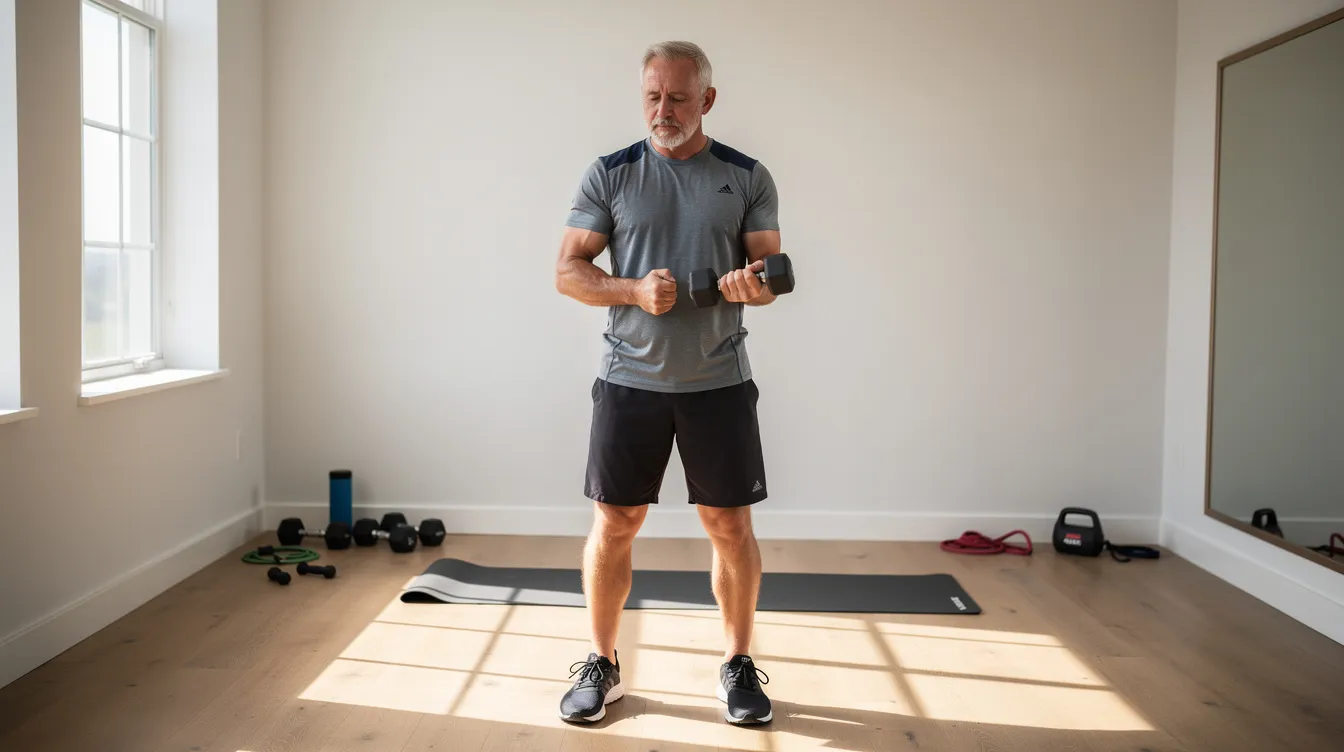
Weeks 4–6: Many surgeons allow gradual chest exercises starting around week 4 to 6, beginning with very light weight. Avoid strenuous exercise until cleared. Patients should avoid heavy lifting or strenuous activities for at least 6 weeks after surgery.
Beyond 6 weeks: Most patients can return to strenuous exercise by 6 weeks, including routine exercise and full chest workouts. Increase intensity gradually - strenuous activities can resume around 6 weeks post-surgery, but listen to your body and follow your surgeon's guidance.
For those with physically demanding jobs, plan for at least 4 to 6 weeks before returning to full duties.
Final Results, Nipple Sensation, and Long-Term Expectations
Final results are usually visible after 3 to 6 months. Your new chest contour will continue to refine as swelling decreases and scar maturation progresses. Full scar fading can take up to 12 months, so the result you see at week 6 is not your final result - it will only improve.
Nipple sensation: Temporary changes in nipple sensation - numbness, tingling, or reduced sensitivity - are common. In one published outcome study, approximately 11% of patients reported reduced nipple sensation, but no patient experienced total loss. For most patients, sensation returns over several weeks to months.
Scar care for long-term improvement:
Use silicone gel sheets or scar creams as recommended
Protecting healing incision lines from sun exposure is important to prevent discoloration
Gentle self-massage or professional lymphatic massage can aid in recovery and help flatten scars
Consider laser treatments if recommended by your plastic surgeon
Factors that influence your recovery:
Age significantly impacts recovery time after gynecomastia surgery
Overall health influences the speed of recovery from surgery
Surgical technique used affects recovery duration and outcomes
Lifestyle choices can impact healing after gynecomastia surgery
Body composition plays a role in recovery speed and results
To preserve your results long-term, maintain a stable weight, eat a balanced diet rich in lean protein, avoid certain medications or substances that cause hormonal imbalance (like anabolic steroids), and avoid smoking. Many patients report improved self esteem, and emotional benefits of surgery often peak 3 to 6 months post-operation. Patients feel significantly more comfortable, and many men report feeling more confident in fitted clothing post-surgery - in one study, 83% of patients felt comfortable exposing their chest after surgery compared to just 6% before.
Warning Signs and When to Contact a Board Certified Plastic Surgeon
While complications are relatively uncommon, you should contact your board certified plastic surgeon immediately if you experience:
Uncontrolled bleeding or rapidly increasing chest swelling
Shortness of breath or chest pain
Fever, chills, or spreading redness around incisions
Severe pain not responding to prescribed analgesics
Nipple discoloration or signs of tissue necrosis
Incision opening with significant pus or discharge
Other concerns that warrant a call include persistent swelling beyond the expected recovery period, noticeable asymmetry, or sensory changes that haven't begun to improve after several months.
Keep all scheduled follow-up visits - typically within the first week, at one month, three months, and six to twelve months. These appointments allow your surgeon to monitor the healing journey, photograph progress, and determine if any revisions are needed.
Cleveland Clinic Guidance and Evidence-Based Resources
The Cleveland Clinic emphasizes that male breast reduction may include liposuction, excision, or both, and recommends thorough patient evaluation before surgery - including understanding the underlying cause of gynecomastia, whether hormonal, medication-related, or obesity-driven.
Their postoperative guidance notes that patients should expect acute soreness in the first few days, a return to work in approximately one to two weeks, and that final appearance becomes visible over 3 to 6 months. In severe cases, skin excision may be required, leading to more extensive scarring and a slightly longer recovery time.
Clinical studies support these timelines. One outcome study reported an overall complication rate of approximately 21%, with revision surgery needed in about 9% of cases - reinforcing why choosing a board certified plastic surgeon with experience in plastic surgery for gynecomastia is essential.
Common FAQs About Gynecomastia Surgery Recovery
How long until final results? Final results are typically visible after 3 to 6 months. While improvements are visible immediately as swelling decreases, the masculine chest contour you're working toward takes time to fully emerge. Results are not visible immediately in their final form - the full recovery and aesthetic maturation continue for up to a year.
When can I shower and bathe? Light sponging or careful showers are usually possible within 48 to 72 hours, but avoid submerging incision sites. Full baths, swimming, and hot tubs are typically off-limits until wounds have sealed - usually one to two weeks post-surgery.
How long do I need to wear compression garments? Full-time wear (day and night) for the first one to two weeks, then daytime wear during the recovery period for a total of four to six weeks. Some surgeons recommend longer use depending on the extent of surgery.
What about changes in nipple sensation? Most patients experience some temporary numbness or reduced sensitivity. In approximately 89% of cases, sensation returns to normal or near-normal levels. Permanent sensation loss is uncommon but possible, particularly when tissue excision is extensive.
Will the results last? Yes, provided you maintain a stable weight, follow a balanced diet, and avoid substances that could trigger hormonal imbalance. The glandular tissue removed during surgery does not grow back, but significant weight gain can reintroduce fatty tissue to the chest area.
Call to Action: Consult a Board Certified Plastic Surgeon
Your recovery journey starts with the right surgeon. If you're considering gynecomastia surgery or have questions about your recovery, schedule a consultation with a board certified plastic surgeon who specializes in male breast reduction.
What to bring to your consultation:
Your complete medical history, including current and past conditions
A list of all prescribed medications, supplements, and certain medications you take regularly
Photos of your chest from multiple angles (if comfortable)
A written list of questions about the procedure, recovery time, and expected results
Information about your lifestyle, exercise habits, and work demands
During your visit, discuss the surgical technique best suited to your body, what the first few weeks of recovery will look like, and what you can do to ensure optimal healing. Ask about reduce discomfort strategies, chest muscles protection during recovery, and when you can expect your full recovery to be complete.
Don't wait to take the next step. Contact your preferred plastic surgery practice today to schedule your appointment and start your healing journey toward a chest contour that matches how you feel inside.
Frequently Asked Questions
How long does gynecomastia surgery recovery typically take?
Recovery typically takes 4 to 6 weeks, though full aesthetic maturation continues for months. Most patients return to desk work within 5 to 7 days. Peak swelling and bruising occur in the first week and gradually decrease thereafter.
When can I resume normal activities after gynecomastia surgery?
Light walking is encouraged immediately after surgery. Most bruising fades by weeks 2-4, when light aerobic activity may resume. Gradual return to upper body activity occurs at weeks 4-6. Full results become evident around 12 months post-surgery.
Why is a compression garment important during recovery?
Compression garments control swelling, support chest contour during healing, reduce fluid collection, and help tissues settle into desired shape. Wear continuously for six weeks: day and night for the first 1-2 weeks, then daytime wear during activity.
What pain and discomfort should I expect after surgery?
Mild to moderate pain, swelling, and bruising are common in early healing. Discomfort typically peaks within the first 1-2 days after surgery, then gradually eases. Pain management uses prescribed medications, including over-the-counter options and short-term narcotic medication if needed.
When will I see my final surgery results?
Approximately 90% of aesthetic results are visible by months 3-6 post-surgery. Initial results take 3-6 months to fully settle due to early swelling. Final results and complete scar fading are evident around 12 months after surgery.


-2.jpg?width=2000&height=2000&name=Copy%20of%20YouTube%20Thumbnail%20-%20Life-Changing%20Cosmetic%20Surgery!%20(Document)-2.jpg)


