Gynecomastia affects up to 60% of men at some point in their lives, yet it remains one of those topics most guys would rather not talk about. Many men avoid pools and beaches, check mirrors constantly before leaving the house, and feel self-conscious about how their clothes sit across the chest. A gynecomastia compression shirt is a practical management tool for mild to moderate cases, offering a way to flatten the chest area and regain confidence in everyday clothes. This guide covers everything you need to know about choosing, sizing, wearing, and caring for the right compression garment.

Learn more: Body Contouring at Leva Medical
What Is A Chest Compression Shirt
A chest compression shirt is a close-fitting garment made from elastic fabric blends, typically nylon and spandex, that applies firm pressure across the chest and torso. Unlike a standard undershirt, it uses reinforced panels or binder-style zones over the pectorals to push soft chest tissue inward against the ribcage, creating a smoother silhouette under clothing.
Compression shirts flatten the chest for a smoother appearance and provide targeted support to reduce visible chest projection. They can help smooth puffy nipples under clothing and make outer shirts, dress shirts, and t shirt options sit cleaner and more comfortably. They do not treat or cure gynecomastia but can significantly improve how your upper body looks in regular clothing.
A chest compression shirt is different from a post surgery garment or surgeon-prescribed vest. Post surgical compression garments use medical-grade materials and higher pressure levels specifically designed to manage swelling, fluid buildup, and skin retraction after surgery. Over-the-counter compression shirts are built for concealment and daily wear comfort, not wound healing.
How Compression Shirts Work
The core mechanic behind gynecomastia compression is straightforward: external pressure displaces soft tissue inward toward the chest wall, reducing outward projection. The result is a flatter, less noticeable chest under clothing.
Two main design approaches exist:
Zoned panels: Higher-density or reinforced fabric over the pectorals provides targeted chest compression, while lighter stretch material covers the sides and lower torso. This design delivers more aggressive flattening but requires precise fit.
Uniform pressure: Even compression across the entire torso. More forgiving with sizing, but less effective for moderate gynecomastia or concentrated glandular tissue.
Compression shirts flatten the chest without restricting movement, which separates them from rigid binders or post-operative vests. They are designed for all day comfort and breathability, so you can wear them through a full workday or workout without feeling locked in.
Features To Look For In The Best Compression Shirt
Not every compression shirt performs equally. Here is what separates the best compression shirt from a generic undershirt:
Firm chest panels: Look for firm chest panels for targeted compression. Double-layered or reinforced zones over the pectorals provide the focused flattening that matters most for hiding man boobs.
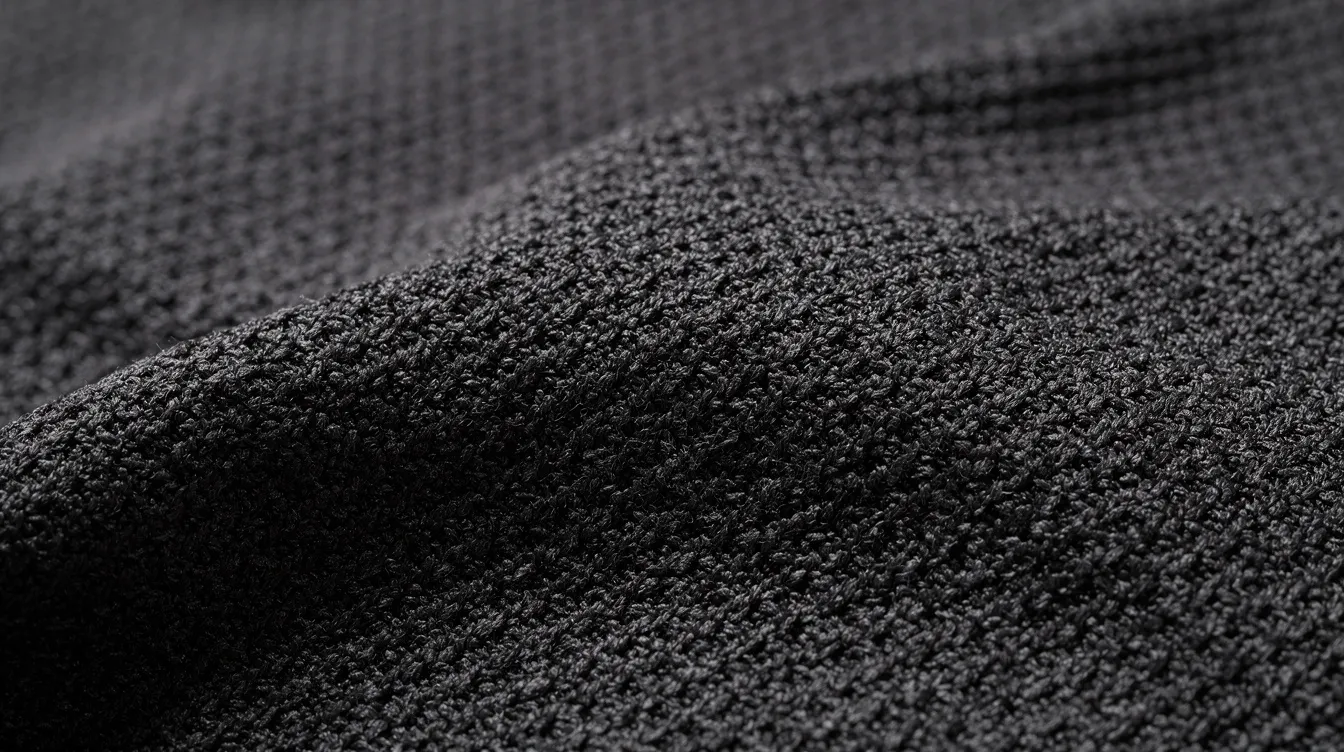
Breathable fabric: Choose breathable fabric to wick sweat and prevent heat. Lightweight, moisture-wicking materials make compression shirts suitable for wearing under everyday clothing. Nylon-spandex blends deliver the best balance of elasticity and airflow.
Flat seams and bonded edges: Seamless construction in shirts is important for discretion under fitted clothing. Flat seams help prevent visibility under thin clothing, and flatlock or seamless designs reduce chafing during long days of wear.
Anti-roll hem: Anti-roll hems with silicone grip stop the shirt from shifting throughout the day. Without this feature, the hem curls upward under tension, creating visible ridges and discomfort. A longer torso cut also prevents the shirt from riding up.
Discreet aesthetics: Matte colors, minimal logos, and a thin profile help the garment stay invisible under polos, button downs, and work shirts.
Compression Tank Versus Body Shaper Tank Versus Base Layer
These three garment types overlap in appearance but differ in purpose and performance.
Feature | Compression Tank | Body Shaper Tank | Base Layer |
|---|---|---|---|
Primary goal | Flatten chest tissue | Shape torso, stomach, and sides | Muscle support, temperature regulation |
Compression level | Medium to strong compression | Medium, wider coverage | Light, uniform |
Best for | Hiding gynecomastia under shirts | Full upper body and torso shaping | Athletic activity, layering |
Comfort for extended wear | High | Moderate | High |
Heat management | Good | Can trap heat | Good |
Shapewear often feels heavier and more restrictive than compression shirts. Most shapewear is built for short-term use and can trap heat, making it a poor choice for daily wear. Compression shirts are designed for daily wear under regular clothing and provide targeted chest support for a smoother appearance.
When to choose which:
Compression tank or compression tank top → under casual or fitted shirts, for targeted support of the chest area
Body shaper tank or body shaper workout tank → when you also want to smooth the stomach and lower torso
Base layer → for gym sessions or as a light undershirt when strong compression is not needed
Gynecomastia tummy control undershirts combine chest flattening with midsection shaping and work well if you want both areas addressed in one body shaper garment.
Choosing Size And Compression Level
Getting the right size is the single most important factor in how well a compression shirt performs.
How to measure:
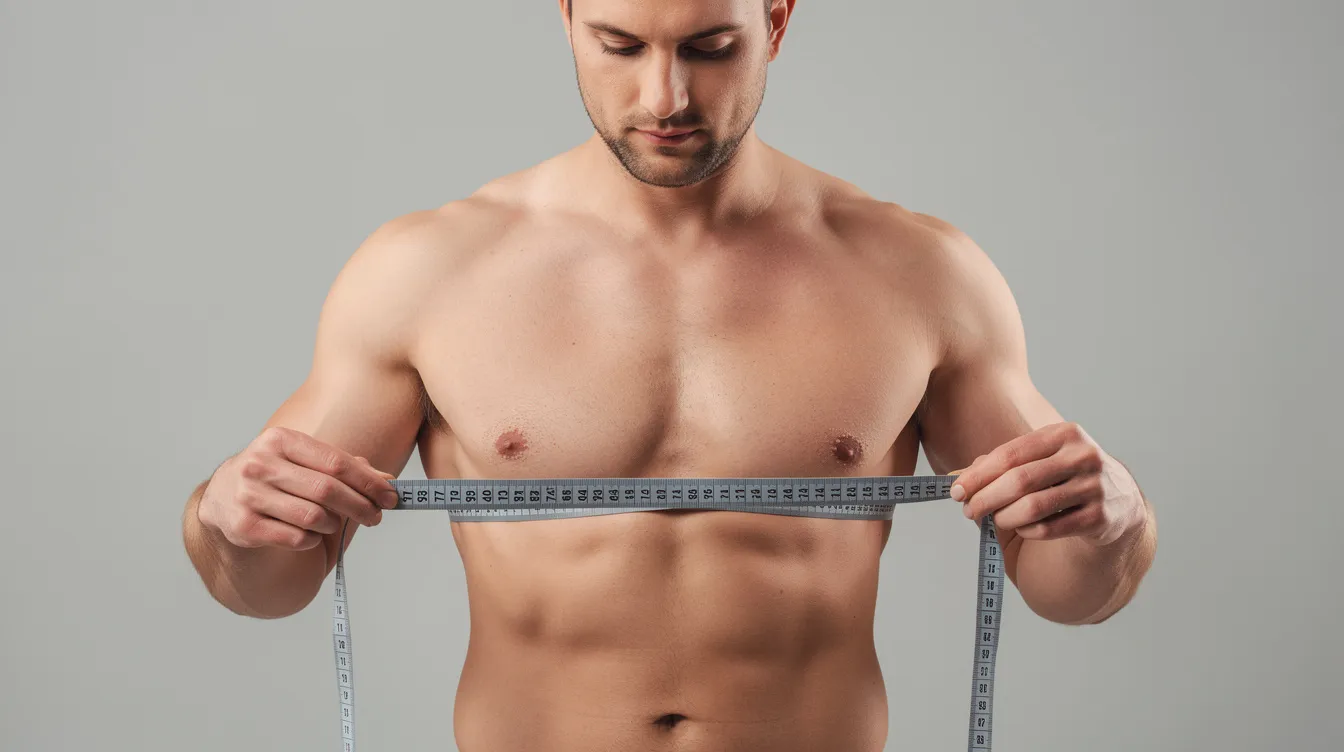
Measure around the fullest part of your chest (typically at nipple level) while relaxed.
Measure your torso length from shoulder to waist if you are taller or shorter than average.
Check the size chart provided by the brand before ordering.
Sizing guidance:
Compression shirts should fit snug, not painful. They should feel firmly snug but not restrictive.
If between sizes, size down for maximum flattening.
Choose your normal size for all day comfort during extended wear.
A longer torso cut prevents the shirt from riding up, especially on taller frames.
Compression levels mapped to scenarios:
Level | Approximate mmHg | Best For |
|---|---|---|
Light | 8–15 mmHg | Everyday wear, gym, under loose clothing |
Medium | 20–30 mmHg | Office attire, social events, photos |
High | 30–40+ mmHg | Short events, post surgical recovery, maximum flattening |
Select shirts made from nylon-spandex blends for the right balance of elasticity and moisture-wicking. Many individuals find compression shirts help with how clothing fits under t shirts and dress shirts, particularly at medium compression levels.
How To Wear A Compression Shirt For Daily Wear
Putting on a tight compression tank or vest the wrong way can distort panel placement. Step into it from the bottom rather than pulling it overhead. Once on, smooth the fabric flat across the chest area so that reinforced panels align directly over the breast tissue. Adjust the sides to remove any folds or gaps.
A well-placed compression shirt should make you forget you are wearing it within minutes.
These shirts are designed to look like normal athletic wear for daily use, so they layer seamlessly under most outer shirts. Breathable compression fabrics minimize tissue bounce and chafing during activities, and moisture-wicking fabrics are recommended for high-activity lifestyles.
For outer shirts, choose structured fabrics like oxford cloth, cotton twill, or blends. Patterns and darker colors hide outlines better than light colored shirts. Avoid shiny or clingy materials that reveal seams and compression edges.
Care And Washing For Compression Garments
Proper care extends the life and performance of your compression garments:
Wash in cold water on a gentle or delicate cycle.
Use mild detergent. Avoid bleach entirely.
Never use fabric softener. Fabric softener degrades spandex fibers, reducing elasticity and compression over time.
Air dry flat. Avoid tumble dryers and high heat, which break down the soft stretch panels and bonded seams.
Rotate between two garments if you wear one daily to allow elastic recovery.
Inspect seams and panels regularly. Once the fabric starts losing its pull and staying stretched, compression decreases and it is time to replace the garment.
Post-Surgical Use And Medical Considerations
Post-surgery, compression shirts are essential for reducing swelling and preventing fluid buildup. Wearing a compression vest or shirt for 4-6 weeks post-surgery helps ensure optimal recovery. In the initial weeks, your surgeon will prescribe a medical-grade vest worn 24 hours a day, removed only for showering.
After approximately 4 weeks, many surgeons allow patients to transition from a rigid vest to an everyday compression shirt, provided it still delivers adequate pressure across the chest. Always consult your surgeon for guidance on mmHg levels, fit, and timeline before making the switch.
Medical compression garments prescribed by your surgeon serve a different purpose than over-the-counter compression shirts. Do not substitute one for the other without professional advice.
Fit Issues: Hem Roll, Ride-Up, And Comfort
Common causes of hem roll include:
Garment is too short for your torso
Elastic tension at the edge is imbalanced
Body shape does not match the garment's cut
Solutions include choosing garments with anti-roll hems, silicone grip strips, or bonded edges. Longer cuts that extend past the waist also help the shirt stay anchored throughout the day.
Before purchase, run a quick comfort check: inhale deeply while wearing the shirt. If it restricts your breathing noticeably, the garment is too tight. Check that armholes are not digging into your shoulders or arms, and that the neckline sits flat without gapping or pressing.
Best Compression Shirt Picks And Product Comparison
When comparing products, focus on these categories:
Category | Compression Level | Best For | Price Range |
|---|---|---|---|
Budget compression tank top | Light to medium | Everyday wear, casual clothing | Under $30 |
High-compression chest compression shirt | Strong compression | Events, photos, significant flattening | $50–$80 |
Breathable daily-wear body shaper | Medium | All-day office and social wear | $35–$55 |
Look for brands that offer a full line of sizes and publish a detailed size chart. Key comparison factors include material composition, chest panel reinforcement, seam type (flatlock vs. overlock), hem design, and whether the garment functions as a slimming undershirt or a dedicated compression tank.
FAQ Section
Do compression shirts actually work?
Yes. Compression shirts flatten the chest by pressing soft and glandular tissue against the ribcage, reducing visible projection under clothing. They help hide gynecomastia effectively in real life situations. However, they do not reduce or remove glandular chest tissue and are not a substitute for medical treatment options when those are warranted.
Can I wear compression shirts every day?
For mild to moderate gynecomastia, yes. Quality compression garments support day-to-day confidence and are built for extended daily wear as long as the garment is breathable, well-fitting, and rotated for washing. Compression shirts help men feel more confident in clothing and make it easier to get through long days without discomfort or self-consciousness.
Are compression shirts considered medical devices?
Over-the-counter compression shirts are generally not classified as medical devices. Medical-grade compression garments, such as those prescribed after surgery, may carry medical device classifications and are held to stricter standards for pressure levels and construction.
Styling Tips For Hiding The Chest Area
A compression shirt handles the foundation, but your outer layer matters too:
Stick to darker solids and matte finishes, which absorb light and hide contours.
Choose structured fabrics in your work shirts and button downs over thin polyester or jersey.
Wear polos and dress shirts with a slightly relaxed fit rather than skin-tight cuts.
Avoid light colored shirts and shiny materials, which highlight every ridge and seam.
Patterns, vertical stripes, and layered looks draw the eye away from the chest area.
Maintain good posture, as slouching pushes chest tissue forward and undermines the compression effect.
SEO And Keywords To Include
For anyone publishing content in this space, target keywords include compression shirt, compression shirts, and compression tank top. A strong meta title should lead with the phrase "gynecomastia compression shirt" for search visibility. Structure FAQ sections with clear question-and-answer formatting to improve chances of appearing in featured snippets and voice search results. For more posts on related topics, cover adjacent queries like body shaper recommendations, vest comparisons, and post-surgical recovery garment guides.
The right gynecomastia compression shirt will not cure the condition, but it can change how you feel every time you get dressed. Start by measuring your chest accurately, choose the compression level that matches your needs, and invest in a garment with the construction quality to last. If you are considering surgery or are in post-operative recovery, always follow your surgeon's guidance on compression wear before switching to everyday options.
Frequently Asked Questions
What is a gynecomastia compression shirt?
A gynecomastia compression shirt is a close-fitting garment made from elastic fabric blends like nylon and spandex. It applies firm pressure across the chest using reinforced panels to flatten tissue inward, creating a smoother silhouette under clothing without treating the underlying condition.
Does a compression shirt cure or treat gynecomastia?
No. Compression shirts do not treat or cure gynecomastia. They are a management tool for mild to moderate cases that provides a smoother appearance under clothing by flattening the chest area temporarily through external pressure.
How is a compression shirt different from a post-surgery garment?
Post-surgical compression garments use medical-grade materials and higher pressure designed to manage swelling and fluid after surgery. Over-the-counter compression shirts use standard elastic materials and are designed for concealment and daily comfort, not wound healing.
What features should I look for in a compression shirt?
Look for firm chest panels for targeted compression, breathable nylon-spandex fabric, flat seams to prevent visibility, anti-roll hems with silicone grip, and discreet matte colors. These features improve flattening effectiveness and all-day wearability under regular clothing.
How should a compression shirt fit?
A compression shirt should feel firmly snug but not painful or restrictive. Measure your chest at nipple level and torso length, then check the brand's size chart. If between sizes, size down for maximum flattening effect.


-2.jpg?width=2000&height=2000&name=Copy%20of%20YouTube%20Thumbnail%20-%20Life-Changing%20Cosmetic%20Surgery!%20(Document)-2.jpg)


