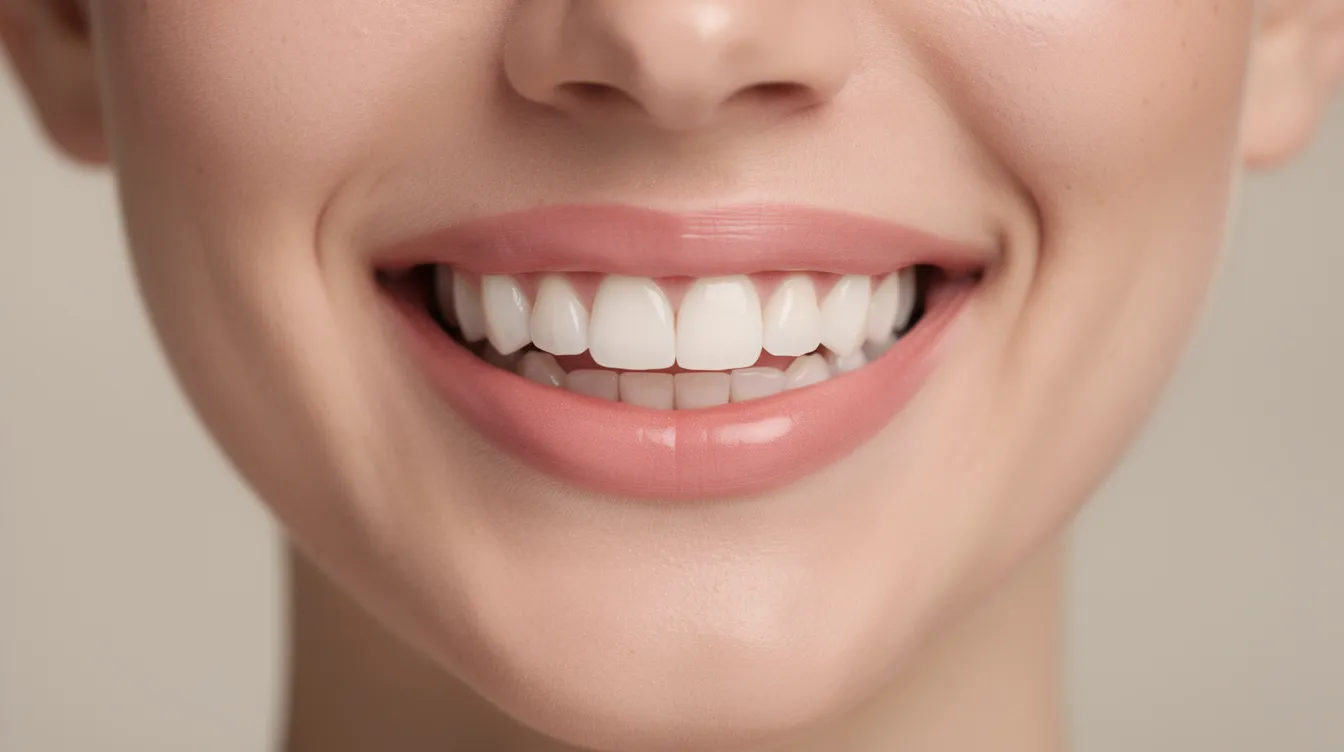
If your smile shows more than 3 millimeters of gum tissue above the upper teeth, you may have what clinicians call excessive gingival display-commonly known as a gummy smile. About 10 to 20 percent of people feel self conscious about how much gum shows when they smile, and women typically show more gum than men when smiling. The good news: effective gummy smile treatment options are available right here on Long Island, ranging from minimally invasive laser procedures to surgical correction. This guide breaks down the causes, treatments, costs, and what to expect so you can make an informed decision. If you're ready to take action, schedule a consultation with a qualified cosmetic dentist to evaluate your specific case.
Learn more: Body Contouring at Leva Medical
Overview: How to Fix a Gummy Smile
A gummy smile occurs when the gum to tooth ratio is off-too much gum tissue is visible relative to the teeth, creating the appearance of short teeth or an uneven gumline. Excess gum tissue can make teeth appear smaller, and gummy smiles can make teeth appear shorter and uneven, even when the natural tooth structure underneath is perfectly healthy.
Cosmetic dentistry offers several paths to fix a gummy smile, including gum contouring, crown lengthening, Botox injections, orthodontics, and lip repositioning. The ideal smile shows roughly 1 to 2 millimeters of gum tissue, so treatment aims to bring your smile line into that range for a more balanced appearance.
Causes of Excess Gum Tissue and Excessive Gingival Display
Effective treatments for a gummy smile depend on its underlying cause. Gummy smile treatments vary based on whether the issue is muscular or structural. Here are the primary factors:
Excess gum tissue (altered passive eruption): Gum tissue doesn't recede naturally as teeth erupt, leaving too much gum tissue covering the tooth crown. This is the most common structural cause of excess gum display.
Overactive upper lip: A hyperactive upper lip elevates too far when smiling, exposing more gum than normal. Upper lip movement is controlled by specific facial muscles that can be overactive regardless of gum or tooth position.
Delayed tooth eruption: Teeth may remain partially covered by gum or bone, affecting tooth visibility and tooth proportions.
Gum disease: Gingival hyperplasia-inflammatory or medication-induced gum overgrowth-adds excess tissue that worsens the problem.
Skeletal factors: Vertical maxillary excess, where the upper jaw bone grows longer than normal, pushes the gums and teeth downward, creating excessive gum display.
Genetics: Gummy smiles can result from genetics or gum disease, and often a combination of factors is at play.
Treatments: Gum Contouring, Crown Lengthening, and Alternatives
Treatment options include laser removal, lip repositioning, and jaw surgery-among others. The right approach depends entirely on what's causing the excess gum. Here's a breakdown of the main surgical and non-surgical paths:
Treatment | Best For | Invasiveness | Duration of Results |
|---|---|---|---|
Laser gum contouring | Soft tissue excess only | Minimally invasive | Permanent |
Crown lengthening | Bone + gum excess | Surgical | Permanent |
Botox injections | Overactive upper lip | Non-surgical | 3–6 months |
Orthodontics | Bite/tooth position issues | Non-surgical | Permanent |
Lip repositioning | Lip movement excess | Surgical | Permanent |
Orthognathic surgery | Severe skeletal issues | Major surgical | Permanent |
Crown lengthening is preferred when bone sits too close to the gum margin, and gum contouring works best as a cosmetic choice when soft tissue is the only concern. Before any cosmetic procedures begin, periodontal clearance is essential-active gum disease must be resolved first.
Gum Contouring: Laser Reshaping for Excess Gum
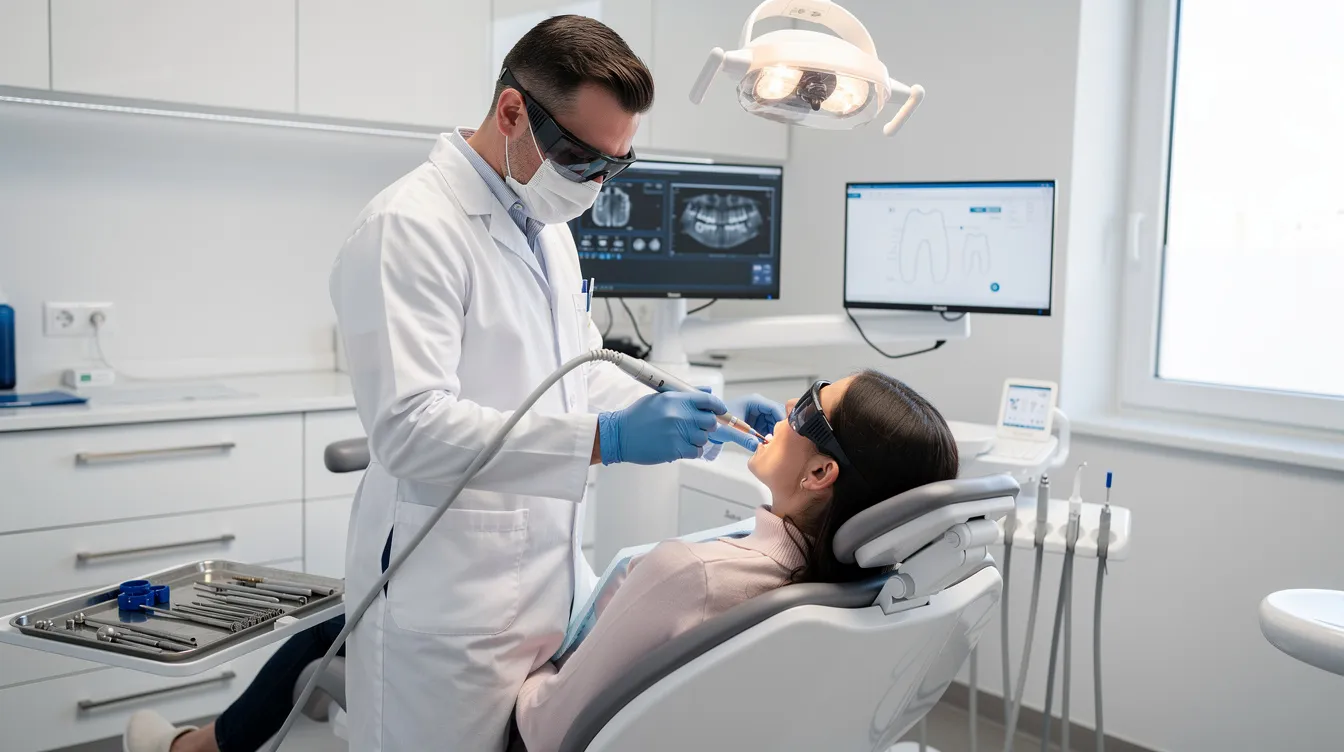
Laser gum contouring reshapes gums for a balanced smile by removing or sculpting excess gum to reveal more natural tooth structure. A soft tissue laser seals blood vessels as it works, resulting in minimal bleeding, fewer sutures, and faster healing compared to traditional scalpel methods.
Many patients pair gum recontouring with teeth whitening or veneers for a complete smile makeover, especially when teeth still appear small after gum reshaping.
Healing timeline:
Laser: swelling resolves in 24–48 hours; gum contouring can heal within just a few days; full maturation in 2–4 weeks
Scalpel: surface healing in 1–2 weeks; full maturation over 1–3 months
Procedure Steps for Gum Contouring
Pre-op evaluation:
Full medical and dental history review (including medications that may cause gum overgrowth)
Clinical measurements: how much gum shows when smiling, lip length, tooth shape, bone levels
Digital photos and possibly CBCT imaging; some practices offer Digital Smile Design previews
Intraoperative steps:
Local anesthesia is administered
Dental lasers or scalpel reshape the gum line to planned contours
Bone recontouring added only if needed (which shifts the procedure into crown lengthening territory)
Laser cases typically require no sutures
Immediate post-op expectations:
Numbness for several hours, mild tenderness and light swelling
Soft food diet for 2–3 days; avoid hot and spicy foods
Over-the-counter pain relief is usually sufficient
Proper aftercare includes gentle rinsing and avoiding the treated area with your toothbrush initially
Crown Lengthening: Reshape Bone and Gum for Balance
Crown lengthening removes gum tissue and bone for tooth exposure, creating a more proportional smile line. This procedure is necessary when the bone crest sits too high relative to the tooth, which would cause gum tissue to regrow if only soft tissue were removed. Crown lengthening can create a balanced gum-to-tooth ratio that lasts.
Crown lengthening removes gum tissue and bone for longer teeth and is often performed before placing dental crowns or other restorations. Recovery from crown lengthening typically takes one to two weeks, with final tissue maturation over 4–12 weeks. When done correctly with proper bone resection, results are permanent.
Non-Surgical Options: Botox, Orthodontics, and Lip Control
Botox: Botox can relax upper lip muscles to reduce gum visibility by targeting muscles like the levator labii superioris. Botox relaxes overactive lip muscles to reduce gum exposure. Botox treatment for gummy smile is non-surgical and quick-typically completed in under 15 minutes. Most patients notice improvement within days after Botox treatment. Results from Botox for gummy smile last three to six months, so repeat sessions are necessary.
Orthodontics: Orthodontic treatments may correct bite issues contributing to a gummy smile by intruding teeth upward or adjusting tooth position. This is effective when over-eruption or malocclusion plays a role but takes months to complete.
Lip repositioning: Lip repositioning surgery limits the upward movement of the upper lip when smiling. For patients seeking a middle ground, trial Botox before permanent surgery can help confirm whether lip movement control will deliver the desired result.
Jaw surgery: Orthognathic surgery repositions the jaw for severe gummy smiles caused by vertical maxillary excess. This is reserved for cases where skeletal correction is the only viable path.
Periodontal Health: Treat Gum Disease First
Before any smile treatment begins, a thorough periodontal evaluation is essential. This includes measuring pocket depths, checking for bleeding on probing, and assessing bone levels via X-ray.
If gum disease or gingival hyperplasia is present, treatments such as scaling and root planing-or even flap surgery-must be completed first. Healing must occur before cosmetic procedures to avoid infection, poor outcomes, and aesthetic relapse. Active gum disease undermines every cosmetic result.
Dental Implants, Gum Augmentation, and Esthetic Planning
When dental implants are part of your treatment plan, gum shaping plays a critical role. If the area has excess gum or insufficient tissue volume, contouring or gum grafting may be needed before or after implant placement. Gum grafting covers exposed tooth roots for aesthetic improvement and can also build the tissue volume needed for a natural-looking implant emergence.
Esthetic planning tools-digital photography, 3D-printed surgical guides, smile simulation software-help coordinate multi-disciplinary treatment so the final gum line, tooth exposure, and implant positioning work together seamlessly.
Achieving a Balanced Smile and a Beautiful Smile
A beautiful smile comes down to balanced proportions:
Tooth length proportional to lip position and facial features
Symmetry between left and right sides
Minimal visible gum (under 2–3 mm is generally perceived as ideal)
Harmonious gingival architecture with even papillae and scalloping
Before-and-after photos are the clearest way to evaluate outcomes. Look for images showing a natural smile at rest and a full smile, highlighting changes in tooth visibility, gum line symmetry, and overall appearance.

Choosing a Cosmetic Dentist on Long Island
Not every dentist is equally qualified for gum surgery or complex smile makeover cases. Here's what to look for:
For crown lengthening: A board-certified periodontist with training in osseous surgery
For gum contouring: Experience with specific laser types (diode, CO2, Erbium) and documented case results
For full smile makeovers: A prosthodontist or cosmetic dentist with smile design expertise
Credentials: Membership in organizations like the American Academy of Cosmetic Dentistry, American Board of Periodontology, or ADA
Ask to see before-and-after galleries, patient testimonials, and whether the practice uses Digital Smile Design to preview results before treatment begins.
Patient Journey: Consultation, Procedure, Recovery, Results
Consultation checklist:
Medical history, current medications, oral health status
Smile photos (relaxed and full smile)
Measurements of gum display, lip mobility, tooth proportions, bone sounding
Discussion of options, cost estimates, insurance, and financing
Digital smile preview if available
Procedure day:
Local anesthesia (sedation available for anxious patients)
Duration depends on the number of teeth and extent of bone work
Patients seeking comfort should ask about ice packs and analgesic protocols
Post-op care:
Soft foods for several days
Gentle oral hygiene; salt water or prescribed antimicrobial rinse
No smoking
OTC pain relievers as needed
Recovery timeline:
Days 1–2: swelling, mild bleeding, manageable pain
Days 3–5: swelling decreases; many patients return to normal activities
Week 1–2: surface healing; patients notice improvement in gum line
Weeks 4–12: final contour and color settle, especially after crown lengthening
FAQs and Costs for Gummy Smile Treatment Long Island
Gummy Smile Correction FAQs
Will my gummy smile come back? If the cause is soft tissue only, gum reshaping results are typically permanent. If bone issues aren't addressed, gum regrowth can occur. Botox results require maintenance every 3–6 months.
Is gum surgery painful? Local anesthesia keeps you comfortable during the procedure. Laser procedures involve less post-op discomfort than scalpel methods. Most patients manage recovery with over-the-counter pain relievers.
How many teeth are treated? This depends on how wide your smile shows. Many patients have six to eight front teeth treated. Cost scales accordingly.
Does facial anatomy affect treatment choice? Absolutely. Facial harmony, lip movement, jaw structure, and tooth position all influence which approach delivers a more balanced smile.
Typical Costs on Long Island
Treatment | Estimated Cost Range |
|---|---|
Laser gum recontouring | $300–$1,500 |
Crown lengthening | $1,000–$4,000 per tooth |
Veneers (paired with contouring) | $1,000–$2,500 per tooth |
Botox for gummy smile | $240–$300 per session |
Insurance and financing: Cosmetic treatments are generally not covered by insurance. However, if crown lengthening is medically necessary (decay, broken tooth below the gum line), partial coverage may apply. Many Long Island practices offer in-house financing or third-party payment plans to help manage costs.
Contact, Consultations, and Before/After Gallery
The first step toward a confident smile is a consultation. Long Island has several established practices specializing in gummy smile correction, offering everything from laser gum contouring to complex crown lengthening and full dental care.
When you call or book online, ask about:
Complimentary or low-cost initial consultations
Digital Smile Design previews
Before-and-after galleries of gum reshaping and smile makeover cases
An oral surgeon or periodontist on staff for complex cases
Whether your concern is uneven gums, excess gum, or an overactive upper lip, a qualified specialist can develop a treatment plan tailored to your facial anatomy and goals. Don't let how much gum tissue shows hold you back-take the first step toward the balanced, confident smile you've been wanting.

Frequently Asked Questions
What is considered a gummy smile?
A gummy smile occurs when more than 3 millimeters of gum tissue shows above the upper teeth when smiling. The ideal smile shows approximately 1 to 2 millimeters of gum tissue. About 10 to 20 percent of people experience excessive gingival display.
What are the main causes of a gummy smile?
Causes include excess gum tissue that doesn't recede naturally, an overactive upper lip that elevates too far when smiling, delayed tooth eruption, gum disease, skeletal factors like vertical maxillary excess, and genetic factors. Often multiple causes contribute to the condition.
What treatment options are available for gummy smile on Long Island?
Treatment options include laser gum contouring, crown lengthening, Botox injections, orthodontics, lip repositioning, and orthognathic surgery. The appropriate treatment depends on the underlying cause, whether it's structural or muscular.
How long does recovery take after gum contouring?
With laser gum contouring, swelling typically resolves within 24 to 48 hours and healing can occur within days, with full maturation in 2 to 4 weeks. Scalpel methods require surface healing in 1 to 2 weeks with full maturation over 1 to 3 months.
Are gummy smile treatment results permanent?
Laser gum contouring and crown lengthening provide permanent results when performed correctly. Botox injections are temporary, lasting 3 to 6 months and requiring retreatment. Orthodontics and lip repositioning also provide permanent results based on the underlying cause addressed.


-2.jpg?width=2000&height=2000&name=Copy%20of%20YouTube%20Thumbnail%20-%20Life-Changing%20Cosmetic%20Surgery!%20(Document)-2.jpg)


