Grade 1 gynecomastia is the mildest form of male breast enlargement, characterized by a small amount of excess breast tissue beneath the nipple with no significant skin sagging. While the physical changes may seem minor, grade 1 gynecomastia can cause significant emotional distress. Many men feel self-conscious about their chest appearance, and even small physical changes can significantly affect self-esteem. Understanding what grade 1 looks like, what causes it, and how to treat it puts you in control of the next step.

Learn more: Body Contouring at Leva Medical
Quick Overview: What Is Grade 1 Gynecomastia And Breast Enlargement?
Grade 1 gynecomastia involves small amounts of glandular tissue beneath the nipple, typically felt as a firm, button-sized mass under the nipple areola complex. It is the earliest and least severe point on the grading scale.
Key characteristics of 1 gynecomastia include:
A localized disc or "button" of glandular breast tissue behind the areola
Minimal contour distortion that clothing usually conceals
No significant excess skin or sagging
Good skin elasticity with prompt recoil when tested
Grade 1 gynecomastia typically does not involve sagging skin. The tissue feels like a firm, button-sized mass under the nipple, and the breast enlargement is minor enough that many men only notice it when shirtless. That said, the emotional impact can lead to avoidance of social situations, altered posture, and deliberate wardrobe choices to hide even mild breast tissue present beneath the surface.
Addressing gynecomastia can improve confidence and comfort, which is why early recognition matters. It also opens the door to less invasive treatment options with shorter recovery and minimal scarring.
Grades Of Gynecomastia: Comparing Gynecomastia Grades
Understanding the grades of gynecomastia helps determine which treatment plan fits each patient. The most widely used classification breaks the condition into four levels:
Grade | Description | Skin Excess | Typical Treatment |
|---|---|---|---|
Grade 1 | Small breast tissue enlargement, no ptosis | None | Observation, liposuction, or minor gland excision |
Grade 2a | Moderate breast enlargement, no excess skin | None | Liposuction + gland excision |
Grade 2b | Moderate enlargement with minor skin excess | Mild | Liposuction + excision, possible skin tightening |
Grade 3 | Large enlargement resembling female breasts | Significant | Excision + skin removal, nipple repositioning |
Each gynecomastia grade guides treatment decisions. Compared to higher grades, grade 1 requires the least invasive surgical intervention and produces the most predictable cosmetic outcomes because the skin retracts naturally.
Physical Signs Of Grade 1: Gland Tissue, Fatty Tissue, And 1 Gynecomastia
During examination, grade 1 presents as a palpable, firm, rubbery disc of gland tissue directly beneath the nipple. This is distinct from the surrounding fatty tissue, which feels soft and compressible under the fingers.
Here is how to distinguish the two tissue types:
Glandular tissue is firm, discrete, and anchored behind the areola
Fatty tissue is diffuse, soft, and spreads across the chest wall
True gynecomastia involves glandular breast tissue, not just excess fat
Visible signs of mild breast enlargement include slight puffiness around the nipple areola area and a subtle convex contour when viewed from the side. The chest may look normal when clothed but show mild prominence when bare. Tenderness or sensitivity is common, especially when the breast tissue growth is recent.

Assessing Excess Skin Grade And Skin Elasticity
Evaluating the excess skin grade is straightforward for grade 1. During the exam, the clinician gently pinches the skin overlying the chest to check recoil. In grade 1, the skin snaps back promptly, confirming good elasticity and ruling out the need for skin removal.
Photographing the chest from front, three-quarter, and side angles creates an objective baseline. These images help track changes over time and are essential if you later pursue a surgical treatment consultation.
Causes: Hormone Imbalance, Medications, And Lifestyle
The root mechanism behind breast tissue growth is an imbalance where estrogen activity can outweigh testosterone effects in men. Several triggers can tip this hormone balance:
Puberty. Hormonal fluctuations during puberty are common triggers for gynecomastia. Roughly 60–70% of adolescent males experience some degree of breast growth during this phase. Puberty often causes temporary hormonal imbalances leading to gynecomastia that may resolve within one to two years.
Medications. Certain medications can disrupt hormone regulation and cause gynecomastia. Known culprits include spironolactone, some antipsychotics, ketoconazole, anti anxiety medications, and antiandrogens. Always disclose your full medication list during a medical evaluation.
Anabolic steroids. Anabolic steroids are known triggers for gynecomastia development. Anabolic steroid use floods the body with exogenous hormones, leading to excess estrogen conversion and breast tissue enlargement.
Lifestyle factors. Obesity increases estrogen production through peripheral aromatization, potentially causing gynecomastia. Alcohol consumption can impair liver function and contribute to gynecomastia by reducing the liver's ability to metabolize estrogen. Weight gain, certain herbal supplements, and marijuana use also play a role. Liver disease itself can independently disrupt hormone clearance.
Common causes of Grade 1 gynecomastia include hormonal imbalances, aging, and certain medications. Identifying and addressing these triggers is the first step in any appropriate treatment plan.
Diagnosis: Exam Techniques For Gynecomastia Grade 1
A focused breast exam is the cornerstone of diagnosis. The clinician inspects the chest with the patient standing, arms at sides and then raised, looking for asymmetry and contour changes.
The pinch test is particularly useful:
Pinch the tissue over the chest between thumb and forefinger
Firm, disc-like resistance indicates glandular tissue growth
Soft, compressible tissue suggests primarily fatty tissue or pseudogynecomastia
Selective blood tests are warranted when the history raises red flags. If breast growth is rapid, asymmetric, or accompanied by testicular changes, your physician may order testosterone, estradiol, LH, FSH, beta-hCG, thyroid, and liver panels. For a typical, stable grade 1 presentation, imaging is rarely needed.
Treatment Options: Liposuction For Fatty Tissue And Gland Excision
Gynecomastia treatment for grade 1 prioritizes minimal invasiveness, scar concealment, and fast recovery. The specific approach depends on whether excess fat, excess tissue, or both are present.
Liposuction works well when fatty tissue predominates. Various techniques exist, including ultrasound-assisted and power-assisted options that can remove excess fat efficiently through tiny incisions. However, liposuction alone may not suffice for glandular tissue removal. Residual gland can leave a "puffy nipple" contour.
Gland excision is essential when firm glandular tissue is breast tissue present. A small incision along the areolar border allows the surgeon to remove excess tissue directly. This is the definitive way to reduce breast tissue and prevent recurrence.
Combined approach. Most gynecomastia surgeons recommend combining liposuction and gland excision when both tissue types are present. In a recent study of 177 patients with Grades I–II, this combined technique yielded a mean patient satisfaction score of 8.8 out of 10 with very low complication rates. Male breast reduction surgery using this method delivers a more masculine chest contour with minimal scarring.
Skin removal is rarely required for grade 1 because the skin retracts well on its own. Skin laxity only becomes a concern in higher grades or cases involving extreme weight loss.
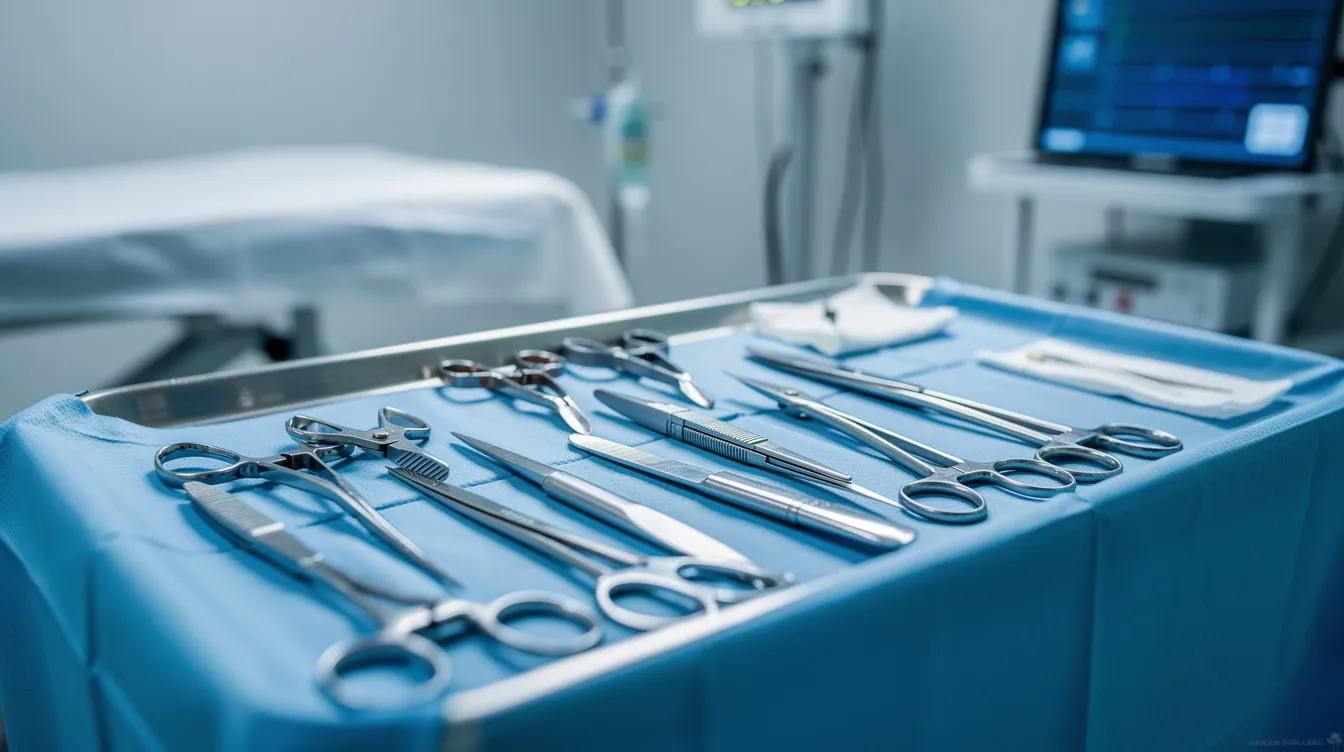
Surgical Approach For Grade 1: Minimally Invasive Techniques
Different surgical techniques have evolved to make gynecomastia surgery for grade 1 as discreet as possible. The periareolar incision, placed along the lower border of the areola, is the standard approach. The scar follows the natural color transition, making it nearly invisible once healed.
Most grade 1 procedures can be performed under local anesthesia with optional sedation, avoiding the risks of general anesthesia. Typical operative time for a combined approach is 45 to 60 minutes. In a 30-patient study using a single minimal incision, hematoma rates were approximately 3.3% and overall satisfaction scores averaged 4.1–4.5 out of 5 across aesthetic subcategories.
Combined Technique Details
The sequencing typically follows this order:
Tumescent solution is infiltrated to numb the area and reduce bleeding
Liposuction is performed through a small incision to debulk fatty tissue and feather the chest contour
Gland excision is completed through the same or adjacent periareolar access using a pull-through or direct approach
The incision is closed meticulously along the areolar border for minimal scar visibility
This combination of advanced techniques addresses both tissue types, preserves nipple position, and creates a natural chest contour. Careful planning around the areola ensures scars are well hidden.
Non-Surgical Alternatives And Their Limitations For Breast Enlargement
Not every case of grade 1 requires surgical intervention. Some cases of Grade 1 gynecomastia may resolve naturally, especially in teenagers. Watchful waiting is often recommended for recent cases, particularly when onset has occurred within the past 6 to 12 months during a pubertal hormonal surge.
Lifestyle modifications can help when reversible triggers are identified:
Weight management through diet and exercise can improve the appearance of fatty gynecomastia
Eliminating anabolic steroids, alcohol, or offending supplements
Working with your physician to adjust certain medications
Maintaining a healthy lifestyle to support proper hormone balance
Medication may be considered for painful or persistent cases. Tamoxifen is sometimes used off-label for tender or recent-onset gynecomastia, though evidence is limited and side effects exist. The key limitation is that medications rarely reverse long-standing gland tissue that has become fibrotic. Once breast tissue has been present for more than one to two years, it typically requires surgical treatment to achieve a masculine chest.
Recovery Expectations: Scars, Activity Restrictions, And Excess Skin
Recovery from grade 1 male breast reduction is straightforward compared to higher-grade procedures.
Compression garment: Worn for three to four weeks post-operatively. This helps reduce swelling and supports the new chest contour as tissues settle.
Activity restrictions:
Timeframe | Permitted Activities |
|---|---|
Days 1–2 | Light activities, desk work |
Weeks 1–2 | Walking, gentle daily tasks |
Weeks 2–4 | Gradual return to exercise; avoid strenuous exercise and heavy lifting |
Week 4+ | Full activity including chest exercises |
Scar maturation: Periareolar scars typically appear pink or slightly raised initially, then fade significantly over 6 to 12 months. Hypopigmentation occurs in roughly 5–7% of cases but continues to improve with time.
Because grade 1 does not involve significant physical excess skin grade concerns, the chest appearance improves steadily without the need for secondary skin tightening procedures.

Choosing Gynecomastia Surgeons And When To Contact Dr
Selecting the right plastic surgeon is critical to achieving the results you want. Here is what to look for:
Board certification in plastic surgery with specific experience in male breast reduction
A robust portfolio of before-and-after photos, specifically for grade 1 cases
Demonstrated use of minimally invasive surgical techniques
Transparent discussion of risks, realistic outcomes, and recovery
Availability of flexible payment plans to make treatment accessible
From a medical standpoint, you should contact dr if your breast enlargement has persisted beyond 12 to 24 months, causes ongoing emotional distress, or is accompanied by rapid growth, nipple discharge, or asymmetry. A medical evaluation can rule out underlying medical conditions such as testicular tumors, thyroid dysfunction, or liver disease.
During your initial consultation, the surgeon will evaluate your tissue composition, discuss your goals, and recommend an appropriate treatment plan tailored to your anatomy. Many practices now offer a virtual consultation option where you can submit photos for preliminary review before scheduling an in-person visit.
FAQs: Common Questions About Gynecomastia Grade 1
Can grade 1 gynecomastia resolve on its own?
It may resolve on its own, especially during puberty when hormonal fluctuations are temporary. If the condition has been present for less than 12 months in an adolescent, watchful waiting is reasonable. However, if breast tissue persists beyond one to two years, fibrosis sets in and the tissue is unlikely to disappear without surgical intervention.
How can I tell if it is gland tissue or just fat?
The pinch test is your best clinical tool. Gland tissue feels firm and rubbery, like a button or disc beneath the nipple. Fatty tissue is soft and compressible. If you are unsure, an ultrasound can differentiate the two, though imaging is rarely necessary for straightforward grade 1 presentations.
When is urgent evaluation necessary?
Seek immediate medical evaluation if you notice:
Rapid, unilateral breast growth
A hard, fixed mass that does not feel like typical glandular tissue
Nipple discharge, especially bloody
Skin changes such as dimpling or retraction
Associated testicular swelling or pain
These findings warrant prompt workup to rule out malignancy or serious endocrine pathology.
Call To Action: Contact Dr For Grade 1 Gynecomastia Evaluation
Grade 1 gynecomastia is highly treatable, and the right approach depends on your unique tissue composition, timeline, and personal goals. Whether your situation requires surgical treatment or benefits from watchful waiting, a qualified plastic surgeon can help you build a clear treatment plan.
Schedule your initial consultation to discuss your treatment options and take the first step toward a more masculine chest contour. If possible, submit chest photos from front, side, and three-quarter angles ahead of your visit so your surgeon can begin the evaluation before you walk through the door.
Frequently Asked Questions
What does grade 1 gynecomastia feel like?
Grade 1 gynecomastia feels like a firm, button-sized disc of glandular tissue directly beneath the nipple. It is distinct from surrounding soft, compressible fatty tissue. The tissue is typically only noticeable when shirtless.
What causes grade 1 gynecomastia?
Causes include hormonal imbalances, certain medications (spironolactone, antipsychotics, ketoconazole), anabolic steroid use, obesity, liver disease, excessive alcohol consumption, and lifestyle factors like marijuana use.
How is grade 1 gynecomastia diagnosed?
Diagnosis involves a focused breast examination where a clinician inspects the chest and performs a pinch test. The test involves pinching tissue between thumb and forefinger to identify firm, disc-like glandular resistance beneath the nipple.
What treatment options are available for grade 1 gynecomastia?
Treatment options include observation, liposuction, or minor gland excision. Grade 1 typically requires the least invasive surgical intervention and produces predictable cosmetic outcomes because skin retracts naturally without significant excess.
Can grade 1 gynecomastia resolve on its own?
If gynecomastia develops during puberty, it often resolves naturally within one to two years due to hormonal stabilization. In other cases, addressing underlying causes like medication changes or lifestyle modifications may help, though resolution is not guaranteed.


-2.jpg?width=2000&height=2000&name=Copy%20of%20YouTube%20Thumbnail%20-%20Life-Changing%20Cosmetic%20Surgery!%20(Document)-2.jpg)


