Learn more: Botox & Fillers at Leva Medical
Key Takeaways
Good lip injections look natural, feel soft, and complement your facial features rather than overpowering them
The best results come from qualified, board-certified injectors using FDA approved hyaluronic acid fillers like Restylane Kysse, Juvederm Volbella XC, or RHA formulas
Most HA fillers last 6–12 months depending on the product and your metabolism
Proper consultation, conservative technique, and careful aftercare separate beautiful lips from overfilled “duck lips”
If you dislike your results, hyaluronic acid fillers can be dissolved with hyaluronidase enzyme
What Makes Lip Injections “Good” – Not Overdone
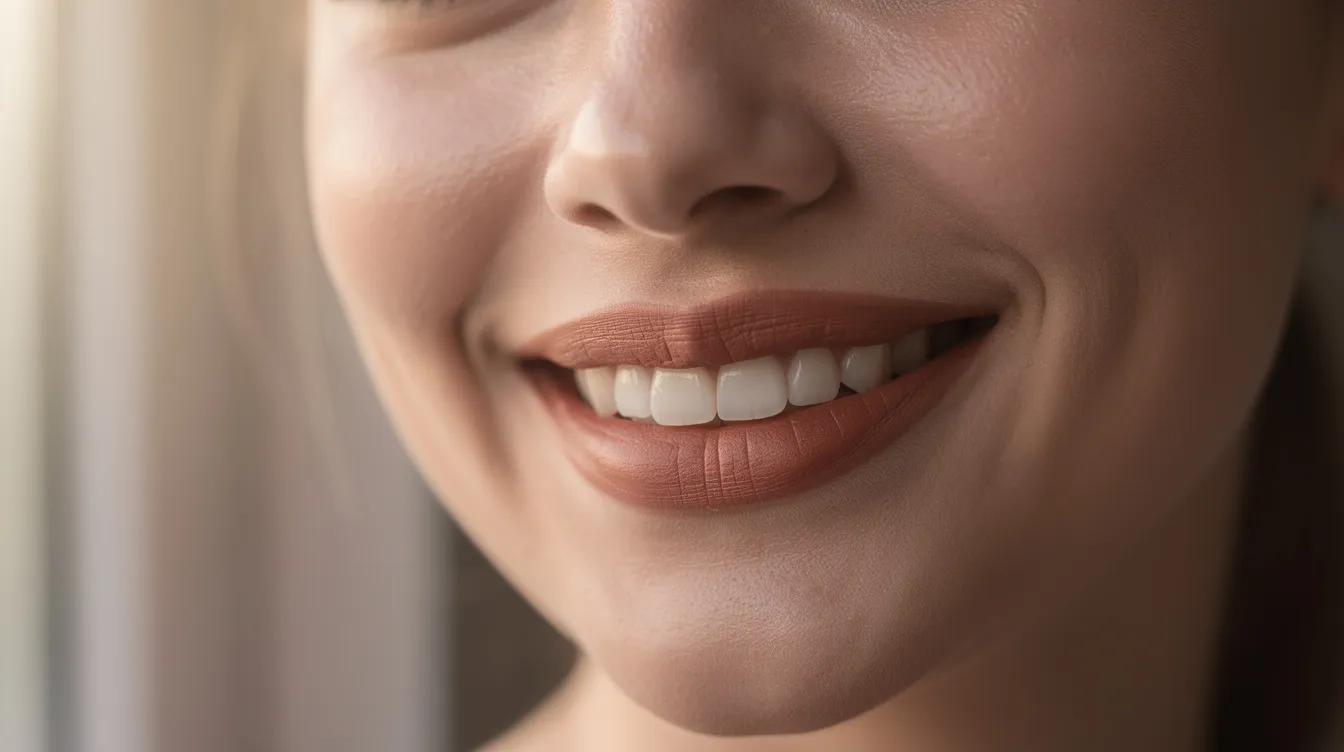
Good lip injections in 2026 follow a simple philosophy: your lips, but better. At Leva Medical in Queens, NY, Dr. Jacquelline Leva, DO specializes in natural lip enhancement that enhances your features without looking overdone. The goal is subtle enhancement that looks like you were simply born with a plumper pout, not an obvious cosmetic treatment that announces itself from across the room.
What separates excellent work from overdone results comes down to proportion, integration, and natural movement. The ideal balance maintains the upper lip at about one-third to half the volume of the lower lip, avoiding the top-heavy look that screams “filler.” Smooth lip borders without lumps, a more defined cupid’s bow that still looks organic, and lips that move naturally when you talk, smile, or kiss—these are the hallmarks of quality work.
Key qualities of good lip injections:
Natural proportions between upper and lower lip
Smooth vermilion borders with no visible migration
Soft texture that integrates with your tissue
Preserved natural movement for expressions
No “sausage” or “shelf” appearance
One important reality check: photos on Instagram and TikTok often feature heavily filtered, dramatically augmented lips that don’t translate well in person. What looks striking in ring-lit selfies can appear artificial under natural lighting and during dynamic facial expressions.
What Are Lip Fillers and How Do Good Lip Injections Work?
Most good lip injections use hyaluronic acid lip fillers, which are FDA approved gel-like substances made from a naturally occurring substance already present in your skin. Hyaluronic acid is a sugar molecule that can bind up to 1,000 times its weight in water, which is why it provides both hydration and volume enhancement.
During the lip filler procedure, your injector places small amounts of this gel into precise areas of your lips:
Area | Purpose |
|---|---|
Lip body | Adds overall plumpness and fullness |
Vermilion border | Creates definition around the lip edges |
Cupid’s bow | Sharpens the heart shape of the upper lip |
Oral commissures | Lifts the corners for a more youthful appearance |
Modern filler injections in 2026 use formulas designed for flexibility, so your lips maintain natural movement rather than feeling stiff. The filler gradually breaks down over 6–12 months through your body’s natural enzymatic processes.
Perhaps most reassuringly, hyaluronic acid fillers can be reversed. If results are excessive or unsatisfactory, an enzyme called hyaluronidase can dissolve the product within 24–48 hours.
Best Filler Types for a Natural “Good Lip Injection” Result
Not all lip fillers work the same way. Different formulations serve different purposes—some provide subtle hydration for deflated and dehydrated lips, while others offer more structural support for correcting asymmetry or enhancing shape.
Softer, low-viscosity fillers suit first-time patients or those seeking barely-there results. Firmer gels work better for strong lip border definition or creating a more defined cupid’s bow. A skilled injector won’t choose filler based on trends but on your unique lip anatomy, age, skin thickness, and lifestyle factors like smoking or sun exposure.
Popular HA Lip Fillers Commonly Used for Good Results
Restylane Kysse: Designed for high flexibility and tissue integration. Ideal for natural volume and a soft, kissable feel. Lasts 9–12 months. Best for first-timers wanting subtle volume.
Juvederm Volbella XC: Excellent for smoothing vertical lip lines (smoker’s lines) and fine lines around the mouth. Silky texture with minimal swelling. Lasts 6–9 months. Perfect for subtle lip enhancement and hydration.
Juvederm Ultra XC: Firmer formula for more noticeable lift and structure. Good for Cupid’s bow definition and moderate plumping. Lasts up to 12 months.
RHA 2 and RHA 3: Engineered to stretch and recover like natural skin. Popular in New York City practices for delivering natural movement. Lasts 9–12 months. Excellent for patients who want natural results during animation.
Belotero Balance: Very soft formula for subtle hydration. Best for fine lines and barely-there volume enhancement.
No single brand is universally the best lip fillers—matching filler type to your goals and tissue characteristics matters most.
Who Is a Good Candidate for Lip Injections?
Most healthy adults over 18 with realistic expectations can be good candidates for lip augmentation. However, a personalized consultation is essential to assess your baseline volume, skin elasticity, and medical history.
Ideal candidates typically have:
Thin lips or age-related volume loss
Uneven lip shape requiring correcting asymmetry
Vertical lip lines or nasolabial folds around the mouth
Dehydrated lips lacking fullness
Desire for a fuller appearance that still looks natural
Special considerations include:
History of cold sores (prophylactic antiviral medication reduces outbreak risk by 70%)
Autoimmune disorders that may affect healing
Bleeding disorders or current use of blood thinners
Recent dental work or vaccines (wait at least 2 weeks)
Contraindications include pregnancy, breastfeeding, and active infections in the treatment area.
The Process of Good Lip Injections: Step-by-Step
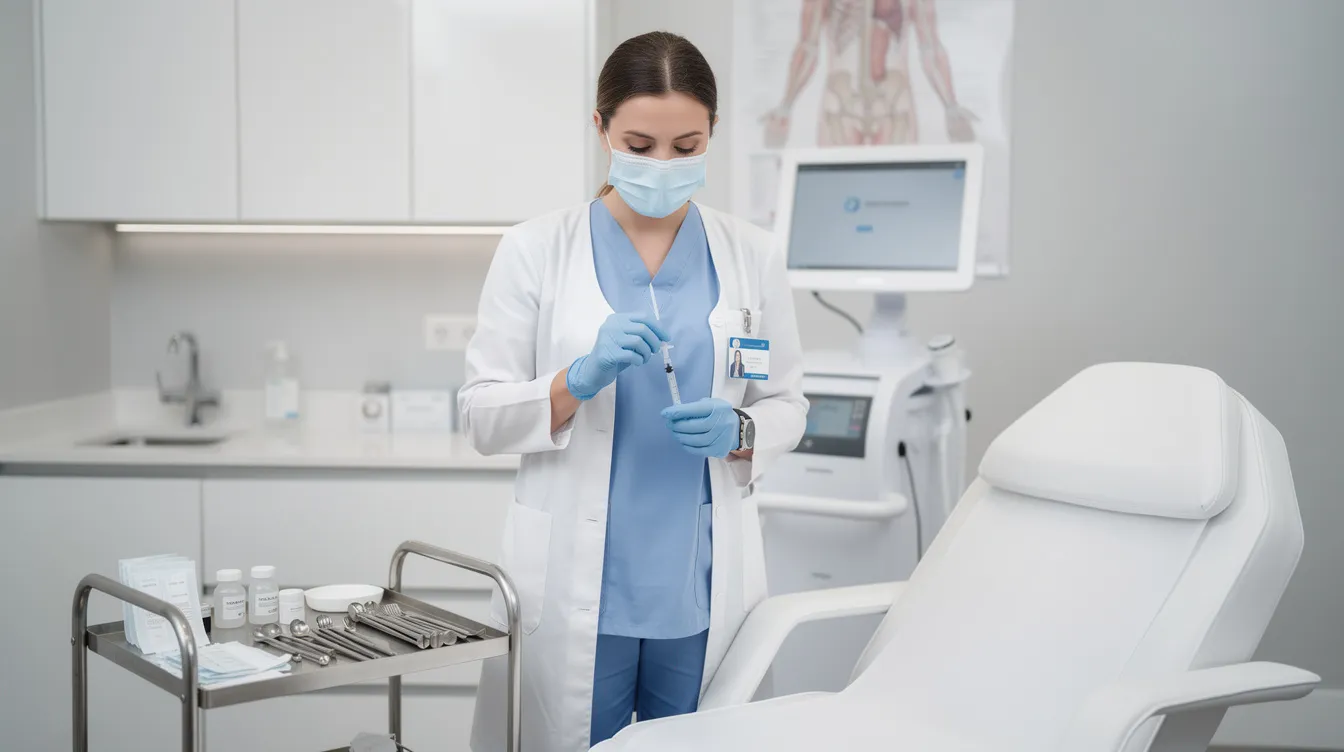
A typical appointment in 2026 lasts 30–45 minutes, including consultation, numbing, and the actual lip filler treatment. Here’s what to expect:
Consultation: Review goals, examine your lips at rest and while smiling, and discuss realistic outcomes
Marking: Injector maps injection points with a white pencil
Numbing: Topical numbing cream (lidocaine-prilocaine) applied for 20–30 minutes, achieving about 80% numbness
Injection: Slow, careful filler placement in small amounts (0.1–0.3 mL per site)
Symmetry checks: Frequent pauses to evaluate balance in mirror
Most modern fillers contain lidocaine for progressive anesthesia during the procedure. Some providers use vibration devices or nerve blocks for extra comfort.
You’ll see immediate change, but expect mild swelling that peaks at 24–48 hours. Final results appear once swelling subsides, typically around 7–10 days.
Techniques That Help Achieve Natural, Good-Looking Lips
Several injection techniques contribute to natural-looking outcomes:
Microdroplet technique: Tiny aliquots (0.01–0.05 mL) placed precisely for control
Tenting: Vertical fanning to evert the lip without creating heaviness
Cannula use: Blunt-tip instrument reduces bruising by about 50% and vascular risks by 90%
Good technique respects natural anatomy—avoiding overfilling the upper lip, preserving the philtral columns, and maintaining the ideal 1:1.6 upper-to-lower lip ratio.
Many experienced injectors recommend building volume over 2 sessions (4–6 weeks apart) rather than doing everything in one visit. First-time patients often metabolize filler 30% faster, so a conservative approach prevents overcorrection and delivers better long-term results.
Safety, Risks, and How to Avoid Bad Lip Injections
When performed by a trained medical professional, lip fillers safe profiles are excellent—adverse events occur in less than 2% of cases according to FDA data.
Common mild side effects (resolve within days):
Mild swelling (90% of patients)
Bruising (50–70%, arnica can help)
Tenderness at the injection site
Small lumps that typically soften
Rare but serious complications:
Vascular occlusion (0.05%, signaled by blanching and severe pain)
Infection (0.1%)
Granulomas or persistent nodules
Choosing a qualified provider dramatically reduces risks. Complication rates are under 1% with board-certified physicians at Leva Medical or plastic surgeons but rise to 5–10% with untrained providers.
How to vet your injector:
Verify board certification (ABPS or ABD)
Review 100+ before-and-after photos showing subtle, natural work
Confirm on-site access to hyaluronidase for emergencies
Choose a practice like Leva Medical where board-certified physicians perform all injections
Red flags of bad lip injections:
Migrated filler above the lip line (the “filler mustache”)
Very stiff lips with no natural pout
Obvious “duck” or “sausage” shapes
Disproportion between upper and lower lip
How Long Good Lip Injections Last and When to Get Touch-Ups
Most hyaluronic acid fillers last 6–12 months, with variation based on product density, your metabolism, and how much your lips move.
Filler Type | Typical Duration |
|---|---|
Softer formulas (Volbella, Belotero) | 6–9 months |
Medium flexibility (Kysse, RHA) | 9–12 months |
Firmer gels (Ultra XC) | Up to 12 months |
Very active individuals or frequent lip movers—speakers, performers, athletes—may metabolize filler 25% faster due to increased blood flow and movement.
Most patients opt for conservative touch-ups every 6–9 months to maintain results rather than waiting for complete fade. Results soften gradually; there’s no sudden “on/off” change. Good providers track doses and dates, allowing fine-tuning over time rather than restoring volume from scratch.
Preparing for Lip Injections and Getting the Best Result
Simple preparation reduces bruising and swelling, helping your injectable treatments look their best faster.
5–7 days before:
Stop non-essential blood thinners (aspirin, ibuprofen) with doctor approval
Discontinue fish oil supplements and high-dose vitamin E
Consider arnica supplements to minimize bruising
24 hours before:
Avoid alcohol and high-sodium foods
Skip intense exercise
Keep skin hydrated
Day of treatment:
Arrive with clean skin and no makeup
Bring realistic reference photos (not heavily filtered images)
Discuss your complete medical history, including allergies and previous dermal filler experiences
Aftercare for Good Lip Injections: Healing and Maintenance
Proper aftercare supports optimal healing and results.
First 24–48 hours:
Apply cool compresses in 10-minute intervals to reduce swelling
Avoid makeup on or around the lips for 4–6 hours
Skip saunas, hot yoga, and intense workouts
Sleep with your head elevated the first night
Ongoing care:
Don’t press, massage, or manipulate your lips unless instructed
Stay hydrated to support tissue integration
Avoid excessive sun exposure
Contact your provider immediately if you experience:
Severe pain or blanching skin (possible blood vessel occlusion)
Rapidly worsening asymmetry
Signs of infection (increasing redness, warmth, fever)
The occlusion treatment window is 4–12 hours, so prompt attention matters.
Cost of Good Lip Injections in 2026
High-quality lip enhancement is an investment in both safety and results. In major US cities, including New York and the Upper East Side, expect to pay approximately $600–$1,200 per syringe in 2026.
Most first-time patients need 0.5–1 syringe for natural-looking results. This means initial treatment typically runs $600–$1,200, with yearly maintenance (1–2 touch-ups) totaling $1,200–$2,400.
Why very low prices are concerning:
Possible counterfeit or diluted products
Insufficient injector training
Lack of emergency protocols or hyaluronidase on-site
Cosmetic surgery and injectable treatments are areas where prioritizing skill over savings yields significant ROI through fewer revisions, better outcomes, and avoided complications. A good injector who charges appropriately is almost always worth the investment over a discount provider who may deliver too much filler or poor technique.

FAQ
Can I still get good lip injections if I’ve had bad filler in the past?
Yes. Previous overfilling or migration can usually be corrected with hyaluronidase injections, which dissolve hyaluronic acid filler within 24–48 hours. Most correction cases require 1–3 dissolution sessions. Allow your lips to rest and fully heal (typically 2–4 weeks) before starting fresh with a conservative plan. Look for an injector who specializes in correction work and can show portfolios of similar cases—success rates for achieving natural results after correction reach about 85%.
How many syringes do I need for a natural, good result?
Most first-time patients achieve their desired outcome with just 0.5–1.0 syringe, depending on starting lip volume and aesthetic goals. Adding too much filler at once significantly increases the risk of an overfilled appearance. Many experienced injectors recommend layering volume over 2–3 sessions, which often looks better and lasts longer than doing everything at once. Trust your injector’s assessment rather than fixating on syringe numbers seen on social media.
Do good lip injections hurt?
Most patients describe the sensation as mild to moderate discomfort lasting only 2–5 minutes—typically rating it 3–5 on a 10-point scale. Comfort measures include topical anesthetic cream, ice, vibration devices, and lidocaine pre-mixed into most modern fillers. People with very low pain tolerance can request additional numbing strategies like intraoral nerve blocks during their consultation.
Will people be able to tell I had lip injections?
Well-executed good lip injections often look like you simply have naturally fuller lips, especially once swelling resolves at 7–10 days. Close friends or family who know your original lip shape may notice subtle enhancement, but strangers typically cannot tell. Obviously artificial results—the dreaded lip flip gone wrong or sausage lips—usually stem from overfilling or poor technique, not an inevitable outcome of filler itself.
What if I decide I don’t like the look of my lip injections?
HA fillers can be partially or fully dissolved with hyaluronidase if you’re unhappy with results. About 70% of dissatisfied patients need only partial adjustments rather than complete dissolution. Minor asymmetries can sometimes be corrected by adding a small amount of filler rather than removing everything. Starting with a conservative approach—building volume gradually—greatly reduces the chance of wanting a full reversal.
Schedule Your Lip Injection Consultation
Ready for natural, beautiful lip injections? Schedule a consultation with Dr. Jacquelline Leva at Leva Medical in Queens, NY. Book your appointment online or call our office at (718) 478-1431.


-2.jpg?width=2000&height=2000&name=Copy%20of%20YouTube%20Thumbnail%20-%20Life-Changing%20Cosmetic%20Surgery!%20(Document)-2.jpg)


