GLP-1 medications have transformed weight management for millions of people. But as the scale drops, a critical question emerges: how much of that weight loss comes from fat, and how much comes from muscle? Understanding glp 1 muscle loss and taking proactive steps can make the difference between a healthy transformation and one that leaves you weaker. This guide covers the evidence, the risks, and the practical strategies you need.
Overview of GLP-1 Receptor Agonists and GLP-1 Drugs
GLP-1 receptor agonists are injectable peptide drugs that mimic the natural incretin hormone GLP-1. They work by enhancing insulin secretion, suppressing glucagon, slowing gastric emptying, and promoting satiety through central nervous system pathways.
Common glp 1 drugs include semaglutide (Ozempic, Wegovy), liraglutide (Saxenda, Victoza), dulaglutide (Trulicity), and tirzepatide (Mounjaro, Zepbound). GLP-1 medications like semaglutide and tirzepatide are effective for weight loss, with clinical trials showing 15–21% reductions in body weight over 68–72 weeks. These weight loss drugs were originally developed for blood sugar control in type 2 diabetes but have since gained approval for obesity treatment, improving blood sugar levels and reducing cardiovascular risk in many patients.
Why Lean Body Mass Matters
Lean body mass includes muscle, bone, organs, water, and connective tissue, while fat mass refers to adipose tissue. When clinicians measure body composition, they often track fat free mass or appendicular skeletal muscle mass via DXA or MRI. Lean mass loss includes not just muscle but also water and other non-fat tissues, which is why the term is broader than "muscle" alone.
Losing muscle tissue has real consequences: reduced strength, impaired mobility, higher fall risk, lower metabolic rate, and diminished insulin sensitivity. Muscle function directly supports independence, especially in older adults. Preserving lean muscle mass during any weight loss journey protects metabolic health and maintains the body's capacity to regulate glucose, burn calories at rest, and perform daily activities.
Evidence From Clinical Trials on Lean Mass
Clinical trials provide the clearest picture of what happens to body composition during GLP-1 therapy:
Trial | Drug | Duration | Weight Loss | Lean Mass Loss |
|---|---|---|---|---|
STEP-1 | Semaglutide 2.4 mg | 68 weeks | ~14.9% | ~9.7% |
SURMOUNT-1 | Tirzepatide 5–15 mg | 72 weeks | ~21.3% | ~10.9% |
SUSTAIN-8 | Semaglutide 1.0 mg | 52 weeks | ~6% | ~4.5% |
GLP-1 medications can lead to a reduction in muscle mass alongside fat loss. Across these trials, 25% to 40% of weight loss may come from lean mass, and muscle loss ranges from 25% to 39% of total weight lost. Rapid weight loss often results in a higher proportion of lean mass loss compared to slower approaches.
However, GLP-1 medications do not uniquely cause high lean mass loss. Muscle loss is not unique to GLP-1 medications and occurs with other rapid weight loss methods, including bariatric surgery and aggressive caloric restriction. Meta-analyses show that relative lean mass (lean mass as a percentage of total weight) often improves because fat loss is proportionally much greater. Research suggests that rapid weight reduction through any method carries similar lean tissue risks.
How GLP-1 Medications May Cause Losing Muscle
Appetite suppression and caloric deficit. GLP-1s dramatically reduce hunger, which creates a sustained caloric deficit. This caloric deficit is a primary driver of weight loss from GLP-1 medications, but it inevitably pulls some lean mass along with fat mass. Reduced appetite contributes to lower food intake when using GLP-1 medications, which affects total calorie intake and nutrient quality.
Reduced protein intake. Lower protein intake due to reduced appetite can exacerbate muscle loss. When patients eat less overall, protein consumption often drops below the threshold needed to maintain muscle protein synthesis. Patients relying solely on GLP-1s without adjusting their nutrition risk losing substantial lean mass.
Drug-specific mechanisms. Beyond the energy deficit, GLP-1 signaling may influence mitochondrial dynamics, mTOR pathway activity, and hormonal shifts in insulin and IGF-1. Significant weight loss at the magnitude these drugs produce amplifies muscle breakdown through prolonged caloric restriction and elevated proteolysis. Certain patients on higher doses or dual agonists may experience greater absolute losses.
Monitoring Lean Mass and Bone Loss During Treatment
Start with a baseline DEXA or body composition scan before beginning therapy. This establishes your starting lean mass, fat mass, and bone mineral density.
Schedule follow-up scans at 12–16 week intervals during active weight loss to detect rates of lean mass decline and guide adjustments. For older adults, screen for bone loss risk factors including age over 65, fracture history, low vitamin d levels, and glucocorticoid use.
Functional and Laboratory Assessments
Include simple strength tests: grip strength, chair-stand test, timed up-and-go, and gait speed
Order basic labs: serum albumin, prealbumin, IGF-1, testosterone/estradiol, vitamin d, and calcium
Track weight, waist circumference, and thigh circumference regularly
A drop in limb circumference beyond what you'd expect from fat loss alone may signal excess muscle health decline. Monitoring for knee pain or joint issues during exercise is also important for patient care.
Nutrition Strategies to Preserve Lean Mass
High protein intake during weight loss is recommended to support muscle maintenance. Adequate protein intake supports muscle during active weight loss by providing the amino acids needed for repair and growth. Experts recommend 1.3 to 1.6 g/kg of protein for weight loss, though ranges of 1.2–2.2 g/kg are supported depending on activity level and age. Protein needs may increase when calorie intake is reduced.
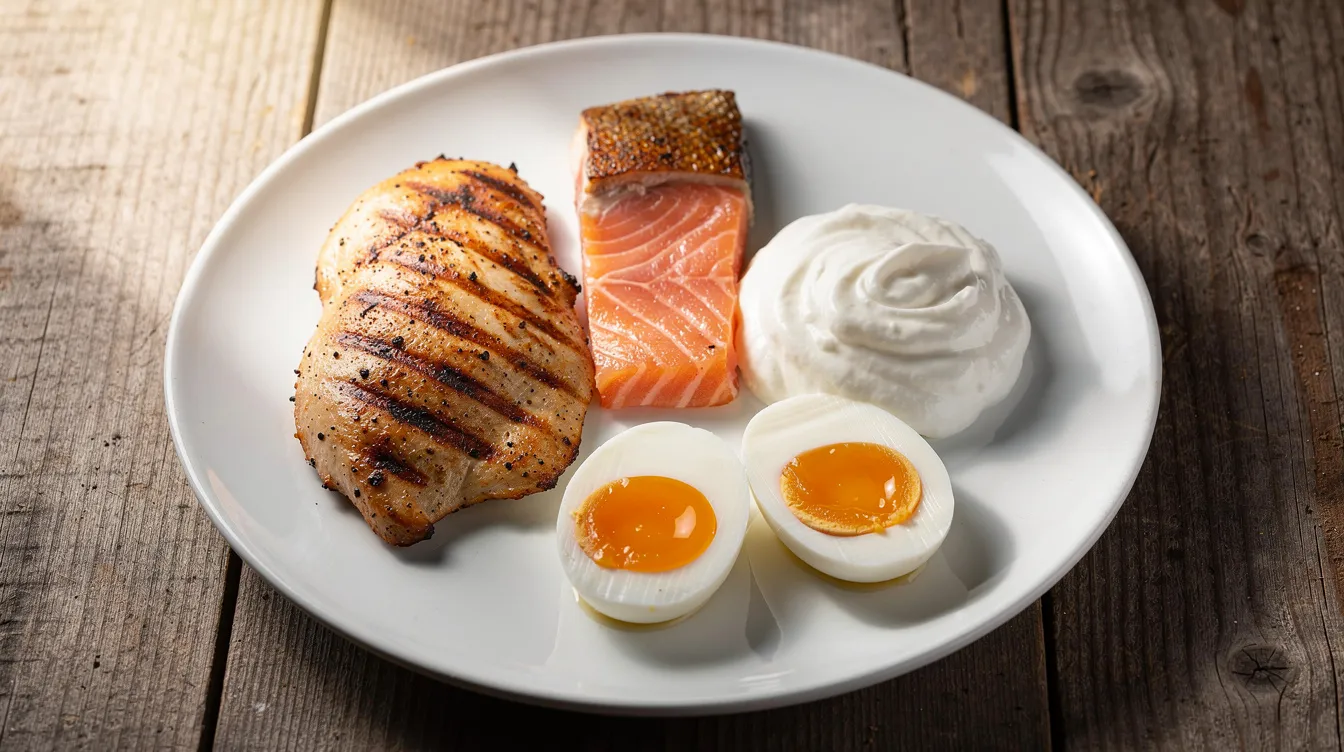
Key nutrition strategies:
Distribute protein across meals. Protein intake should be spread throughout the day for optimal synthesis. Aim for 3–4 meals daily.
Hit per-meal targets. Consuming 20-30g of high quality protein per meal optimizes muscle maintenance and stimulates muscle protein synthesis effectively.
Prioritize protein rich foods. Choose lean meats, fish, dairy, eggs, and soy. A high protein diet built on complete amino acid sources outperforms lower-quality alternatives.
Use supplements when needed. If appetite suppression makes eating enough whole food difficult, whey protein, casein, or mixed protein powders can help you get more protein without large meal volumes.
Exercise Plan: Resistance Training and Aerobic Exercise
Resistance training is crucial to minimize muscle loss during weight loss. Maintaining physical activity is important for preserving muscle during any weight loss journey, and engaging in regular strength training helps signal the body to preserve muscle. The combination of resistance training and high protein intake is essential to mitigate muscle loss on glp 1s.
Aim for 2-3 resistance training sessions weekly for best results. Resistance training preserves muscle during weight loss by activating anabolic pathways that prioritize muscle retention. Include aerobic exercise for cardiovascular health, but balance sessions to avoid excess muscle catabolism.
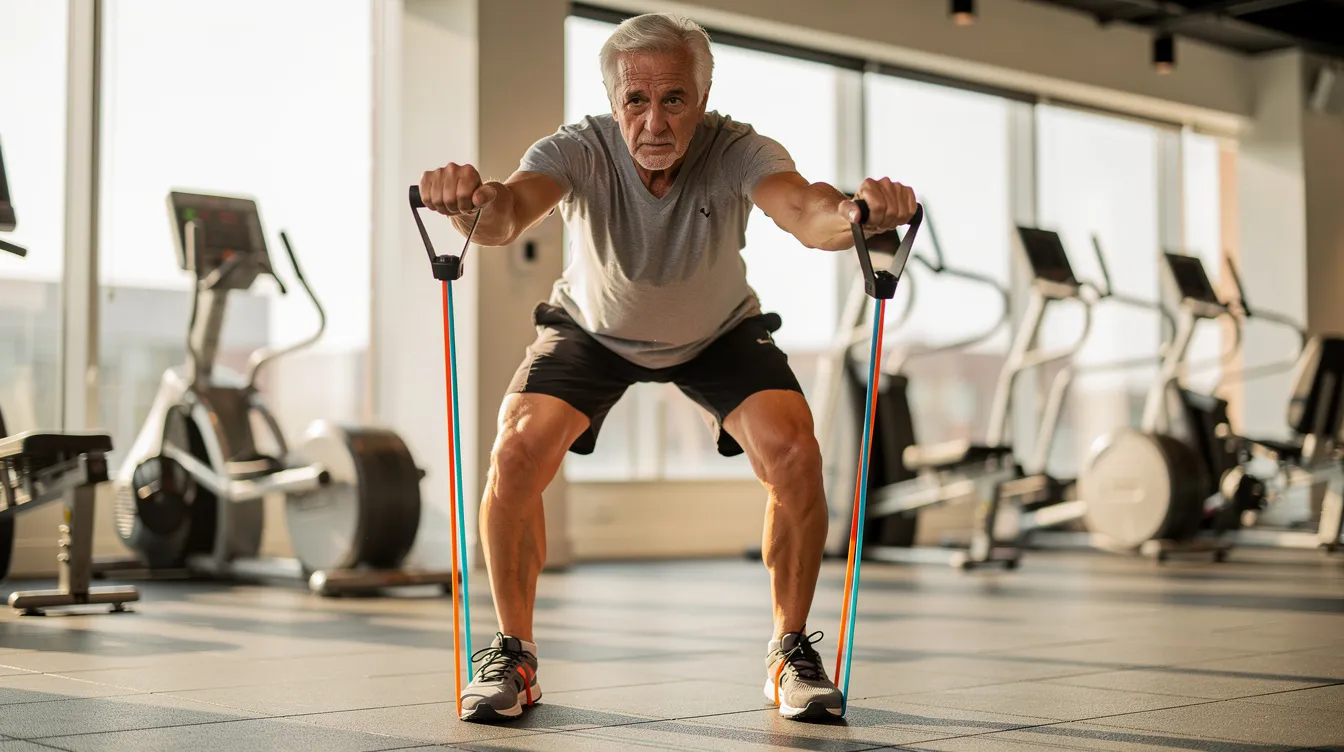
Resistance Training Details
Focus on compound movements: squats, deadlifts, bench press, rows for full-body stimulation
Program 8–12 repetitions per set for hypertrophy stimulus, 2–4 sets per exercise
For beginners, start with resistance bands, machines, wall push ups, or light weights before progressing
Even small amounts of resistance training can significantly help muscle retention
Resistance training activates pathways that prioritize muscle retention during weight loss
Use progressive overload-gradually increasing weight, volume, or intensity-to build muscle and maintain strength gains over time. Strength training at moderate-to-high intensity (60–80% of one-rep max) provides the strongest stimulus to preserve muscle.
Aerobic Exercise Guidance
Aim for 150 minutes weekly of moderate aerobic exercise
Prioritize low-impact cardio (cycling, swimming) for joint-sensitive patients or those with knee pain
Studies show resistance training is more effective than aerobic exercise for muscle preservation, so don't replace lifting with cardio
Regular exercise combining both modalities supports cardiovascular health, fat loss, and overall muscle preservation.
Supplements, Adjunct Therapies, and Clinical Trials
Several supplements show evidence for preventing muscle loss during active weight loss:
Creatine: supports strength and lean tissue maintenance
Leucine/BCAAs: stimulate muscle protein synthesis, especially in older adults
Vitamin D and calcium: support bone and muscle health
Experimental therapies are emerging. Enobosarm, a selective androgen receptor modulator, is being studied alongside semaglutide to augment fat loss while preserving muscle. PGDHi (prolyl-glycine dipeptidase inhibitors) and activin type II receptor blockers are in early clinical trials as potential powerful tools for muscle preservation, though human data remain limited.
Managing GI Side Effects That Affect Nutrition
Nausea, vomiting, and delayed gastric emptying can undermine your ability to lose weight healthily by preventing adequate nutrient intake. Practical strategies include:
Eat smaller, frequent meals to maintain calorie intake and protein intake
Choose softer, palatable high-protein foods (soups, smoothies, yogurt)
Avoid highly aromatic or rich foods early in treatment
Time doses with food to reduce nausea
If persistent GI intolerance prevents meeting protein needs, request a referral to a dietitian or discuss dose adjustments with your clinician. Physical therapists can also help design exercise around energy levels.
Special Populations: Older Adults and Active Individuals
Individuals over 55-60 years old are more susceptible to muscle loss due to anabolic resistance. Sarcopenia increases the risk of muscle loss during caloric restriction, and older adults are more vulnerable to muscle loss during weight loss generally. Tailor protein targets to the higher end (≥1.6 g/kg) and emphasize leucine-rich sources.
Adapt resistance programs for joint limitations-machines, bands, and supported exercises reduce injury risk while still providing the stimulus needed to preserve muscle. Consider sleep apnea screening, as poor sleep accelerates catabolic processes.
For athletes and active individuals, monitor performance metrics closely. They may require 1.6–2.4 g/kg protein, precise peri-training nutrition, and careful management of caloric deficit to avoid overtraining. Higher risk populations in both categories benefit most from individualized plans.
Work With Your Healthcare Team
Discuss muscle-risk openly with your clinician at every visit
Request referral to a dietitian for a personalized nutrition plan aligned with your protein needs
Ask about physical therapy for a structured exercise prescription
Ensure your healthcare team coordinates across disciplines for complete patient care
Practical Checklist to Prevent Losing Muscle on GLP-1s
Use this checklist as your foundation for muscle preservation during GLP-1 therapy:
[ ] Get a baseline body composition measurement (DEXA scan)
[ ] Set a daily protein intake target (1.3–1.6 g/kg minimum)
[ ] Schedule resistance training 2–3 times per week
[ ] Plan follow-up body composition scans every 12–16 weeks
[ ] Monitor symptoms of weakness, losing muscle, or functional decline
[ ] Track weight, waist, and limb circumferences monthly
[ ] Review nutrition and exercise goals with your healthcare team quarterly
Communicating With Clinicians: Questions to Ask
When you meet with your provider, come prepared:
What is my expected weight loss trajectory, and what does that mean for lean mass?
Can we monitor my body composition with DXA or another method?
What specific protein and exercise recommendations do you have for preventing muscle loss on glp 1 medications?
Should I see a dietitian or physical therapist?
Are there any emerging clinical trials I should consider?
Future Directions and Ongoing Clinical Trials
Trials combining glp 1 receptor agonists with muscle-sparing drugs like enobosarm are underway. Researchers are also exploring activin type II receptor blockers and PGDHi as adjuncts. However, significant gaps remain: long-term functional outcome data beyond 72 weeks are sparse, and few trials measure strength or muscle function as primary endpoints. Comparative trials of different GLP-1 agents under similar weight loss conditions are needed.
If you're eligible, enrolling in relevant clinical trials can contribute to the evidence base and give you access to emerging therapies.
Conclusion and Next Steps
Preserving lean mass during GLP-1 therapy comes down to three pillars: adequate protein, consistent resistance training, and proactive collaboration with your healthcare team. Weight management with glp 1 medications doesn't have to mean sacrificing muscle health for fat loss.
Start by scheduling a baseline body composition scan. Set your protein and exercise goals. Build a personalized preservation plan with your clinician, dietitian, and trainer. The patients who protect their muscle during this process are the ones who sustain their results and maintain their strength long after the weight comes off.
Frequently Asked Questions
What percentage of weight loss from GLP-1 medications comes from muscle rather than fat?
Clinical trials show that 25% to 40% of total weight loss may come from lean mass. In some trials, muscle loss represented 25% to 39% of total weight lost. However, relative lean mass as a percentage of total weight often improves because fat loss is proportionally much greater.
Why do GLP-1 medications cause muscle loss?
GLP-1s reduce appetite, creating a caloric deficit that pulls lean mass along with fat. Lower overall food intake often means insufficient protein consumption for muscle maintenance. The drugs may also influence metabolic pathways like mTOR and hormonal shifts in insulin and IGF-1 levels.
How much protein should I consume while taking GLP-1 medications?
Experts recommend 1.3 to 1.6 g/kg of body weight daily during weight loss, with ranges of 1.2 to 2.2 g/kg supported depending on activity level and age. Protein should be distributed across meals throughout the day to support muscle maintenance.
What monitoring tests should I have while on GLP-1 therapy?
Start with a baseline body composition scan (DEXA) before therapy. Schedule follow-up scans at 12-16 week intervals. Include strength tests, laboratory assessments for albumin, vitamin D, calcium, and testosterone, plus regular measurements of weight and limb circumference.
Is muscle loss unique to GLP-1 medications?
No. Muscle loss occurs with other rapid weight loss methods, including bariatric surgery and aggressive caloric restriction. Research shows that rapid weight reduction through any method carries similar lean tissue risks. GLP-1s do not uniquely cause high lean mass loss.
Learn more: Hormone Therapy at Leva Medical


-2.jpg?width=2000&height=2000&name=Copy%20of%20YouTube%20Thumbnail%20-%20Life-Changing%20Cosmetic%20Surgery!%20(Document)-2.jpg)


