Fat removal surgery is a widely discussed cosmetic procedure. Yet despite its popularity, misconceptions about what it can and cannot do are everywhere. This guide covers the major fat removal options, who qualifies, what the process looks like, and what to realistically expect during recovery.
What Is Fat Removal Surgery?
Fat removal surgery is a category of plastic surgery procedures designed to reshape specific areas of the body by eliminating localized fat deposits. The most well-known version is liposuction, a body contouring procedure that targets stubborn fat resistant to diet and exercise.
During a liposuction procedure, a plastic surgeon typically inserts a thin tube called a cannula through a small skin incision to break up and suction out unwanted fat deposits. The goal is to improve body appearance and smooth irregular body shapes rather than achieve significant weight loss.
This distinction matters. Liposuction is not a weight loss procedure for obese individuals. It works best for sculpting a new body shape in people who are already close to a healthy weight. That said, fat removal procedures can meaningfully impact body image and confidence when expectations are realistic.

Who Is a Candidate for Body Contouring?
Ideal candidates for body contouring surgery share several characteristics:
Stable body weight. Your weight should remain consistent for at least six months before surgery. Fluctuations can distort results.
Good general health. Conditions like uncontrolled diabetes or heart disease increase surgical risk. Non-smokers heal faster and face fewer complications.
Elastic skin. Skin quality determines how well your body adapts to its new contours. Loose skin from aging, pregnancy, or massive weight loss may limit what liposuction alone can achieve.
Realistic expectations. Surgery sculpts shape. It does not treat obesity, eliminate cellulite, or replace a healthy lifestyle.
Ideal candidates for liposuction are generally close to their normal weight. Patients with a BMI above 30 may need additional medical evaluation, and those who have undergone bariatric surgery often wait 18 months or longer before pursuing body contouring surgery.
Fat Removal Options for Stubborn Fat
Suction Assisted Liposuction for Unwanted Fat
Suction assisted liposuction is the foundation of modern fat removal. A cannula is inserted through a small incision and moved in fan-like patterns beneath the skin to break apart and remove excess fat. Common treatment areas include the abdomen, flanks, thighs, upper arms, chin, and enlarged male breast tissue.
Several variations exist:
Tumescent liposuction. The tumescent technique involves injecting a large amount of fluid-saline mixed with lidocaine and epinephrine-into the treatment area. This reduces bleeding, minimizes pain, and makes fat easier to remove. It's a widely used approach.
Super-wet technique. Similar to tumescent liposuction but uses not as much fluid-roughly equal to the volume of fat being removed.
Power assisted liposuction. A mechanized, vibrating cannula breaks up fat more efficiently, especially in fibrous areas like the back. Liposuction generally takes longer with traditional liposuction than with power assisted methods.
Ultrasound assisted liposuction (UAL). Ultrasound assisted liposuction uses ultrasonic vibrations to liquefy fat cells before suctioning, making it effective for dense tissue. It may also help prevent skin sag in some patients.
Laser assisted liposuction. This method liquefies fat cells using laser energy. The laser stimulates collagen production and helps maintain skin structure, potentially offering modest skin tightening.
Liposuction can remove a meaningful amount of fat in treated areas, producing noticeable changes in body proportions. Among other liposuction methods, radiofrequency-assisted and water-assisted techniques continue to evolve, each with trade-offs between efficiency, skin tightening, and risk.
Other Plastic Surgery Procedures
Surgical procedures can produce more dramatic results than non-surgical alternatives. However, not every situation calls for liposuction.
Non-invasive fat reduction. Non-surgical fat reduction devices exist. These offer modest reductions in fat thickness with minimal downtime but require multiple sessions and cannot address large volumes of excess body fat or excess skin. Liposuction is not effective for treating cellulite, and neither are most non-invasive options.
Tummy tuck. When loose skin, a hanging abdominal apron, or separated abdominal muscles are the primary concern, a tummy tuck may provide better results. Tummy tuck surgery removes excess abdominal skin and fat while tightening muscles-something liposuction cannot do.
Combined procedures. Some patients benefit from combining liposuction with a tummy tuck or body lift for comprehensive contouring, though this increases surgery time, recovery, and risk.
Preparing for a Liposuction Procedure
Preparation starts with a thorough consultation. A consultation allows for personalized planning and a clear discussion of expected recovery times.
During this visit, the doctor will:
Review your medical history, allergies, and current medications
Assess fat distribution, skin elasticity, and deeper tissues
Discuss how much fat can realistically be removed
Set goals for your new body shape
You should disclose all medications, supplements, and nicotine use. Blood thinners and NSAIDs must typically be stopped weeks before the surgical procedure. Smoking cessation at least four to six weeks prior is standard.
On surgery day, arrange transportation home and a caregiver for the first 24 to 48 hours. Fasting is required if general anesthesia will be used.
What Happens During the Liposuction Procedure?
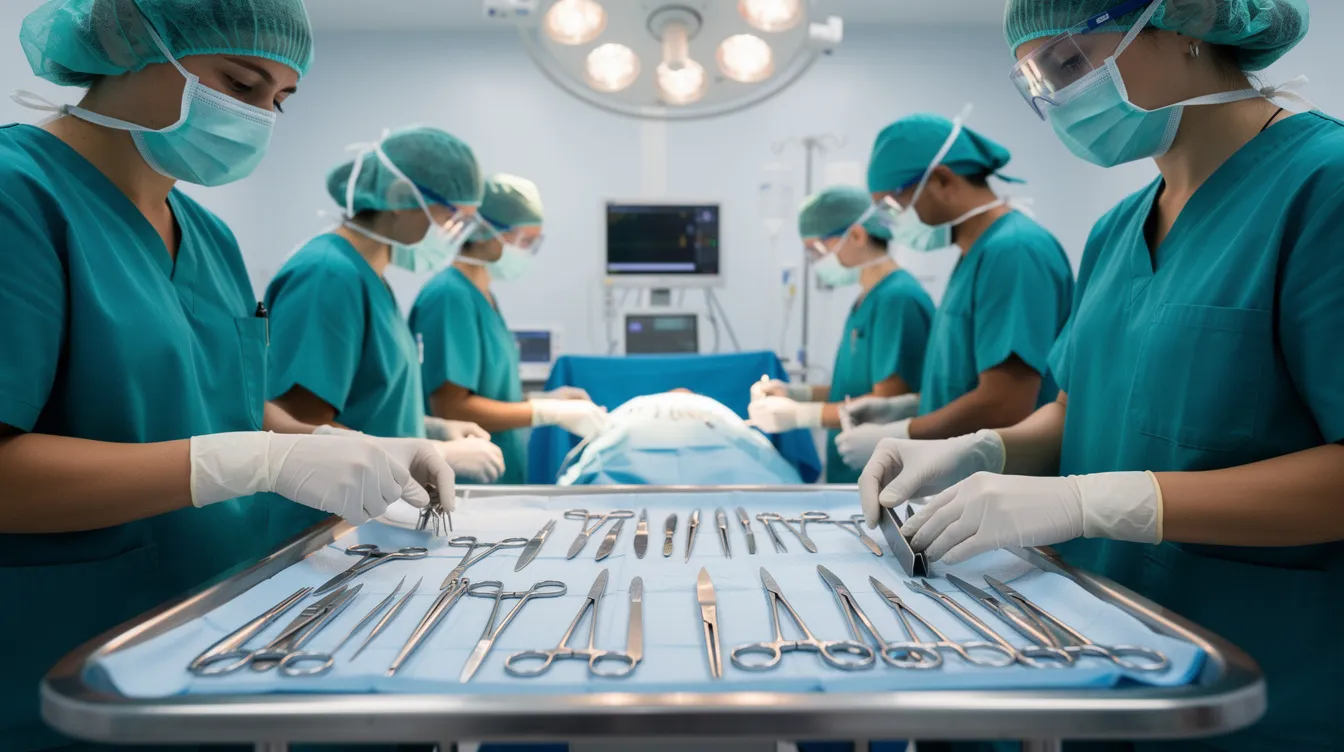
The surgical team will select an anesthesia approach based on the scope of treatment:
Procedure Size | Anesthesia Type | Setting |
|---|---|---|
Small, single area | Local or sedation | Outpatient surgery center |
Multiple areas | Sedation or general | Outpatient or hospital |
Large volume (≥5 liters) | General anesthesia | Hospital with overnight stay |
Patients may require a hospital stay depending on the procedure's extent, particularly for large volume cases where fluid shifts and blood loss require monitoring.
Incisions are placed in natural creases or inconspicuous spots-each just a few millimeters long. The cannula is moved through deep and superficial fat layers in alternating patterns to remove fat evenly and avoid damage to blood vessels, nerves, and surrounding tissues. In energy-assisted methods, the device may turn fat cells into liquid before suction, allowing for smoother contours. Fat grafting to other body areas is sometimes performed simultaneously using the harvested tissue.
Recovery After Fat Removal Surgery
Recovery from surgical fat removal requires managing swelling and wearing compression garments. Here's what the timeline typically looks like:
Days 1–3. Swelling, bruising, and pain peak. A compression garment is applied immediately and worn continuously. Patients may experience swelling, bruising, and pain after surgery that is most intense during this window.
Days 5–10. Stitches are typically removed within 5 to 10 days. Most patients feel better after one to two weeks, and patients can return to work within a few days if the treated area is small.
Weeks 1–3. Swelling and bruising usually resolve within three weeks. Light walking is encouraged to promote circulation.
Weeks 4–6. Strenuous activity can generally resume. Compression garments should be worn for several weeks post-surgery-often up to six weeks. This helps prevent skin sag and supports tissue healing.
Months 3–6. Final contours become visible as residual swelling resolves.
This is an outpatient procedure for most patients, though larger treatments may require an overnight stay.

Risks of Plastic Surgery
Every cosmetic surgery procedure carries risk. Complications from fat removal surgeries can include infection and contour irregularities, which are among the issues reported most often. Complications can also include bleeding and skin necrosis.
Other possible complications include:
Contour deformity or uneven results
Hyperpigmentation (darkening of the skin)
Seroma (fluid collection under the skin)
Hematoma (blood collection under the skin)
Serious infection
Venous thromboembolism (blood clots)
Liposuction can have serious or rare fatal complications, including fat embolism, pulmonary embolism, and lidocaine toxicity. Risk increases with larger treatment areas, higher BMI, longer surgery duration, and combined procedures.
Seek immediate medical attention if you experience persistent chest pain, difficulty breathing, sudden leg swelling, high fever, or signs of infection at the incision site.
Liposuction, Tummy Tuck, or Loose Skin Treatment?
Choosing between these cosmetic surgery procedures depends on what your body actually needs:
Liposuction is ideal when the problem is localized unwanted excess fat with good overlying skin quality. It removes unwanted excess fat effectively but cannot tighten excess skin or repair separated abdominal muscles.
Tummy tuck is the better choice when you need to remove excess skin, address a stretched or separated abdominal wall, or eliminate a hanging pannus. It combines skin removal with muscle repair-called body contouring when paired with other lifts.
Body lifts (arms, thighs, lower body) address sagging and excess tissue in other areas, often after massive weight loss. These involve larger incisions and longer recovery.
A consultation can determine whether one procedure or a staged combination will best achieve your goals.
Results and Long-Term Body Contouring
Fat cells removed during liposuction do not regenerate. The results are long-lasting in treated areas. However, gaining weight after liposuction can cause remaining fat cells to expand, potentially distorting your contours.
Maintaining results requires:
Staying at a normal weight through consistent diet and exercise
Building sustainable habits rather than relying on the procedure as a fix
Understanding that treated fat cells are removed, but the body can still gain weight in untreated areas
Final contours typically appear three to six months after surgery, though subtle swelling may persist up to 12 months in areas like the lower legs. Aesthetic plastic surgery and aesthetic surgery outcomes depend heavily on patient commitment post-procedure.
Planning Your Consultation
A consultation is the place to talk through your goals, your health history, and which fat removal option fits your body. Bring a list of medications and supplements, and be ready to discuss past surgeries, weight changes, and nicotine use.
Useful questions to ask include which technique suits the areas you want treated, what kind of anesthesia is planned, how long compression garments are needed, and what recovery will look like for your work and daily routine. Reviewing before-and-after photos can help set realistic expectations, and it is worth confirming that the procedure takes place in an accredited facility.
Other procedures, from fat grafting to body lifts, may complement your plan, so a thorough consultation helps ensure nothing is overlooked.
Cosmetic procedures are self-pay. Payment options can be reviewed in office after the exact plan and total are known.
Realistic expectations and careful preparation are the foundation of a good outcome. Take the time to ask questions and prepare before committing to any procedure.
Frequently Asked Questions
What is fat removal surgery?
Fat removal surgery is a group of plastic surgery procedures that reshape specific body areas by removing localized fat deposits. The most familiar example is liposuction, which targets fat that persists despite diet and exercise. It is generally used for body contouring rather than significant weight loss.
Who is generally a candidate for body contouring surgery?
Candidates typically have stable body weight for at least six months, good general health, and elastic skin. Non-smokers and people with realistic expectations are generally considered better candidates. Those with a BMI above 30 may need additional medical evaluation before surgery.
What is the difference between tumescent and super-wet liposuction?
Tumescent liposuction injects a large volume of saline solution with lidocaine and epinephrine, which reduces bleeding and pain. Super-wet liposuction uses a smaller fluid volume, roughly equal to the amount of fat being removed. Both aim to make fat removal easier and safer.
Can liposuction treat cellulite or replace weight loss?
No. Liposuction does not treat cellulite, and most non-invasive options do not either. It is not a substitute for weight loss or a healthy lifestyle, and it is not designed to treat obesity. It works best for refining body shape in people already near a healthy weight.
How should I prepare for a liposuction procedure?
Preparation includes a consultation to review medical history, medications, and goals. Blood thinners and NSAIDs are typically stopped weeks beforehand, and smoking cessation for four to six weeks is standard. Arrange transportation home and a caregiver for the first 24 to 48 hours.
About Leva Medical
Leva Medical has offices in Queens (94-06 59th Ave, Suite E9, Elmhurst, NY 11373) and in Northport, Long Island (320 Laurel Rd, Northport, NY 11768).
Call (718) 699-9737 to book a consultation with our board-certified doctors.
Learn more: Liposuction at Leva Medical