Introduction to Fat Grafting in Queens, New York
Fat grafting, also known as fat transfer, is a popular cosmetic procedure for patients who want to enhance their appearance without synthetic materials. It uses your own fat cells to restore volume where it has been lost or to create fuller contours, so results can look and feel natural. Many people searching for fat grafting in Queens, NY are drawn to it because it fits a growing preference for subtle, balanced outcomes rather than an overdone look.
Facial and body fat grafting can be planned to restore volume and refine contours in a way that complements your natural facial structure and body proportions. Every plan is individualized and begins with a consultation.
Whether you are interested in facial fat grafting to soften hollows and restore youthful fullness, breast fat transfer for subtle shaping, or a Brazilian Butt Lift for enhanced curves, this article walks you through what you need to know, from candidacy and procedure details to recovery and frequently asked questions.

What Is Fat Grafting (Fat Transfer)?
Fat grafting is a cosmetic procedure that transfers fat from one area of your body to another. Rather than relying on synthetic fillers or implants, the surgeon uses fat harvested from your own tissues to restore volume or enhance contours in a treatment area. Because the fat comes from you, it is biocompatible, so the risk of an allergic reaction to the material itself is very low.
The procedure unfolds in three main stages:
Harvesting: Using gentle liposuction, the surgeon removes excess fat from a donor area such as the abdomen, flanks, lower back, or thighs. The goal is to extract fat carefully to preserve the viability of each fat cell.
Processing: The collected fat is purified to remove blood, oil, and other fluids. What remains is concentrated, healthy fat ready for transfer.
Injection: Small cannulas are used to place the fat into the recipient area in thin layers. This technique helps more fat settle and survive while creating smooth, natural contours.
Many patients use fat grafting to address age-related volume loss in the face, while others seek fuller breasts or buttocks. Careful technique is aimed at supporting fat cell survival and natural-looking results that do not look artificial.
Areas of the Body Commonly Treated with Fat Grafting
Fat transfer can be used in several regions, with each treatment plan customized to the patient's aesthetic goals and anatomy. Here are common areas where fat grafting can make a meaningful difference:
Facial Fat Grafting
The face often shows early signs of aging. A facial fat grafting procedure can address:
Cheeks that have lost volume over time
Under-eye hollows and tear troughs
Temples that appear sunken or hollow
Nasolabial folds and marionette lines
Jawline contours that have softened
By restoring facial volume, facial fat transfer can help patients achieve a refreshed, more youthful appearance without the tightness some people associate with surgical facelifts.
Breast Fat Grafting
For patients seeking modest breast enhancement or improvement in breast shape, fat grafting offers an alternative to implants. Common goals include:
Subtle size enhancement
Correction of contour irregularities
Improved symmetry after weight loss or pregnancy
Brazilian Butt Lift (BBL)
The Brazilian Butt Lift uses fat transfer to enhance the buttocks and hip region. Patients often seek this procedure to improve projection, create a rounder shape, and refine the hip-to-waist ratio, while slimming the donor area through liposuction.
Other Refinement Areas
Fat grafting can also restore volume to the backs of the hands, where aging often makes tendons and veins more visible. It can also help camouflage contour irregularities from prior surgery or injury.
Good treatment planning focuses on balance and proportion rather than simply adding size. The goal is results that complement your natural body.

Who Is a Good Candidate for Fat Grafting?
The way to determine whether fat grafting is right for you is a consultation. During this visit, your anatomy is evaluated, your goals are discussed, and your medical history is reviewed to confirm whether you are a suitable candidate.
Key Candidate Characteristics
Generally, good candidates share the following traits:
Characteristic | Why It Matters |
|---|---|
Good overall health | Reduces surgical risks and supports healing |
Non-smoker or willing to quit | Smoking impairs circulation and fat survival |
Realistic expectations | Understanding that some fat resorption is normal |
Adequate donor fat | Enough pinchable fat in the abdomen, flanks, or thighs |
Stable weight | Significant weight changes can affect long-term results |
Typical Candidates Include
Patients experiencing facial volume loss, deep folds, or hollow under-eyes who want a more rested appearance
Individuals seeking fuller, rounder buttocks without implants
Patients looking to refine breast shape or symmetry with subtle, natural enhancement
Those interested in restoring volume to aging hands
During your consultation, factors such as previous surgeries, current medications, and any conditions that might require medical clearance are reviewed before proceeding. This thorough evaluation helps plan your procedure with safety in mind.
The Fat Grafting Procedure
On the day of your procedure, you will check in, change into a surgical gown, and review your treatment plan with the care team one final time. The experience is designed to feel organized and supportive from start to finish.
Anesthesia Options
Depending on the extent of your fat transfer, anesthesia may involve local anesthesia with sedation or general anesthesia. During your consultation, the team will explain which option is appropriate for your procedure and answer your questions.
Donor Fat Harvesting
Small, discreet incisions are made at the donor site, typically the abdomen, flanks, lower back, or thighs. Gentle liposuction is performed to extract fat while preserving the integrity of the fat cells. This careful approach supports survival once the fat is transferred.
Fat Processing
The harvested fat is purified to remove excess fluid, blood, and oil. Careful handling aims to concentrate healthy, viable fat cells, although some of the transferred fat is always reabsorbed by the body.
Injection Technique
Using small cannulas, the fat is injected in thin layers across multiple planes within the facial tissues or body area being treated. This microdroplet technique helps the transferred fat establish blood supply and integrate smoothly, aiming for natural contours rather than lumps or irregularities.
Procedure Duration
Focused facial fat grafting is usually shorter than combined procedures or a BBL, which take longer depending on the number of areas treated. Your expected surgery time is discussed at the consultation, and you receive detailed pre- and post-operative instructions.
What to Expect Right After Surgery
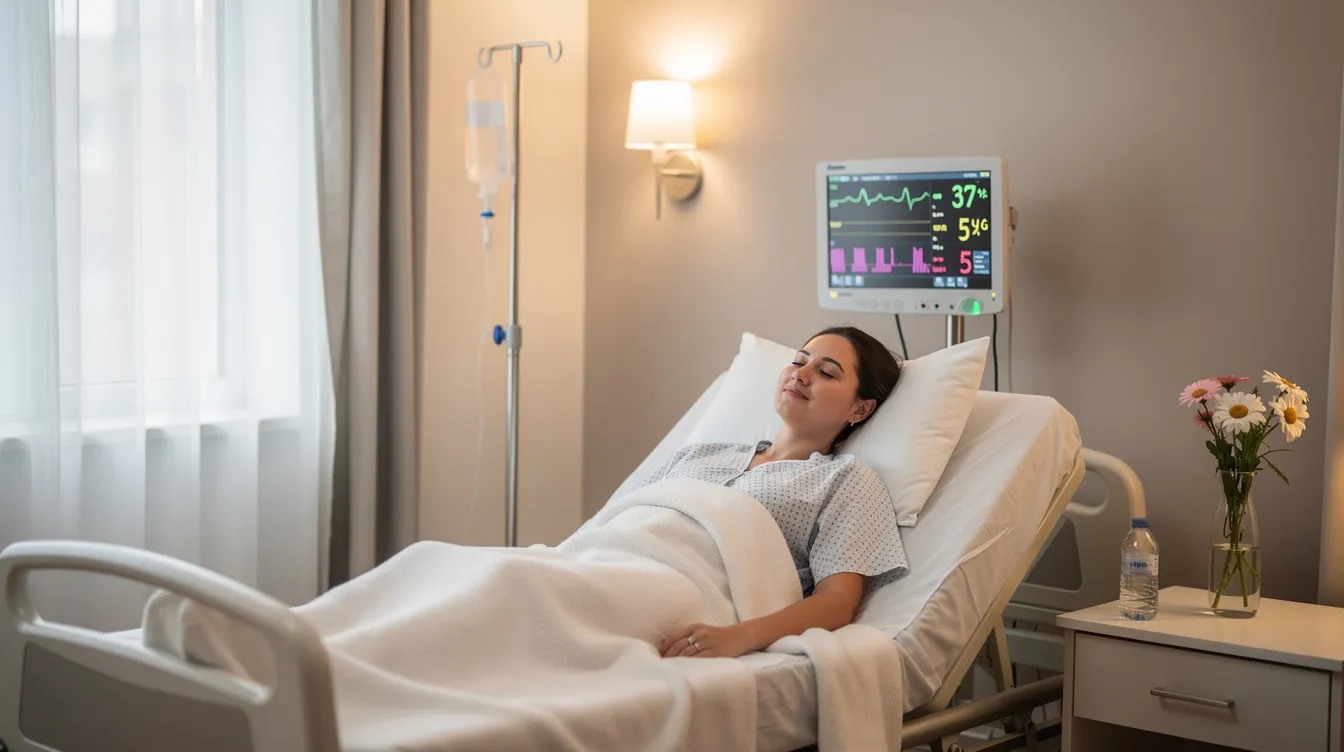
Immediately after your fat transfer, you will be monitored in a recovery area before being cleared to go home. Many fat grafting patients go home the same day and need an escort to drive them.
In the first few days, expect:
Swelling and bruising at both the donor area and recipient sites
A feeling of tightness or fullness where fat was injected
Compression garments on liposuction areas to reduce swelling
Specific positioning instructions if you had a BBL (such as minimizing direct sitting on the buttocks)
Discomfort is typically manageable with prescribed medications, and light walking is encouraged early in recovery.
Recovery and Results After Fat Grafting
Recovery timelines vary based on the extent of your procedure. Facial fat grafting generally involves less downtime than larger-volume body fat transfers like a Brazilian Butt Lift.
General Activity Milestones
Light walking is encouraged soon after surgery. Return to desk work, normal daily activities, and exercise happens gradually, and only when you are cleared by your surgeon. Your personal timeline is reviewed at your consultation and follow-up visits.
Swelling and bruising usually peak early and steadily improve over the following weeks. Not all transferred fat survives; your body naturally absorbs a portion of the injected fat cells. Early fullness settles into a more stable contour as healing progresses.
When Will You See Final Results?
Final results take time to appear. Swelling must subside and the surviving fat cells need to integrate with the surrounding tissues, which happens over a period of months.
Because transferred fat is living tissue, changes in body weight can affect your long-term outcome. Weight loss after fat grafting can reduce the volume that remains, while maintaining a stable weight helps preserve results. A healthy lifestyle supports a good outcome.
Benefits and Considerations of Fat Grafting
Many patients from Queens, New York consider fat transfer instead of synthetic fillers or implants for several reasons.
Key Benefits
Uses your own tissue, so the risk of an allergic reaction to the material is very low
Addresses two areas at once, slimming a donor site while enhancing another
Produces soft, natural-feeling volume that moves with your body
Can be tailored for subtle refinement or more noticeable contouring
Results can be long-lasting compared with dermal filler treatments
Avoids the need for foreign implants in the breasts or buttocks
Important Considerations
Some variability exists in how much fat survives; touch-up procedures may be recommended
Temporary swelling can last longer than after injectable fillers
Requires sufficient donor fat; very lean patients may have limited options
Recovery involves more downtime than non-surgical treatments
Weight fluctuations can affect results over time
All surgery carries risks, including infection, asymmetry, lumps or contour irregularities, scarring, and the need for revision
Individual risks and expected outcomes are discussed during the consultation. This honest conversation helps you make an informed decision about whether fat grafting aligns with your goals.
Frequently Asked Questions
How long does fat grafting last?
Once fat cells survive the transfer and establish blood supply, they can remain for many years. The transferred fat ages naturally along with the rest of your body and may be affected by weight fluctuations. Results can be long-lasting, and a stable weight helps maintain them.
Is fat grafting safe?
Fat grafting is an established procedure, and using your own fat makes an allergic reaction to the material very unlikely. All surgery carries some risk, including infection, bruising, swelling, asymmetry, contour irregularities, scarring, or the need for revision. These factors are reviewed during your consultation.
How soon can I go back to work after fat transfer?
Recovery depends on the extent of your procedure. Focused facial fat grafting usually allows a quicker return to desk work than more extensive body procedures like a BBL. Healing is individual, so follow your surgeon's guidance.
Will I have visible scars?
The incisions used for liposuction and fat injection are small and placed in discreet locations. Some scarring is possible, but with proper care these marks usually fade over time and become difficult to notice.
How much does fat grafting cost?
The cost depends on the areas treated and the overall plan. Cosmetic procedures are self-pay. Payment options can be reviewed in office after the exact plan and total are known.
Can fat grafting be combined with other procedures?
Yes. Fat grafting is often combined with liposuction, breast lift, or facial rejuvenation procedures. Combining treatments can address multiple goals in a single surgery. A consultation is the place to discuss whether a combined approach makes sense for your anatomy, goals, and lifestyle.
About Leva Medical
Leva Medical has offices in Queens (94-06 59th Ave, Suite E9, Elmhurst, NY 11373) and in Northport, Long Island (320 Laurel Rd, Northport, NY 11768).
Call (718) 699-9737 to book a consultation with our board-certified doctors.
Dr. Jean-Paul Leva
Dr. Jean-Paul Leva, FACS is board certified in cosmetic and general surgery. Dr. Jean-Paul Leva, FACS obtained his Doctor of Osteopathic Medicine degree from ...