Facial fat transfer, also called facial fat grafting, uses a small amount of your own fat to restore volume and soften hollow areas of the face. Because the material comes from your own body, many people see it as a natural way to refresh the face. This guide covers what the procedure involves, how fat is harvested and placed, what recovery can look like, the risks to understand, and who may be a good candidate.
Defining Facial Fat Transfer
Facial fat transfer moves fat from one part of the body to specific areas of the face. A surgeon removes fat from a donor area with gentle liposuction, processes it, and then injects it in small amounts where volume has been lost. Common treatment areas include the cheeks, temples, the folds around the mouth, the jawline and the lips. Each plan is built around the person's facial structure, skin quality and goals, so the added volume fits their features.
The Science Behind It: How Fat Grafting Works
Fat grafting relies on the ability of transferred fat cells to develop a new blood supply in their new location. Fat that gains a blood supply can survive, while some of the transferred fat is naturally absorbed by the body over the following months. For this reason, fat is usually placed in many tiny deposits rather than in large amounts, which gives more of the cells contact with surrounding tissue.
Benefits of Facial Fat Transfer
People consider facial fat transfer for several reasons:
- Restored volume: It can fill areas that have become hollow or sunken with age.
- Improved contours: Careful placement can add shape to flat cheeks or a less defined jawline.
- Long-lasting results: Fat that establishes a blood supply can remain for years, so results are considered long-lasting.
- Natural look and feel: Because the fat is your own tissue, it blends with the surrounding tissue.
- Small incisions: Fat is removed and placed through small openings, which typically leave small scars.
Consultation: A Personalized Plan
The process starts with a consultation. Your goals and concerns are discussed, and your facial structure, skin quality, medical history and overall health are reviewed to decide whether facial fat transfer suits you. This is also the time to ask about anesthesia, the expected recovery and the possible risks, and to review whether another treatment, such as fillers, might fit your goals better.
Donor Site Selection
Choosing the donor site is an important step. The amount of available fat, its quality and how easily it can be reached are all considered. Common donor sites include the abdomen, thighs and hips. A small amount of fat is usually enough for the face, so the donor area typically changes only slightly.
Fat Harvesting
Fat is harvested with liposuction through small incisions, often using a tumescent technique in which a fluid is first placed in the donor area. Gentle suction helps protect the fat cells so they remain viable for transfer. The donor area may feel sore and look bruised for a while afterward.
Purification and Preparation
After harvesting, the fat is processed to separate it from fluids, oils and damaged cells. This step concentrates healthy fat cells and prepares them for injection. Careful handling of the fat matters, because the quality of the graft affects how much of it survives.
Injection: Precise Placement
The purified fat is injected through fine cannulas in small amounts. Placement follows facial anatomy, with fat layered in targeted areas such as the cheeks, temples or jawline. Spreading the fat evenly helps the result look smooth and balanced and lowers the chance of lumps or uneven areas.
Combining with Other Procedures
Facial fat transfer is sometimes combined with other procedures. A facelift can address loose skin while fat restores volume, and eyelid surgery can refresh the area around the eyes. Some people pair fat transfer with fillers or neuromodulators for fine-tuning. Whether a combination makes sense depends on your anatomy, health and goals, and it is discussed at the consultation.
Post-Procedure Care
After the procedure, you receive instructions on caring for the treated areas and the donor site. These usually cover wound care, any prescribed medications, activity limits and follow-up visits. Following these instructions closely supports healing and helps protect the transferred fat.
Downtime and Healing: Managing Swelling and Bruising
Swelling and bruising are common after facial fat transfer and are usually most noticeable in the first 7-10 days. Cold compresses, keeping the head elevated, and avoiding pressure on the face and strenuous activity early on may be recommended. Swelling then fades gradually, and the final look becomes clearer once it has settled.
Longevity of Results
Once the transferred fat establishes a blood supply, it can last for years, and results are considered long-lasting. Some fat absorption is normal, so part of the early fullness goes away as the graft settles. In some cases a later touch-up session is discussed. Normal aging and weight changes continue to affect the face over time.
Natural-Looking Results
The goal of facial fat transfer is a subtle, balanced change, so you look refreshed while still looking like yourself. Adding volume conservatively and in proportion to your features helps avoid an overfilled look.
Common Side Effects
Common side effects include swelling, bruising, redness and temporary discomfort at the injection sites or the donor site. These usually improve over the first weeks. Your aftercare instructions explain how to manage discomfort and reduce swelling and bruising.
Risks and Complications
As with any surgical procedure, facial fat transfer carries risks. These can include infection, bleeding, lumps or irregularities, asymmetry, absorption of more fat than expected, fat cysts, scarring at the incision sites and changes in sensation. Rarely, fat can enter a blood vessel, which is a serious complication. A thorough review of your health before the procedure, careful technique and close attention to aftercare help lower these risks. Discuss any concerns openly during your consultation.
Cost of Facial Fat Transfer
At Leva Medical, facial fat grafting starts at $6,500.
The exact price is set at the consultation. Cosmetic procedures are self-pay. Payment options can be reviewed in office after the exact plan and total are known.
Candidacy and Expectations: Who Is an Ideal Candidate?
Good candidates for facial fat transfer typically:
- Want natural-looking results that restore volume and improve facial contours
- Have areas of the face that have lost volume or look hollow with age
- Are in good overall health and do not smoke
- Have enough donor fat in areas such as the abdomen, thighs or hips
- Have realistic expectations about the possible outcomes
A consultation is the place to review your situation, talk through your goals and learn what to expect.
Related pages: Eyelid Surgery, Body Contouring, Fat Grafting, Botox and Fillers.
Frequently Asked Questions
What is facial fat transfer and how does the procedure work?
Facial fat transfer uses your own fat to restore volume and improve facial contours. Fat is harvested from a donor site such as the abdomen or thighs with gentle liposuction, purified, and then injected in small amounts into specific areas of the face.
How long do the results last?
Results are considered long-lasting. Fat that establishes a new blood supply can remain for years, though some of the transferred fat is naturally absorbed in the first months.
What is recovery like?
Swelling and bruising are common and usually most noticeable in the first 7-10 days. Redness and soreness at the treated areas and the donor site can also occur and gradually improve.
How much does facial fat transfer cost?
The cost section above gives the starting price, and the exact price is set at the consultation.
Who is a good candidate?
Good candidates are in good overall health, do not smoke, have enough donor fat, have lost facial volume and have realistic expectations about the results.
This article provides general information and is not a substitute for professional medical advice.
About Leva Medical
Leva Medical has offices in Queens (94-06 59th Ave, Suite E9, Elmhurst, NY 11373) and in Northport, Long Island (320 Laurel Rd, Northport, NY 11768).
Call (718) 699-9737 to book a consultation with a board-certified surgeon.
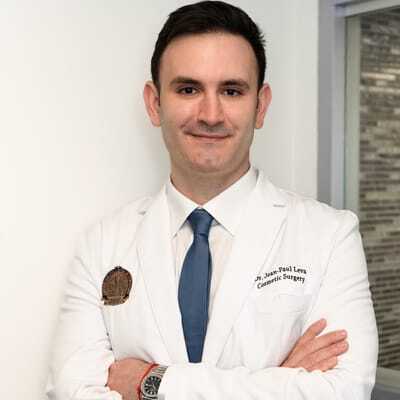
Dr. Jean-Paul Leva
Dr. Jean-Paul Leva, FACS is board certified in cosmetic and general surgery. Dr. Jean-Paul Leva, FACS obtained his Doctor of Osteopathic Medicine degree from ...