A facial fat transfer can restore lost volume, smooth out wrinkles, and deliver a more youthful appearance that dermal fillers simply can't replicate long-term. But the procedure is only half the equation. What you do during recovery determines how much fat survives-and how good your final results actually look. This guide walks you through every stage of facial fat transfer recovery, from the first few days post-op through full settling at about six months and beyond.
Learn more: Botox & Fillers at Leva Medical
Quick Overview of Facial Fat Transfer Recovery Time
Fat transfer (also called fat grafting or lipofilling) is a minimally invasive surgical procedure that uses liposuction to harvest fat from the body-typically the abdomen, flanks, or thighs. That harvested fat is processed into purified fat, then injected into the face using fine cannulas to target areas like the cheeks, under-eyes, nasolabial folds, and lips.
The common goals are straightforward: restore lost volume caused by facial aging, smooth wrinkles and folds, correct asymmetries, and achieve a youthful appearance with natural-looking contours. Fat transfer is effective for achieving a youthful appearance because the grafted fat cells integrate with your own tissue over time.
The procedure typically takes about one hour to complete and is usually performed as an outpatient procedure under general anesthesia or local anesthesia with sedation. Surgeons may overfill areas by roughly 20% to account for fat cell loss during the early resorption phase. Recovery from a facial fat transfer involves healing at both donor and recipient sites, and the total recovery time spans from days to months depending on the milestone. Most patients can return to light daily functions within 7–10 days, but full aesthetic settling takes longer.
Preparing for the Fat Transfer Procedure
Solid preparation makes a significant difference in your recovery period. Before your fat transfer procedure, expect to complete the following:
Medical clearance: Your surgeon will review your medical history, order labs, and confirm you're a suitable candidate. Candidates must be healthy individuals with realistic expectations about what the procedure can deliver.
Adequate fat reserves: Patients need adequate fat to harvest for the procedure. If you don't have enough donor-site volume, your surgeon will discuss alternatives.
Stable weight: Candidates should be at a stable weight before treatment. Fat transfer is not suitable for those seeking weight loss-it's a contouring tool, not a body-reduction method.
Stop blood thinners: Discontinue aspirin, NSAIDs, and certain supplements (fish oil, vitamin E) per your surgeon's timeline to reduce bleeding risk.
Quit smoking: Nicotine impairs blood supply and angiogenesis, directly lowering graft survival.
Arrange a caregiver: Plan for someone to drive you home and assist you for at least the first 48 hours after surgery.
Immediate Post-Op Care After Fat Transfer Surgery
The first 24–48 hours set the tone for how well your grafted fat survives.
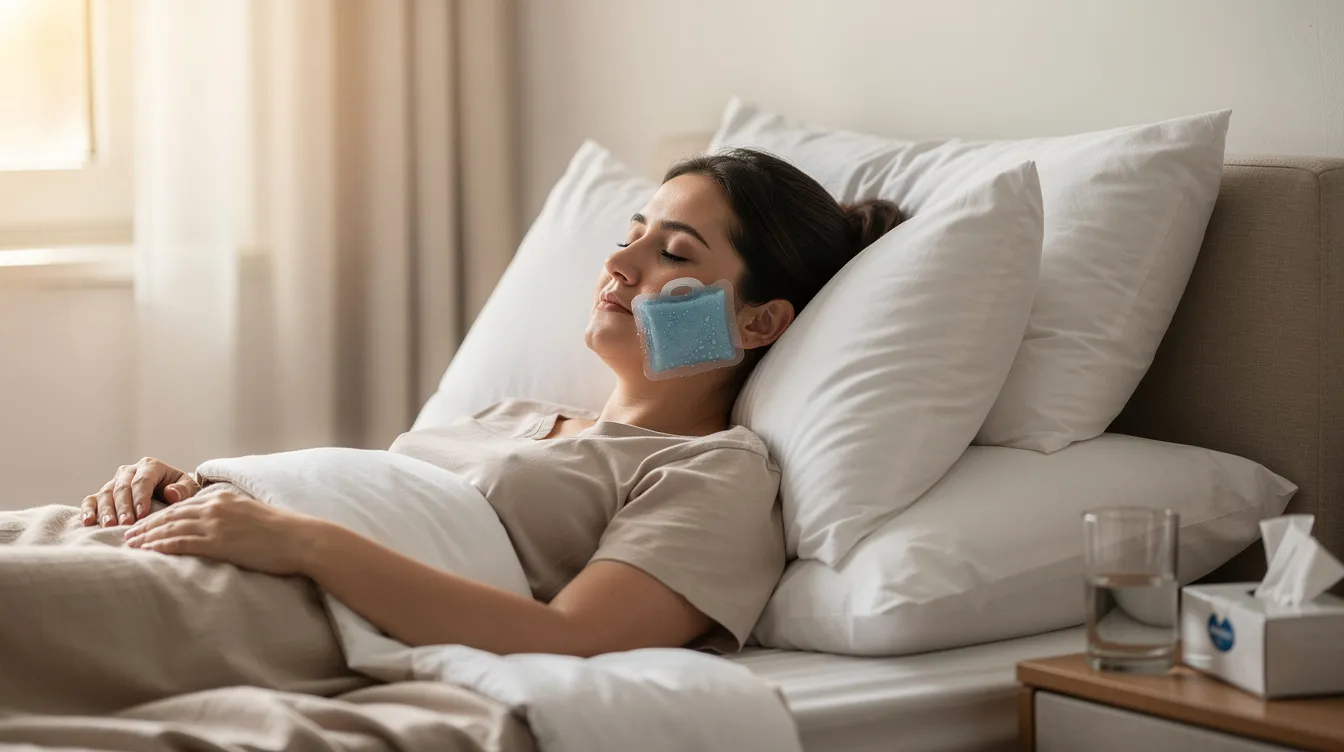
Icing schedule: Use cold compresses intermittently for 48 to 72 hours to reduce swelling. Apply an ice compress gently-avoid pressing hard against the treated area. Excessive icing can reduce perfusion and harm graft survival, so limit applications to 15–20 minutes on, then 15–20 minutes off.
Dressing and donor-site care: Your surgeon will dress both the injection sites and the donor area. Apply antibiotic ointment to incisions as directed. Keep dressings clean and dry.
Pain management: Take prescribed pain medication on schedule for the first day or two. Most patients transition to over-the-counter analgesics within 48–72 hours as discomfort lessens.
Sleep position: Sleep with your head elevated at 30–45 degrees. Keeping the treatment area elevated reduces fluid accumulation and helps swelling resolve faster.
Swelling and bruising peak around days 1 to 3 after the procedure. It is common for the face to initially appear fuller after fat transfer due to swelling-this is expected and temporary.
First Week: Early Healing and Fat Transfer Recovery
During the first week, your body is doing the heavy lifting of initial healing. Here's what to expect:
Swelling and bruising: Swelling peaks around days 2–3, then gradually begins to ease. Discomfort decreases significantly between days 4 to 7 as swelling starts to subside.
Keep head elevated: Continue sleeping and resting with your head elevated to minimize swelling during the first week of recovery.
Wound cleaning: Gently clean injection and incision sites per your surgeon's instructions-typically with a mild antiseptic. Avoid dragging or scrubbing the skin.
Protect your grafts: Avoid touching, massaging, or putting pressure on the face after a fat transfer procedure. No tight masks, no sleeping face-down, and no resting your cheeks on your hands.
Skip makeup until your surgeon clears you-usually at the end of the first week at the earliest.
First Month: Short-Term Recovery and Care for Facial Fat
Initial healing takes a few weeks after surgery, and the first month marks the transition from acute recovery to gradual normalization.
Social activities and makeup: By the second week, many patients feel comfortable applying light makeup to cover lingering discoloration. Most visible bruising resolves by weeks 2 to 3, allowing a return to social activities.
Activity level: Walking and light errands are fine by two weeks. Avoid heavy lifting, bending over, and strenuous exertion through three weeks to four weeks post-op.
Scar care: Monitor incision sites at both the donor area and facial injection points for signs of infection. Your surgeon may approve gentle scar creams or light massage after several weeks.
Photo documentation: Take consistent photos under the same lighting to track your recovery. This helps both you and your surgeon evaluate progress at follow-up visits.
Months Two to Twelve: Fat Grafting Settling and Final Results
This is where patience pays off. After the first month, surviving fat begins integrating with surrounding tissue and developing its own blood supply. Here's the general trajectory:
Timeframe | What's Happening |
|---|---|
Months 2–3 | Active resorption phase; volume may dip noticeably |
Months 4–6 | Stabilization begins; contours start looking more predictable |
Months 6–9 | Final results from a fat transfer are typically seen between 3 to 6 months post-procedure |
Months 9–12+ | Volume fully settled; results from fat transfer are considered permanent |
Research shows mean volume retention of approximately 47% of transferred fat, with younger patients (under 55) retaining more. Fat transfer results can last up to three years and beyond, since surviving fat cells behave like native tissue. However, weight fluctuations, aging, and lifestyle factors will influence longevity.
Final results of fat transfer are visible after six months in most cases. If you feel volume is insufficient at that point, discuss touch-up fat transfers with your surgeon. Some patient populations see better outcomes with multiple sessions-retention can climb to roughly 73% after five or more grafting procedures.
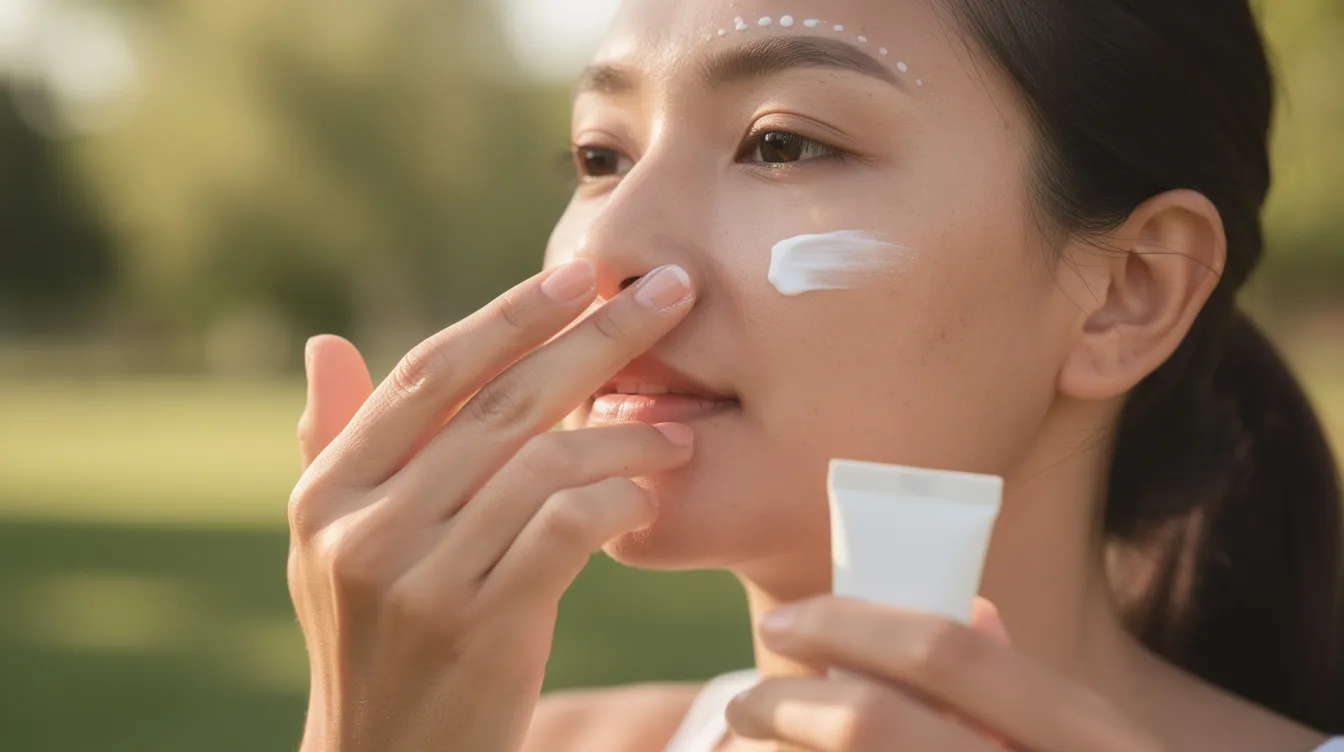
Long-term, protect your investment: apply sunscreen daily, follow a gentle skin-care routine, and avoid harsh facial treatments until fully healed.
Aftercare Checklist for Fat Transfer Recovery
Here's a daily checklist for the first seven days:
[ ] Clean injection and donor sites gently with mild antiseptic
[ ] Apply prescribed antibiotic ointment to incisions
[ ] Use cold compresses (15–20 min on/off) for the first 48–72 hours
[ ] Take pain medication as scheduled, transitioning to OTC when tolerable
[ ] Sleep with head elevated (30–45 degrees)
[ ] Hydrate sufficiently and limit dietary sodium to help minimize fluid retention after surgery
[ ] Eat nutrient-dense meals; include more healthy fats like avocado and olive oil
[ ] Avoid alcohol, nicotine, and blood-thinning supplements
[ ] Do not touch, massage, or compress the treated area
[ ] Monitor for fever, increasing redness, or drainage
Donor-site care: Wear a compression garment if prescribed for the fat harvest site. Duration varies-typically several days to one week or more until swelling at the donor area subsides.
Red flags requiring immediate surgeon contact:
Fever or chills
Sudden increase in swelling after initial improvement
Purulent discharge from any incision
Severe pain unresponsive to medication
Vision changes (especially after periorbital injections)
Managing Common Side Effects of Fat Transfer Surgery
Not every sensation post-op is cause for alarm. Here's what's normal versus what warrants a call:
Normal and expected:
Tightness, mild numbness, or tingling in the treated area-this typically resolves over several weeks as nerves recover
Bruising that shifts color from purple to yellow-green over 10–14 days
Mild asymmetry early on, which evens out as swelling subsides
Most swelling resolves within 2–3 weeks post-surgery
Warning signs:
Excessive redness or increasing pain after the initial improvement window
Firm lumps that don't soften (possible fat necrosis)
Spreading warmth or discharge at incision sites
Discomfort is typically manageable. In most cases, patients describe the pain as moderate soreness rather than sharp or severe.
Activity Restrictions and Return-to-Work Guidance
Your body needs time to recover and establish blood supply to the grafted fat. Rushing back to intense activity can compromise results.
Work: Recovery time varies; expect 7–10 days off work for desk jobs. Physical roles may require longer absence.
Exercise: Avoid vigorous exercise for at least three weeks post-surgery. Any strenuous exertion that raises facial blood flow-running, heavy weightlifting, hot yoga-should wait. Avoid strenuous exercise for at least 2 to 4 weeks after the procedure.
Bending and lifting: Avoid bending over and heavy lifting during the first two weeks minimum.
Gradual return: Resume normal activities incrementally. Light walking is encouraged early on to promote circulation without overstressing the body.
Tips to Preserve Facial Fat Transfers and Final Results
The choices you make after surgery directly affect how much volume survives long-term.
Quit smoking: Avoid smoking and nicotine products to promote fat survival during recovery. Nicotine constricts blood vessels and starves grafted fat of oxygen.
Maintain stable weight: Significant weight loss or gain will affect grafted fat cells just like native fat. Keep your weight steady post-op.
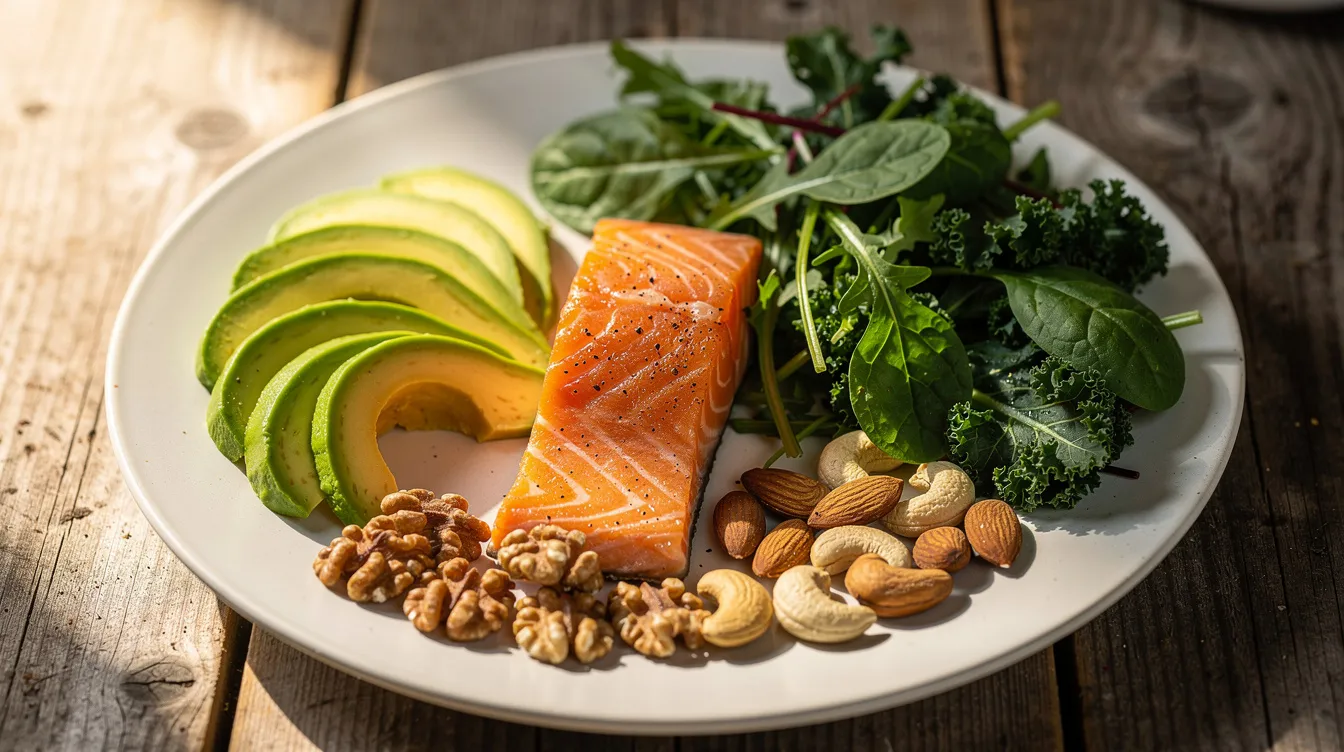
Eat well: Maintain a nutrient-dense diet to support recovery after a fat transfer. Prioritize protein, vitamins, and healthy fats-think salmon, nuts, avocado, and even coconut oil in moderation for cooking. These support tissue repair and new blood vessel formation.
Skin care: Follow surgeon-approved skin treatments only. Avoid aggressive peels, microneedling, or laser treatments on the treated area until you have full clearance.
Sun protection: UV damage impairs skin quality and healing. Daily SPF 30+ is non-negotiable.
Follow-Up Visits and Monitoring Fat Transfer Recovery
Consistent follow-up is how you and your surgeon stay aligned on expectations and outcomes.
First post-op visit: Scheduled within one to two weeks after surgery. Your surgeon will assess healing, remove any sutures if needed, and address concerns.
Photo documentation: Bring or take standardized photos at each follow-up. Objective imaging helps track volume changes and guide decisions about touch-ups.
Ongoing monitoring: Plan check-ins at 1 month, 3 months, and 6 months post-op. Long-term annual aesthetic reviews help catch subtle volume loss and address it proactively.
A patient who stays engaged in their follow-up schedule is far more likely to catch issues early and maintain satisfaction with their results.
When to Contact Your Surgeon During Fat Transfer Recovery
Don't wait on these. Contact your surgeon if you experience severe pain, sudden swelling, or signs of infection. Specifically:
Fever or chills that develop after the first 48 hours
Uncontrolled pain that doesn't respond to prescribed medication
Sudden increased swelling or drainage, especially after initial improvement
Asymmetry that worsens rapidly rather than gradually improving
Vision changes of any kind, particularly after injections near the eyes
In most cases, post-op concerns turn out to be part of the natural healing process. But with rare complications like fat embolism or vascular occlusion, early intervention is critical.
FAQs About Fat Transfers, Recovery Time, and Longevity
How long does initial swelling last? Swelling peaks within the first 1–3 days, then gradually decreases. Most swelling resolves within 2–3 weeks, though residual puffiness can linger for several weeks longer. The face may look noticeably fuller than your target result during this window-that's the combination of swelling and intentional overcorrection at work.
What percentage of transferred fat gets reabsorbed? About 30% of transferred fat may be reabsorbed within weeks. Over the following months, additional resorption occurs before volume stabilizes. Studies show average long-term retention of roughly 47–53%, which is why overcorrection at the time of the surgical procedure is standard practice. With enriched grafting techniques, retention can climb higher. Unlike dermal fillers, the fat that survives is your own living tissue and behaves like natural facial fat.
When are final results visible? Final results are typically visible after about six months, with full settling continuing up to 9–12 months in some patients. If you're considering a touch-up, most surgeons recommend waiting at least 6 months to allow complete stabilization before deciding to remove fat for another grafting session.
How long do results last? Fat transfer results can last up to three years and often much longer. Surviving fat cells become a permanent part of your facial tissue. That said, aging, weight changes, and lifestyle factors will continue to shape your face over time-just as they would with your native volume.
Facial fat transfer recovery demands patience, but the payoff is a natural, long-lasting result that synthetic fillers can't match. Set realistic expectations, follow your surgeon's aftercare instructions precisely, and give your body the time it needs to heal. If you're considering this procedure-or you're mid-recovery and want reassurance-bring this guide to your next consultation and use it as a roadmap for every stage ahead.
Frequently Asked Questions
How long does it take to see final results after facial fat transfer?
Full aesthetic settling takes about six months. Swelling peaks around days 2-3 and gradually resolves over weeks, with most visible bruising gone by weeks 2-3. However, the grafted fat continues integrating with facial tissue over several months.
What should I do during the first 48 hours after surgery?
Use cold compresses for 15-20 minutes on, then 15-20 minutes off for 48-72 hours to reduce swelling. Sleep with your head elevated at 30-45 degrees. Take prescribed pain medication as directed and keep all dressings clean and dry.
When can I return to normal activities after fat transfer?
Light daily functions resume within 7-10 days. By two weeks, walking and light errands are acceptable. Avoid heavy lifting, bending, and strenuous exercise through three to four weeks post-op to protect the grafts.
What restrictions apply to my face during recovery?
Avoid touching, massaging, or applying pressure to treated areas. Don't sleep face-down, wear tight masks, or rest your cheeks on your hands. Skip makeup until your surgeon clears you, typically at the end of the first week.
Why do surgeons overfill areas during fat transfer?
Surgeons typically overfill areas by about 20% to account for fat cell loss during the early resorption phase. Some grafted fat cells are naturally reabsorbed by the body, so initial overfilling helps achieve intended final volume.
-2.jpg?width=2000&height=2000&name=Copy%20of%20YouTube%20Thumbnail%20-%20Life-Changing%20Cosmetic%20Surgery!%20(Document)-2.jpg)


