Facial fat transfer is a procedure that uses your body's fat to restore volume to your face. Learn about the process, its benefits, and whether it's right for you in this guide.
Key Takeaways
- Facial fat transfer is a cosmetic procedure that restores facial volume by harvesting fat from other body areas, addressing signs of aging such as wrinkles and reduced fullness.
- The procedure involves multiple steps: fat harvesting via liposuction, purification of the fat, and careful injection into targeted facial areas to achieve natural contours and long-lasting results.
- Candidates for facial fat transfer should be in good health, have realistic expectations, and possess sufficient excess body fat for harvesting; an experienced surgeon and a careful consultation help guide the plan.
Understanding Facial Fat Transfer
Facial fat transfer, also known as facial fat grafting, is a cosmetic procedure designed to restore facial volume and enhance contours by transferring fat from other parts of the body. This process involves harvesting fat from areas with excess fat, such as the abdomen, thighs, or buttocks, and then injecting it into areas of the face that have lost volume due to aging or other factors.
With age, facial anatomy undergoes significant changes, leading to the loss of facial fat and structural proteins. This volume loss results in wrinkles, sagging skin, and a general reduction in facial fullness and contours. Reintroducing this autologous fat into the targeted areas effectively combats these signs of aging, restoring a more youthful and rejuvenated appearance.
The process begins with harvesting the fat through liposuction. Common donor sites include the abdomen, thighs, and buttocks, where fatty tissue is more abundant. The harvested fat is then processed to remove impurities before being fat injected into the facial areas needing volume. This meticulous process ensures that the injected fat integrates well with the surrounding tissues, promoting natural-looking results.
Common facial areas for fat transfer include the cheeks, nasolabial folds, and under-eye regions. Some of the injected fat may be reabsorbed by the body, while a portion remains, providing lasting volume and enhancement.
How Facial Fat Grafting Works
The facial fat grafting procedure is a multi-step process that requires precision and expertise. It begins with fat harvesting, followed by purification, and finally, placement in the desired areas of the face. This comprehensive approach ensures that the transferred fat enhances the overall aesthetic outcome.
Fat harvesting involves the use of liposuction, where a small incision is made, and a cannula is used to extract fat from the donor site. Local anesthesia is applied to minimize discomfort during this stage. Once the fat is harvested, it undergoes a purification process to remove impurities and damaged cells. This is typically done using methods like centrifugation or filtration.
Once purified, the fat is ready for placement. The surgeon carefully injects the fat into the targeted areas, creating multiple deposits to ensure even distribution and natural contours. This step is crucial for achieving a balanced and harmonious facial appearance.
This intricate process of autologous fat transfer is designed to provide long-lasting results, with the grafted fat cells integrating seamlessly into the facial tissues. The skill of the surgeon plays a critical role in the success of this procedure, ensuring that the final outcome looks natural and rejuvenated.
Benefits of Facial Fat Transfer
Facial fat transfer offers numerous benefits that make it an attractive option for those seeking facial rejuvenation. One of the most significant advantages is the restoration of volume in areas that have lost fullness, such as the temples, cheeks, and lips. This volumization creates a more youthful and vibrant appearance.
Another key benefit is the lower risk of allergic reactions compared to synthetic fillers. Since the procedure uses autologous fat, which is fat harvested from your own body, there is a significantly reduced risk of adverse reactions. This biocompatibility makes facial fat grafting a safer and more natural option for facial enhancement.
Additionally, the results of facial fat transfer are long-lasting. Unlike temporary dermal fillers, the transferred fat integrates with the surrounding tissues, providing enduring fullness and rejuvenation. This makes facial fat grafting not only an effective but also a sustainable solution for those looking to enhance their facial contours and achieve a youthful appearance.
Comparing Microfat and Nanofat Techniques
In the realm of facial fat grafting, two prominent techniques have emerged: microfat and nanofat grafting. Each technique offers unique benefits and is suited for different purposes in facial treatments. Microfat grafting focuses on volumetric restoration, while nanofat grafting is geared towards improving skin quality.
Microfat particles are larger, making them ideal for restoring significant volume in areas like the cheeks and mid-face. In contrast, nanofat grafting involves processing the fat into smaller particles that contain high concentrations of stem cells, which are effective in enhancing skin texture and rejuvenation.
Understanding these differences helps in choosing the right technique based on individual needs and desired outcomes.
Microfat Grafting
Microfat grafting is a technique that targets areas requiring significant volume restoration, such as deep wrinkles, cheeks, and mid-face regions. The smaller particle size of microfat compared to macrofat allows for more refined results, making it an excellent choice for achieving enhanced facial contours.
This technique provides structural support and volume, effectively enhancing facial contours and creating a more youthful appearance. Carefully injecting microfat through fat injection into the targeted areas allows the surgeon to restore lost volume and improve overall facial anatomy.
Nanofat Grafting
Nanofat grafting involves further processing of microfat to create even smaller particles rich in stem cells. This technique is particularly effective for improving skin quality and rejuvenation, as the high concentration of stem cells promotes cellular regeneration and enhances the skin's texture.
The focus of nanofat grafting is less on volumetric restoration and more on skin quality improvement. By injecting these smaller fat particles into the skin, patients can achieve a more youthful and rejuvenated appearance, with improvements in skin texture and elasticity.
Combining Therapies for Enhanced Results
Combining therapies such as Platelet-Rich Plasma (PRP) and exosome therapy may support the outcomes of facial fat grafting. PRP involves using a concentration of a patient's own platelets to promote healing and improve graft survival. This therapy enhances the regenerative potential of the treatment, leading to more predictable and lasting results.
Exosome therapy, which utilizes exosomes derived from human adipose-derived stem cells (hADSC-Exo), is being researched as a way to support fat graft retention. When combined with PRP, these therapies may help improve the viability and integration of transplanted fat cells, leading to natural-looking results and enhanced aesthetic outcomes.
Who is a Good Candidate?
A good candidate for facial fat transfer should be in good health and have realistic expectations about the procedure. It is recommended that candidates be at least 18 years old, not pregnant or nursing, and not undergoing treatments for breast cancer at the time of the procedure.
Additionally, candidates should have sufficient excess body fat available for harvesting and maintain a stable weight. Smoking cessation is also advised prior to the procedure to ensure optimal healing and results.
Meeting these criteria helps set the stage for a smooth recovery and natural-looking results.
The Procedure and Recovery Process
Before undergoing facial fat grafting, patients should stop smoking and avoid certain medications to reduce the risk of bleeding.
The procedure can take place in various settings, including hospitals and surgical suites, depending on its complexity. Local anesthesia with intravenous sedation is commonly used, but general anesthesia may also be an option.
The procedure involves evaluating the recipient and donor areas, harvesting fat through liposuction, processing it, and then reinjecting it into the targeted sites. The entire process typically takes about an hour. Post-procedure, patients should expect swelling and soreness, with most swelling resolving within a week. Compression garments are often recommended to aid in healing and skin retraction.
Recovery experiences can vary, but maintaining realistic expectations is important. Some patients may experience lumps, bruises, and swelling, which typically subside after two weeks. With proper care and adherence to post-procedure instructions, patients can achieve optimal results.
Potential Risks and Complications
Like any cosmetic procedure, facial fat transfer carries potential risks and complications. Common complications include bruising, swelling, and contour irregularities at the donor site. Infection is another risk, though it is relatively rare when proper sterilization and procedural techniques are followed.
More serious complications, although rare, include fat embolism and blindness due to high-pressure injection. Preprocedural counseling is essential to understand these risks fully and to ensure informed decision-making.
Careful technique and following all pre- and post-procedure instructions help reduce these risks.
Long-Term Results and Maintenance
The long-term results of facial fat transfer can be long-lasting, but the survival rate of fat cells post-procedure varies. Not all fat will survive the transfer, and additional sessions may be necessary to achieve the desired volume depending on the area treated.
Final results typically take around six months to achieve. This duration allows the fat cells to develop a new blood supply.
Atraumatic techniques and post-procedure care, such as cool compresses, can help mitigate graft loss and improve the integration of the transferred fat. Maintaining a stable weight is crucial for preserving the results, as significant weight fluctuations can affect the volume and contour of the grafted fat.
Preparing for Your Consultation
Facial fat transfer depends on careful technique and a detailed understanding of facial anatomy, so the consultation is an important step. During this visit, your facial volume, skin quality and possible donor areas are assessed, and the plan is tailored to your goals.
Preparing a list of questions and concerns ahead of time can help clarify expectations and goals. Useful topics include which areas may benefit from added volume, which donor sites may be used, the type of anesthesia planned, what recovery may look like, and the risks discussed in this guide, such as bruising, swelling, lumps, contour irregularities, infection, fat embolism and blindness.
Sharing your full medical history, current medications and smoking status helps the surgeon judge whether you are a good candidate and how to prepare you for a smooth recovery.
Summary
Facial fat transfer is a procedure that offers a natural and long-lasting solution to restoring facial volume and rejuvenating one's appearance. By using one's own fat, it minimizes the risk of allergic reactions and provides biocompatible results that integrate seamlessly with the surrounding tissues. Understanding the process, from fat harvesting to the recovery period, equips patients with the knowledge to make informed decisions about their cosmetic treatments.
Complementary approaches such as PRP and exosome therapy continue to be studied as ways to support graft survival. A thorough consultation helps shape a plan that allows individuals to achieve a youthful and refreshed look with confidence. Embrace the possibilities of facial fat transfer and rediscover the youthful contours of your face.
Related Services
Frequently Asked Questions
The facial fat transfer procedure generally takes approximately one hour, but the exact duration may vary based on the complexity and specific areas being treated.
The recovery time for facial fat transfer typically involves swelling resolving within a week and side effects like lumps and bruises subsiding after two weeks. However, full recovery and the final results may take up to six months.
The results of facial fat transfer can be long-lasting, though the survival rate of transferred fat cells may vary, and additional sessions might be required to achieve the desired volume. Thus, individual outcomes can differ based on these factors.
Facial fat transfer carries potential risks such as bruising, swelling, and infection. Serious but rare complications can include fat embolism and blindness from high-pressure injection.
Write down your goals, your medical history, any medications you take and your questions about donor areas, recovery and risks. Bringing these to your consultation helps the surgeon understand your needs and explain whether facial fat transfer suits you.
About Leva Medical
Leva Medical has offices in Queens (94-06 59th Ave, Suite E9, Elmhurst, NY 11373) and in Northport, Long Island (320 Laurel Rd, Northport, NY 11768).
Call (718) 699-9737 to book a consultation with a board-certified surgeon.
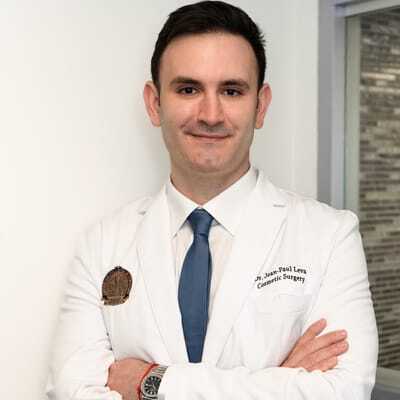
Dr. Jean-Paul Leva
Dr. Jean-Paul Leva, FACS is board certified in cosmetic and general surgery. Dr. Jean-Paul Leva, FACS obtained his Doctor of Osteopathic Medicine degree from ...