If you are considering a facelift in Queens, you are not alone. Many men and women across New York City explore facial rejuvenation surgery to address wrinkles, jowls, and sagging skin that no longer responds to topical products or injectables. This guide walks you through each stage of the process: your options, what happens during surgery, recovery, results, risks, cost, and what to expect at a consultation.
Understanding Facial Rejuvenation Surgery
A facelift, clinically known as rhytidectomy, is a procedure designed to restore a more youthful contour to the face and neck. The surgery lifts and repositions sagging skin, tightens underlying muscles, and removes excess skin that contributes to jowls, deep creases around the chin, and loss of definition along the jawline.
Surgical facelift options include mini, mid-face, SMAS, and deep-plane lifts, each addressing aging at different depths and areas of the face. Facial rejuvenation can also include non-surgical treatments such as injectables and laser skin resurfacing. Non-surgical options offer less dramatic results with shorter recovery than surgery, which can suit patients with moderate signs of aging who are not ready for an operation.
Expected improvement timeline for surgical facelifts:
Timeframe | What to Expect |
|---|---|
First 7–10 days | Bruising and swelling are most noticeable; sutures are removed |
Weeks 1–2 | Many patients return to work and social activities |
Months 3–6 | Final contour becomes visible, scars begin to fade |
Long term | Results are long-lasting, though natural aging continues |
Why Patients in Queens Consider a Facelift
Readers searching for a facelift in Queens often want a procedure that addresses several signs of aging at once rather than repeating temporary treatments. A surgical lift can treat sagging in the lower face and neck in a way that injectables and skin treatments cannot fully match.
Comprehensive correction. A facelift repositions deeper tissue, not only the skin, which helps create a natural-looking result.
Personalized treatment planning. A preoperative exam accounts for your skin quality, health history, and aesthetic goals.
Structured recovery support. Post-op garments, written recovery guidance, and scheduled follow-up visits help keep you informed at every stage.

Facelift Options for Different Concerns
Traditional Facelift
A traditional facelift is the most comprehensive type of facial rejuvenation surgery. It addresses the lower face, midface, cheeks, jawline, and neck through incisions that begin at the temples, follow the hairline around the ears, and may extend under the chin.
The SMAS technique tightens the superficial musculoaponeurotic system, a deeper tissue layer beneath the skin, to reposition fat pads and underlying muscles rather than simply pulling skin. Deep-plane variations go further by releasing facial retaining ligaments for a natural appearance. A traditional lift is often recommended for patients with significant sagging, and its results are long-lasting.
Mini Facelift
A mini facelift is less invasive than a traditional facelift and tends to suit patients with mild to moderate jowling, early neck laxity, and good skin elasticity. It uses smaller incisions around the ear, with limited dissection and shorter operative time, and usually involves less bruising and swelling than a full lift. A mid-facelift, by contrast, targets the cheeks and the area beneath the eyes and may be combined with other approaches.
Neck Lift Combination
A facelift may be combined with a neck lift or eyelid surgery for a balanced result. A neck lift addresses loose neck skin, platysma muscle bands, and fat beneath the chin. Performed alongside a facelift, it refines the jawline and improves banding and sagging that a facelift alone may not fully correct. Some patients add liposuction under the chin for further refinement, and eyelid surgery can address concerns around the eyes.

Facelift Consultation and Candidacy
Your consultation is where your candidacy is evaluated and the technique that suits your goals is discussed. Come prepared with questions about technique, recovery, risks, and what results look like on patients with similar skin quality.
Medical history evaluation. Cardiovascular health, medications, bleeding disorders, smoking history, and previous facial surgery are reviewed. Smoking cessation is usually required several weeks before the procedure.
Facial structure assessment. Skin elasticity, bone structure, fat distribution, and neck laxity are examined to decide between a mini, SMAS, deep-plane, or combination approach.
Aesthetic goals. You discuss the areas that bother you most, such as jowls, neck, cheeks, or lines around the chin, and realistic expectations are set.
Candidacy. Good candidates are in good health, at a stable weight, and have realistic expectations. Uncontrolled hypertension and heavy smoking can rule out surgery.
Bring your medical history, a list of current medications, and photos of the areas you want to address.
How Facelift Surgery Works
Anesthesia planning. A facelift or neck lift is typically performed under general anesthesia, with same-day discharge. Some smaller neck procedures can be done under local anesthesia, which usually means a shorter recovery.
Incision placement. Incisions are designed to hide within the natural hairline and the creases around the ears, with a possible incision under the chin.
Tissue repositioning. Deeper tissue layers are lifted, descended fat pads are repositioned, neck muscles may be tightened, and excess skin is removed before the skin is redraped.
Incision closure. Fine sutures and layered closure reduce tension on the skin to support better scar outcomes.
Facelift surgery requires careful technique, particularly near the facial nerve branches that control expression.
Recovery After Plastic Surgery
Immediate post-op care. You will go home with bandaging and possibly a chin sling. Someone must drive you home and stay with you the first night. Pain is managed with medication, and you may feel numbness or tightness across your face.
Swelling progression. Bruising and swelling are most noticeable in the first 7 to 10 days, then gradually subside. Keeping the head elevated helps reduce swelling.
Return to activities. Many patients return to work and social activities within 1 to 2 weeks. Avoid bending, heavy lifting, strenuous exercise, alcohol, and direct sun exposure until you are cleared.
Follow-up appointments. Stitches are removed after the first week or so, and follow-up visits continue for up to 12 months while scars mature.

Facelift Results and Potential Risks
Final results may take several months to appear as residual swelling resolves and tissues settle. Many patients see a refreshed appearance with a more defined jawline and smoother neck. Results are long-lasting, though aging continues, and sun protection helps maintain them.
Scarring follows a predictable path: incisions start pink or red, then fade over months to thin lines hidden in natural creases.
Common temporary side effects include bruising, swelling, numbness, tightness, and mild asymmetry, which usually improve over the following weeks.
Surgical risks are uncommon but real. They include hematoma, infection, and injury to facial nerve branches. Risk can be higher in men, in patients with a higher BMI, and when procedures are combined. Your individual risks should be discussed based on your health, the technique chosen, and your ability to follow post-op instructions.
Facelift Cost in Queens
Facelift cost depends on the technique, whether a neck lift or other procedure is added, anesthesia, and follow-up care. Always confirm what is included in your plan.
The exact price is set at the consultation.
Cosmetic procedures are self-pay. Payment options can be reviewed in office after the exact plan and total are known.
We offer financing through Cherry and Alphaeon, subject to credit approval.
We also offer an in-house save-up plan with no credit check.
Planning Your Facelift Consultation
The first step toward a refreshed appearance is a consultation where your concerns can be evaluated and a personalized plan recommended. An in-person assessment is needed to evaluate skin elasticity, bone structure, and tissue quality. Ask about technique, expected recovery, risks, and payment options.
Call (718) 699-9737 to book a consultation with a board-certified surgeon.
Frequently Asked Questions
What is a facelift and what does it address?
A facelift, medically called rhytidectomy, lifts and repositions sagging skin, tightens underlying muscles, and removes excess skin. It addresses jowls, deep creases around the chin, and loss of jawline definition, and it can be combined with a neck lift.
What types of facelift surgery are there?
Common types include mini, mid-face, SMAS, and deep-plane lifts, each addressing aging at different depths and areas of the face. A traditional facelift treats the lower face, midface, cheeks, jawline, and neck.
How long do facelift results last?
Results from a surgical facelift are long-lasting, though the face continues to age naturally. Sun protection and a healthy lifestyle help maintain them.
What is the typical recovery timeline after a facelift?
Bruising and swelling are most noticeable in the first 7 to 10 days. Many patients return to work and social activities within 1 to 2 weeks, and the final contour becomes visible over the following months.
How much does a facelift cost?
The cost section of this guide explains how the price is set for your individual plan.
About Leva Medical
Leva Medical has offices in Queens (94-06 59th Ave, Suite E9, Elmhurst, NY 11373) and in Northport, Long Island (320 Laurel Rd, Northport, NY 11768).
Call (718) 699-9737 to book a consultation with a board-certified surgeon.
Learn more: Facelift and Neck Lift at Leva Medical
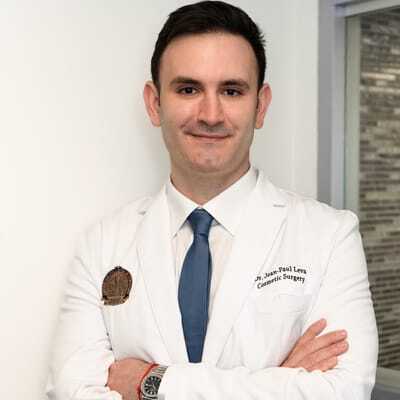
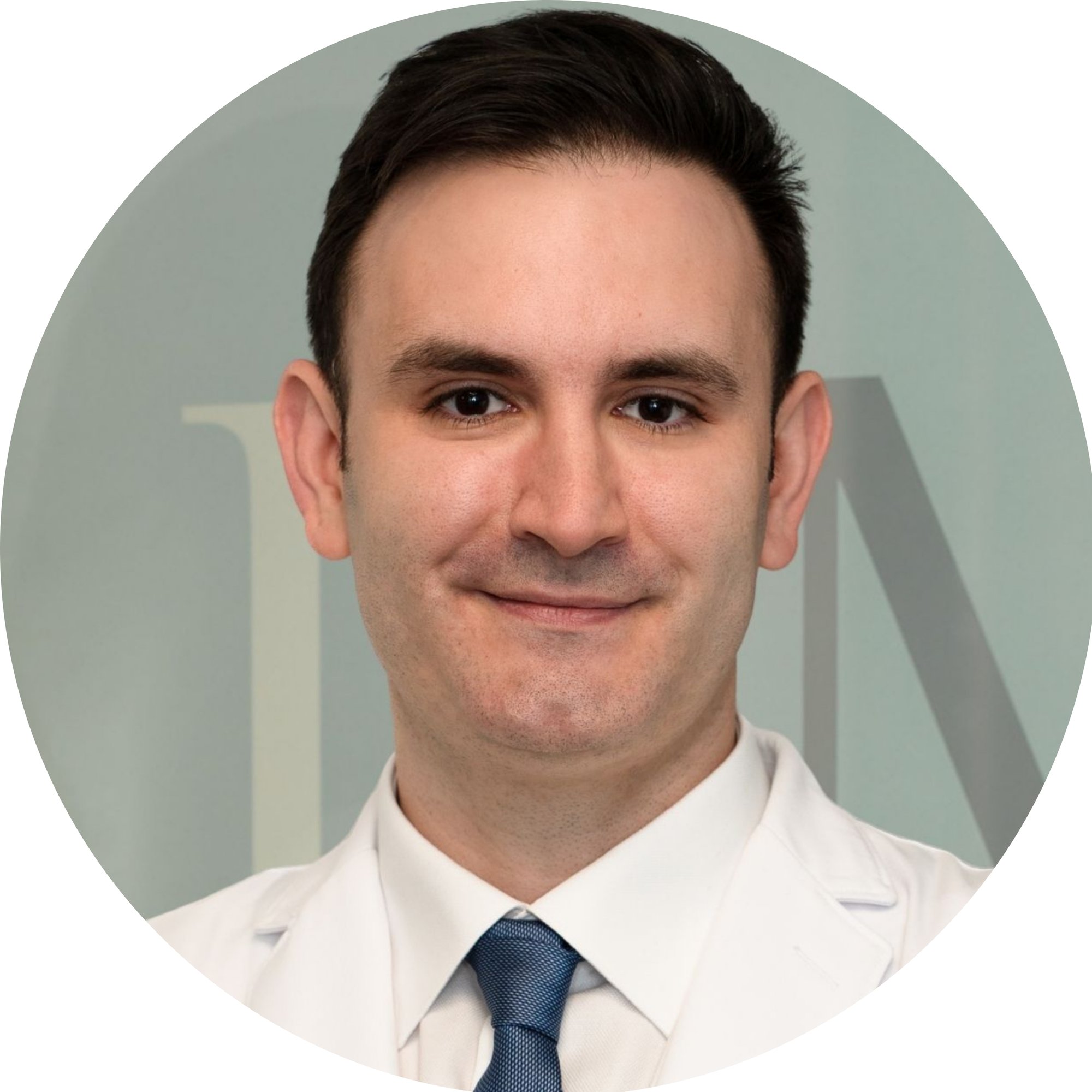
Dr. Jean-Paul Leva
Dr. Jean-Paul Leva, FACS is board certified in cosmetic and general surgery. Dr. Jean-Paul Leva, FACS obtained his Doctor of Osteopathic Medicine degree from ...