Whether you’re recovering from cosmetic eyelid surgery or dealing with scarring from an old injury, understanding how eyelid scars heal can help you set realistic expectations and make informed decisions about treatment.
What Is an Eyelid Scar?
An eyelid scar is any mark left on the delicate skin around the eyes following surgery, trauma, burns, or medical procedures. The most common source is blepharoplasty (eyelid surgery), though accidents, dog bites, sports injuries, and tumor removals also contribute.
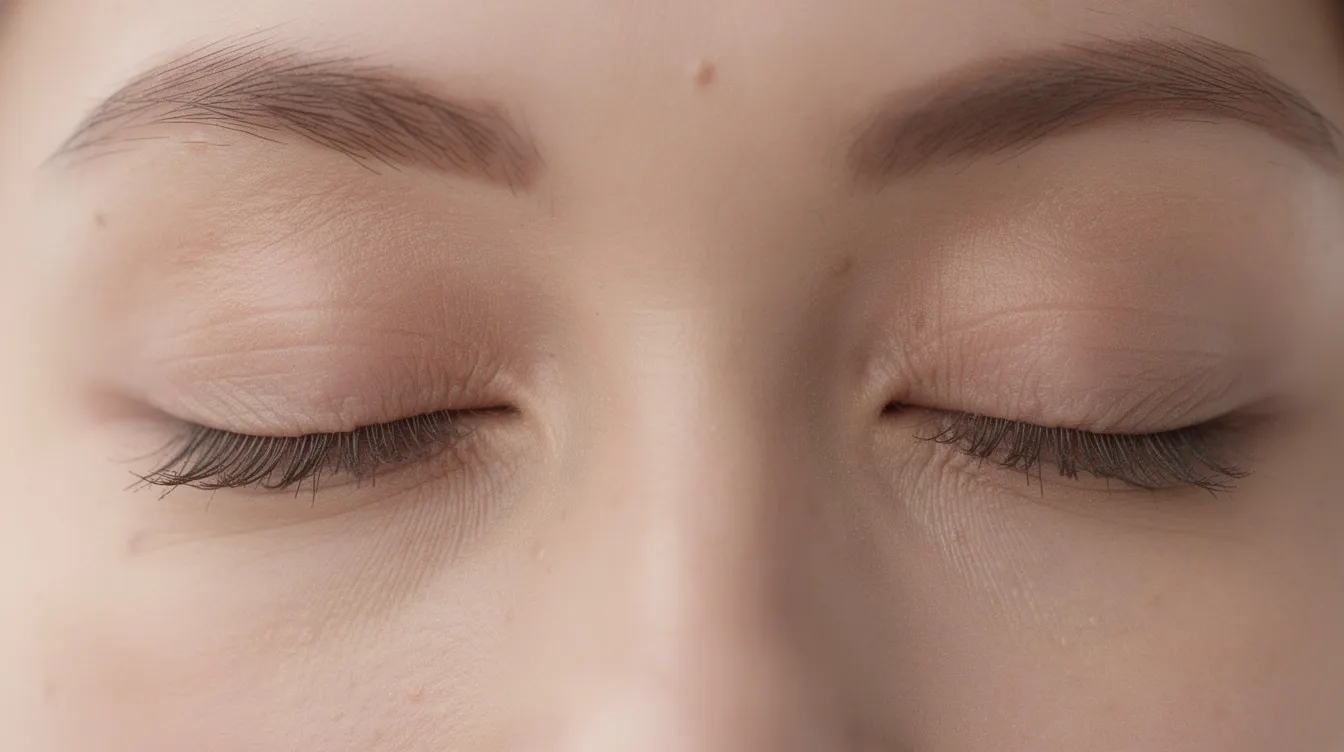
Here’s the reassuring reality: most planned surgical eyelid scars heal as fine, discreet lines that become nearly invisible when eyes are open. The eyelid skin is among the thinnest on the body—just 0.5-1 mm—which typically allows scars to fade better than on thicker skin areas.
The distinction matters between “normal” post-blepharoplasty lines and problematic scars. A well-healed upper blepharoplasty scar resembles a faint eyeliner shadow tucked into your natural crease. Problematic scars, however, may appear raised, red, painful, or distort eyelid position and eyelid function.
Consider two scenarios: an upper eyelid surgery scar from a skilled plastic surgeon typically settles into the crease within months. A childhood cut from glass, however, may have healed with visible scarring that pulls the lid or sits outside natural contours. This article covers appearance, healing time, scar care, and options if you’re unhappy with an existing eyelid scar.
Quick Facts About Eyelid Scars
Typical healing timeline: 6-8 weeks for redness and swelling to subside; 6-12 months for full scar maturation
Upper eyelid scars usually sit in the natural crease; lower eyelid scars may be internal or just under the lash line
Eyelid skin is the thinnest on the body, generally helping scars fade better than thicker skin areas
Stitch removal occurs around day 5-7 after cosmetic surgery
Most patients return to work within one to two weeks; makeup typically safe after 10-14 days
Trauma or poorly planned surgery can leave more visible, irregular scars requiring scar revision
Fine sutures (6-0 or 7-0) and tension-free closures yield 80-90% satisfaction rates with experienced surgeons
Causes of Eyelid Scars
The cause of your eyelid scar directly influences its shape, position, and treatment options.
Planned cosmetic procedures include upper blepharoplasty for excess upper eyelid skin removal, lower eyelid surgery addressing excess fat or loose skin, ptosis repair, and brow lifts with incisions near the eyelid.
Trauma sources vary widely:
Sports injuries (tennis balls, squash mishaps)
Car accidents with glass penetration
Dog bites affecting the periorbital region
Cuts from assaults or household accidents
Burns—thermal or chemical—create particularly challenging scars. They damage multiple skin layers, leading to thickened scar tissue that tightens over time and can distort eyelid contours.
Medical causes include tumor excisions for skin cancer, previous reconstructive surgery, and radiation-related skin changes affecting skin quality.
How Eyelid Scars Normally Look and Heal Over Time
Understanding the healing process helps you recognize what’s normal versus concerning. Wound healing follows three phases: inflammation, proliferation, and remodeling.
Days 1-3: The inflammation phase peaks with redness, swelling, and mild discomfort. The incision sites appear pink and slightly raised.
Week 1: Swelling continues but stitches come out around days 5-7. Early firmness develops as collagen deposits during the proliferation phase.
Weeks 2-4: Collagen production continues. Incisions heal and may feel slightly firm or lumpy—this is normal and temporary.
Month 3: Redness begins fading significantly. Upper eyelid scars start resembling a faint crease shadow. The remodeling phase is well underway.
6-12 months: Full maturation occurs. Scars continue flattening, paling, and blending with surrounding skin. Final judgment of blepharoplasty scars should wait until this point. Many patients find upper eyelid scars look like subtle eyeliner within the crease, while lower lid incision lines blend into natural lash line shadows.
Types of Eyelid Scars and When They’re a Problem
Not all scars heal identically. Understanding types helps you identify when intervention is needed.
Fine line scars are the expected result after well-planned cosmetic eyelid surgery—flat, pale, and virtually invisible with eyes open.
Hypertrophic scars remain raised, red, and firm but stay confined to the original incision. They’re more common in genetically predisposed individuals or those with thicker skin tone, typically appearing within the first few months.
Keloid scars overgrow beyond incision boundaries. Though rare on the true eyelid margin, they occur more frequently below the brow position or at cheek-lid junctions.
Contracture scars shorten or pull the eyelid, causing problems like incomplete eye closure, chronic dryness, or distorted shape. These often follow aggressive skin removal during lower blepharoplasty or burns.
Warning signs requiring evaluation:
Progressive thickening after 3-4 months
Increasing tightness or restricted eyelid movement
Pain at the scar site
Changes in eyelid position
Key Factors That Influence How an Eyelid Scar Heals
Outcome depends on both surgeon technique and patient factors.
Patient-related factors:
Age (younger skin with high elasticity heals faster with smoother skin)
Genetic tendency toward hypertrophic or keloid scars
Skin type and tone (darker tones risk hyperpigmentation)
Smoking reduces blood flow by 20-30%, delaying healing
Medical conditions like diabetes impair collagen remodeling
Local factors:
Previous surgeries or radiation affecting the area
Chronic dry eye or habitual rubbing
Sun exposure after surgery darkening the scar
Surgeon-related factors:
Incision placement in natural creases
Tension-free closure technique
Use of fine sutures and careful tissue handling
Aftercare adherence directly affects final appearance. Following proper aftercare instructions for cleaning, avoiding makeup early, and sun protection makes a measurable difference in how scars heal.
Upper Eyelid Scars After Blepharoplasty
Upper eyelid surgery scars benefit from strategic placement. The typical incision sits hidden in the natural crease of the upper eyelids, extending just beyond the pupil line toward the crow’s feet area.
With eyes open—your default state—the scar tucks into the crease and remains essentially invisible. Only when eyes close does the fine line become apparent, and this visibility diminishes significantly by 3-6 months.
Early expectations include a pink line with mild lumpiness. Small “dog ears” (tiny bumps at incision ends) commonly flatten without intervention. By 6-12 months, most upper lid scars resemble a soft crease-like line.
Wait until 9-12 months post-surgery before evaluating results or requesting surgical touch-ups. Transient swelling and firmness resolve gradually, and early concerns often self-correct.
Lower Eyelid Scars After Blepharoplasty
Lower eyelid surgery offers two primary approaches affecting external visibility.
Transconjunctival approach: The incision is made on the inner surface of the lower lid. This leaves no external scar and works well when skin quality is good and only excess fat requires removal.
Subciliary approach: A very fine external line sits just under the lashes along the lash line. It typically fades into the natural shadow beneath lashes.
Healing expectations include early redness, possible small step-offs, and mild tightness that improves over weeks. Unique risks include downward pull (ectropion) if tension persists beyond 2-4 weeks.
Post-surgery timeline:
Makeup safe after 10-14 days with surgeon approval
Contact lenses after 2 weeks
Full outdoor activity after swelling peaks (7-10 days) with proper sun protection
Contact your surgeon if shape changes in the lower eyelids persist beyond initial swelling.
Non-Surgical Care for Recent Eyelid Scars
The first 3-6 months represent your critical window for conservative scar management.
Wound hygiene: Keep incisions clean with saline or gentle cleanser as directed. Follow surgeon guidelines on prescribed ointments to prevent infection.
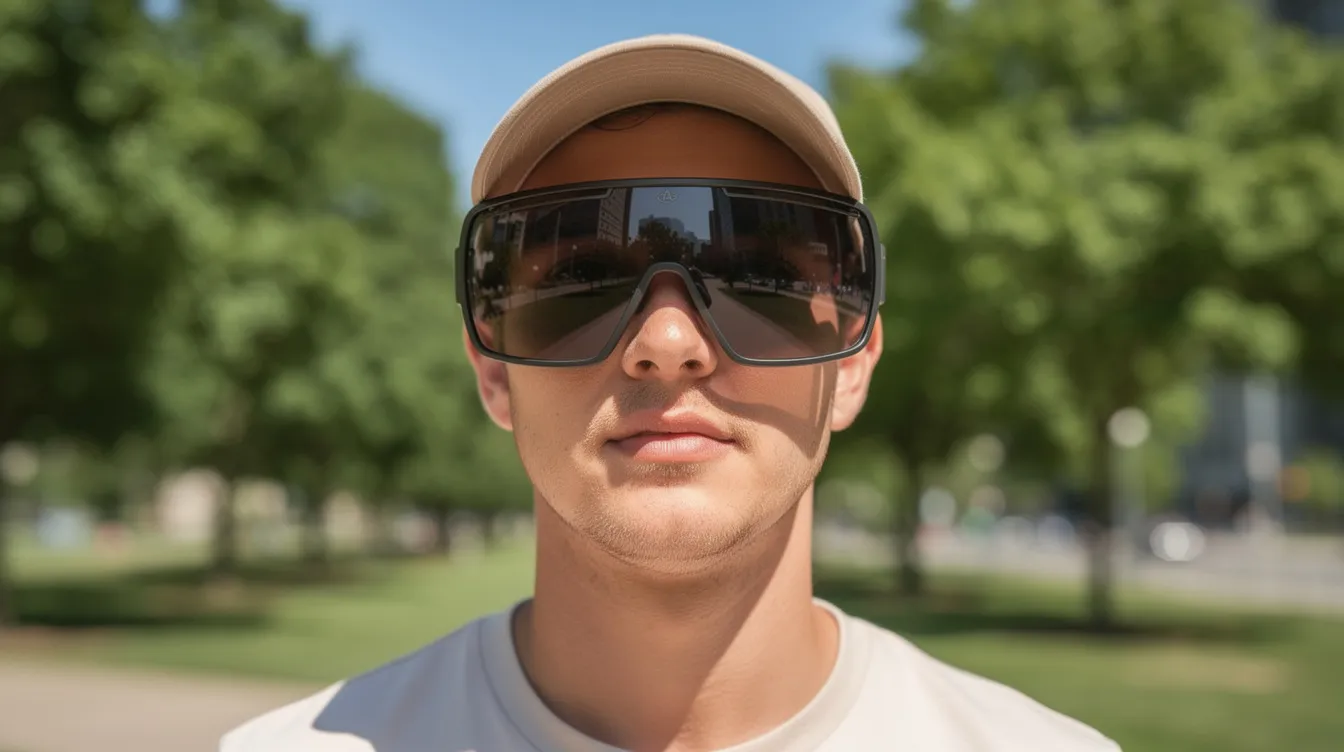
UV protection: Once skin has closed (usually after 2-3 weeks), wear sunglasses and mineral sunscreen religiously. Sun exposure causes pigmentation along healing scars.
Gentle massage: After 2-3 weeks with surgeon approval, light massage can disrupt collagen bundles and enhance pliability of the delicate skin.
Topical options:
Silicone gel or sheets show 60-70% improved flattening in clinical studies
Light hydrating creams support skin barrier
Avoid strong acids or retinoids until cleared
Aloe vera, vitamin E, or onion extract may provide comfort, though evidence for eyelid use remains limited
Avoid steroid creams without prescription guidance near the eyes.
Advanced Treatments for Noticeable Eyelid Scars
When scars remain thick, red, or distorting beyond several months of conservative care, additional treatments may help.
Steroid injections (triamcinolone, 10-40 mg/mL) flatten 70-85% of hypertrophic scars. Sessions are spaced 4-6 weeks apart, requiring 1-3 treatments with precision to avoid hypopigmentation.
Laser therapies:
Pulsed dye laser (585-595 nm) targets vascular redness with 50-75% resolution after 2-4 treatments
Fractional CO2 or erbium lasers resurface texture cautiously with corneal shields
Microneedling (0.5-1 mm depth) stimulates neocollagenesis and should only be performed by practitioners experienced with the orbital area.
Other technologies include radiofrequency microneedling for contractures and IPL for vascular discoloration.
Treatment choice depends on scar age, color, thickness, and skin type—Fitzpatrick IV-VI carries higher post-inflammatory hyperpigmentation risk. Evaluation by an ophthalmic plastic surgeon guides appropriate selection.
Surgical Eyelid Scar Revision
Scar revision means reshaping, repositioning, or partially removing scar tissue to improve appearance or function. It’s typically considered after the scar has matured—usually 9-12 months post-original surgery or injury—unless functional problems demand earlier intervention.
Common revision goals:
Repositioning the line to sit more naturally in a crease
Releasing tight contracture scars
Smoothing step-offs at incision edges
Correcting excessive scarring
Simple revisions may involve in-office scar trimming under local anesthesia. Complex cases require operating room procedures with full surgical revision of the upper lid or lower lid.
Realistic expectations: Revision improves appearance and function but cannot completely erase a scar. Combined laser or injection treatments afterward often optimize results. Recovery mirrors primary surgery—swelling and bruising lasting one to two weeks, with results refining over months.
A skin graft may be necessary for severe contractures from burns or tumor excisions.
When an Eyelid Scar Affects Eye Function
Some scars create more than cosmetic concerns—they impact eye health and comfort.
Functional problems include:
Difficulty closing the eye fully at night (lagophthalmos >2 mm gap)
Chronic dryness and evaporative symptoms
Lashes turning inward (entropion) or lid turning outward (ectropion)
Persistent tearing, gritty sensation, or recurrent conjunctivitis
Tight or malpositioned scars can cause these issues, requiring prompt evaluation by an oculoplastic or ophthalmic plastic specialist focused on patient safety.
Treatment may involve scar release, repositioning the eyelid margin, or grafts—sometimes combined with lubricating drops and lid hygiene. Don’t ignore functional symptoms, particularly after an accident or prior eyelid procedure.
How to Minimize Eyelid Scarring Before and After Surgery
Preparation and lifestyle choices significantly influence your healing journey.
Pre-surgery optimization:
Stop smoking or vaping 4 weeks before and after (boosts perfusion by 25%)
Review blood thinners and supplements with your surgeon
Optimize conditions like diabetes (target HbA1c <7%)
Arrange 1-2 weeks off work and avoid major social events
Post-surgery habits:
Keep head elevated while sleeping
Avoid rubbing eyes or sleeping face-down
Skip heavy exercise for 1-2 weeks
Use cold compresses as directed for first 48 hours
Long-term practices:
Year-round sun protection
Gentle skincare around eyes
Avoid tanning beds to prevent pigmentation
Track progress with photos at week 1, month 1, month 3, and month 6 to assess healing objectively and share with your plastic surgeon.
Choosing the Right Specialist for Eyelid Scars
Eyelid scars are best assessed by surgeons specializing in eyelids and periorbital anatomy.
Look for:
Board certified oculoplastic, ophthalmic plastic, or facial plastic surgeons
Specific experience in eyelid scar treatment and revision
Before and after photos focusing on eyelid scars, crease symmetry, and eyelid position
Revision rates below 5-10% (experienced specialists average lower needs)
Prepare for consultation:
Bring prior operative reports and any old photos of your eyelids
Document previous surgeries and treatments
Ask about proposed plans, alternatives, expected downtime, and realistic outcomes
Complex cases may require staged treatment—revision followed by later laser work. Ensure you’re comfortable with the long-term plan. General plastic and reconstructive surgery practitioners may carry 2-3x higher ectropion rates compared to eyelid-focused specialists.
Frequently Asked Questions About Eyelid Scars
Will my eyelid scar be visible when my eyes are open? Upper blepharoplasty scars typically become imperceptible with eyes open after 3 months, as they sit within the natural crease. Lower lid subciliary scars may be slightly more visible but usually blend into lash-line shadows. Transconjunctival lower lid approaches leave no external scar.
How long until my eyelid scar looks “normal”? Redness fades around 6-8 weeks, with ongoing improvement through 12 months. Many patients see optimal results at the 9-12 month mark, though subtle refinement continues beyond. Individual healing factors affect this timeline.
Can makeup hide an eyelid scar? Yes. Makeup is typically safe after 10-14 days with surgeon approval. Ophthalmologist-grade neutral products work best. Most interim scars can be camouflaged 80% with proper concealer technique.
Are noticeable scars permanent? While scars never vanish completely, many improve significantly with modern techniques. Combination approaches—lasers, injections, surgical revision—can address 70-90% of concerns.
Is eyelid scar treatment covered by insurance? Functional problems like ectropion or incomplete closure may receive partial coverage (Medicare Part B covers 80% after deductible for qualifying conditions). Purely cosmetic improvements typically aren’t covered.
Next Steps If You’re Worried About an Eyelid Scar
If a scar is bothering you cosmetically or functionally, professional assessment provides clarity on your options.
Document your concerns with clear, well-lit photos—both eyes open and closed—and write down your symptom history and any prior treatments. Schedule a consultation with an experienced surgeon focused on eyelids to review everything from simple topical care to surgical revision.
Remember that scars continue improving with time. Studies show 90% of blepharoplasty scars are deemed excellent at one year. Conservative interventions often reclaim both eye appearance and function without overzealous fixes. The goal is restoring smooth healing and natural appearance while maintaining realistic expectations about what’s achievable.
Frequently Asked Questions
What causes eyelid scars?
Eyelid scars result from cosmetic surgery (blepharoplasty), trauma (sports injuries, dog bites, cuts), burns, or medical procedures like tumor removal. Blepharoplasty is the most common source. The delicate eyelid skin, being only 0.5-1mm thick, is susceptible to scarring from various injuries and surgical interventions.
How long does it take for an eyelid scar to fully heal?
Eyelid scar healing follows a timeline: redness and swelling subside within 6-8 weeks, but full scar maturation takes 6-12 months. Most patients return to work within one to two weeks. Final assessment of surgical scars should wait until 6-12 months when the scar has completely remodeled and flattened.
What does a normal eyelid scar look like?
A well-healed upper blepharoplasty scar appears as a faint line tucked into the natural eyelid crease, resembling subtle eyeliner. Lower eyelid scars blend into natural lash line shadows. These fine line scars are flat, pale, and virtually invisible when eyes are open.
When is an eyelid scar considered problematic?
Problematic eyelid scars appear raised, red, painful, or distort eyelid position and function. Warning signs include progressive thickening after 3-4 months, increasing tightness, restricted eyelid movement, pain at the scar site, or changes in eyelid position requiring medical evaluation.
What factors affect how an eyelid scar heals?
Healing depends on surgeon technique, incision placement in natural creases, and tension-free closure. Patient factors include age, genetic predisposition to hypertrophic scars, skin type, smoking status, and medical conditions like diabetes. Sun exposure and aftercare adherence also directly affect final appearance.
Learn more: Eyelid Surgery at Leva Medical
-2.jpg?width=2000&height=2000&name=Copy%20of%20YouTube%20Thumbnail%20-%20Life-Changing%20Cosmetic%20Surgery!%20(Document)-2.jpg)


