Under-eye puffiness can make you look tired, older, or unwell-even when you feel great. Eye bag removal surgery offers a reliable way to restore a refreshed, natural appearance. This guide walks you through every stage of the process, from available techniques and preoperative preparation to recovery milestones and choosing the right surgeon.
Learn more: Lower Eyelid Surgery (Eye Bags) at Leva Medical
Overview of Eyelid Surgery for Eye Bag Removal
Lower blepharoplasty is a surgical procedure designed to reduce under-eye bags by removing or trimming the small fat pads that push forward under each eye. The surgery is most effective for bags caused by protruding fat rather than temporary puffiness from allergies or fluid retention.
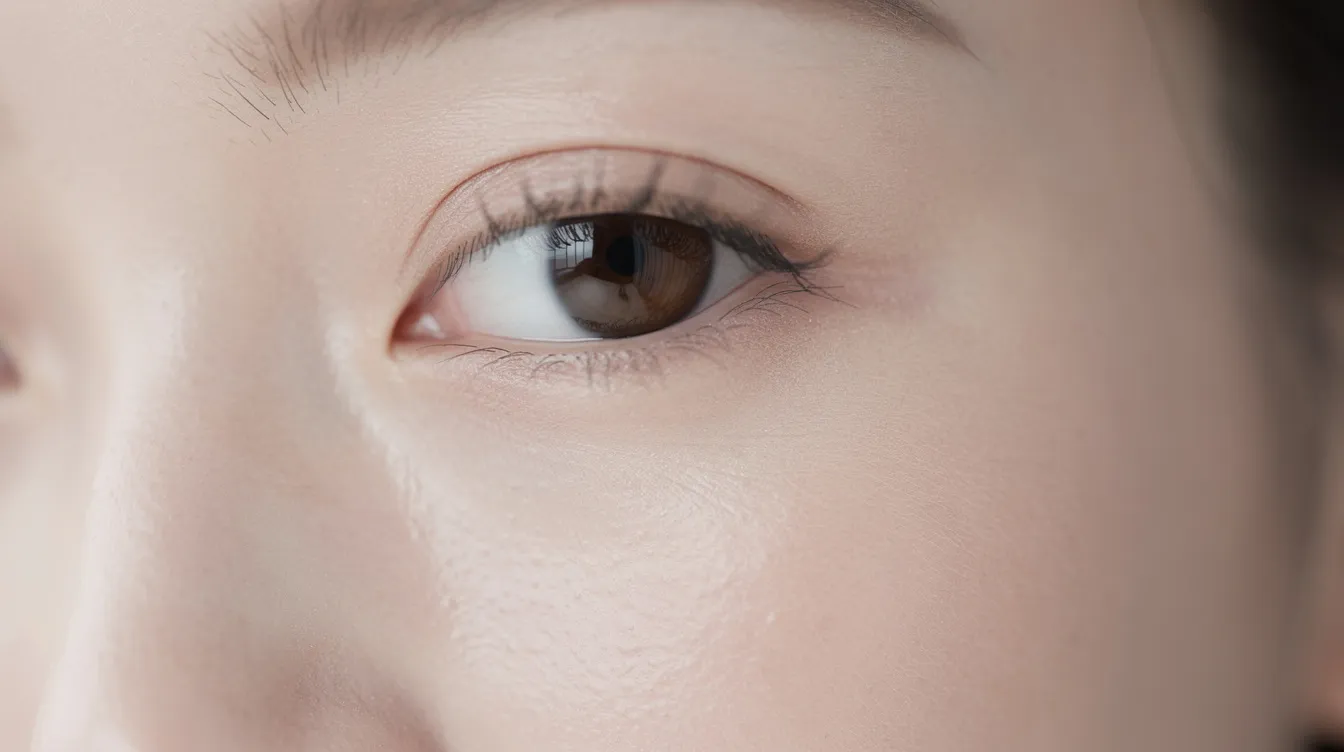
What to expect from results: Most patients see a smoother lid-to-cheek transition, and reduced puffiness. At Leva Medical, a small amount of your own fat is usually placed along the under-eye line, which helps avoid a hollow look. Results depend on individual anatomy, skin elasticity, and age.
Recovery at a glance: Most people return to desk work in about a week. Swelling peaks around day 3 and mostly settles over 2 to 6 weeks; bruising usually fades in 1 to 2 weeks. The final result keeps refining for months.
Treatment Options for Eye Bag and Eyelid Surgery
Lower eyelid surgery can involve transconjunctival or transcutaneous incision techniques. Here's how each approach works.
Traditional external blepharoplasty: A transcutaneous approach where a small incision is made just below the lash line. The surgeon raises skin and muscle flaps, addresses fat pads, and removes excess skin. Traditional surgery removes excess skin and subcutaneous fat, making it suitable for patients with both puffiness and skin laxity.
Transconjunctival technique: The incision is made through the inner eyelid (conjunctiva), leaving no visible scar. This is the approach Leva Medical uses, with a fine-tip instrument. It works well when fat protrusion is the primary concern and excess skin isn't significant.
Laser skin treatments: Laser skin treatments improve skin texture and pigment only; they do not remove fat pads.
Surgical Techniques: Lower Eyelids
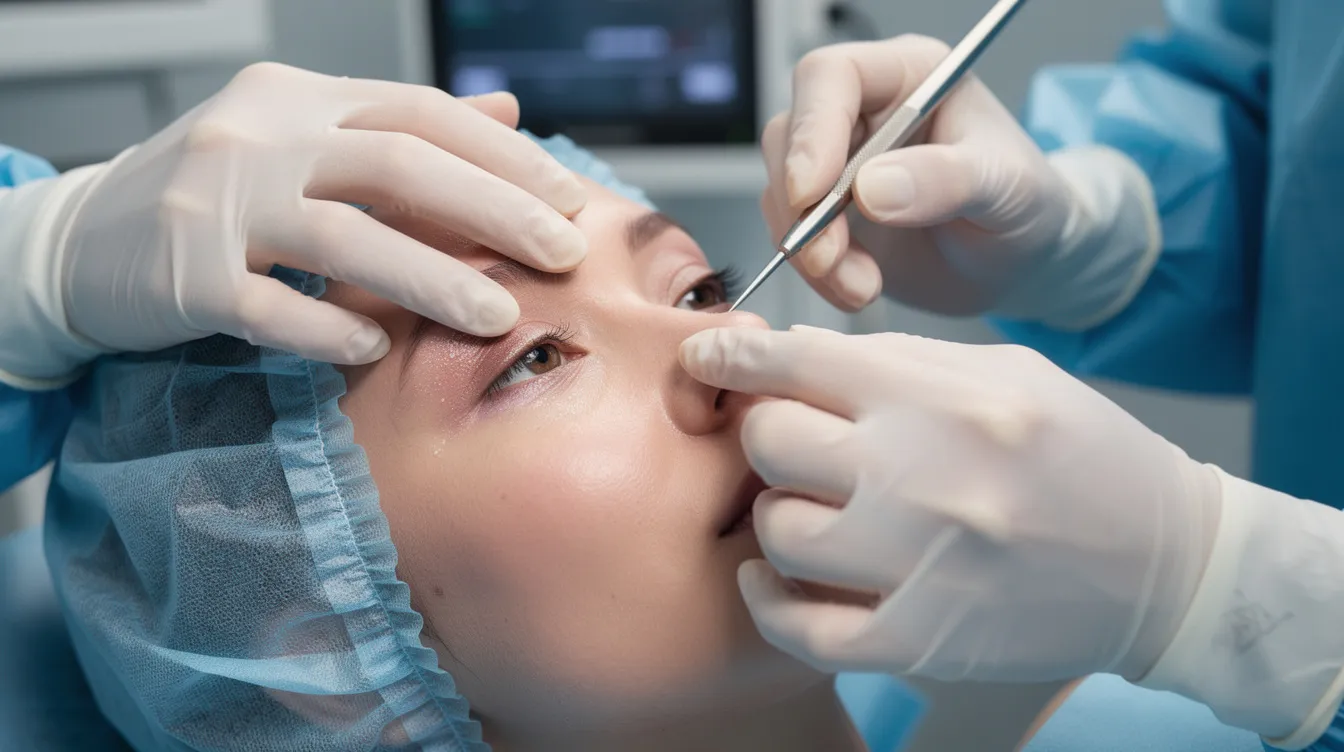
Transcutaneous incision: Placed 2–4 mm below the lash line, this approach creates a skin-muscle flap that gives the surgeon access to fat compartments. The transcutaneous incision allows for both fat removal and skin trimming, making it the go-to choice when multiple corrections are needed.
Transconjunctival incision: Made through the inner eyelid with a fine-tip instrument, so there is no visible scar. This is the approach Leva Medical uses.
Fat removal steps: The surgeon identifies herniated fat in the medial, central, and lateral compartments. The fat pads are removed or trimmed, and usually a small amount of your own fat, taken from the belly through a tiny opening, is placed along the under-eye line so the area looks smooth, not hollow.
Skin tightening methods: When loose skin is present, the transcutaneous approach allows careful excision. Laser skin treatments or chemical peels can further improve texture and tone. Any skin excision must be conservative to avoid lid retraction or ectropion.
Before the Treatment: Preoperative Preparation
A consultation is necessary before eyelid surgery. During this appointment, the doctor evaluates surgery suitability by examining lid laxity, tear-trough depth, skin condition, and malar anatomy. The consultation also informs clients about surgery risks and post-operative care, setting realistic expectations.
Preparation checklist:
Provide a full medical history, including thyroid conditions, dry eye, glaucoma, and prior ocular surgeries
Stop NSAIDs, aspirin, fish oil, and vitamin E supplements (as your surgeon directs)
Complete blood work and medical clearance, and stop smoking
Clients should arrive for surgery without make-up-no mascara, eyeliner, or creams near the eyes
Remove contact lenses on the day of the procedure
During the Treatment: Intra-operative Experience
Lower blepharoplasty is usually performed as an outpatient procedure. The operation takes about 1.5 to 2 hours in the office, and you go home the same day; someone must take you home, since you cannot drive.
Anesthesia options:
Leva Medical uses local anesthesia plus a relaxing medication taken beforehand; patients are comfortable and drowsy, not intubated, and many remember little
Patients who prefer to be fully asleep can choose general anesthesia at an accredited facility for an added fee
Pain during surgery is minimal under proper anesthesia.
After the Treatment: Recovery and Aftercare

Recovery from lower blepharoplasty occurs in distinct phases over several weeks to months. Here's what each phase looks like:
Immediate post-op (days 1–3):
Apply a cold (not frozen) mask for 15 minutes every hour for the first 2 days, then a warm (not hot) mask from day 3
Sleep on your back with your head raised, never face down
Use antibiotic and eye drops as prescribed
Avoid rubbing the eye area
First week (days 4–7):
Small dressings come off at the 1-week visit
Swelling and bruising begin to improve noticeably
Walking is encouraged from the first day, but avoid anything that raises your heart rate or blood pressure, and lift nothing over 20 pounds (9 kg) for 1 week
Weeks 2–6:
Wear eye makeup and contact lenses only when your surgeon clears you at your follow-up visit
Most swelling settles over 2 to 6 weeks
No baths, ocean or jacuzzi for 1 month
The following months:
Some grafted fat is absorbed in the first months
Residual swelling resolves
The final result keeps refining for months
Risks and Complications of Eyelid Surgery
Every surgery carries risk. Common complications include temporary swelling, bruising, asymmetry, bleeding, and occasionally a touch-up. Potential risks of lower blepharoplasty include infection and dry eyes.
Seek urgent care if you experience:
Sudden vision changes or loss
Excessive bleeding or expanding swelling
Inability to close your eyes fully
Persistent, worsening pain or signs of infection (redness, discharge)
Dry eye management: A temporary gritty, sand-in-the-eye feeling and dryness are common and settle. Use your eye drops as prescribed.
Who Is a Good Candidate for Eyelid Surgery
Age: Adults with under-eye bags.
Health: Good candidates are in good health and have realistic expectations. Blood work and medical clearance come first, diabetes must be controlled, and smokers must stop.
Medications: Patients on blood-thinning medications such as warfarin or DOACs must ensure these are adjusted or paused under medical supervision before the procedure is performed.
Choosing a Surgeon and Clinic for Eye Bag Removal
Ask about your surgeon's experience at your consult.
Review before-and-after photos. Look for patients with anatomy similar to yours. Ask for photos taken months after surgery, not just the immediate post-op period.
Prepare consultation questions:
Which technique do you recommend for my anatomy, and why?
How much fat will be removed, and how much of my own fat will be placed?
What are the risks specific to my eyes and skin type?
What is your revision policy?
Can you provide a full cost breakdown?
Cost, Travel, and Recovery Timeline
Cost: Lower eyelid surgery at Leva Medical starts at $6,500, fat grafting included, under local anesthesia. Financing is available.
Travel planning: If traveling for surgery, schedule your initial consultation in advance. Someone must take you home after surgery, since you cannot drive. Bring a companion to assist during early recovery and avoid flying while still significantly swollen.
Sample recovery timeline:
Milestone | Timeframe |
|---|---|
Small dressings off | 1-week visit |
Eye makeup and contact lenses | When your surgeon clears you at your follow-up visit |
Return to desk work | About a week |
Most swelling settles | 2 to 6 weeks |
Final result | Keeps refining for months |
Patient Consent and Legal Considerations
Informed consent should cover all risks (bleeding, vision changes, dry eye, scarring, asymmetry, need for revision), alternative treatments (filler, laser skin treatments), expected outcomes, cost, and recovery timeline.
Ensure all preexisting eye conditions-dry eye, glaucoma, previous surgeries, lid position abnormalities-are documented with photographs before surgery. This protects both patient and surgeon.
Discuss the revision policy upfront. Ask how long to wait before considering a revision, as tissues need time to settle. Clarify whether touch-ups are included in the original fee or billed separately.

Eye bag removal surgery is a well-established procedure. Success starts with understanding the available techniques, preparing properly, and selecting a qualified surgeon who aligns with your goals. Use this guide as your checklist, and book a consultation to discuss what approach is right for your anatomy and lifestyle.
Frequently Asked Questions
What is lower blepharoplasty and what does it treat?
Lower blepharoplasty is a surgical procedure that reduces under-eye bags by removing or trimming the small fat pads that push forward under each eye. It works best for bags caused by protruding fat rather than temporary puffiness from allergies or fluid retention.
How long does recovery from eye bag removal surgery take?
Most people return to desk work in about a week. Swelling peaks around day 3 and mostly settles over 2 to 6 weeks; bruising usually fades in 1 to 2 weeks. The final result keeps refining for months.
What are the main surgical technique options for lower eyelids?
Two primary approaches exist: transcutaneous incision, made 2–4 mm below the lash line, allows fat removal and skin trimming; transconjunctival incision, made through the inner eyelid, leaves no visible scar and is the approach Leva Medical uses.
What should I do to prepare for eye bag removal surgery?
Provide full medical history to your surgeon. Stop NSAIDs, aspirin, fish oil, and vitamin E supplements as your surgeon directs. Cease smoking in advance. Arrive without makeup or contact lenses. Remove any creams near the eyes.
How does Leva Medical avoid a hollow look?
The fat pads are removed or trimmed, and usually a small amount of your own fat, taken from the belly through a tiny opening, is placed along the under-eye line so the area looks smooth, not hollow.
Will I be awake during the procedure?
Leva Medical uses local anesthesia plus a relaxing medication taken beforehand, so you are comfortable and drowsy, not intubated, and many patients remember little. If you prefer to be fully asleep, you can choose general anesthesia at an accredited facility for an added fee.
How long do results last?
Removed fat pads do not grow back, so results are long-lasting. Some grafted fat is absorbed in the first months, and what remains behaves like normal fat. Natural aging continues, and results look rested, not done.
-2.jpg?width=2000&height=2000&name=Copy%20of%20YouTube%20Thumbnail%20-%20Life-Changing%20Cosmetic%20Surgery!%20(Document)-2.jpg)


