Introduction to Earlobe Repair
Earlobe repair is a quick, effective surgical procedure designed to correct torn or stretched earlobes and restore their natural shape. Whether your lobes were damaged by an accident, years of wearing heavy earrings, or gauge piercings you've outgrown, this procedure offers a reliable path back to the appearance you want. For patients in Queens and across NYC, understanding the consultation process, treatment details, recovery timeline, and realistic results can help you make a confident decision.
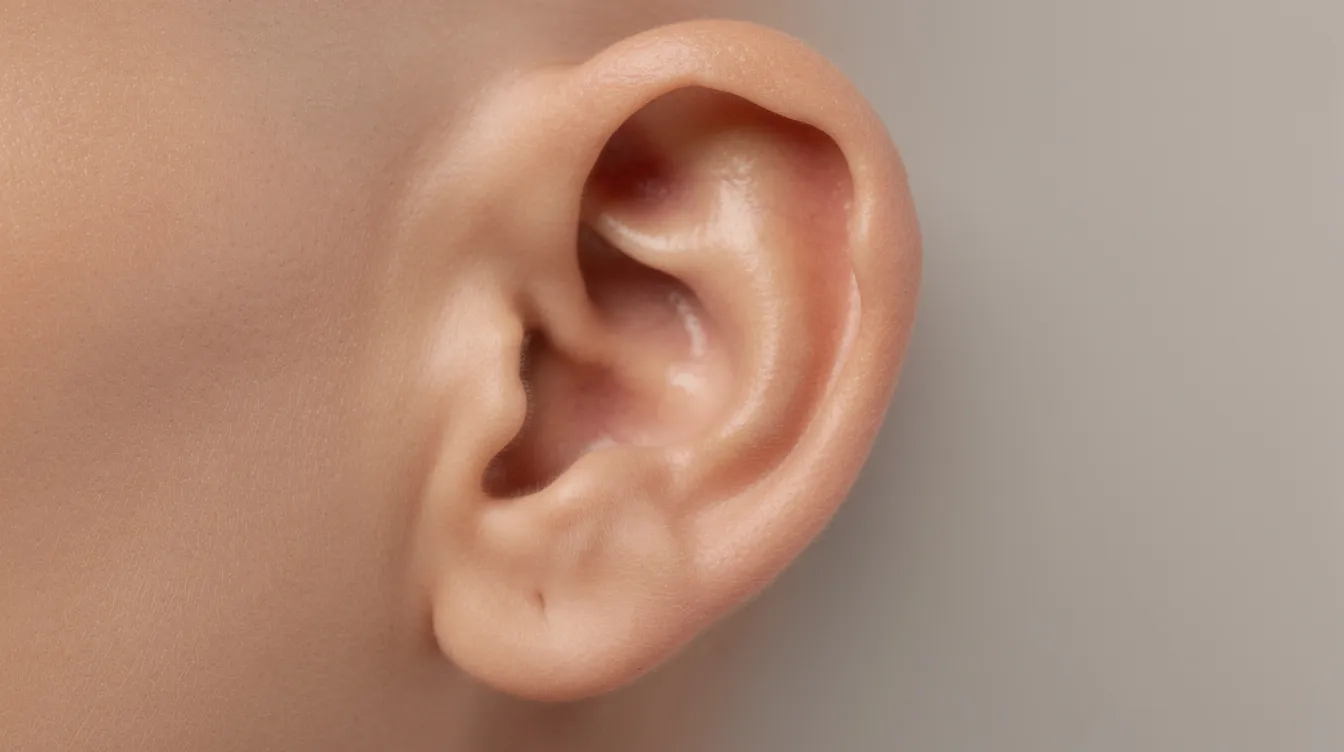
More About Earlobe Repair
Several factors contribute to damaged earlobes, and understanding them can help you determine whether earlobe repair surgery is right for you.
Aging: As skin loses collagen and elastin over time, earlobes can thin, elongate, and sag. Gravity does the rest, gradually changing lobe proportions relative to the face.
Jewelry stretching: Earlobes can stretch from heavy jewelry wear over months or years. Earring holes can also enlarge over time due to genetics, even without particularly heavy pieces. Gauges can cause significant earlobe damage that requires more complex reconstruction. Even clip-on earrings can restrict blood flow to earlobes and contribute to tissue thinning.
Trauma: Torn earlobes often result from snagged earrings - a child pulls an earring, or it catches on clothing and is pulled accidentally. These earlobe tears can happen in an instant and leave a visible split.
Common Earlobe Concerns
Not all earlobe damage looks the same. Here are the most common issues patients bring to a consultation:
Completely torn earlobes: A full split through the lobe, often at the piercing site. Repair requires trimming scar tissue and carefully re-approximating both skin surfaces to avoid a notch at the lower edge.
Partially split earlobes: The tear hasn't gone all the way through. These cases are often simpler to address and may allow the surgeon to preserve part of the existing piercing holes.
Enlarged piercing holes: Stretched piercings - from years of wear or intentional gauging - leave thinned tissue and widened openings. Earlobe repair can address damage from heavy jewelry in these cases, though the technique may be more involved.
Thin or elongated lobes: Some patients aren't dealing with a tear at all. Instead, they're unhappy with lobes that appear droopy or disproportionate. People unhappy with earlobe size may seek reduction to reshape and restore proportion, and candidates may include those with enlarged earlobes from aging or genetics.
Who Is a Candidate for Earlobe Repair?
You're likely a good candidate for earlobe repair surgery if you meet these criteria:
You're an adult with healed earlobe injuries (no active wound or open infection)
You have stretched earlobes, a torn earlobe, or enlarged piercing holes
You want to improve the shape and natural appearance of your lobes
You're interested in wearing earrings again or simply restoring symmetry
Candidates often have torn or stretched earlobes caused by trauma, heavy earrings, or aging. Earlobe repair is suitable for individuals with aesthetic concerns about their ears, whether the issue is cosmetic or functional.
Patients with a history of keloid scarring, active infection, or conditions that impair wound healing should discuss these factors with their doctor before proceeding. Any infection must be no longer inflamed and fully resolved prior to surgery.
Earlobe Repair Procedure
Earlobe repair is an outpatient procedure performed in a comfortable office setting. Earlobe repair is performed under local anesthesia, so you remain awake but feel no discomfort during the process. Earlobe repair usually takes about 30 minutes - sometimes less for a simple procedure on one lobe, sometimes more for bilateral or complex cases.
Treatment plans vary based on injury severity. A clean tear requires a different technique than gauge reversal or reshaping protruding ears and lobes with significant tissue loss.
Torn Earlobe Repair Technique
The surgeon begins by removing the healed skin lining the torn edges. This step is essential because scar tissue cannot bond properly. Fresh tissue edges are then aligned and closed in layers - both the front and back skin surfaces - using fine sutures that support the earlobe's natural contours. Earlobe repair may involve techniques that address tissue healing and contour preservation, ensuring the lower free edge of the lobe looks smooth and avoids a step deformity.
Earlobe Reduction Options
For patients with elongated or pendulous lobes, the surgeon measures the desired length, marks the planned excision, and removes a wedge or crescent of excess tissue. The incisions are closed carefully to reshape the lobe for improved proportion relative to the ear and face. This approach can also be used to treat stretched lobes from gauge piercings, sometimes requiring staged procedures if the damage is extensive.
Preparing for Earlobe Repair
Preparation sets the stage for a smooth earlobe repair procedure. During your consultation, expect to:
Discuss your desired earlobe shape and bring reference photos if helpful
Provide a complete medical history, including any history of diabetes, smoking, or immune conditions
Disclose previous keloid scars - this is critical, as keloid-prone skin may require modified techniques or scar prevention measures
Follow medication instructions, which may include stopping blood thinners and NSAIDs before treatment
Many patients find it helpful to review before-and-after photos of similar earlobe repairs so you can align expectations with what's realistically achievable.
Earlobe Repair for Queens Patients
Many people searching for earlobe repair in Queens want a simple, office-based procedure that fits into a busy schedule. Because most repairs are done under local anesthesia, the visit is usually short and you can typically go home the same day.
At your consultation, it helps to ask about:
The technique planned for your specific type of tear, stretch, or enlarged piercing hole
How your tissue thickness and any history of keloid scarring may affect the plan
Sterile surgical standards followed during the procedure
A personalized treatment plan based on your tissue condition and goals
Clear answers to these questions help you understand what is realistically achievable before you commit to treatment.
What to Expect During Treatment
Here's what the process looks like on the day of your earlobe repair procedure:
The treatment area is cleansed with antiseptic
Local anesthetic (typically lidocaine) is administered to numb the earlobe completely
The surgeon marks incision lines, removes damaged tissue, aligns healthy edges, and closes the wound in layers with fine sutures
Light dressings are applied
The entire repair sequence is performed while you're awake and comfortable. Sedation is rarely necessary. You can arrange transportation home as a precaution, though most patients in NYC find they're able to travel independently after a simple repair.
Earlobe Repair Recovery
Recovery from earlobe repair is straightforward. Here's what to expect in the first week:
Timeline | What to Expect |
|---|---|
Days 1–3 | Mild swelling and temporary bruising near the repair site |
Days 3–5 | Most adults return to work about 5 days after surgery |
Day 7 | Children can return to school after about 7 days |
Weeks 1–2 | Sutures are removed 1 to 2 weeks after earlobe repair |
Recovery typically involves mild bruising and swelling, but pain is generally manageable with over-the-counter analgesics. Stitches are usually removed in 1 to 2 weeks during a scheduled follow-up visit at the office, where your doctor will assess healing progress.
Aftercare and Healing
Earlobe repair requires proper care to minimize scarring after the procedure. Follow these guidelines to protect your results:
Keep the incision clean and dry; change dressings as instructed
Avoid pressure on the treatment area - don't sleep on the repaired ear
Skip swimming pools and submerging the wound until cleared by your surgeon
Apply antibiotic ointment if prescribed
Be careful to watch for signs that require medical attention: increasing redness, unusual discharge, persistent swelling, or fever. Contact your doctor's office immediately if any of these occur. Expect the scar to appear pink initially, then gradually soften and fade over 3 to 12 months.
Re-Piercing After Earlobe Repair
One of the most common questions patients ask is when they can re pierce their ears. Here's what you need to know:
It is advisable to wait 6 to 12 weeks before re-piercing earlobes after repair, with a minimum healing period observed carefully
Earlobes can be re-pierced 3 months after repair - this is a commonly recommended benchmark
Surgeons may advise an offset placement for new piercings to avoid scar damage
Always get surgeon approval before re-piercing to confirm the tissue has healed fully
When you do wear earrings again, choose lightweight, hypoallergenic jewelry. Avoid heavy earrings that could re-stretch the repaired lobe.
Results, Risks, and Expectations
The answer most patients want: yes, earlobe repair delivers visible improvements in lobe shape and symmetry. However, set realistic expectations:
Shape: The natural shape of your earlobe is restored, though minor differences between lobes are common
Scar: Some scar formation is inevitable. Early scars may look pink; they typically fade and flatten over several months. Patients with darker skin tones face a higher risk of keloid or hypertrophic scarring
Symmetry: Perfect symmetry cannot be assured, but skilled technique minimizes visible irregularities
Recurrence: There is a risk of future stretching if heavy jewelry is worn again or if the lobe sustains new trauma
Complications such as infection, wound separation, or prolonged swelling are uncommon but possible. Wrinkles or textural changes along the scar line can occur as part of normal healing.
Earlobe Repair Cost in Queens
The cost of earlobe repair depends on several factors:
Factor | Impact on Cost |
|---|---|
Number of ears | Repairing both ears involves more work than a single-ear procedure |
Complexity | Gauge reversal or tissue reconstruction is more involved than a simple tear repair |
Anesthesia | Local anesthesia is standard, though complex cases may require more time |
The exact price is set at the consultation.
Cosmetic procedures are self-pay. Payment options can be reviewed in office after the exact plan and total are known.
We offer financing through Cherry and Alphaeon, subject to credit approval.
We also offer an in-house save-up plan with no credit check.
Because every case is different, a consultation is the most accurate way to understand what your repair will involve.
Schedule an Earlobe Repair Consultation
If you're considering earlobe repair in Queens, scheduling a consultation is the first step. During your appointment, you can expect to:
Have your earlobe tissue evaluated - its width, thickness, and elasticity
Discuss your treatment goals and timeline
Learn whether you're a good candidate based on your medical history and the type of damage present
Review the exact plan and schedule your procedure
Don't hesitate to ask questions about technique, expected recovery, and how soon you can wear jewelry again. Restoring the confidence that comes with natural, well-proportioned earlobes is a straightforward process - and it starts with a single conversation. Book a consultation to schedule your evaluation and take the next step.
Frequently Asked Questions
What is earlobe repair?
Earlobe repair is an outpatient surgical procedure that corrects torn or stretched earlobes and restores a more natural shape. It may address damage from aging, heavy jewelry, gauge piercings, or trauma. It is typically performed under local anesthesia in an office setting.
Who may be a candidate for earlobe repair?
Candidates are generally adults with healed earlobe injuries and no active wound or infection. Suitable concerns include torn lobes, stretched lobes, enlarged piercing holes, and elongated lobes. Patients with a history of keloid scarring, impaired wound healing, or active infection should discuss these factors with their doctor first.
How long does the earlobe repair procedure take?
A simple repair on one lobe often takes about 30 minutes, sometimes less. Bilateral or more complex cases, such as gauge-related damage, may take longer. The exact duration depends on the severity of the injury and the technique required.
Is earlobe repair painful?
Earlobe repair is performed under local anesthesia, so patients remain awake but should not feel discomfort during the procedure. Some soreness or tenderness may occur afterward as the area heals. Your surgeon can explain pain management options during your consultation.
What should I do before earlobe repair?
Before surgery, provide a full medical history, including conditions like diabetes or immune disorders, and disclose any previous keloid scars. Follow your provider's medication instructions, which may include stopping blood thinners or NSAIDs. Bringing reference photos of your desired shape can also help during consultation.
About Leva Medical
Leva Medical has offices in Queens (94-06 59th Ave, Suite E9, Elmhurst, NY 11373) and in Northport, Long Island (320 Laurel Rd, Northport, NY 11768).
Call (718) 699-9737 to book a consultation with our board-certified doctors.
Learn more: Earlobe Repair at Leva Medical
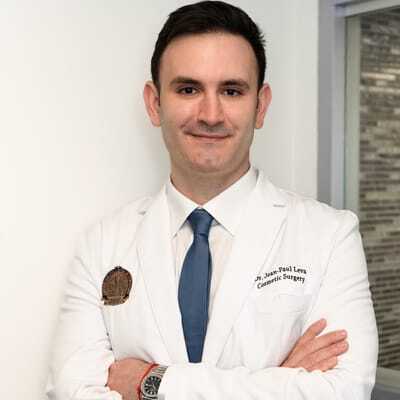
Dr. Jean-Paul Leva
Dr. Jean-Paul Leva, FACS is board certified in cosmetic and general surgery. Dr. Jean-Paul Leva, FACS obtained his Doctor of Osteopathic Medicine degree from ...