If you're seeking earlobe repair, you probably want straightforward answers about what it costs, how much it hurts, and how long recovery takes. Whether you're dealing with torn earlobes from an accident, stretched earlobes from years of wearing heavy earrings, or gauged earlobes you've outgrown, this guide covers everything you need to know before booking your consultation.
Learn more: Botox & Fillers at Leva Medical
Quick Summary of Earlobe Repair Surgery and Cost
Earlobe repair costs range from $400 to $2,000, with an average of about $1,434 per procedure based on patient-reported data. The average cost per ear falls between $400 and $900 for straightforward repairs, while more complex reconstruction pushes the price higher.
Common reasons patients pursue earlobe repair surgery include:
Split earlobe from trauma or typically long earrings snagging on clothing or fabric
Elongated earlobe holes caused by wearing heavy earrings over many years
Gauged earlobes from body modification that patients want reversed
Congenital deformities or asymmetries
Poor piercing technique that led to damage over time
Sleeping in earrings, which can stretch earlobes gradually
The procedure is typically an outpatient procedure performed under local anesthesia in a surgeon's office, and most patients go home the same day.
What Is Earlobe Repair Surgery?
Earlobe repair surgery - also called lobuloplasty or earlobe reconstruction - is a minor surgical procedure that corrects tears, splits, stretching, or deformities in the earlobe. The goal is to restore the natural shape of the ear and create a natural appearance that blends with surrounding tissue.
Surgical techniques vary based on the type of damage:
Simple linear closure for clean tears where the torn edges are trimmed and sutured together
Wedge excision for stretched or gauged earlobes, which involves removing excess tissue and reshaping
Z-plasty or rotation flaps for more complex reconstruction requiring redistribution of soft tissue
Keloid or scar tissue excision before closure when damaged tissue includes problematic scarring
Earlobe repair procedures can involve local anesthesia or, in rare cases, more complex sedation. However, the procedure is typically performed under local anesthesia with no sedation required. Earlobe repair can restore the natural shape of the ear when performed by a skilled provider.
Who Is a Candidate for Earlobe Repair
A candidate for earlobe repair generally includes anyone with a torn, split, or stretched earlobe who wants correction. Candidates include individuals with torn or stretched earlobes, whether from trauma, piercings, or congenital issues.
Key candidacy factors include:
Healthy adults are generally good candidates for earlobe repair
Heavy earrings can cause earlobe tearing, making those with damage from this type of jewelry prime candidates
Earlobes can stretch from years of heavy earring use, even without a dramatic tear
Congenitally short earlobes are more prone to damage and may benefit from surgical earlobe repair
Nonsmokers typically experience better healing outcomes after surgery, as smoking can delay the healing process and affect wound healing
Children can undergo repair once cartilage growth stabilizes around age 5
Candidates should have realistic expectations about surgical results
Medical conditions that may complicate candidacy include uncontrolled diabetes, bleeding disorders, use of anticoagulants, immune compromise, and active infection near the piercing site. Your surgeon will assess these during a physical exam.
When To See a Board Certified Plastic Surgeon
You should consult a board certified plastic surgeon when the defect is large, asymmetrical, involves a significant hole from gauging, includes keloid or scar tissue formation, or when a prior repair attempt has failed. A plastic surgeon brings training in aesthetics, symmetry, and complication management that makes them the preferred choice for more complex rotation flaps or split earlobe repair involving excess skin removal.
At your consultation, bring clear photos of the damage from multiple angles, your full medical history, a list of medications, and details about any prior ear procedures. Ask to see before-and-after photos of similar cases.
Earlobe Surgery Procedure and Timeline
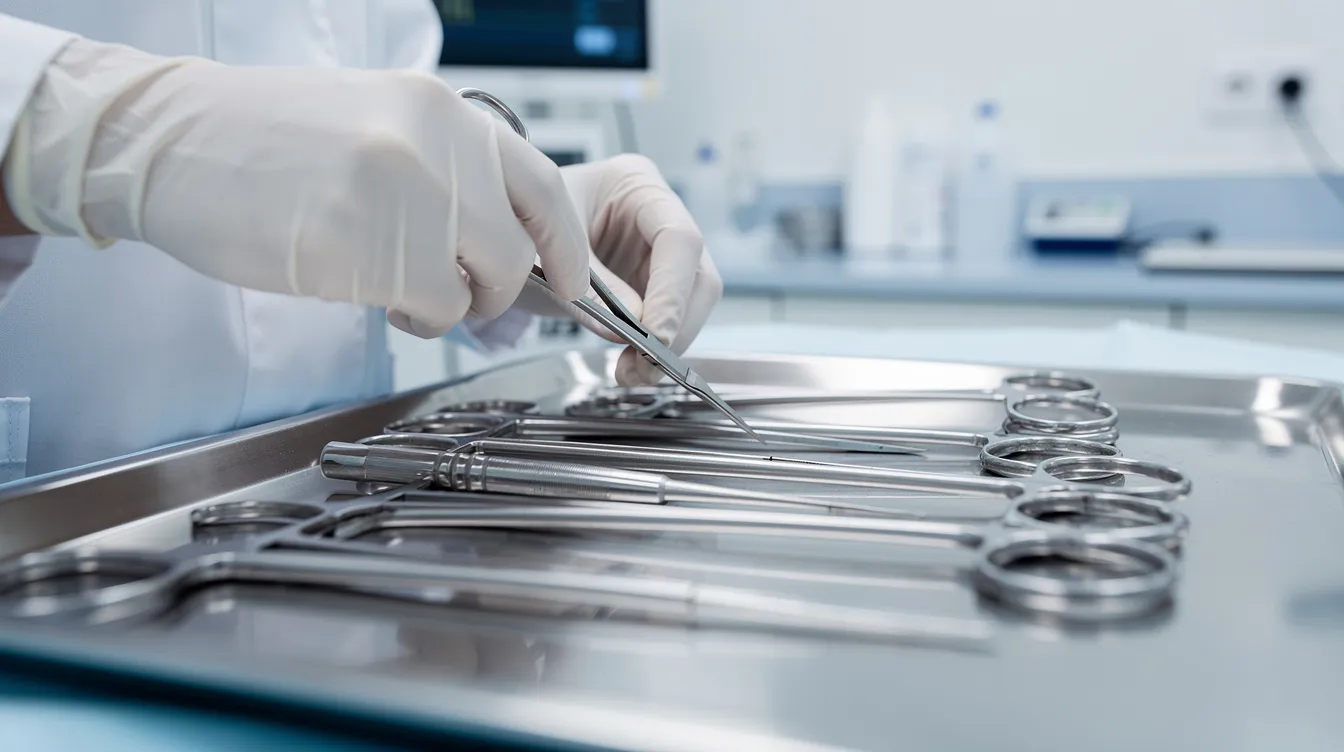
Here's what to expect before, during, and after the procedure typically involves:
Preoperative preparation:
Health history review and physical exam
Stop smoking several weeks before surgery
Discontinue NSAIDs and blood thinners as directed
Remove all earrings and ensure the area is infection-free
During the procedure:
The area is sterilized and local anesthetic (usually lidocaine) is injected
The surgeon makes incisions appropriate to the defect, removing any nonviable or excess tissue
Repair of stretched piercings involves excising the stretched channel
The torn edges are aligned and closed in layers using fine sutures
Skin closure may use absorbable sutures for deeper layers and permanent sutures or removable sutures on the surface
Earlobe repair generally takes 15 to 30 minutes per ear. Complex repairs require more surgical expertise and time than simple repairs. The procedure usually takes place in an outpatient setting, making it a quick and easy procedure for most requested procedures in cosmetic practices.
Earlobe Repair Surgery Hurt? Pain, Recovery, and Care
Does earlobe repair surgery hurt? During the procedure, you won't feel pain thanks to local anesthesia. Once the anesthetic wears off, mild swelling and discomfort are common after surgery, but most patients manage well with over-the-counter pain medication like acetaminophen or ibuprofen. Prescription pain medication is rarely needed.
Recovery timeline:
Timeframe | What to Expect |
|---|---|
Day 1-2 | Swelling, tenderness; apply cold compress; keep area clean and dry |
Days 3-7 | Discomfort reduces; light activities permitted |
Week 1-2 | Stitches from earlobe repair are typically removed after two weeks |
Week 1 | Full recovery from earlobe repair takes about one week for most daily activities |
Weeks 6-8 | Tissue maturation begins; avoid heavy earrings |
Most patients return to work the next day. Patients can usually return to work the next day after surgery with minimal downtime. Avoid heavy lifting, swimming, and contact sports during the healing process. Apply antibiotic ointment as directed by your surgeon. Stitches usually stay in for two weeks after surgery.
How Much Does Earlobe Repair Surgery Cost?

Here's how much does earlobe repair surgery cost across different scenarios:
National cost ranges:
Repair Type | Cost Range |
|---|---|
One earlobe (simple tear) | ~$450 per ear |
Basic repairs per ear | $500 to $2,500 |
Gauged earlobes | $1,100 to $1,400 |
Bilateral (both ears) | $600 to $3,600 total |
National average (RealSelf) | $1,434 per procedure |
Repairing one ear is typically cheaper than both ears. However, bilateral repairs may unlock a package discount despite higher overall costs, since the surgeon can combine facility and procedural time at the same visit.
What drives repair surgery cost up or down:
Surgeon expertise and reputation can influence the cost of earlobe repair - highly credentialed providers charge more
Costs for repairing complex gauge holes can be higher due to required techniques like wedge excisions or more complex rotation flaps
Prices can vary based on practice location and facility overhead (California averages ~$1,734 per procedure vs. Florida at ~$816)
Facility fees are minimal for office procedures but climb if done in a surgical center
Anesthesia fees stay low since local anesthesia is standard
Consultation costs may be separate from the price of the procedure, though some practices might include consultation and follow-up visits in their price
Many patients take advantage of financing options or payment plans offered through cosmetic surgery practices. Ask for an itemized quote that includes surgeon fees, facility fees, supplies, and follow-up costs, as other procedure add-ons can shift the total.
Is Earlobe Repair Covered by Insurance?
Most insurance does not cover earlobe repair procedures because insurers classify it among cosmetic procedures. Your insurance company will typically exclude purely aesthetic corrections like repairing stretched or elongated piercings.
However, earlobe repair covered by insurance may apply in certain situations:
Traumatic injury (animal bites, accidents)
Congenital deformities requiring correction
Reconstructive cases following other medical procedures
If you think your case qualifies, verify with your insurance company before scheduling. Your surgeon can write a letter documenting medical necessity with proper diagnosis codes to support pre-authorization.
Re-piercing and When Ears Are Fully Healed
Many patients want to know when they can wear earrings again. Patients can re-pierce their ears after three months, though many surgeons recommend waiting three to six months to ensure the area is fully healed. Re piercing typically should wait until the scar has matured enough to support a new piercing.
For re piercing placement, the new piercing site should be at least 3 mm from the repaired area to avoid weaker scar tissue. Your surgeon can advise on the best old piercing site avoidance strategy.
Healing milestones:
Surface closure: 1-2 weeks
Scar maturation (redness, firmness fading): 2-3 months
Full aesthetic maturation with a fine scar: 6-12 months
Avoid wearing heavy earrings or typically long earrings on the repaired ear even after re piercing. Lightweight studs are your safest option for the first year.
Risks, Scarring, and Expectations Until Fully Healed
Like any surgical procedure, earlobe repair carries risks. Common complications include:
Asymmetry between earlobes
Infection or delayed wound healing
Numbness or altered sensation
Hypertrophic or keloid scarring
Over-excision resulting in an unnatural natural shape
Scar appearance follows a predictable pattern. Initially, the scar appears red or pink and slightly raised. Over months, it flattens, softens, and fades to a fine scar that blends with the surrounding tissue. Sun exposure can prolong the red stage, so protect the area.
Milestones for being fully healed:
Wound closure complete by days 5-10
Suture removal at ~2 weeks
Scar maturation at 2-3 months
Final scar appearance settled by approximately one year
Choosing the Right Plastic Surgeon and Consultation Checklist
Selecting the right provider is one of the most important decisions in this process. Here's your checklist:
Verify credentials: Confirm board certification (American Board of Plastic Surgery or equivalent dermatologic surgery board). Check hospital privileges and professional society memberships.
Review before-and-after photos: Focus on cases matching your damage type - whether gauged earlobes, split earlobe repair, or torn earlobe repair. Look for consistency in results.
Ask about revision rates: How often does the surgeon perform corrective follow-up? What are their complication statistics?
Bring documentation: Complete list of medications, prior ear procedures, smoking history, allergies, and clear photos showing the damage from multiple angles.
A thorough consultation is where you'll determine whether the surgeon's approach matches your expectations for minimal scarring and a natural appearance.
Cost Comparison and Alternatives to Repair Surgery
Not every case requires surgery. Here's how the options compare:
Approach | Best For | Cost | Duration |
|---|---|---|---|
Surgical earlobe repair | Full tears, gauged lobes, significant hole | $400-$3,600 | Permanent |
Dermal fillers (HA) | Mild sagging, volume loss, thin lobes | $300-$800 | 6-12 months |
Laser resurfacing | Surface irregularities | $200-$500 | Varies |
Non-surgical alternatives like dermal fillers can address mild elongation, sagging, or age-related thinning without surgery. However, they won't fix a true split earlobe, excise excess skin, or correct a significant hole from gauging. These easy procedure alternatives are temporary and need repeat treatment.
The best approach is determined in consultation. Sometimes combining methods - repair plus filler - yields the ideal cosmetic result for patients return visits.
FAQ and Patient Communication Tips
"How much does earlobe repair cost total?" Ask for an itemized quote covering surgeon fee, facility fee, anesthesia, supplies, and follow-ups. Surgery cost varies, but expect $400-$2,000 for most cases. One earlobe repair typically costs around $450 for simple tears.
"Will it hurt?" Local anesthesia eliminates pain during the procedure. Afterward, over-the-counter pain medication handles mild soreness. Most patients describe it as a quick and easy procedure.
"When can I drive and return to work?" Patients return to normal desk work the next day. Driving is fine once the anesthetic wears off. Avoid heavy lifting and strenuous activity for at least a week.
Post-op reminders for many patients:
Apply antibiotic ointment as directed
Avoid pressure on the ear while sleeping
Skip swimming and submerging the area until cleared
Protect the scar from sun exposure
Don't wear earrings until your surgeon approves
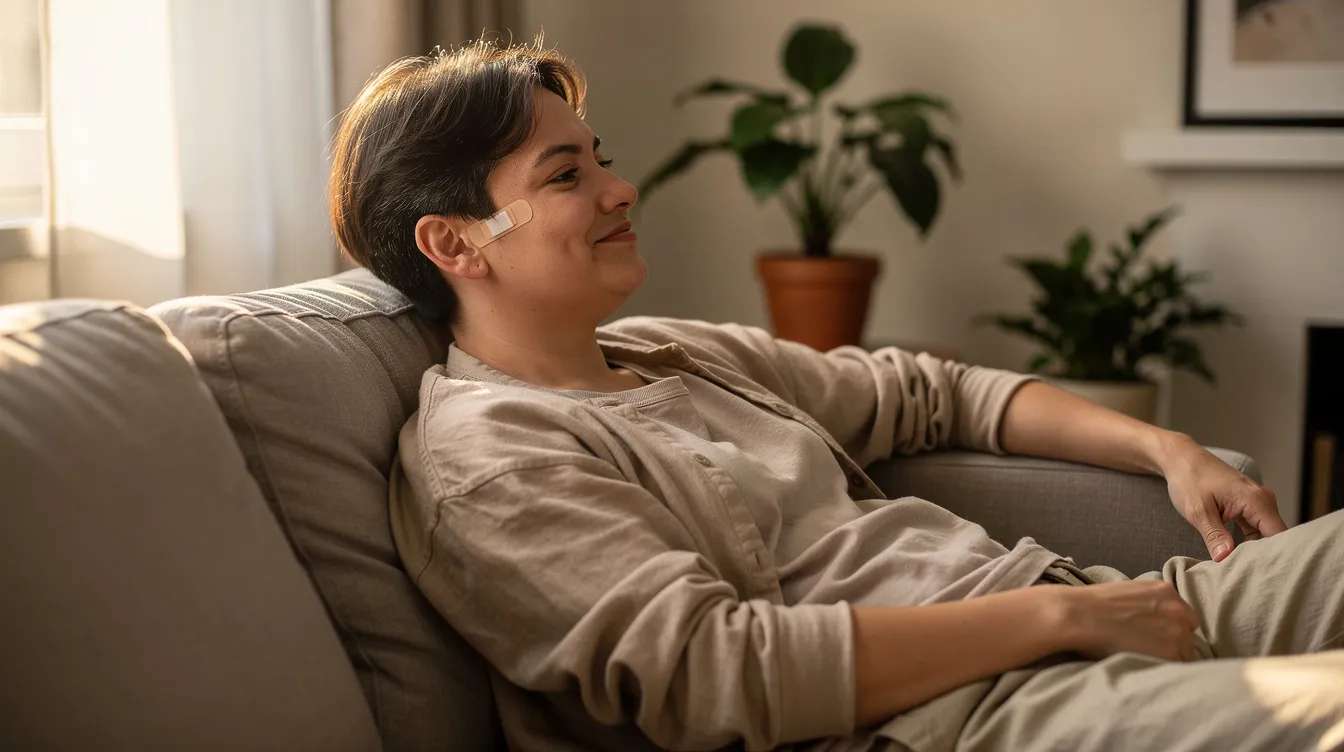
Earlobe repair is among the most requested procedures in cosmetic practices for good reason - it's fast, effective, and delivers lasting results. If you're considering torn earlobe repair, split earlobe repair, or correction of gauged earlobes, your next step is scheduling a consultation with a qualified plastic surgeon. Get an itemized quote, review before-and-after photos, and walk in with your medical history ready. The sooner you start, the sooner you'll have earlobes you're confident showing off again.
Frequently Asked Questions
What is the typical cost of earlobe repair surgery?
Earlobe repair costs range from $400 to $2,000, with an average of about $1,434 per procedure. Straightforward repairs typically cost $400 to $900 per ear, while more complex reconstruction may cost more.
How long does the earlobe repair procedure take?
Earlobe repair generally takes 15 to 30 minutes per ear. The exact duration depends on the complexity of the damage. The procedure is performed in an outpatient office setting under local anesthesia.
What is the recovery timeline after earlobe repair surgery?
Swelling and tenderness occur in the first 1-2 days. Discomfort typically reduces by days 3-7. Stitches are usually removed after two weeks. Full recovery takes approximately one week.
Will earlobe repair surgery hurt during or after the procedure?
During surgery, local anesthesia prevents pain. After anesthetic wears off, mild swelling and discomfort are common but manageable with over-the-counter pain medication. Prescription pain medication is rarely needed.
Who is a good candidate for earlobe repair?
Good candidates include healthy adults with torn, split, or stretched earlobes from trauma, piercings, or congenital issues. Nonsmokers typically experience better healing. Medical conditions like uncontrolled diabetes or bleeding disorders may affect candidacy.

-2.jpg?width=2000&height=2000&name=Copy%20of%20YouTube%20Thumbnail%20-%20Life-Changing%20Cosmetic%20Surgery!%20(Document)-2.jpg)


