If you're considering eyelid surgery to address under eye bags-or you've already gone through the procedure-one question likely keeps surfacing: do eye bags come back after surgery? The short answer is that blepharoplasty results can last for many years, but recurrence depends on technique, biology, and how well you care for yourself afterward. This article covers the causes of recurrence, what to expect during recovery, and how to protect your results for the long haul.
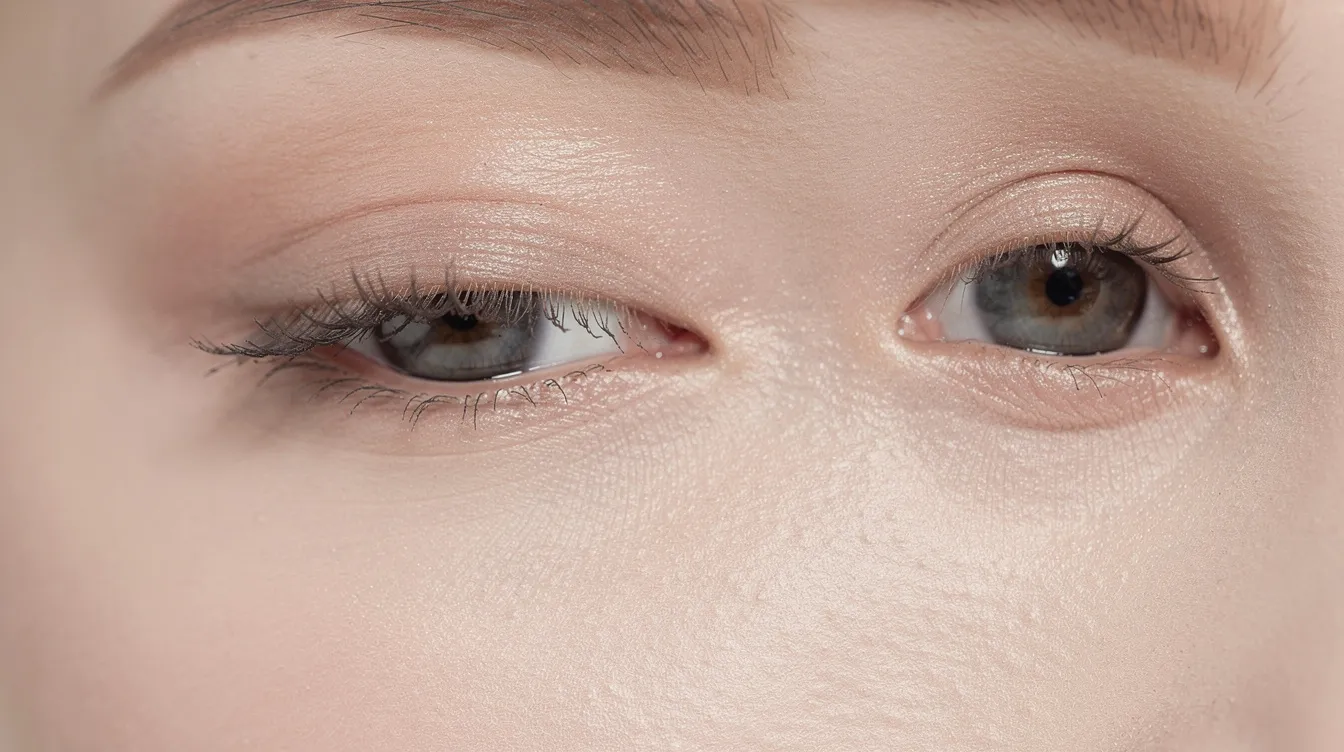
Overview: Eyelid Surgery and Eye Bags
Eyelid surgery encompasses several procedures targeting puffiness, loose skin, and structural changes around the eye area. Lower blepharoplasty specifically addresses under eye bags and sagging skin along the lower eyelid, while upper blepharoplasty removes excess skin from the upper eyelids that may create droopy eyelids or obstruct the visual field. At Leva Medical, lower eyelid surgery is done from inside the lower lid with a fine-tip instrument, so there is no visible scar.
The procedure works by removing or trimming the fat pads that push forward under the eyes, and usually placing a small amount of your own fat, taken from the belly through a tiny opening, along the under-eye line so the area looks smooth, not hollow. Under-eye surgery offers long-lasting structural corrections that address the root anatomy behind a tired appearance.
Goals split into two categories. Cosmetic goals focus on achieving a youthful, refreshed appearance and comprehensive rejuvenation. Functional goals may include correcting eyelid malposition or removing skin that blocks vision. Risks include swelling, bruising, infection, bleeding, dryness, asymmetry, and occasionally a touch-up; very rarely, bleeding behind the eye can threaten vision and needs emergency care right away.
Do Eye Bags Come Back After Surgery? Recurrence Factors
The specific fat pads removed during lower blepharoplasty do not grow back. However, several forces can recreate the appearance of eye bags over time. Results of lower blepharoplasty are long-lasting, but surgery cannot stop the natural aging process.
Fat reherniation. Even after fat reduction, the orbital septum weakens naturally over time, leading to possible reappearance of puffiness. Remaining fat or adjacent fat pads may shift and bulge.
Progressive skin laxity. Changes in skin laxity can develop over many years after surgery. As collagen depletes and elasticity drops, loose skin beneath the eyes can mimic the appearance of eye bags. Skin quality can affect the visibility of age-related changes around the eyes.
Weight and lifestyle. Lifestyle habits can influence the quality of skin around the eyes. Significant weight fluctuations, high-sodium diets, smoking, UV exposure, and poor sleep all accelerate skin aging. Occasional puffiness can also be caused by fluid retention, allergies, or skin laxity-not necessarily a return of the original problem.
Genetics and aging. Genetics can affect the appearance and persistence of under-eye issues. Natural aging and gravity can cause new hollows or shadow effects, and aging facial features can also lead to changes in perceived under eye bags. Pre-existing anatomical features can influence future appearance under the eyes, regardless of how well the surgery was performed.
Comparing Techniques: Lower Blepharoplasty and Lower Eyelid Options
Choosing the right approach can make all the difference in how long your results hold up. Surgical technique impacts the long-term appearance after lower blepharoplasty.
Feature | Transcutaneous (External) | Transconjunctival (Internal) |
|---|---|---|
Incision location | Along the lash line or just below it | Inside the lower eyelid |
Suited for | Excess skin fat, wrinkles, muscle laxity | Fat bulging without significant loose skin |
Visible scar | Possible along incision line | Transconjunctival blepharoplasty leaves no visible scar |
Retraction risk | Higher if skin removal is aggressive | Lower |
Fat removal vs. fat repositioning. Aggressive fat excision risks creating a hollowed look and may paradoxically increase recurrence. Fat repositioning tends to preserve structural support better than aggressive fat removal and creates a smooth transition between the eyelid and cheek.
Blepharoplasty Recovery Timeline and Healing Process
The recovery timeline for surgery may include swelling and bruising lasting weeks, but healing follows a predictable arc. Understanding the blepharoplasty recovery timeline helps set realistic expectations so people expect the right milestones at the right times.
First Week: Blepharoplasty Recovery Timeline
The first week is the most intense phase of the recovery process. Swelling is the main issue and peaks around day 3; bruising is possible and usually fades in 1 to 2 weeks. Many patients experience temporary dryness, light sensitivity, watery eyes, and mild discomfort during this window.
Key first-week steps:
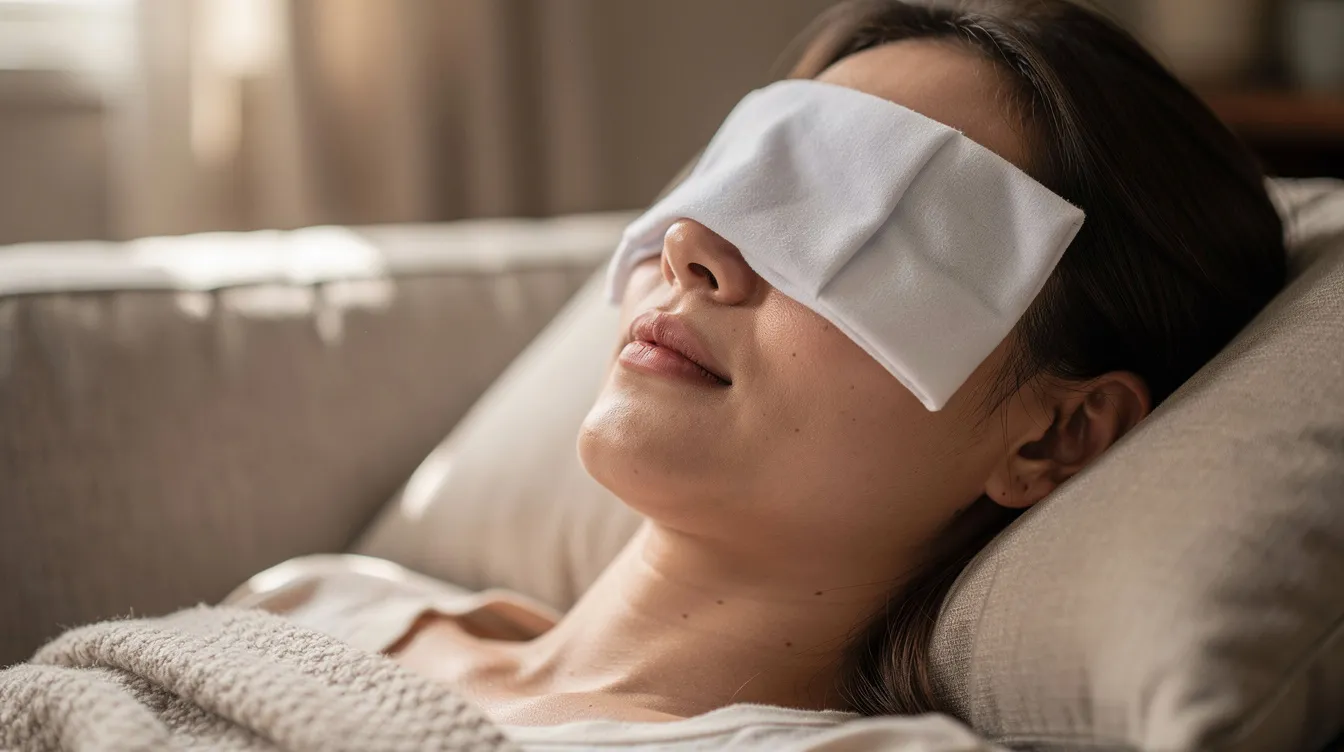
Apply a cool (not icy) mask in short sessions for the first 2 days
Sleep on your back with your head raised, never face down, and do not rub your eyes
Avoid strenuous activity, bending, and heavy lifting
Use antibiotic and eye drops as prescribed
Small dressings come off at the 1-week visit
Swelling usually peaks around day 3 before gradually fading.
Weeks 2–12: Ongoing Recovery Process
Most people return to desk work in about a week; some go back after 2 to 3 days if they do not mind looking swollen. Most swelling settles over 2 to 6 weeks, and bruising transitions from purple to yellowish tones before disappearing entirely.
The final result keeps refining for months as tissues settle into their new position. Because the surgery is done from inside the lower lid, there is no visible scar.
Managing Heavy Lids, Under Eye Bags, and Double Eyelid Considerations
Heavy lids from upper eyelid drooping can cast shadows that make under eye bags look more pronounced. When planning surgery, plastic surgeons evaluate whether drooping eyelids and sagging eyelids require a combined approach. Upper eyelid surgery can improve vision by removing excess skin that encroaches on the visual field.
Double eyelid surgery creates or enhances the eyelid crease, a procedure particularly relevant for patients of East Asian descent. Asian blepharoplasty specifically creates or enhances the eyelid crease, and ethnic considerations matter: skin thickness, fat distribution, and healing tendencies vary, influencing whether incisional or non-incisional double eyelid techniques are appropriate. Patients with thicker eyelid skin or more preseptal fat require tailored approaches to avoid an unnatural result.
When ptosis (true upper lid drooping) is present, combining ptosis repair with blepharoplasty can help balance results and prevents compromised eyelid closure. Addressing all eyelid concerns in a thoughtfully designed surgical plan avoids the need for staged procedures and delivers more harmonious outcomes.
How to Reduce Recurrence: Surgical and Postoperative Strategies
Protecting against recurrence starts in the operating room and continues at home.
Intraoperative techniques:
Removing or trimming the fat pads rather than aggressive excision
Usually placing a small amount of your own fat along the under-eye line so the area looks smooth, not hollow
Postoperative care:
Sleep on your back with your head raised, never face down
Use a cool (not icy) mask in short sessions for the first 2 days
Post-op care recommendations include UV protection and avoiding smoking
Wear tinted sunglasses during recovery for comfort and UV protection
Avoid heavy lifting for about a week
Do not rub your eyes; you can wash your face from day 2, and small dressings come off at the 1-week visit. Your surgeon will guide timing based on your specific healing process.
Non-Surgical Alternatives and Long-Term Maintenance
Not every case requires a return to the operating room. Non-surgical options include fillers, which can soften a hollow; filler is FDA-approved for under-eye hollows, but it cannot remove a bag.
Hyaluronic acid fillers can soften a hollow in the tear trough area
Autologous fat grafting offers longer-lasting volume but with variable retention
Non-surgical treatments require repeated sessions to maintain results
Non-surgical alternatives can help mild hollowing but do not remove fat pads
Laser skin treatments improve skin texture and pigment only. Creams, laser skin treatments, Botox and fillers do not remove fat pads; lower eyelid surgery is what removes bags.
When to Consider Revision Surgery or Additional Treatments
Most surgeons recommend waiting at least 6–12 months before considering revision. This allows residual swelling to fully resolve and scars to mature. Long-term follow-up can provide better insights into surgical outcomes, and early intervention risks mistaking normal healing for recurrence.
Signs that justify revision:
Persistent or worsening fat bulge beyond 12 months
Eyelid malposition, scleral show, or ectropion
Hollowness from over-excision
Functional issues such as chronic dry eye or exposure
Noticeable asymmetry
Pre-revision evaluation should assess skin quality, lid laxity, orbital anatomy, and prior technique. Proper assessment before surgery is crucial for effective treatment, whether it's a first procedure or a revision. Rapid changes or new symptoms after surgery should always be evaluated by a professional.
Preparing Patients: Expectations for Recovery Time and Process
Setting realistic expectations is one of the most important things you can do before surgery. Blepharoplasty recovery time varies, but most patients report feeling socially presentable within two weeks. Full contour refinement takes months, not days.
First-week supply checklist:
Cool (not icy) gel masks
Preservative-free artificial tears
Prescribed medications and ointments
Clean gauze pads
Sunglasses with UV protection
Pillows for head elevation
Most people return to desk work in about a week; some go back after 2 to 3 days if they do not mind looking swollen. Avoid wearing makeup until your surgeon clears you at your follow-up visit. When considering insurance coverage, note that cosmetic procedures generally aren't covered, but functional surgery to remove excess skin that limits the visual field may qualify.
How long before eye bags might return? Removed fat pads do not grow back and results are long-lasting, though natural aging continues. Not all puffiness after surgery indicates the return of eye bags; other factors like fluid retention, allergies, or gradual skin laxity can contribute to changes in appearance over time.
When can I wear makeup after surgery? When your surgeon clears you at your follow-up visit.
What signs require immediate surgeon contact? Contact your surgeon if you experience sudden vision changes, severe pain, excessive bleeding, signs of infection, or any rapid changes that feel abnormal. While discomfort and mild watery eyes are expected, anything outside the normal healing trajectory warrants professional evaluation.
Next Steps
The question of whether eye bags come back after surgery doesn't have a one-size-fits-all answer. It depends on technique, anatomy, lifestyle, and time. The single most valuable step you can take is scheduling an in-person consultation where a surgeon can evaluate your specific anatomy and aesthetic goals.
Ask about a preoperative checklist, review before-and-after gallery images of patients with similar eyelid concerns, and discuss what personalized care looks like for your situation. A procedure that's thoughtfully designed around your unique features is the foundation of results that stand the test of time.

Frequently Asked Questions
Can eye bags return after blepharoplasty surgery?
The specific fat removed during surgery does not grow back. However, results are long-lasting, and eye bag appearance may recur due to fat reherniation, progressive skin laxity, weight changes, and natural aging processes over time.
What causes eye bags to reappear after lower blepharoplasty?
Recurrence can result from weakening of the orbital septum over time, remaining fat shifting, progressive skin laxity from collagen depletion, significant weight fluctuations, smoking, UV exposure, poor sleep, genetics, and natural aging processes that affect facial structures.
Does fat repositioning or fat removal affect how long results last?
Fat repositioning techniques generally preserve structural support better than aggressive fat excision. At Leva Medical, the fat pads are removed or trimmed, and usually a small amount of your own fat is placed along the under-eye line so the area looks smooth, not hollow.
How long does the recovery take after eyelid surgery?
Most people return to desk work in about a week. Swelling peaks around day 3, bruising usually fades in 1 to 2 weeks, most swelling settles over 2 to 6 weeks, and the final result keeps refining for months.
What can I do after surgery to protect my results?
Maintain healthy lifestyle habits including avoiding significant weight fluctuations, limiting sodium intake, avoiding smoking and UV exposure, prioritizing adequate sleep, and managing allergies. These factors can slow skin aging and help preserve surgical outcomes over time.
Learn more: Lower Eyelid Surgery (Eye Bags) at Leva Medical
-2.jpg?width=2000&height=2000&name=Copy%20of%20YouTube%20Thumbnail%20-%20Life-Changing%20Cosmetic%20Surgery!%20(Document)-2.jpg)


