Whether your lip filler didn't turn out the way you hoped or you're dealing with complications like lumps and migration, dissolving lip filler is a well-established procedure that can help your lips return to a blank canvas. This guide covers everything you need to know, from how the process works and what risks to expect, to aftercare timelines, cost, and when you can safely add volume again. Dissolving lip fillers is considered a safe procedure when performed by a qualified professional, and understanding the details will help you make an informed decision.
Learn more: Body Contouring at Leva Medical
Overview of Hyaluronic Acid Dermal Fillers and Dissolving Fillers
Hyaluronic acid is a naturally occurring substance in connective tissue that holds moisture and adds volume to the skin. In dermal fillers, it's crosslinked into a gel that maintains shape and resists breakdown.
Common hyaluronic acid filler brands fall into two broad categories:
Monophasic (cohesive gels): Teosyal RHA series, Belotero range, Restylane Kysse/Defyne
Biphasic / particle-based gels: Juvederm Ultra series, Voluma, Volbella, Volift
The concept of dissolving filler is simple: only hyaluronic acid fillers can be reliably reversed using an enzyme called hyaluronidase. Other filler material types like silicone or calcium hydroxylapatite cannot be dissolved this way. Hyaluronic acid fillers can be partially or fully dissolved depending on your goals, making them the most common type of reversible cosmetic filler available.
Reasons Patients Choose to Dissolve Lip Filler
Patients dissolve fillers due to dissatisfaction with results. This includes overfilling, uneven volume, asymmetry, or an unnatural shape that doesn't match their facial proportions. Overfilled lips can cause complications and aesthetic issues that go beyond simple aesthetics.
Filler migration can lead to unnatural appearances, with product creeping beyond the vermillion border or blurring the lip line. This is one of the most frequently cited reasons patients want to get rid of unwanted filler.
Medical indications demand urgent action in some cases. Vascular occlusion, where filler accidentally blocks a blood vessel, requires immediate dissolving to prevent tissue damage. Complications like lumps may require filler dissolution, and allergic reactions to fillers can necessitate dissolution as well. Inflammatory nodules, infections, and the Tyndall effect (a bluish discoloration under the skin) are additional triggers.

What Is a Filler Dissolver and How It Works
The primary filler dissolver is hyaluronidase, a natural enzyme that your body already produces in small amounts. Hyaluronidase is a naturally occurring enzyme in the body, and when injected into filler deposits, it breaks down hyaluronic acid in lip fillers by cleaving the glycosidic bonds that hold crosslinked HA together.
Hyaluronidase breaks down the filler material into smaller fragments that the body naturally clears over time. The dissolver starts working almost immediately after injection. Dissolving filler typically takes 10 to 15 minutes in the treatment chair, and results from dissolving lip filler can be seen immediately in many cases, though the full process of absorption continues over the following days.
How Many Sessions Are Typically Needed To Dissolve Filler?
How many sessions you'll need depends on several factors:
Factor | Impact on Sessions |
|---|---|
Filler type (monophasic vs. biphasic) | Monophasic fillers resist enzyme penetration and may need more sessions |
Volume of filler injected | Larger volumes require more enzyme and potentially additional injections |
Age of filler | Older, well-integrated filler can be harder to break down |
Degree of crosslinking | Higher crosslinking means slower dissolution |
Dissolving filler may require one to two visits for most people. About 70% of patients need only one session for elective aesthetic corrections. Dense or older fillers often require a second session.
Before treatment, your medical provider should document the original filler details, including brand name, volume injected, date of injection, and anatomical placement. This information directly influences dosing and expectations.
Preparing For a Dissolve Procedure and Contraindications
Preparation starts with a thorough consultation. Your injector should screen for bee-sting allergy history, since hyaluronidase is sometimes derived from animal sources, and prior reactions could increase risk.
Key preparation steps include:
Medication review: Stop blood thinners (NSAIDs, aspirin) per your clinic's protocol to minimize bruising at the injection site.
Filler records: Bring documentation of prior dermal filler treatments, including what was injected, how much, and where.
Contraindications: Active infection at the treatment area, known allergy to hyaluronidase, non-HA fillers, and uncontrolled systemic disease are all contraindications.
A topical numbing cream is usually applied before injections for comfort, which reduces pain during the procedure.
The Dissolve Procedure: Step-by-Step For Lip Filler
Pre-treatment consent and documentation: Your provider should walk you through a full informed consent covering risks like over-dissolution, allergic reactions, and uneven appearance. Photographic documentation from multiple angles establishes a baseline record.
Test dose (when indicated): If you have a suspected allergy or prior reaction, a small intradermal test on the forearm can be administered with an observation period before proceeding.
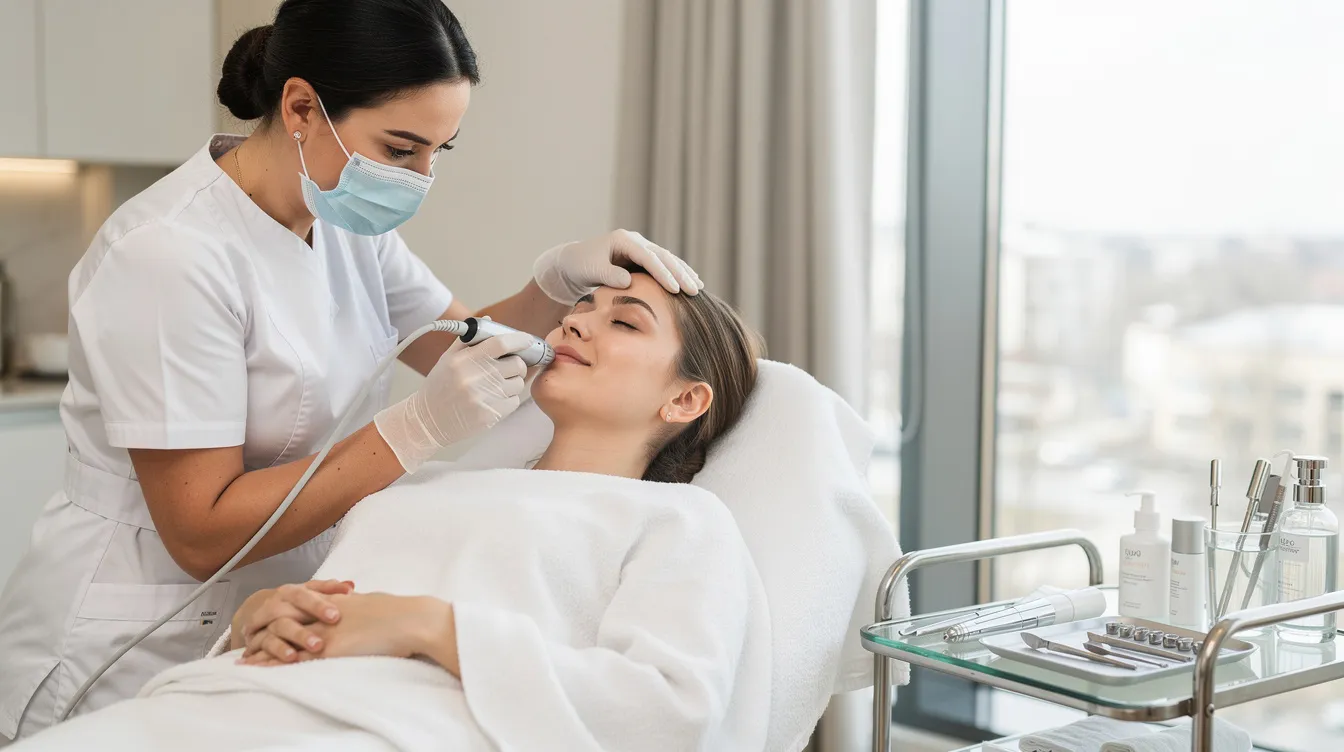
Targeted injection technique: The practitioner injects hyaluronidase directly into the unwanted filler deposit rather than broadly across the lips. Doctors often use a grid of multiple injection points for even dissolution across the treated area. Providers may use ultrasound technology for precise filler dissolution, especially when filler pockets are difficult to locate manually.
Post-injection massage: After the enzyme is injected, gentle massage helps distribute it throughout the surrounding tissue for more complete contact with the filler. This step improves the consistency of the result.
Safety, Risks, And Emergency Use Of Filler Dissolving
Common temporary side effects include swelling, bruising, and tenderness at the injection site. These are normal and typically resolve within days. Pain and discomfort may occur during hyaluronidase injection. Initial swelling can last 48 to 72 hours post-injection.
Rare but serious risks include:
Allergic reactions can happen, causing itching and swelling. Anaphylaxis is rare but possible; clinics should have epinephrine ready.
Over-dissolution, where more filler than intended is broken down. Hyaluronidase can temporarily reduce the body's own natural hyaluronic acid in the treated area, potentially leading to temporary thinning.
Wrinkly lips may appear temporarily after dissolving fillers as tissue adjusts.
Emergency vascular occlusion use: When filler accidentally compresses or enters a blood vessel, hyaluronidase is the first-line rescue treatment. Studies show an 84.2% partial or complete recovery rate when the enzyme is administered promptly. Early presentation is critical; delays beyond five days often lead to poor outcomes.
Partial dissolving is more challenging than full removal. Precise targeting with a small amount of enzyme is required, but diffusion outside the target area is always a risk, making perfect partial correction difficult.
Aftercare, Timeline, And What To Expect After Filler Is Dissolved
First 24 hours:
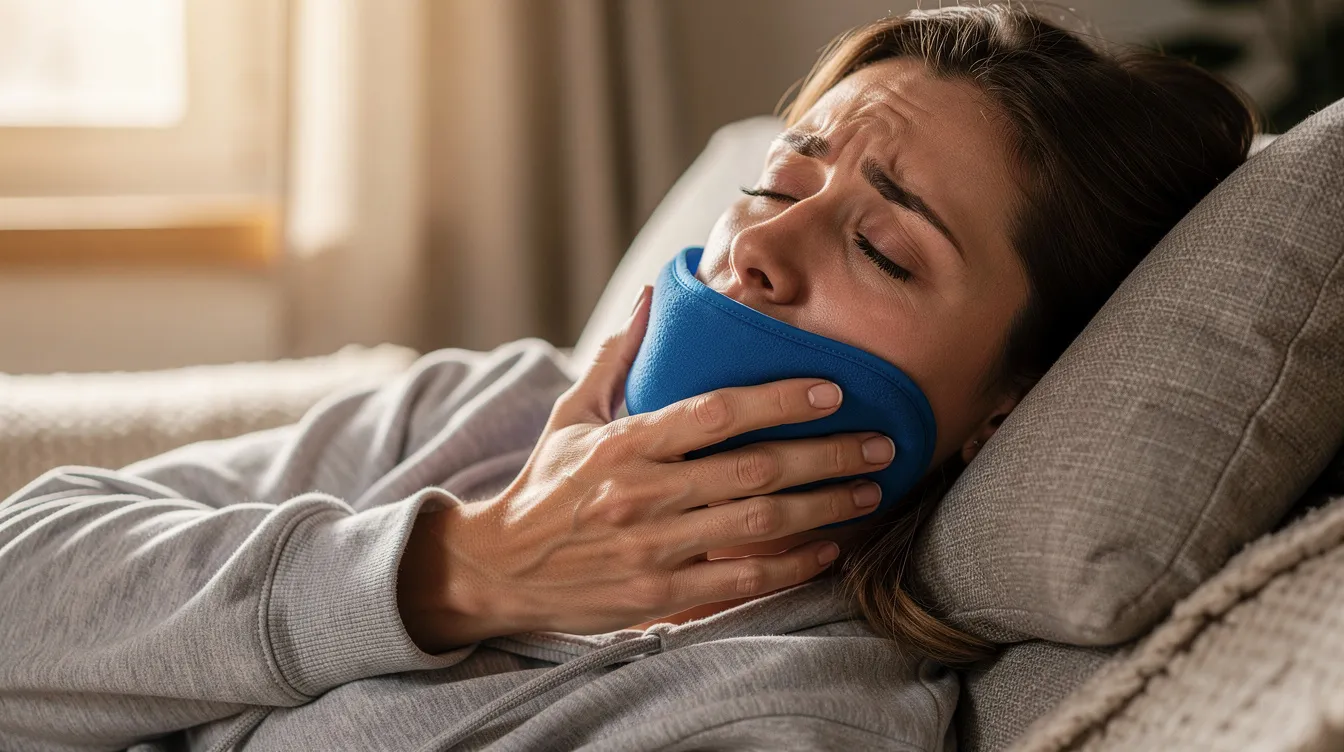
Ice the treated area for the first one to two days to reduce swelling
Rest and avoid pressure on your lips
Keep the treated area clean and free from makeup for several hours
Days 1–3:
Avoid intense exercise for two to three days post-treatment
Avoid hot showers and saunas for two to three days
Massage the area daily for five days after treatment to encourage even absorption
Timeline for results:
Milestone | Timeframe |
|---|---|
Results can be seen immediately | Day of treatment |
Visible changes | Within 24–48 hours |
Final results typically visible | Within a week |
Full results may take | Up to two weeks to appear |
Complete absorption of filler | Up to a week |
Expect some swelling and bruising to peak around 24 to 48 hours, then gradually subside. Your natural lips will start to emerge as the filler breaks down. Schedule a follow-up in one to two weeks to confirm the filler dissolved fully and assess whether additional injections of hyaluronidase are needed.
Managing Complications, Migration, And When To Refill
Monitor for persistent lumps or asymmetry after the swelling resolves. If lumps remain, they may be residual filler, scar tissue, or inflammatory nodules. Ultrasound-guided re-treatment can target specific pockets more precisely.
For inflammatory reactions or suspected infection, your provider may prescribe antibiotics or corticosteroids. Biofilm-related complications may require surgical intervention.
Waiting period before refilling: Most providers recommend waiting two to four weeks after dissolution before re-injecting. This allows the tissue to settle and confirms that all residual effects have resolved.
If you decide to add more filler after dissolving, use conservative volumes. Tissue may have stretched or changed, so starting with less product helps avoid overcorrection and gives you a youthful appearance that looks natural.
Costs, Packages, And How Many Sessions To Budget For
The cost of dissolving lip filler in the U.S. ranges from about $150 to $600 per session. The national average sits around $300, though board-certified dermatologists and plastic surgeons typically charge more than medical spas.
Cost Factor | Range |
|---|---|
Single session (average) | $300 |
Low end | $80–$150 |
High end | $500–$600 |
Multiple sessions (cumulative) | $600–$800+ |
About 70% of patients only need one session, so most people can budget around one session's cost. Ask your provider about package options for dissolve-and-refill scenarios, and clarify upfront whether a second session would incur the same fee. Some clinics offer discounted follow-up treatments.
Alternative Cosmetic Procedures After Dissolving Filler
Once your lips return to their natural state, you have a range of options beyond more filler:
Laser resurfacing can address fine lines and skin texture around the lips, similar in concept to how laser hair removal targets specific tissue with precision.
Microneedling or radiofrequency microneedling stimulates collagen for improved skin firmness.
Skin-tightening treatments (ultrasound, radiofrequency) help with wrinkles and laxity without adding volume.
Fat grafting provides a filler alternative using your own body tissue.
For complex cases involving prior overfilling or compromised tissue, multidisciplinary consults with both dermatology and plastic surgery are worth pursuing. These cosmetic procedures each have their own recovery profiles and are best discussed during a dedicated consultation.
Patient Communication, Consent, And Documentation For Dissolving Lip Filler
A thorough consent checklist for dissolving lip filler should cover:
History of filler (brand, common type, date, volume)
Risk of allergic reactions and over-dissolution
Realistic expectations for timeline and final appearance
Emergency protocols for vascular occlusion
Cost per session and treatment plan for follow-ups
Recording lot numbers of prior dermal filler is essential for safety and dosing accuracy. Your provider should document pre- and post-treatment photographs at standardized angles on the day of the procedure, one week later, and at two weeks. These records protect both you and your provider and help track the process of dissolution.
FAQ Section Ideas Including "How Many Sessions" Questions
How many sessions are common? Most people need just one session for elective lip corrections. Dense, older, or high-volume filler often requires two or more. In emergency cases like vascular occlusion, repeat sessions may happen within hours.
How long after dissolving can I refill? Wait at least two to four weeks before re-injecting to ensure the tissue has healed and the treatment area has fully settled. Expect your provider to assess your unique needs before creating a new treatment plan.
Is dissolving lip filler safe at home? Attempting to dissolve filler at home is not recommended. Hyaluronidase must be administered by a licensed medical provider with access to emergency equipment. DIY attempts risk infection, discomfort, misplacement, and severe complications.
How long does hyaluronidase take to work? Results are often visible within 24 to 48 hours but may take up to one to two weeks for full effect. You may notice results immediately after the procedure, but give your body time before judging the outcome. Botox and other injectables operate on different timelines entirely, so don't compare the two.
The bottom line: dissolving lip filler is a straightforward, temporary process when handled by a qualified injector who understands your goals. Start with a consultation to discuss whether dissolving is the right path, and work with your provider to build a treatment plan tailored to the shape and appearance you want.
Frequently Asked Questions
What is hyaluronidase and how does it dissolve lip filler?
Hyaluronidase is a natural enzyme your body produces that breaks down hyaluronic acid fillers by cleaving the bonds holding the crosslinked material together. It converts filler into smaller fragments your body naturally clears over time, working almost immediately after injection.
How many sessions are needed to dissolve lip filler?
Most patients need one to two sessions. Approximately 70% require only one session for aesthetic corrections. Factors affecting session number include filler type, volume injected, age of filler, and degree of crosslinking. Dense or older fillers often need a second session.
What are the main reasons patients choose to dissolve lip filler?
Patients dissolve filler due to dissatisfaction with results including overfilling, asymmetry, or unnatural shape. Filler migration, lumps, medical complications like vascular occlusion, allergic reactions, infections, and the Tyndall effect are additional reasons requiring dissolution.
Who is not a good candidate for filler dissolution?
Contraindications include active infection at the treatment area, known allergy to hyaluronidase, non-hyaluronic acid fillers, and uncontrolled systemic disease. Those with bee-sting allergies require screening since hyaluronidase is sometimes derived from animal sources.
How long does a filler dissolution procedure take and when are results visible?
The dissolving procedure typically takes 10 to 15 minutes in the treatment chair. Results from dissolving lip filler can be seen immediately in many cases, though the full absorption process continues over the following days.


-2.jpg?width=2000&height=2000&name=Copy%20of%20YouTube%20Thumbnail%20-%20Life-Changing%20Cosmetic%20Surgery!%20(Document)-2.jpg)


