Abdominal separation after pregnancy or significant weight changes can leave you with a persistent bulge, back pain, and weakened core muscles that no amount of crunches will fix. If conservative approaches have fallen short, diastasis recti surgery may be the path toward restoring your abdominal wall. This guide covers causes and symptoms, non-surgical care, surgical techniques, recovery, and risks.
What Is Diastasis Recti?
Diastasis recti occurs when the rectus abdominis muscles separate along the midline of the abdomen. The gap forms in the linea alba, a band of connective tissue that runs from the xiphoid process down to the pubic bone. This midline fascia normally holds the left and right rectus muscles together, transmitting force across the abdominal wall and supporting core stability.
With diastasis, the connective tissue stretches and thins, but there is no hole in the abdominal wall through which tissue pushes. A true opening in the fascia is a different condition that needs its own evaluation and treatment, so an accurate diagnosis matters.
When the linea alba weakens, it can no longer effectively transfer force between the abdominal muscles. The result is reduced abdominal wall integrity, a noticeable bulge during exertion, and diminished trunk support during everyday movements.
What Causes Diastasis Recti?
Pregnancy is the most common cause of diastasis recti. As the uterus expands, it stretches the abdominal muscles and connective tissue outward. Hormones like relaxin and progesterone further soften the linea alba, making separation more likely. Multiple pregnancies increase the risk.
Significant weight changes also contribute. Excess fat around the midsection raises intra-abdominal pressure, gradually stretching the abdominal wall. Chronic pressure from persistent coughing, constipation, or heavy lifting without proper bracing places additional strain on already vulnerable tissue.
Diastasis recti can also affect men, particularly those who carry extra weight around the abdomen. Risk factors in male patients include higher body mass index, prior abdominal surgeries, and repetitive abdominal strain.
Diastasis Recti Symptoms and Diagnosis
A common symptom is a visible bulge or ridge down the middle of the abdomen, especially during movements like sitting up or coughing. This bulge may flatten when lying down in mild cases or persist at rest in more severe separation.
Other signs include:
- Lower back pain and poor posture
- Pelvic instability
- Urinary incontinence
- Reduced core strength during lifting or exercise
- A protruding stomach that does not respond to diet or exercise
Diagnosis involves clinical palpation, where a practitioner measures the gap between the separated muscles using finger widths. Imaging such as ultrasound, CT, or MRI can measure the distance between the muscles, assess the quality of the linea alba, and check for other abdominal wall problems. If symptoms persist well beyond the first year or two after delivery, professional evaluation is recommended.
Can Diastasis Recti Become Worse?
Yes. Movements that increase intra-abdominal pressure, such as traditional crunches, full sit-ups, improperly performed planks, and breath-holding while straining, can stretch the linea alba further over time.
If your abdominal separation is increasing rather than improving, or if you notice new pain, a new lump, or worsening core weakness, it is time for medical reassessment. When tissue quality continues to deteriorate, additional abdominal wall problems can develop.
How to Improve Diastasis Recti Without Surgery
Physical therapy is the recommended first-line treatment. A physical therapist trained in postpartum rehabilitation will focus on activating the transversus abdominis, pelvic floor engagement, and controlled breathing patterns.
Exercises should strengthen the core without strain: modified planks, pelvic tilts, and gentle oblique work are common starting points. Consistency over weeks to months matters more than intensity.
Wearing an elastic belly band can support the lower back and reduce discomfort during activity, though binders and compression garments cannot close the muscle separation. They are supportive tools, not corrective ones.
Targeted rehabilitation can help even years after childbirth, though very wide separations rarely close with exercise alone, especially when tissue quality has deteriorated significantly.

When Is Diastasis Recti Surgery Appropriate?
Surgery becomes a consideration when conservative treatment over several months fails to relieve symptoms. Candidates often experience significant core weakness or functional limitations that interfere with daily life.
Symptoms that support surgical consideration include:
- Persistent bulge unresponsive to exercise
- Chronic back pain or pelvic instability
- Urinary incontinence linked to abdominal wall dysfunction
- Loose skin and excess fat over the stretched abdomen
Before surgery, patients should be at a stable, healthy weight and not planning future pregnancies, as later pregnancies may re-stretch the repaired tissue. Stopping smoking is also essential for proper wound healing. The decision involves shared planning between patient and surgeon.
Diastasis Recti Surgery Options
Diastasis recti surgery is commonly performed as muscle plication during an abdominoplasty (tummy tuck). This approach combines removal of excess skin and fat with suturing the rectus abdominis muscles back together along the midline. It suits patients with skin laxity, stretch marks, or a hanging fold of lower abdominal skin.
Suture plication brings the rectus muscles toward the midline using strong, long-lasting sutures. This approach minimizes foreign material and works well for moderate separations with adequate tissue quality.
Mesh reinforcement adds a synthetic support to the linea alba repair in selected cases, depending on tissue quality.
Minimally Invasive Repair
Laparoscopic and robotic approaches use small incisions to reach the abdominal wall, reducing external scarring and potentially shortening recovery. However, they are generally not suitable when extensive loose skin exists, as skin removal requires open access. Your surgeon will evaluate which approach matches your anatomy and goals.
Diastasis Recti Repair Versus Tummy Tuck
When muscle separation exists without significant skin laxity, a focused muscle repair may be sufficient. It involves a shorter incision, less tissue dissection, and faster healing than a full abdominoplasty.
A tummy tuck includes skin removal, fat contouring, and muscle plication, delivering broader improvements to abdominal contour. The incision is longer, scarring more extensive, and recovery longer.
| Feature | Muscle Repair Only | Full Abdominoplasty |
|---|---|---|
| Skin removal | No | Yes |
| Incision length | Shorter | Longer |
| Recovery time | Shorter | Longer |
| Addresses excess skin | No | Yes |
| Improves muscle tone | Yes | Yes |
Set realistic expectations: abdominoplasty changes body contour significantly, while isolated muscle repair focuses on restoring function and reducing the visible bulge.
Preparing for Surgery
Preparation starts with a thorough consultation that reviews your medical history, including previous pregnancies and abdominal procedures such as cesarean deliveries.
- Ask whether imaging is needed to clarify the diagnosis
- Reach and maintain a stable, healthy weight
- Stop smoking well before your procedure, as your surgeon directs
- Discuss whether you need muscle repair alone or combined with skin removal
- Clarify functional versus aesthetic priorities
What Happens During Surgery?
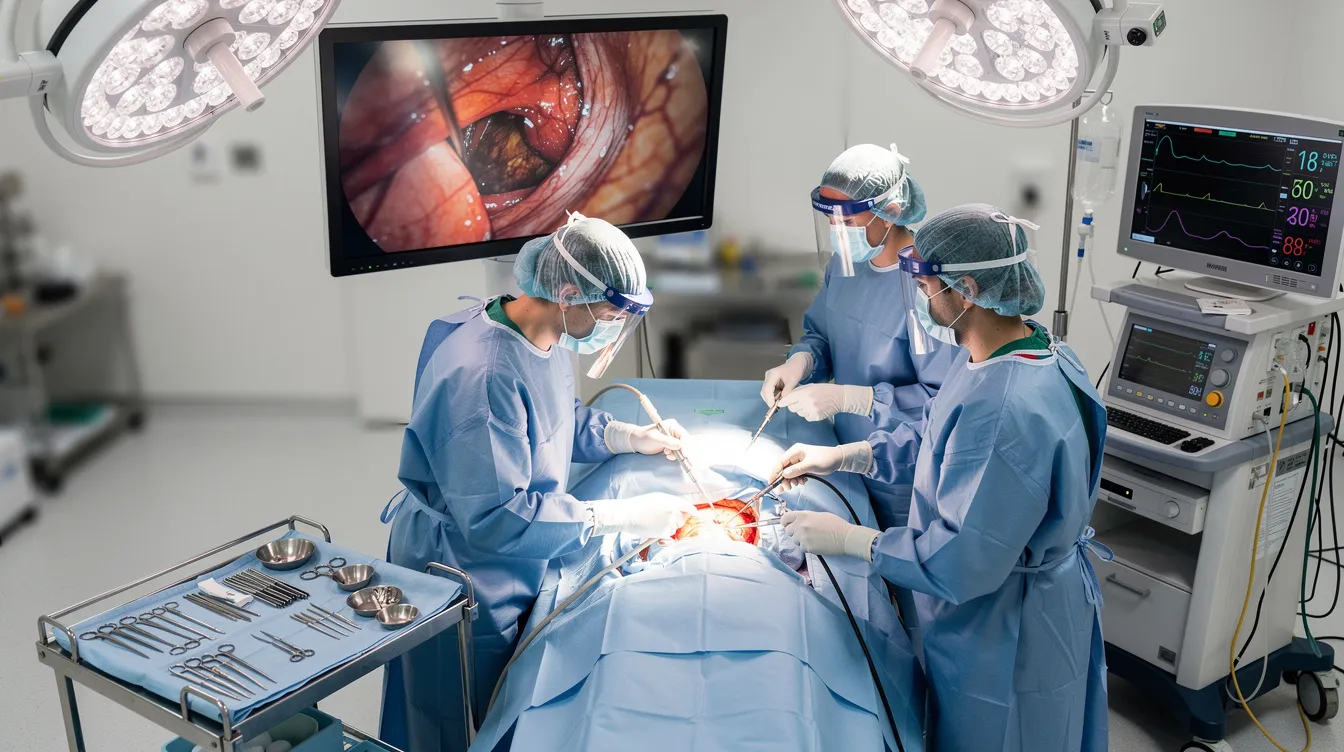
Diastasis recti surgery is typically performed under general anesthesia. The surgeon reaches the abdominal wall through an open incision or minimally invasive ports, then aligns the separated muscles along the midline and secures them with sutures, restoring tension across the linea alba. During abdominoplasty, the belly button may be repositioned to match the tightened contour.
Recovery After Diastasis Recti Repair
- First days: Early walking is encouraged. Swelling is common, and an abdominal binder is often prescribed.
- First weeks: Rest at home with limited movement and wear a compression garment. Follow your surgeon's restrictions closely, since certain movements can strain the repair.
- Following weeks: Light activity resumes gradually as healing allows.
- Following months: Core training returns step by step, ideally guided by a physical therapist.
Final contour, scar maturation, and functional improvement continue to develop over many months.

Risks and Possible Complications
Like any surgery, diastasis recti repair carries risks. These include infection, bleeding, hematoma, seroma (fluid buildup), abdominal numbness, recurrence of the separation, chronic pain, and scarring. Anesthesia complications are also a risk, particularly for longer operations or when mesh is placed. Your surgeon will review how each risk applies to you.
Cost and Payment
Cost depends on whether the plan is muscle repair alone or combined with skin and fat removal.
The exact price is set at the consultation.
Cosmetic procedures are self-pay. Payment options can be reviewed in office after the exact plan and total are known.
We offer financing through Cherry and Alphaeon, subject to credit approval.
Frequently Asked Questions
How long does diastasis recti surgery recovery take?
Initial healing takes several weeks, with light activity resuming gradually. Return to demanding exercise follows over the next months, and scars and final results keep maturing for many months.
Can men have diastasis recti repair?
Yes. Men can develop diastasis, especially with extra abdominal weight, prior abdominal surgery, or chronic strain. Planning follows the same principles: separation width, symptoms, and goals.
Will surgery restore core strength?
Surgery realigns the muscles and restores tension across the linea alba, which can improve core support. It does not replace training; progressive rehabilitation afterward is essential.
Is surgery always needed?
No. Physical therapy is typically the first-line treatment. Surgery is considered when months of conservative care fail or functional limitations affect daily life.
How much does diastasis recti surgery cost?
The cost and payment section above explains how the price is set.
About Leva Medical
Leva Medical has offices in Queens (94-06 59th Ave, Suite E9, Elmhurst, NY 11373) and in Northport, Long Island (320 Laurel Rd, Northport, NY 11768).
Call (718) 699-9737 to book a consultation with our board-certified doctors.
Learn more: Tummy Tuck at Leva Medical