Key Takeaways
Recovery from eyelid surgery typically begins immediately after the procedure and continues over several weeks, with most patients experiencing noticeable improvement within the first two weeks
Swelling and bruising reach their maximum typically between days 3-4 post-operation, then gradually resolve
Most bruising fades or can be concealed with light makeup by days 8-14 post-operation
Final results from eyelid surgery are usually visible between 3 to 6 months after the procedure
Taking daily photos during recovery allows patients to visually track their progress and healing, making it easier to notice subtle changes over time
Understanding what to expect after eyelid surgery can transform anxiety into confidence. Whether you’re recovering from upper eyelid surgery or lower eyelid surgery, having realistic expectations about your recovery timeline makes all the difference. This guide walks you through the blepharoplasty healing process day by day, helping you understand what’s normal and when to celebrate your progress.
Why Document Your Recovery Journey with Photos
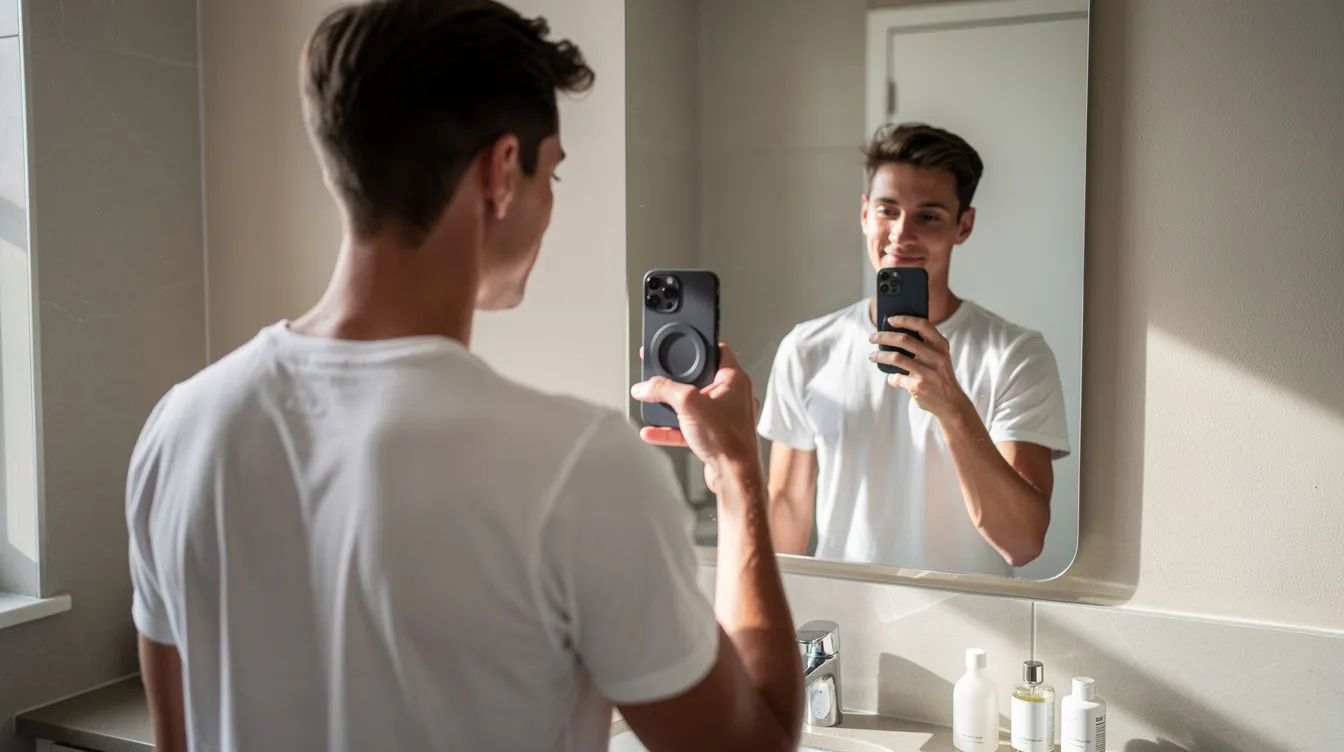
Taking surgery recovery time photos serves more than vanity—it’s a practical tool for tracking your healing process. Daily photographs can help patients understand their own swelling and bruising timeline, allowing them to differentiate between normal healing signs and potential issues that may require medical attention.
Upper blepharoplasty recovery photos taken at consistent angles and lighting conditions provide objective evidence of improvement. When you’re living with your reflection daily, subtle changes become invisible. Photos capture what your eyes miss.
Reviewing recovery photos can boost a patient’s confidence and patience during the healing process, reminding them of how far they have come despite any lingering imperfections. This visual documentation also proves invaluable during your follow-up consultation appointment, giving your plastic surgeon a clear timeline of your body’s healing process.
Days 1-3: The Peak Swelling Phase
During the first three days after eyelid surgery, patients commonly experience significant swelling and bruising, with discomfort peaking during this period. Your eyelids will likely be tight, puffy, and potentially bruised after surgery—this is completely normal.
What to Expect
Swelling and bruising are common symptoms immediately after eyelid surgery, with the first 48 hours typically being the most intense. Here’s what many patients experience:
Day | Swelling Level | Bruising Appearance | Common Symptoms |
|---|---|---|---|
Day 1 | Severe | Dark purple/blue | Blurred vision, watery eyes, tightness |
Day 2 | Peak intensity | Spreading toward cheeks | Mild discomfort, light sensitivity |
Day 3 | Beginning to stabilize | May darken before fading | Temporary dryness, gritty sensation |
Tightness, mild discomfort, bruising, and heavy swelling are normal after eyelid surgery. Bruising often appears dark purple or blue and may spread toward the cheeks due to gravity during the peak swelling phase.
Most patients experience noticeable swelling and bruising during the first three days after eyelid surgery, which may include puffiness and tightness around the eyes. Cold compresses can help reduce swelling if your surgeon approves their use.
Managing Discomfort
Your prescribed pain medication will help manage any severe pain during this phase. Most patients find the discomfort manageable, though you’ll need someone to drive you home and assist with daily activities. Keeping your head elevated while resting can help reduce swelling and promote a more comfortable recovery after eyelid surgery.
Days 4-7: Early Healing Begins
This first week marks a turning point in your eyelid surgery recovery timeline. The initial swelling begins to soften, and bruising shifts in color from purple to green or yellow around days 4-5 after surgery.
Visual Changes
By the end of the first week after eyelid surgery, bruising often begins to fade and swelling decreases, although some mild puffiness may still be present. Most patients see:
50-70% reduction in peak swelling
Bruising transitioning from purple to yellow tones
Eyes opening more normally
Significant improvement in comfort levels
Sutures are typically removed around days 5-7 after eyelid surgery. Your surgeon will assess your incision sites during this visit and provide guidance on the next phase of recovery.
Activity Guidelines
Avoid heavy lifting, bending over, or strenuous exercise for 2-4 weeks post-operation as these can worsen swelling. Even activities that increase blood pressure can impact your healing eyelids. Light walking is acceptable and can actually help increase blood flow to support optimal healing.

Week 2: Returning to Normal Life
By weeks 2 to 3, most visible swelling has resolved, and patients typically feel more comfortable resuming daily activities, although some residual swelling may persist.
What the Photos Show
Your day eyelid surgery recovery photos at this stage will reveal:
Incision lines becoming less noticeable
Natural eyelid creases beginning to emerge
Most visible bruising resolved
Eyelid contour appearing more natural
Patients usually return to light social activities and work by days 8-14, using sunglasses or light makeup to conceal any lingering discoloration. Most patients can typically resume non-strenuous work about a week after their surgical procedure.
The Two-Week Mark
By day 14, your recovery process enters a new phase. While active healing continues beneath the surface, the dramatic changes stabilize. Firmness along incision lines may persist, but this gradually softens. Light exercise becomes appropriate, though you should still avoid intensive exercise and strenuous activities.
Weeks 3-4: Semi-Final Results Emerge
This phase brings exciting changes. The majority of eyelid swelling should have subsided, and results become more visible. Your upper eyelid results start to reflect what your final outcome will look like.
What to Notice
Subtle swelling continues to diminish
Incision scars will continue to soften, flatten, and fade from pink to a thin, nearly invisible line
Most patients can return to normal exercise regimens
Upper lids appear refreshed and natural
Most patients look completely refreshed and “like themselves” by one month after surgery. This milestone often brings significant emotional relief as you see the transformation taking shape.
It typically takes about a week to look more like yourself and 6 weeks for semi-final results to be apparent after upper blepharoplasty recovery. Individual healing rates vary, so patience remains essential.
Months 2-3: Final Results Take Shape
Final results from eyelid surgery are usually visible between 3 to 6 months after the procedure, as any remaining swelling fades and incision lines heal. Full healing can take up to 6 months, with major results usually apparent within 2-3 months.
The Transformation Complete
At this stage, your blepharoplasty recovery photos will show:
Eyes looking significantly refreshed
Scars faded substantially into natural eyelid creases
Most visible swelling completely resolved
Long-lasting, rejuvenated appearance
Final results are typically stable within 6-12 months after eyelid surgery. The biological process of collagen remodeling and scar maturation continues well beyond the initial healing phase, refining your results over time.
Post-Operative Care for Optimal Recovery
Your surgeon’s advice directly impacts your recovery timeline. Following proper protocols ensures a smooth recovery and protects your investment in this surgical procedure.
Essential Care Guidelines
Head Position: Keep your head elevated while sleeping for at least 3-4 weeks to minimize swelling. A good night’s sleep in an elevated position supports the healing process.
Activity Restrictions: Avoiding strenuous activities, heavy lifting, and bending over is crucial during the recovery period to prevent complications and support healing. You should avoid intensive exercise for the first few weeks.
Eye Care: Use prescribed eye drops as directed to combat temporary dryness. Avoid rubbing your eyes, which can disrupt healing skin and incision sites.
Sun Protection: Wearing dark sunglasses and a hat when outdoors is recommended for up to a year to protect healing scars from hyperpigmentation. Wearing sunglasses and using sunscreen is recommended to protect your sensitive eyelids from harmful UV rays during the recovery process. Limit sun exposure throughout your recovery journey.
Lifestyle Factors: Maintain a balanced diet, abstain from alcohol and smoking, and follow your surgeon’s instructions regarding all post-operative care. Your pre surgical consultation should have covered your medical history and any factors affecting skin quality or skin elasticity.

What Supports Proper Healing
Do | Don’t |
|---|---|
Keep head elevated | Bend over or strain |
Use cold compresses (if approved) | Rub or touch eyes |
Take prescribed medications | Skip follow-up appointments |
Wear sun protection | Expose healing skin to UV |
Follow surgeon’s instructions | Resume strenuous exercise early |
It is important to follow your surgeon’s post-operative instructions closely, as these guidelines are tailored to your specific situation and can significantly impact your recovery and final results.
When to Contact Your Plastic Surgeon
While most recovery follows a predictable pattern, knowing the warning signs matters. Signs of complications include sudden or severe increase in pain not relieved by medication, worsening swelling after 72 hours, vision changes, or incision sites opening.
Contact your oculoplastic surgery team immediately if you experience:
Severe pain unresponsive to prescribed pain medication
Sudden vision changes
Unusual discharge from incision lines
Signs of infection (increasing redness, warmth, fever)
Bleeding that doesn’t stop with gentle pressure
Most patients experience a successful recovery without complications when following proper post-operative protocols.
Your Recovery Timeline at a Glance
Timeline | Key Milestones |
|---|---|
Days 1-3 | Peak swelling and bruising, most discomfort |
Days 4-7 | Early healing, bruising fades, sutures removed |
Days 8-14 | Return to work, light makeup OK, most bruising gone |
Weeks 3-4 | Semi-final results, normal activities resume |
Months 2-3 | Final results emerge, scars continue fading |
Months 6-12 | Complete healing, stable results |
Conclusion
Your eyelid surgery recovery time photos tell a story of transformation. From the peak swelling of day 3 to the refreshed appearance at month 3, documenting your healing progresses creates both a practical record and a source of encouragement.
The blepharoplasty procedures may remove excess skin from your upper eyelids, but the recovery process is what reveals your final results. By setting realistic expectations, following your surgeon’s guidance, and practicing patience, you’ll navigate this recovery journey successfully.
Every healing process is unique, but the trajectory is remarkably consistent. Trust the timeline, document your progress, and look forward to the refreshed, natural-looking results ahead.
Frequently Asked Questions
Can I wear contact lenses during eyelid surgery recovery?
Most surgeons recommend avoiding contact lenses for at least 2 weeks after blepharoplasty procedures. The actual surgery and subsequent healing can cause temporary dryness and sensitivity that makes contact lens wear uncomfortable and potentially harmful. Your surgeon will advise when it’s safe to resume wearing contacts based on how healing progresses at your incision sites.
Will my recovery photos help during future consultations?
Absolutely. Your day eyelid surgery recovery time photos provide valuable documentation for any future oculoplastic surgery consultations or medical appointments. They establish a baseline of your normal healing rate and can help surgeons understand how your body responds to similar procedures. Many patients find these photos useful even years later.
How can I minimize scarring during recovery?
Beyond following your surgeon’s instructions, several factors influence scar quality. Protect incision lines from sun exposure for at least one year. Avoid smoking, which restricts blood flow and impairs healing. Some surgeons recommend silicone-based scar treatments after initial healing completes. Your skin elasticity and genetics also play significant roles in how scars mature into natural eyelid creases.
Is asymmetrical swelling normal during recovery?
Yes, asymmetrical swelling is common and rarely indicates a problem. Each eye may heal at slightly different rates, and the side you sleep on (even when elevated) may show more residual swelling. Unless accompanied by severe pain, vision changes, or signs of infection, asymmetry typically resolves as healing continues through the first few weeks.
When can I resume swimming or using a sauna after eyelid surgery?
Most surgeons advise waiting 4-6 weeks before swimming in pools, hot tubs, or natural bodies of water. These environments pose infection risks to healing incision sites. Saunas and steam rooms should also be avoided during this period, as heat can increase swelling and affect optimal recovery. Always confirm timing with your specific surgeon based on your healing progress.
Learn more: Eyelid Surgery at Leva Medical

-2.jpg?width=2000&height=2000&name=Copy%20of%20YouTube%20Thumbnail%20-%20Life-Changing%20Cosmetic%20Surgery!%20(Document)-2.jpg)


