Cupid’s bow lip filler is a precise cosmetic treatment for people who want more upper lip definition without making the lips look artificial. This guide explains cupid’s bow anatomy, filler options, safety, aftercare, alternatives, and how to choose a provider so your desired results still suit your natural shape.
You will learn how cupid’s bow enhancement works, what to expect from lip injections, what risks to watch for, and how providers create a beautifully balanced result with detail, depth, and precision.
Quick Overview of Lip Filler for Cupid’s Bow
Cupid’s bow lips are characterized by a double-curve on the upper lip, resembling the bow of Cupid, and are often associated with beauty and youthfulness. Many people seek cosmetic treatments to enhance or create a cupid’s bow, as fuller and more defined lips are often perceived as more attractive.
Topic | What to expect |
|---|---|
Main focus | Shape, contour, symmetry, and upper lip border definition |
Typical appointment | About 30–60 minutes including consultation, numbing, and injections |
Downtime | Mild swelling, redness, tenderness, or bruising, usually worst at 24–48 hours |
Final look | Results from Cupid’s bow lip filler treatment are typically visible immediately and may settle over 2 weeks |
This procedure prioritizes structural shape, contour, and facial symmetry rather than overall lip volume, so it is a good choice if you are hoping for definition rather than a very plush style.
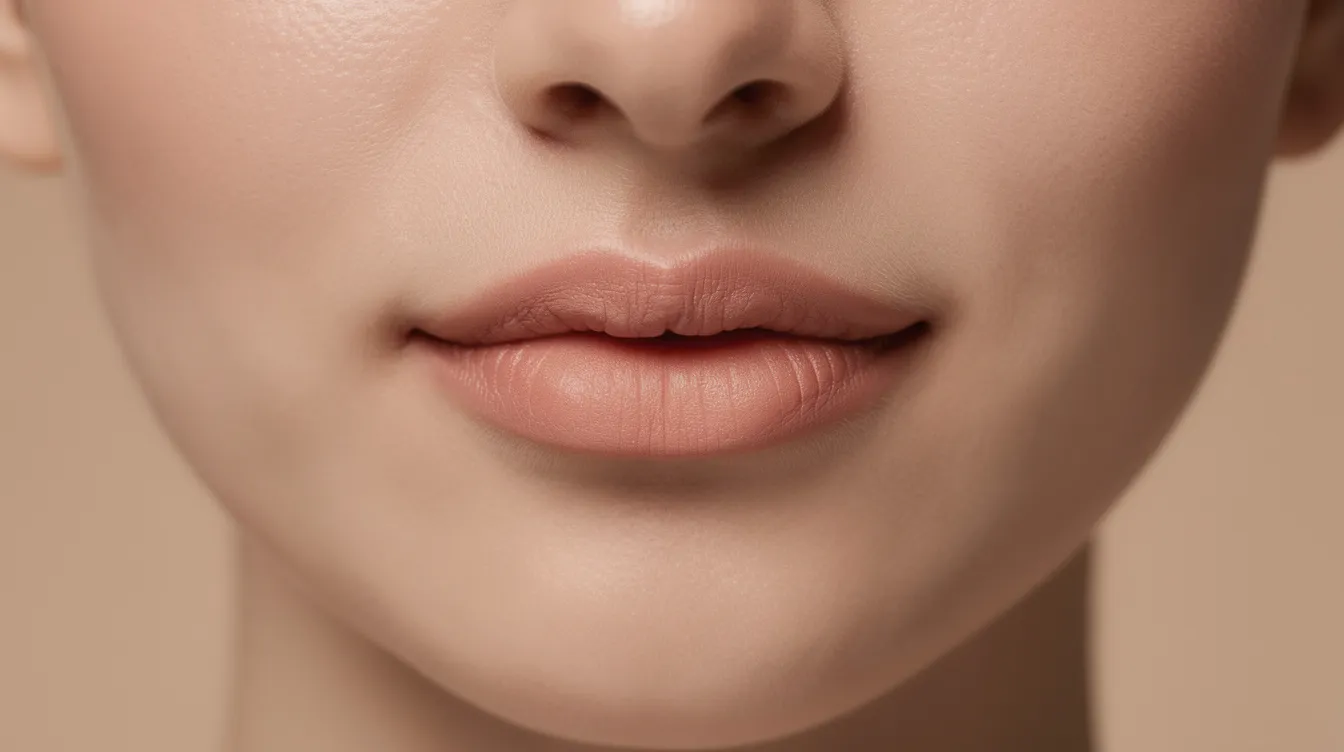
What Is a Cupid’s Bow Lip?
A cupid’s bow lip is the “M” shape at the center of the upper lip. The two high points are the peaks, the middle dip forms the V, and the vermilion border is the line where lip color meets surrounding skin. According to anatomical references on lip structure and vascular layers, the upper lip includes skin, vermilion, muscle, mucosa, and important blood vessels.
The definition of a cupid’s bow can vary significantly among individuals, with some having a deep, well-defined V shape while others may have a more rounded or less pronounced shape. Some people are naturally blessed with visible peaks, while others have a softer bow lip or cupids bow shape that blends into the rest of the lip.
Natural aging causes lips to deflate and lose structure; re-contouring can restore a youthful appearance. Scarring, genetics, facial plastic surgery history, and personal preference also influence the final appearance.
Who Is a Good Candidate for Cupid’s Bow Lip Filler
Good candidates are patients who want to accentuate the upper lip, improve symmetry, smooth fine lines, or create more visible peaks while keeping a natural finish. Lip fillers can be strategically placed at the peaks of the upper lip to create a defined Cupid’s bow for those who lack this feature naturally.
You may not be a candidate if you have an active cold sore, infection, severe allergy to filler ingredients, certain bleeding disorders, pregnancy, breastfeeding, or complex scar tissue. A consultation should explain whether filler, botox, or another treatment will best achieve your goals.
The best results usually come from a provider who can balance the top and bottom lips, explain the process honestly, and tailor the technique to your features rather than copying celebrities.
Types of Lip Fillers and Materials for Defined Cupid’s Bow
Hyaluronic acid-based dermal fillers are used to enhance the “M” shape of the upper lip while restoring lost volume and facial symmetry. Hyaluronic acid fillers draw in moisture and smooth out fine vertical lip lines, and the hydrating properties of hyaluronic acid filler help to eliminate vertical lines around the mouth.
For a defined cupid’s bow, many injectors choose a soft or medium-consistency HA filler because it can create crisp definition without stiffness. Injecting hyaluronic acid filler along the vermilion border creates a crisp, tailored lip border resembling lip liner.
Longevity varies by product, metabolism, and technique. The longevity of lip fillers can vary, with some products lasting as little as 6 months, while others may last up to 12 months, depending on the formulation and technique used. Results from lip fillers typically last anywhere from 12 to 18 months, depending on the individual’s metabolism and the specific product used. In practice, the results of Cupid’s bow filler treatments typically last between 6 to 12 months, depending on the type of filler used and individual metabolism.
A review of HA lip filler studies found high satisfaction and measurable improvement in fullness and aesthetic appearance, though side effects are common and usually temporary in clinical trials. Always ask about brand, lidocaine content, allergy risk, reversibility, and whether hyaluronidase is available.
Procedure: How Cupid’s Bow Lip Filler Works
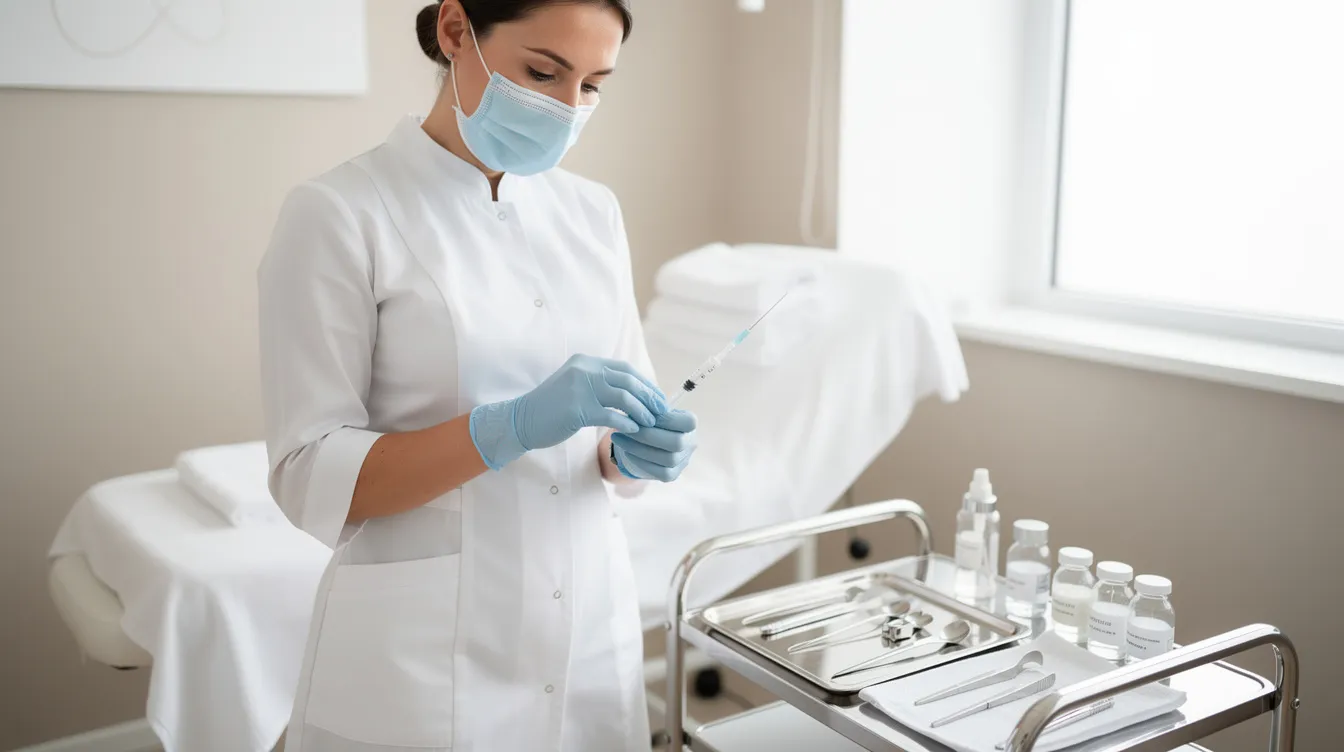
The treatment starts with mapping. Your injector studies the upper lip border, philtrum, smile movement, skin quality, existing asymmetry, and how much filler your tissue can safely accept. Injectors target the highest points of the upper lip to create a distinct contour and improve lip symmetry.
The Cupid’s bow filler technique involves using dermal fillers to enhance the shape of the lip and add subtle volume, focusing on the ‘V’ of the Cupid’s bow. Specific micro-injections can help balance uneven lip peaks to optimize facial harmony, while strategic placement of filler can increase the visible height of the upper lip without an overfilled appearance.
Microdroplets of filler can be used to accentuate the peaks of the Cupid’s bow, balancing the top and bottom lips according to aesthetic principles like ‘The Golden Phi Ratio’. A 2026 review of injection methods found that linear, fan, serial puncture, and microdeposit techniques can all work when matched to patient anatomy and injector skill across published studies.
Typical volume is conservative: often 0.3–0.6 mL for a cupid’s bow focus, or around 1 mL when treating the whole mouth. More is not always better; too much can flatten the bow, reduce precision, and make lips look swollen or artificial.
After Treatment, Comfort, and Results
Common side effects of lip fillers include mild swelling, redness, tenderness, and bruising at the injection site, typically peaking 24 to 48 hours after treatment. Mild swelling or redness may occur after lip filler treatment, but these effects usually resolve within a few days, revealing the final results.
Use cold compresses, keep the area clean, avoid pressing or massaging unless instructed, and choose acetaminophen for discomfort if approved by your provider. Wait for swelling to settle before judging symmetry; the lip may look too defined or too full at first.
Most patients see immediate improvement, but the final definition and smooth contour usually appear after 10–14 days. Schedule a follow-up so your injector can check balance and decide whether a tiny touch-up is needed.
Risks, Side Effects, and How to Manage Them
Normal effects include bruising, tenderness, firmness, small lumps, redness, and temporary asymmetry. In HA lip filler trials, swelling, firmness, bruising, and tenderness were among the most reported reactions, with swelling especially common in pooled study data.
A rare complication of vascular occlusion requires immediate medical attention to dissolve the filler. Vascular occlusion is a rare but severe complication where filler accidentally enters a blood vessel, blocking blood flow.
Call your provider urgently if you notice severe pain, white or grey skin, mottled discoloration, cool skin, blistering, or rapidly worsening swelling. For HA products, trained clinicians may use hyaluronidase to dissolve filler and restore blood flow.
Preparing for Treatment and Aftercare Instructions
Patients should stop taking blood-thinning medications at least one week prior to lip filler appointments to minimize bruising, unless the medication was prescribed and your doctor tells you not to stop. Also avoid alcohol, intense exercise, and unnecessary supplements that increase bleeding risk before treatment.
After injections:
Ice gently for short intervals during the first day.
Sleep with your head elevated the first night.
Avoid makeup over injection points for 24 hours.
Avoid strenuous exercise for 24–48 hours.
Avoid dental work, saunas, steam rooms, and heavy lip movement until your provider says it is safe.
If you have heard that recovery is instant, that is only partly true. You can usually return to normal life quickly, but you should still wait for the lips to settle before taking final photos.
Before-and-After Examples and Visuals of Cupid’s Bow Lips
A useful photo grid should show the cupid’s bow lip from straight-on, side, relaxed, and smiling angles. It should include women and men with different ways of expressing a natural bow: deep V, rounded bow, subtle peaks, and aging-related flattening.
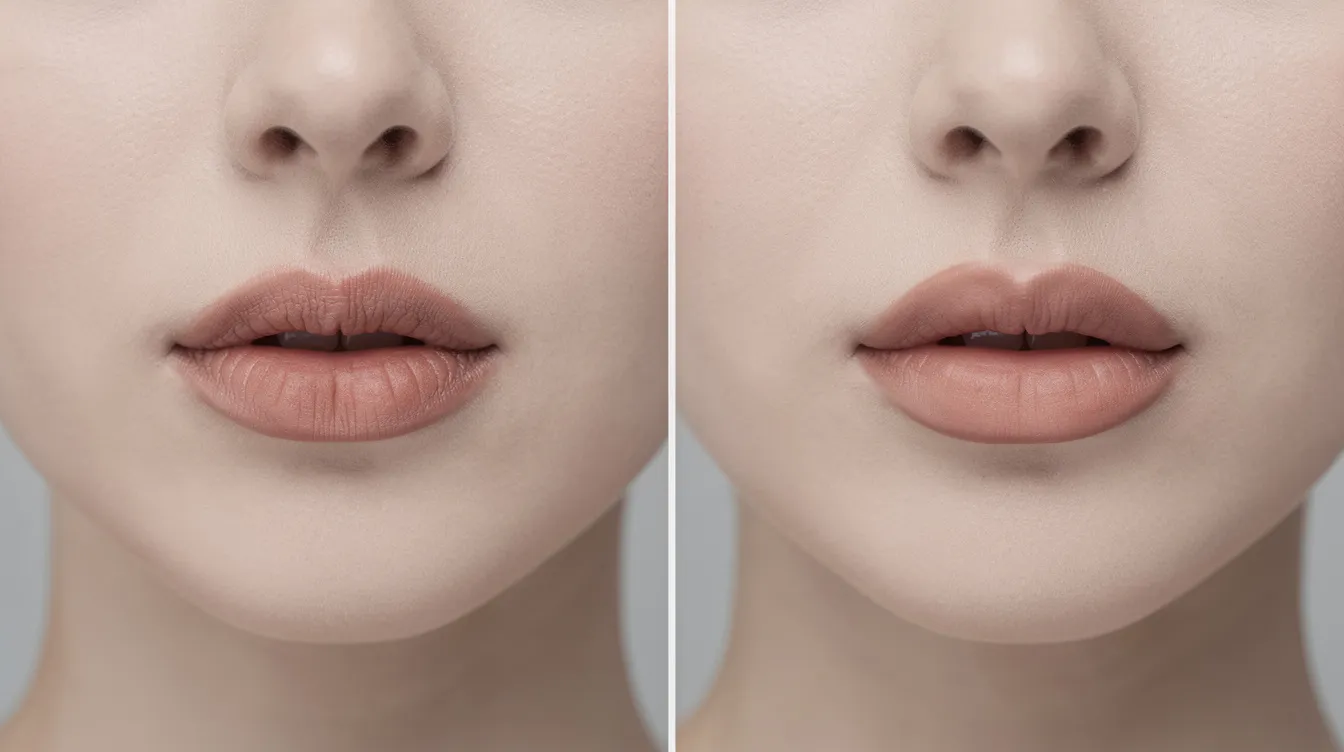
Captions should list treatment details such as filler type, total amount, injection technique, and whether the focus was upper lip definition, vertical line smoothing, or balance between top and bottom lips. Watch for results that look smooth, proportional, and natural rather than overly stretched.
Alternatives to Lip Fillers for Cupid’s Bow Enhancement
Botox is a neuromodulator that relaxes specific muscles around the lips, helping to define the shape of the lips without adding volume, while fillers are designed to enhance lip shape, volume, and definition.
Botox is ideal for subtle enhancements and refining the natural lines of the lips, whereas lip fillers are better suited for creating or adding more structure to the cupid’s bow. The results of Botox typically last about 3-4 months, while lip fillers can last anywhere from 6 to 18 months depending on the type used and individual metabolism.
Other options include makeup, lip liner, highlighter above the bow, hydrating lip care, and temporary plumping gloss. These can create the sign of a sharper bow for a night out, but they cannot replace filler depth or structural support.
Choosing a Provider for Cupid’s Bow Lip Filler
Choose a board-certified dermatologist, plastic surgeon, facial plastic surgery specialist, or experienced medical injector who understands lip anatomy and complication management. Good surgeons and injectors should be able to explain safety steps, product choice, and corrective plans.
Before booking, ask:
Do you have hyaluronidase on site?
How do you avoid vascular complications?
Can I see before-and-after photos of cupid’s bow enhancement?
What filler brand and amount do you recommend?
What should I expect if I need a revision?
A master injector will not use the same style on every face. The goal is to enhance your features, not force a trend.
Frequently Asked Questions About Cupid’s Bow Lip Filler
How long does cupid’s bow lip filler last?
Most people can expect 6–12 months for a precise cupid’s bow result, though some fillers may last 12–18 months depending on product, metabolism, and technique.
How much does it cost?
A small cupid’s bow treatment may cost about $400–$800 in many U.S. markets, while full lip filler can cost more. Pricing depends on provider, location, filler brand, and whether a follow-up is included.
Is recovery painful?
Most patients describe pressure, pinching, or brief discomfort rather than major pain. Numbing cream and lidocaine-containing filler help you relax during the procedure.
Will it look fake?
It should not if the injector uses precise microdroplets, respects your natural shape, and avoids overfilling the body of the lip. The best cupid’s bow lip filler result is defined, balanced, and still unmistakably yours.
Frequently Asked Questions
What is a cupid's bow lip and what does the treatment target?
A cupid's bow is the M-shaped curve on the upper lip, with two peaks and a center dip forming a V. The treatment uses dermal fillers to enhance definition of these peaks and improve the shape's symmetry and contour.
How long does a cupid's bow lip filler appointment take?
A typical appointment lasts about 30 to 60 minutes, including consultation, numbing, and injection time. Results are usually visible immediately, though they may continue settling over approximately two weeks.
What are the common side effects and downtime?
Common temporary side effects include mild swelling, redness, tenderness, and bruising, typically most noticeable within 24 to 48 hours after treatment. These effects generally resolve without intervention.
How long do cupid's bow lip filler results last?
Results typically last between 6 to 12 months, depending on the specific filler product used and individual metabolism. Some products may last up to 18 months, while others last around 6 months.
What type of filler is used for cupid's bow enhancement?
Hyaluronic acid-based dermal fillers are commonly used because they create crisp definition without stiffness. Soft or medium-consistency formulations work well for this treatment, and hyaluronidase reversal is typically available.
Learn more: Body Contouring at Leva Medical


-2.jpg?width=2000&height=2000&name=Copy%20of%20YouTube%20Thumbnail%20-%20Life-Changing%20Cosmetic%20Surgery!%20(Document)-2.jpg)


