Few features define your face quite like your eyes. When the skin around them starts to droop, sag, or puff, the change can make you look years older than you feel. Cosmetic eye surgery offers a way to turn that around. This guide walks you through the procedure, preparation, recovery, risks, and the treatments that can complement it.
What Is Cosmetic Eye Surgery?
Eyelid surgery, known as blepharoplasty, is a surgical procedure that removes excess skin, repositions fat, and refines the contour of the upper and lower eyelids. In plain language, a surgeon reshapes the tissue around your eyes so they look more open, rested, and youthful.
Procedures in this category focus on periorbital rejuvenation, refreshing the eye area by targeting sagging skin, puffiness, and wrinkles. Blepharoplasty improves the appearance of the upper and lower eyelids, and the results can be subtle enough that friends notice you look better without being able to pinpoint exactly why.
It also helps to understand the difference between cosmetic and functional eyelid surgery. Cosmetic surgery addresses appearance alone. Functional surgery corrects drooping eyelid skin that actually blocks your vision. Some patients need both, and a careful exam helps clarify which applies to you.

Why Consider an Eye Lift?
Cosmetic eye surgery can address a variety of aesthetic concerns, and the motivations behind an eye lift vary widely from person to person.
Upper eyelid concerns include droopy eyelids and excess skin and fat that create a hooded look. A brow that has descended over time can also push eyelid skin downward. These age-related changes can make you look tired even after a full night's sleep.
Lower eyelid concerns center on under-eye bags, puffiness from bulging fat pads, dark circles, and hollowing along the tear trough. The delicate skin beneath the eyes thins with age, making fat bulges and lax skin more visible.
Hereditary factors play a role as well. Some people notice early lower eyelid fat bulging because of genetics. If your parents developed prominent eye bags at a younger age, you may follow a similar pattern regardless of lifestyle.
Excess upper eyelid skin can also drape far enough to reduce peripheral vision, which can affect reading, driving, and everyday safety. Removing that skin can improve both appearance and the field of view in a single procedure.
Choosing Plastic Surgery for Eyelid Surgery
Eyelid surgery involves delicate anatomy: eyelid skin, fat compartments, orbital structures, tear function, and the surface of the eye. A thorough consultation is the place to discuss your goals, review your eye health, and understand what surgery can and cannot do for you.
When reviewing before-and-after photographs, look for images taken under consistent lighting and angles, and ask about results in patients with a similar skin type, age, and ethnicity.
Candidates for cosmetic eye surgery should have realistic expectations. Surgery can lift sagging eyelid skin, reduce bags, and create a refreshed appearance, but it won't erase every wrinkle, dramatically change eyebrow position, or stop aging.
Good candidates are in good overall health. Serious eye conditions such as thyroid eye disease, uncontrolled glaucoma, or significant dry eye can make surgery unsuitable, and conditions such as diabetes or cardiovascular disease need careful evaluation. Most candidates are middle-aged or older, though hereditary eyelid changes may prompt earlier consultations.
Upper Eyelid Surgery Options
Upper eyelid surgery uses an incision in the natural crease of the upper eyelid. When your eyes are open, the scar sits within that fold, where it is hard to see during normal conversation.
The surgeon removes carefully measured excess skin, preserving enough tissue so the eyelid can still close fully after healing. Excess fat may also be addressed, and repositioning fat rather than removing it entirely can help avoid a hollow, over-operated look.
Upper eyelid results are long-lasting, though gradual age-related changes continue over time.
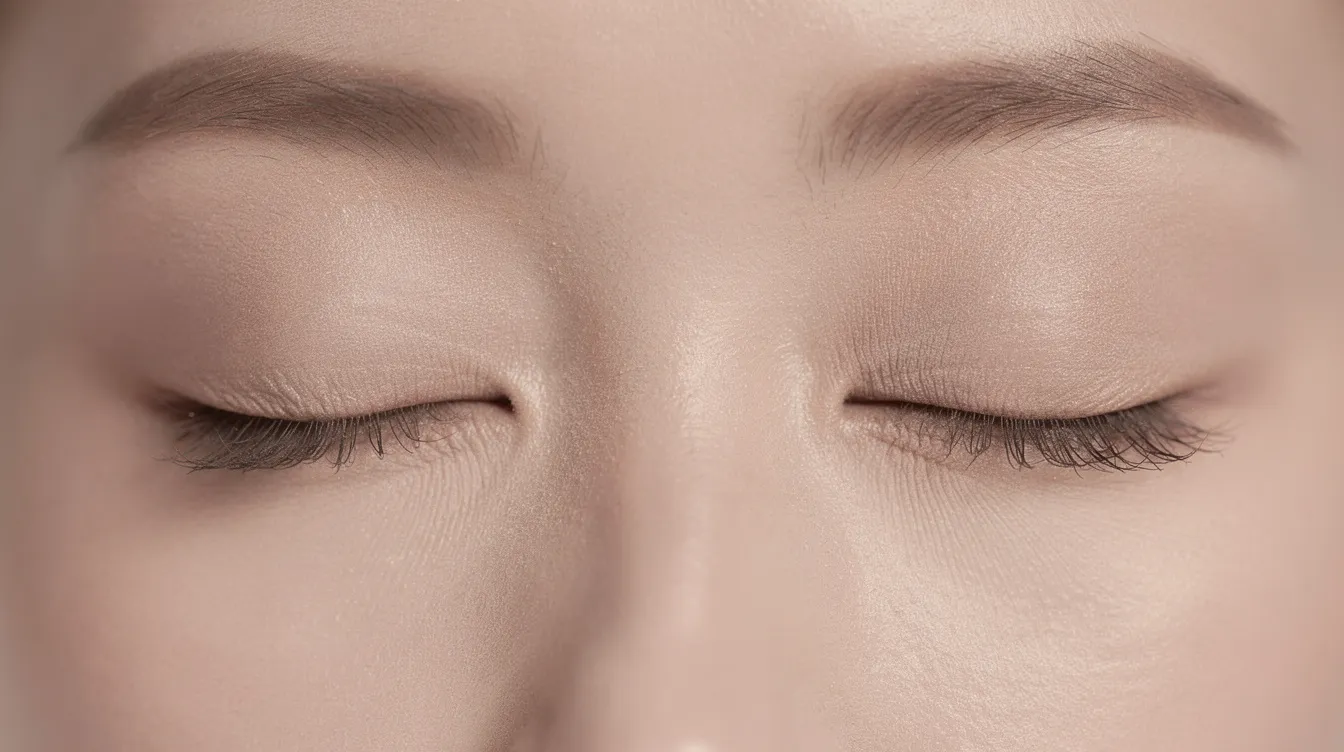
Lower Eyelid Surgery Techniques
Lower eyelid surgery uses different techniques depending on the problem being corrected. One approach places an incision just beneath the lash line, allowing the surgeon to remove excess fat, tighten skin, and address muscle laxity.
An alternative is the transconjunctival approach, where the incision is made inside the lower lid. This method leaves no external scar and works well when fat bulges are the main concern and skin laxity is minimal.
Fat in the lower lids may be removed, sculpted, or repositioned into hollows like the tear trough to smooth the lid-cheek transition. In selected cases, the outer corner of the lid is tightened to reinforce lower lid support and reduce the chance of complications such as ectropion or scleral show.
Lower eyelid results are also long-lasting.
Preparing for Cosmetic Blepharoplasty
The consultation is thorough. Expect a detailed medical history, including any dry eyes, prior eyelid surgery, thyroid eye disease, bleeding disorders, and current medications. The exam looks at eyelid position, skin quality, fat bulges, lid laxity, and brow position.
Key preparation steps include:
- Stop smoking well before your surgery date, as smoking impairs healing
- Avoid blood-thinning medications such as aspirin, NSAIDs, and certain supplements, as directed
- Arrange transportation home, since you cannot drive yourself after surgery
- Plan for help during the first few days of recovery
- Remove contact lenses before surgery and have glasses ready for early healing
What Happens During Eyelid Surgery
Blepharoplasty is typically an outpatient procedure, meaning you go home the same day. The length of surgery depends on whether you are having upper eyelid surgery, lower eyelid surgery, or both. Your anesthesia plan is reviewed at your consultation.
During the operation, the surgeon makes precise incisions, removes or repositions tissue, controls bleeding, and closes with fine sutures. Each step is aimed at a natural, refreshed overall appearance.
Recovery After Blepharoplasty Eyelid Surgery
Recovery depends on the procedure and on how quickly you heal. In the first days, cold compresses and resting with your head elevated help with swelling. Swelling and bruising are expected and temporary, and vision may be blurry for a short time from ointment.
Stitches are removed at a follow-up visit, and swelling and bruising fade gradually over the following weeks. Avoid strenuous activity, heavy lifting, swimming, and significant sun exposure for as long as your surgeon advises. If your job involves client interactions, plan extra time before you feel camera-ready.
Dark sunglasses protect healing eyes from wind and light sensitivity outdoors. Artificial tears or prescribed ointment keep the eye surface comfortable, especially if temporary dryness occurs.

Risks, Results, and Long-Term Care
Every surgical procedure carries some risk, and blepharoplasty is no exception.
Common temporary effects:
- Swelling and bruising
- Mild tightness, numbness, and eye irritation
- Temporary dry eyes from changes in tear distribution
- Double or blurred vision, which usually resolves
Rare but serious complications:
- Infection and bleeding
- Orbital hemorrhage (bleeding behind the eye)
- Vision loss, which is very rare
- Dry eyes and asymmetry
- Uneven healing and lasting scarring
- Lower lid retraction or ectropion, which may require revision surgery
Scars mature over several months, gradually fading. Incisions in the natural crease or beneath the lash line are placed to keep scars discreet.
Results are long-lasting with proper care, but aging continues, skin elasticity decreases, and brow position may shift over time. Sun protection, good skincare, and a healthy lifestyle help preserve your results.
Cosmetic Procedures Beyond Blepharoplasty
Blepharoplasty is often part of a broader approach to facial rejuvenation.
Brow position: If hooding is partly caused by a low brow, eyelid surgery alone may not deliver the result you want. Leva Medical does not offer surgical brow lift.
Laser treatments: Facial lasers can treat fine lines, texture, and pigmentation around the eyes. They complement blepharoplasty but do not correct overhanging skin or excess fat.
Neuromodulators: Botox targets dynamic wrinkles like crow's feet by temporarily relaxing the underlying muscle. It does not address sagging skin or fat bulges.
Fillers and fat grafting: Hyaluronic acid fillers or under-eye fat grafting address volume loss in the tear trough and under-eye hollows. Fillers carry their own risks, including lumps, the Tyndall effect, and rare vascular occlusion.
The right combination depends on your facial anatomy, eye health, and goals. Many patients benefit from a tailored plan rather than a single procedure.
Cost of Cosmetic Eye Surgery
Cost depends on whether you need upper eyelid surgery, lower eyelid surgery, or both, and on any combined treatments.
The exact price is set at the consultation.
Cosmetic procedures are self-pay. Payment options can be reviewed in office after the exact plan and total are known.
We offer financing through Cherry and Alphaeon, subject to credit approval.
Frequently Asked Questions
What is blepharoplasty?
Blepharoplasty is a surgical procedure that removes excess skin, repositions fat, and refines the contour of the upper and/or lower eyelids so the eyes look more open and rested. Results vary by individual.
What is the difference between cosmetic and functional eyelid surgery?
Cosmetic eyelid surgery addresses appearance alone. Functional eyelid surgery corrects drooping eyelid skin that blocks vision. Some patients need both, and an exam helps clarify which applies to you.
Who is a suitable candidate for cosmetic eye surgery?
Suitable candidates are generally in good overall health with realistic expectations. Serious eye conditions such as thyroid eye disease, uncontrolled glaucoma, or significant dry eye can make surgery unsuitable, and other health conditions need careful evaluation at a consultation.
What should I ask at my consultation?
Ask which technique fits your eyelids, what recovery will look like for you, what risks apply, and to see before-and-after photos taken under consistent lighting, ideally from patients with a similar skin type, age, and ethnicity.
How long do the results of eyelid surgery last?
Results are long-lasting, but gradual age-related changes continue over time, so surgery does not stop aging. Individual outcomes vary.
How much does cosmetic eye surgery cost?
The cost section above explains how the price is set for your plan.
About Leva Medical
Leva Medical has offices in Queens (94-06 59th Ave, Suite E9, Elmhurst, NY 11373) and in Northport, Long Island (320 Laurel Rd, Northport, NY 11768).
Call (718) 699-9737 to book a consultation with our board-certified doctors.
Learn more: Upper Eyelid Surgery at Leva Medical