If you're considering co2 laser resurfacing-or you've already had the procedure done-understanding the recovery process is the single most important thing you can do for your results. The recovery process post co2 laser resurfacing involves temporary redness, swelling, and peeling, with most patients needing 7 to 14 days of downtime. CO2 laser resurfacing recovery takes 1 to 2 weeks for surface healing, but the deeper story of collagen production and skin renewal unfolds over months.
This guide walks you through every phase, day by day, so you know exactly what to expect and how to give your skin the proper care it needs.
What Is CO2 Laser Resurfacing and Laser Treatment Overview
CO2 laser resurfacing is an ablative laser treatment that uses carbon dioxide light at a wavelength of approximately 10,600 nm to vaporize and ablate tissue in the outermost layers of skin. Unlike non-ablative lasers, which heat the skin underneath without removing the surface, ablative laser skin resurfacing creates a controlled wound by removing the epidermis and portions of the dermis.
The primary goals of this treatment include:
Reducing sun damage, brown spots, and uneven skin tone
Smoothing fine lines, wrinkles, and acne scarring
Tightening skin through collagen contraction
Improving overall texture and creating rejuvenated skin
The co2 laser offers precise control over depth and intensity, which is why cosmetic surgeons and dermatologists favor it for dramatic improvement in photodamaged or scarred skin.
How CO2 Laser Creates New Skin and Starts Healing Skin
How the CO2 Laser Stimulates New Skin Formation
When the co2 laser fires, it creates zones of thermal injury that trigger a powerful biological response. In fractionated treatments, thousands of microscopic columns are ablated while leaving surrounding tissue intact, which speeds recovery. In full-field treatments, the entire treatment area is ablated for more dramatic results-but with significantly longer downtime.
Re-epithelialization-the migration of new skin cells to cover the wound bed-typically begins around days 5 to 7. Meanwhile, collagen remodeling kicks in beneath the surface. Studies show that TGF-β1 levels peak around day 2, while procollagen types I and III reach 5 to 8 times baseline levels by days 14 to 21. This new collagen protein continues forming for months, which is why final results develop over 3 to 6 months as collagen builds.

Immediate Post-Procedure: First 24 Hours of Laser Recovery
Treatment day sets the tone for your entire recovery period. Redness and swelling are common after co2 laser treatment, and patients may experience a burning or stinging sensation initially. The treated skin often feels hot and tight during the initial 1 to 3 days post co2 laser treatment.
Here's what to expect and do immediately:
Oozing and serous exudate from the treated area are normal
Apply prescribed ointment (typically petroleum based ointments or antibiotic cream) to keep the wound moist
Sleep with head elevated using an extra pillow for the first 3 to 5 nights to minimize swelling after treatment and reduce swelling overall
Use an ice pack wrapped in a cloth for 10 to 15 minutes at a time to manage discomfort
Avoid touching or rubbing the treated area
Bio occlusive films or dressings may be placed over the treatment area for the first 24 to 48 hours. Follow your aftercare instructions precisely.
Day-by-Day Laser Resurfacing Recovery Timeline
Days 1–3: Acute Healing and Care
During the first week's opening days, swelling peaks around days 2 to 3. Skin may feel tight and sensitive for several days post-treatment, and discomfort is most pronounced here.
Cool compresses can help reduce swelling in the initial days after co2 laser resurfacing-apply them intermittently, not continuously
Practice gentle cleansing as directed by your healthcare provider, using distilled water or sterile saline; gentle cleansing is critical during the recovery phase
Avoid heat exposure: no hot showers, no standing over stoves, no direct sun exposure
Drink plenty of water to support healing from the inside out
Continue applying healing ointment frequently to maintain moisture
Days 4–7: Peeling, Crusting, and New Skin Emergence
This is where the healing process becomes visually dramatic. Oozing and crusting typically occur around day 5 to 7, and skin typically begins peeling around day 5 to 7 as well. Peeling begins around day 5 after treatment as the body sheds its outermost damaged layer to reveal new skin forming beneath.
Critical rules for this phase:
Do not pick at or remove crusts during healing. Pulling them off risks significant scarring and pigment changes.
Apply healing ointment multiple times daily for hydration; moisturizing with ointments like petroleum jelly or Aquaphor is crucial after co2 laser resurfacing
Stick to light activities only-avoid anything that causes sweating or increased blood flow to the face
Use a gentle cleanser and moisturizer after day 6 as the treated skin begins tolerating light washing
Avoid direct sunlight during the healing process; wear a wide brimmed hat if you must step outside
Tap water is generally fine for cleansing at this point, but follow your provider's specific guidance
Days 8–14: Re-epithelialization and Visible Improvement
Initial healing from co2 laser resurfacing occurs within a week, and by days 8 to 14, re-epithelialization is typically complete. Initial results can be seen within 1 to 2 weeks post-treatment as the new epidermal layer settles in. Skin remains very sensitive during the 1 to 2 week healing window.
Once the skin is closed, apply a broad spectrum sunscreen with at least SPF 30-mineral-based formulas with zinc oxide or titanium dioxide are ideal
Most patients can wear makeup again after about 2 weeks; you may gradually apply makeup with non-comedogenic, sterile products once your provider gives the green light
Monitor for increased redness, persistent irritation, or notice signs of infection (warmth, tenderness, unusual discharge)
Continue gentle care with a gentle cleanser and fragrance-free moisturizer
Weeks 3–12+: Ongoing Remodeling Toward Final Results
The surface may look healed, but beneath it, collagen remodeling continues for months. The skin remains pink or rosy during weeks 2 to 4 after co2 laser resurfacing, and residual pinkness after co2 laser resurfacing may last for several weeks. Full recovery and fading of pinkness may take 3 to 4 weeks. For deeper or full-field treatments, pinkness can last for 2 to 3 months after co2 laser treatment, and redness may persist for 2 to 3 months after treatment.
During this phase:
Maintain diligent sun protection-avoiding direct sun for 4 to 6 weeks after co2 laser resurfacing is essential
A broad spectrum sunscreen with at least SPF 50 is recommended after co2 laser resurfacing; reapply sunscreen regularly to protect healing skin
Schedule follow-up visits with your healthcare team to assess progress and address any residual pinkness or prolonged redness
Trust the process: final results develop over 3 to 6 months as collagen builds and the skin continues to remodel
Post-Treatment Skincare to Promote Healing Skin
Must-Have Products for Laser Recovery
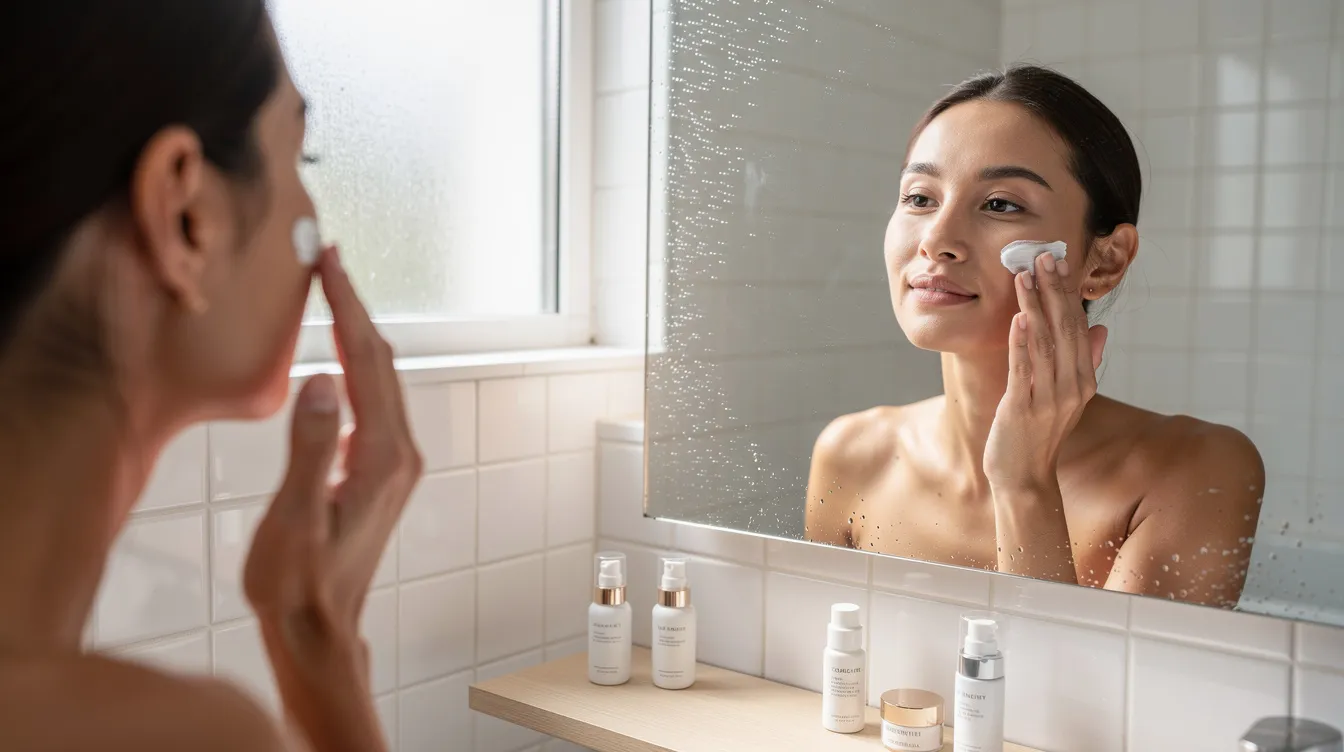
Your skincare routine during laser recovery should be minimal and intentional. Think of it as medical grade skincare rather than your usual regimen.
Product | Purpose | When to Start |
|---|---|---|
Prescribed healing ointment | Moisture barrier, infection prevention | Immediately post-procedure |
Gentle, soap-free cleanser | Cleanse without irritation | Days 3–5 as directed |
Broad spectrum mineral sunscreen (SPF 30–50+) | UV protection for photosensitive new skin | Once re-epithelialization is complete |
Hydroquinone (if prescribed) | Pre/post pigment management | Per provider guidance |
Patients should use a mild, non-irritating cleanser during recovery. Newly resurfaced skin is particularly vulnerable to UV damage, and freshly resurfaced skin is highly photosensitive after treatment-so sun avoidance and broad spectrum spf protection are non-negotiable.
Skincare Practices to Avoid During Laser Recovery
Skin should not be exposed to irritants such as retinoids and acids for 2 to 4 weeks post-treatment. Your provider will give you the exact timing for reintroducing active ingredients.
Avoid the following until cleared:
Retinoids (tretinoin, retinol, adapalene)
Exfoliating acids (glycolic, salicylic, lactic)
Scrubs, rough washcloths, or physical exfoliants
Topical makeup over open wounds-only wear makeup after the skin has completely healed
Alcohol-based toners or fragranced products
Activity, Work, and Exercise Return Timelines
Recovery after co2 laser resurfacing typically involves 7 to 14 days of downtime. Plan accordingly:
Work: Most patients should plan 5 to 14 days off depending on treatment intensity. About a week is typical for fractional treatments; full-field may require closer to two weeks.
Exercise: Avoid strenuous exercise and saunas for 1 to 2 weeks after co2 laser resurfacing. Sweating can introduce bacteria and irritate the treated area.
Hot tubs and saunas: Delay for at least two weeks to reduce complication risk.
Many patients find that working from home (if possible) during the first week is the most comfortable option, even if they feel physically fine.
Pain, Swelling, and Emotional Support During Laser Recovery
Pain during laser resurfacing recovery is generally manageable. Over-the-counter analgesics like acetaminophen or ibuprofen usually suffice, though deeper treatments may warrant prescription options. Cool compresses remain your best friend for swelling relief throughout the first several days.
You may also experience itching as the skin heals-this is normal and a sign of active repair. Resist the urge to scratch.
Emotionally, be prepared for temporary appearance changes. Looking in the mirror during the crusting and peeling phase can feel unsettling. This is where mental preparation matters: remind yourself that what looks alarming (redness, flaking, a mild sunburn appearance) is your skin doing exactly what it's supposed to do. Your well being matters during this phase-lean on your support system, limit social obligations, and trust that the discomfort is temporary.

When To Contact Your Healthcare Provider or Healthcare Team
While most recovery is straightforward, certain warning signs demand immediate attention. Contact your healthcare provider if you:
Develop a fever or chills (possible infection)
Notice green or yellowish drainage from the treated area (bacterial infection)
Experience worsening pain not responsive to analgesics or spreading redness beyond the treatment area
See blisters or lesions that could indicate cold sores or viral reactivation-antiviral medication may be needed
Notice signs of unusual texture changes or significant scarring forming early
Think of your body's immune system as its own security service, performing security verification on the treated area to filter out threats-much like how websites use systems to block malicious bots. When that security verification is working correctly, verification successful, healing progresses smoothly. But when it detects a problem, you need your healthcare team to respond. Ray id markers in your follow-up records help your provider track your healing precisely.
Risks, Complications, and Skin Tone Considerations
Every laser treatment carries some degree of risk. The most common complications include:
Post inflammatory hyperpigmentation (PIH)-particularly in patients with deeper skin tones (Fitzpatrick types III–VI)
Hypopigmentation-rarer and more difficult to treat
Infection (bacterial, fungal, or herpetic reactivation)
Prolonged redness lasting beyond expected timelines
Milia or acneiform eruptions during the healing phase
For patients with melanin-rich skin, pre-procedure pigment management is critical. This may include hydroquinone, strict sun avoidance, and choosing fractional over full-field settings. Diligent sun protection prevents post-inflammatory hyperpigmentation and preserves your results long-term. Always discuss your skin type and concerns with your provider before proceeding.
Regenerative Adjuncts and Measures To Enhance Final Results
To support healing and maximize your outcome, consider discussing adjunctive therapies with your provider:
Platelet-rich plasma (PRP) applied during or after treatment to enhance collagen production
Growth factor serums to accelerate repair once the skin barrier has closed
Exosome therapies (still emerging, but showing promise in early research)
Booster treatments-some patients benefit from follow-up fractional sessions for maintenance
Long-term, incorporating antioxidants and retinoids (once cleared) into your routine helps sustain your rejuvenated skin. Optimal results come from combining professional treatments with consistent at-home care.
Choosing the Right Healthcare Team for CO2 Laser Resurfacing
Not all providers are equal when it comes to co2 laser resurfacing. Here's what to verify:
Board certification in dermatology or plastic surgery
Specific experience with CO2 lasers and with patients of varying skin types, especially if you have a deeper skin tone
Device specifics-ask about whether they use fractional or full-field, pulse durations, fluence levels, and number of passes
Postoperative support-confirm availability for follow-ups, complication management, and that their team can support healing through every phase
Before-and-after photos from patients with similar skin tone and concerns
Frequently Asked Questions About CO2 Laser Recovery
How long does redness typically last? For fractional treatments, expect redness for 2 to 6 weeks. For more aggressive or full-field treatments, prolonged redness can persist for 2 to 3 months, sometimes up to 6 months. Residual pinkness fading is gradual.
When can I safely wear makeup? Most patients can apply makeup after about 2 weeks, once re-epithelialization is complete and there are no open wounds. Use mineral-based, non-comedogenic products and clean applicators.
When will I see final results? Initial improvement is visible within the first 1 to 2 weeks. However, collagen remodeling continues beneath the surface, and final results typically emerge over 3 to 6 months. Studies confirm that new collagen deposition remains elevated for at least 6 months post-treatment, meaning your skin continues improving long after it appears completely healed.
Will my skin look like it had a mild sunburn? Yes-during the early recovery period, many patients describe their appearance as resembling a moderate to mild sunburn, with heat, redness, and peeling. This is entirely expected.
How do I protect against sun damage long-term? Use broad spectrum sunscreen with SPF 30 or higher daily, reapply every two hours during sun exposure, and wear a wide brimmed hat outdoors. Sun protection isn't just for recovery-it's for preserving your dramatic improvement permanently.
Your skin is doing remarkable work beneath the surface during every phase of laser recovery. Give it the time, gentle care, and patience it deserves. If you're still weighing your options, schedule a consultation with a board-certified provider who can evaluate your skin type, discuss the exact timing for your recovery period, and set realistic expectations for your results. Bookmark this guide so you can reference it throughout your healing journey.
Frequently Asked Questions
How long does recovery take after CO2 laser resurfacing?
Most patients need 7 to 14 days of downtime for surface healing. However, collagen production and skin renewal continue for months, with final results developing over 3 to 6 months as new collagen builds beneath the surface.
What should I do in the first 24 hours after treatment?
Apply prescribed ointment to keep the wound moist, sleep with your head elevated using an extra pillow, and use ice packs wrapped in cloth for 10 to 15 minutes to manage discomfort. Avoid touching the treated area and follow your provider's aftercare instructions precisely.
When does peeling and crusting start after CO2 laser resurfacing?
Peeling and crusting typically begin around day 5 to 7 after treatment. Do not pick at crusts, as this risks scarring and pigment changes. Continue applying healing ointment multiple times daily to maintain moisture during this phase.
What activities should I avoid during recovery?
Avoid heat exposure, hot showers, direct sun, and activities causing sweating or increased blood flow to the face. Stick to light activities during the first 1 to 2 weeks while skin remains sensitive and healing.
When can I wear makeup and sunscreen after treatment?
Most patients can wear makeup again after about 2 weeks with non-comedogenic, sterile products. Once skin is closed, apply broad spectrum SPF 30 sunscreen, preferably mineral-based with zinc oxide or titanium dioxide.
Learn more: Body Contouring at Leva Medical

-2.jpg?width=2000&height=2000&name=Copy%20of%20YouTube%20Thumbnail%20-%20Life-Changing%20Cosmetic%20Surgery!%20(Document)-2.jpg)


