CO2 laser treatments can erase years of sun damage, smooth deep wrinkles, and dramatically improve scarring. But results this powerful come with real downtime. CO2 laser resurfacing recovery generally takes up to two weeks, and the full healing process stretches well beyond that. This guide walks you through every stage of co2 laser recovery so you know exactly what to expect, day by day, from treatment day through long-term collagen remodeling.

What to Know Before CO2 Laser Treatment
Treatment depth is the single biggest factor determining your recovery period. CO2 lasers operate at a wavelength of approximately 10,600 nm, targeting water in the skin to vaporize tissue and trigger deeper thermal remodeling. The deeper the treatment, the longer the downtime.
Here is what to expect based on intensity:
Treatment Type | Re-epithelialization | Typical Downtime | Visible Redness |
|---|---|---|---|
Mild fractional | 5–7 days | 4–7 days off work | 1–3 weeks |
Moderate fractional | 7–14 days | 7–14 days off work | 4–8 weeks |
Full ablative | 10–21 days | 14–21 days off work | Up to 3–6 months |
Patients typically require 7 to 14 days of downtime depending on treatment intensity. Fully ablative CO2 lasers produce the longest recovery time, while fractional CO2 treatments generally heal faster than full ablative treatments. For comparison, erbium lasers typically require less downtime than CO2 lasers.
Provider-led pre treatment preparation is essential. Your provider will assess your Fitzpatrick skin type, medication history, and risk factors to build a plan around your skin. Plan recovery around social downtime to accommodate healing - this is not a lunch-break procedure.
How CO2 Laser Resurfacing Affects Skin Tone
CO2 resurfacing works by ablating damaged layers and triggering neocollagenesis in the dermis. The result is smoother texture, reduced wrinkle depth, and improved scarring. Long-term studies show significant improvement at 3 to 6 months, with results often lasting a year or more.
However, skin tone matters when assessing risk. Patients with deeper skin tones (Fitzpatrick III–VI) face substantially higher incidence of post inflammatory hyperpigmentation. In one study, approximately 21% of patients developed hyperpigmentation, and in darker phototypes, transient PIH has been reported in up to 92% of cases.
For darker skin, providers should use individualized settings:
Fractional mode rather than full-field ablation
Lower energy density with fewer passes
Ultra-pulse settings with short pulse durations under 1 ms
Pre-treatment priming with hydroquinone or retinoids
Patients may experience residual pinkness or redness for weeks after treatment. Pinkness may persist for 2 to 3 months after treatment, and in aggressive full-field cases, prolonged redness can linger up to 6 months.
Preparing for CO2 Laser Treatment
Proper preparation reduces complication risk and sets the stage for better outcomes.
Avoid tanning and direct sun exposure for at least 4 to 6 weeks before your procedure. Tanned skin has upregulated melanogenesis, which increases dyschromia risk.
Begin using a broad spectrum mineral sunscreen with zinc oxide or titanium dioxide daily, especially if you have darker skin.
Disclose all photosensitizing medications to your provider, including isotretinoin, tetracyclines, and certain herbal supplements. Isotretinoin use typically requires a 6 to 12 month wash-out period.
If you have a history of cold sores, discuss antiviral medication with your provider. Consensus favors valacyclovir starting the day before or the day of treatment to prevent HSV reactivation.
You should also know that you will need to avoid sun exposure for at least three months post-treatment, so treatment timing matters. Many providers recommend scheduling procedures in fall or winter when ultraviolet exposure is naturally lower.
What Happens During CO2 Laser Treatment
On treatment day, your provider will apply a numbing agent - typically topical lidocaine or tetracaine - and may add nerve blocks around the mouth and eyes. For full-face ablative work, oral sedation is sometimes used.
The laser delivers energy in controlled pulses. In fractional mode, it creates microscopic columns of treated tissue (microthermal zones) surrounded by islands of untouched surrounding tissue, which speeds healing. Full-field ablation removes a continuous surface layer. Greater treatment depth produces more dramatic results but requires significantly more downtime.
Immediately after the procedure, the provider applies cooling measures. Cold compresses and saline soaks reduce burning and inflammation. A thick layer of petroleum-based healing ointment or bio-occlusive dressing is applied to protect the treatment area and maintain a moist healing environment.
CO2 Laser Recovery During the First 24 Hours
Expect intense visible redness across the treated area. The skin feels like a mild sunburn for several days post-treatment - many patients describe this sunburn like sensation as the most uncomfortable part of early recovery. Redness and swelling peak within the first 72 hours.
Normal swelling begins within hours, particularly around the eyes and lips. To manage this:
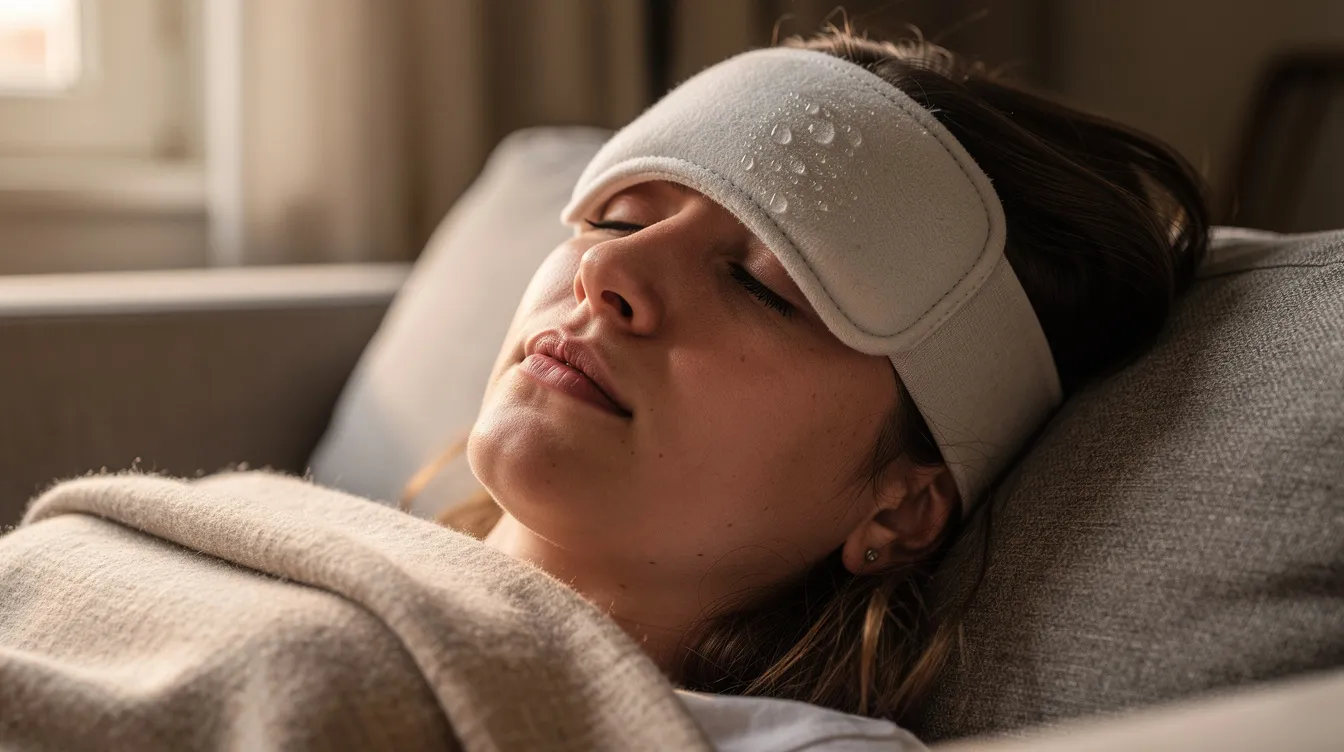
Sleep with your head elevated on extra pillows the first night or two
Apply cold compresses or a wrapped ice pack to reduce edema - cold compresses can help manage swelling post-treatment
Follow your provider's individualized post care instructions exactly
Your cleaning regimen will likely involve gentle saline or diluted vinegar soaks and reapplication of your prescribed healing ointment. Do not apply makeup, use active ingredients, or deviate from your post care instructions during this stage.
Days Two Through Seven: Helping Skin Heal
Peak swelling typically occurs around day 2 to 3, then gradually subsides through day 5 to 7. Deep treatments may have prolonged edema.
Oozing and crusting are normal during the early recovery phase. Serous exudate forms over denuded skin, and crusts begin developing by day 2 to 3. Fluid or pinpoint bleeding can occur in early recovery stages - this is a normal part of the healing process.
During this first week, proper wound care minimizes complications and optimizes healing:
Cleanse gently with saline or a gentle cleanser twice daily, using a soft cloth - never rub or scrub
Apply healing ointment multiple times daily for hydration
Skin should be kept continuously moisturized during recovery
Avoid picking or scrubbing peeling skin to prevent complications - this can introduce bacteria, cause scarring, or worsen pigment changes
Do not pick at crusts; they will fall off naturally. Forced removal disrupts the fragile new skin forming underneath.
Managing Peeling During CO2 Resurfacing
Crusts protect areas of active peeling where re-epithelialization is underway. Pulling them prematurely can tear the nascent epidermal layer and increase scarring or pigment disturbance.
Keeping treated skin moisturized with petroleum jelly or occlusive barrier creams promotes epithelial migration and prevents fissuring. Skin typically begins peeling around day 5 to 7, becoming most pronounced by the end of the first week. For full ablative treatments, peeling may continue through day 10 to 14.
The skin may feel rough during this phase. Resist the urge to exfoliate - let nature handle it.
Days Eight Through Fourteen After Laser Resurfacing
By day 8 to 10, re-epithelialization occurs by roughly day 8 to 14 for most fractional or moderate treatments. Crusts have fallen, and new skin is visible - though it will appear raw or pink. Skin typically heals within 1 to 2 weeks after treatment, though full ablative procedures may take longer to reach this milestone.
Pinkness continues because dermal inflammation and vascular remodeling are still active beneath the surface. This is expected and not a sign of a problem.
Once the skin barrier has re-established and all crusting has resolved, many patients can wear makeup - typically mineral makeup - around the two-week mark. Avoid makeup application until cleared by the provider. When you do apply makeup, choose non-comedogenic, fragrance-free formulas.
Transition to gentle, non-active skincare products after initial healing. Continue using a gentle cleanser and fragrance-free moisturizer. Avoid exfoliating acids, retinoids, and any medical grade skincare until your provider gives the green light.
Sun Protection After CO2 Laser Resurfacing
Freshly resurfaced skin is highly photosensitive. Strict sun protection is essential for healing skin - and it is arguably the single most important factor in your long-term outcome.
Use a provider-approved broad spectrum mineral sunscreen containing zinc oxide or titanium dioxide. Chemical sunscreens may sting healing skin.
Apply a broad spectrum SPF 30 or higher daily. Broad-spectrum SPF 30 or higher is essential after CO2 treatment.
Reapply sunscreen every two hours during sun exposure.
Wear a wide-brimmed hat and seek shade whenever possible.
Practice strict sun avoidance and diligent sun protection for at least 3 months.
Unprotected UV exposure raises post inflammatory hyperpigmentation risk significantly. Even indirect ultraviolet exposure through windows can stimulate melanocyte activity in injured skin. Patients who use sun protection achieve longer-lasting results.

Returning to Normal Activities
Most patients return to work within 5 to 7 days after mild to moderate fractional CO2 laser treatment. Full ablative resurfacing may require 14 to 21 days before returning to normal activities.
When resuming exercise:
Avoid intense workouts, saunas, and excessive sweating while the skin barrier is still fragile
Gradually resume activity once all crusting has resolved and the skin is no longer tender - typically around week 2
Delay sauna visits for several weeks, as heat increases blood flow and swelling
Get provider clearance before strenuous activity, especially after deeper treatments
Skincare During Long-Term CO2 Resurfacing Recovery
The visible healing may be done, but collagen remodeling continues for up to 6 months post-treatment - some studies show improvements extending to 12 months. Your skincare during this phase matters.
Restart retinoids only after the skin barrier is fully restored, typically 4 to 6 weeks post-treatment. Start with a low-strength formula.
Gradually introduce exfoliating acids at low concentrations after week 4 to 6, monitoring for irritation.
Continue using gentle moisturizers - fragrance-free, high-lipid barrier repair creams work best.
Eating a balanced diet supports recovery during the healing process. Adequate nutrition helps fuel the tissue repair happening beneath the surface.
Proper care during this phase helps maximize the texture and tightening benefits that come from ongoing collagen remodeling.
When to Contact a Healthcare Provider
Contact your healthcare provider promptly if you notice signs of complications:
Worsening pain that does not respond to prescribed analgesics, especially after the swelling peak at day 3 to 4
Yellowish drainage, thick pus, or foul odor from the treated area - these suggest bacterial infection and require immediate attention
Increased redness or fever, which may indicate infection or an HSV outbreak
Persistent redness lasting beyond 8 weeks after full ablative treatment or beyond 4 weeks after moderate fractional treatment, especially with associated pigment changes
If you have active acne or signs of infection in the treatment area at any point, do not wait - seek evaluation. Schedule follow up visits as your provider recommends to track progress and catch complications early.
CO2 Laser Recovery Questions
How long does redness last? After fractional treatments, visible redness typically fades over 1 to 3 weeks. After full ablative resurfacing, expect redness lasting 4 to 8 weeks, with post-treatment pinkness that may last up to a year in some cases.
When does peeling happen? Skin typically begins peeling around day 5 to 7. For full-field treatments, crusting may continue through day 10 to 14.
When will I see final results? Many patients see meaningful improvement by 3 months. Final results from collagen remodeling typically emerge at 6 months, though remodeling can continue beyond that.
How does recovery differ between treatment depths?
Factor | Mild Fractional | Moderate | Deep Full-Field |
|---|---|---|---|
Surface healing | 5–7 days | 7–14 days | 10–21+ days |
Return to work | ~5 days | ~10 days | ~14–21 days |
Redness duration | 1–3 weeks | 4–8 weeks | Up to 6 months |
Complication risk | Lower | Moderate | Highest |
CO2 laser recovery demands patience, but with proper care - keeping skin moisturized, protecting it from the sun, and following your provider's instructions - the results speak for themselves. Your provider is your best resource for personalized guidance, so do not hesitate to reach out at any stage of your recovery. The skin you are building is worth the wait.
Frequently Asked Questions
How long does CO2 laser recovery take?
Recovery generally takes up to two weeks for initial healing, depending on treatment intensity. Fractional treatments often heal in 5 to 14 days, while full ablative treatments may take 10 to 21 days. Visible pinkness can persist for several weeks to months afterward.
What determines how much downtime I will need?
Treatment depth is the main factor. Deeper treatments produce longer downtime, and fully ablative CO2 lasers require more recovery than fractional CO2 treatments. Your provider can estimate expected downtime based on the planned intensity and your individual skin.
Why does skin tone affect CO2 laser risk?
Patients with deeper skin tones (Fitzpatrick III to VI) have a higher risk of post-inflammatory hyperpigmentation. Providers may use fractional mode, lower energy, shorter pulses, or pre-treatment priming to reduce this risk. An individualized plan is important for these patients.
How should I prepare for a CO2 laser treatment?
Avoid tanning and direct sun exposure for at least 4 to 6 weeks beforehand and use daily broad-spectrum sunscreen. Tell your provider about all medications and supplements, including isotretinoin, which typically requires a 6 to 12 month wait. Discuss antiviral prophylaxis if you have a history of cold sores.
What should I expect in the first few days after treatment?
Expect redness, swelling, and a sunburn-like sensation, with swelling typically peaking around days 2 to 3. Sleeping with your head elevated and applying cold compresses can help. Follow your provider's cleaning and ointment instructions exactly, and avoid makeup or active skincare products during early healing.
Learn more: Body Contouring at Leva Medical