Cheek fillers are one of the fastest-growing areas of facial rejuvenation, and for good reason. They can restore volume, sharpen facial contours, and soften signs of aging - all without a single incision. Whether you're exploring your first cosmetic enhancement or comparing filler products for a touch-up, this guide covers everything from the cheek filler procedure itself to recovery, costs, and safety.
Learn more: Body Contouring at Leva Medical
Overview of Cheek Fillers
Cheek fillers are injectable or transplanted substances placed in the midface to restore volume and contour to the cheekbones. As you age, the fat pads beneath your skin shrink and descend, leading to flattened cheeks, deeper lines around the nose, and a tired appearance. Adding volume back to the midface lifts surrounding structures, softens nasolabial folds and smile lines, and restores a youthful shape to the face.
Cheek fillers are non-surgical cosmetic procedures, meaning no incisions, no general anesthesia in most cases, and minimal downtime. A dermal filler injection session typically takes 15 to 30 minutes, making it a practical alternative to surgical options like implants or midface lifts.

Right Candidate for Cheek Filler
Ideal candidates for cheek augmentation are adults (typically 21+) experiencing midface volume loss from aging, weight loss, or genetics. You may also be a good candidate if you want to enhance facial contours, correct asymmetry, or achieve more prominent cheekbones.
Contraindications for filler treatment include:
Pregnancy or breastfeeding
Active infection or inflammation in the treatment area
Bleeding disorders or use of blood thinners
Certain allergies to filler components (e.g., bovine collagen, lidocaine)
Autoimmune conditions such as lupus
A consultation with a board-certified provider is essential. They'll assess your facial anatomy, skin elasticity, medical history, and aesthetic goals to build a personalized treatment plan.
Cheek Filler Procedure
Getting cheek filler follows a predictable three-phase flow: preparation, injection, and recovery. Here's what each stage involves.
What Happens Before a Cheek Filler Procedure?
Your provider will review your full medical history, including allergies, prior treatments, and current medications. You'll be advised to stop blood thinners, NSAIDs, fish oil, and vitamin E supplements several days before your appointment to reduce bruising risk.
Pre-procedure photos are taken from multiple angles to establish a baseline. This is also when you'll discuss filler products, expected syringe count, and sign consent forms.
What Happens During a Cheek Filler Procedure?
The treatment area is cleansed and marked based on your anatomy - typically the zygomatic arch, malar eminence, and submalar region. Topical numbing cream is applied before the cheek filler injection, and many filler products also contain lidocaine for added comfort.
Your provider will inject using either a needle or cannula. Filler beneath the skin is placed in layers: deep boluses over bone for structural lift, and more superficial feathering to smooth lines and blend transitions. The entire session usually takes about 15 to 30 minutes.
What Happens After a Cheek Filler Procedure?
Ice packs are applied immediately to reduce swelling. You'll be instructed to avoid strenuous exercise, alcohol, saunas, and facial massages for 24 to 48 hours. Most patients can return to normal activities immediately after treatment.
A follow-up appointment is typically scheduled at two weeks to assess settling, symmetry, and whether any adjustments are needed.
Types of Dermal Fillers for Cheeks
Not all fillers are created equal. Hyaluronic acid fillers are the most common for cheeks, but calcium hydroxylapatite, biostimulators, permanent fillers, and autologous fat injections each serve different purposes. The right match depends on your anatomy, goals, and how long you want results to last.
Hyaluronic Acid (HA) Dermal Fillers
Hyaluronic acid is a naturally occurring substance in the body that binds water and provides cushioning. Cross-linked hyaluronic acid cheek filler products deliver immediate results - visible lift and cheek volume right in the chair.
Key HA products for cheeks:
Product | Duration | Key Feature |
|---|---|---|
Juvéderm Voluma XC | Up to 18–24 months | High G' for deep structural lift |
Restylane Lyft | 12–18 months | Versatile midface augmentation |
Restylane Contour | Up to 12 months | Flexible contouring |
Juvéderm Voluma XC is popular for mid-face lifting due to its firmness and longevity. Restylane Lyft lasts 12 to 18 months for cheek augmentation and provides reliable projection.
A major advantage of HA fillers: they're reversible. Hyaluronidase can dissolve excess product if overcorrection occurs, letting you essentially start fresh.
Calcium Hydroxylapatite (CaHA) Dermal Fillers
Calcium hydroxylapatite (found in products like Radiesse) uses mineral microspheres to provide structural support while stimulating collagen production over time. It's injected deeper - supraperiosteal or deep subcutaneous - to avoid surface irregularities.
CaHA cheek treatments typically last 12 to 18 months. As the filler gradually absorbs, the collagen it stimulated continues providing some support.
Poly L Lactic Acid and Biostimulators
Poly l lactic acid (Sculptra) works differently from traditional fillers. Rather than instant results, it triggers your body's own collagen production over several months. Results develop gradually, which many patients prefer for a more natural transition.
Sculptra stimulates collagen production and lasts over 2 years, but requires multiple sessions (typically two to three) spaced weeks apart for optimal outcomes. It's particularly well-suited for patients with diffuse midface volume loss who want subtle, long-lasting improvement.
Polymethylmethacrylate (PMMA) Fillers
PMMA fillers like Bellafill contain non-absorbable microspheres suspended in collagen. Once the collagen carrier absorbs, the PMMA remains as a permanent scaffold. PMMA fillers provide indefinite support beneath the skin.
This permanence is a double-edged sword. Results aren't reversible - removal requires a surgical procedure. Risks include granulomas and long-term asymmetry. Only experienced providers should perform PMMA injections, and patients must understand the long-term commitment involved.
Autologous Fat Injections and Facial Fat Grafting
Autologous fat injections involve harvesting your own fat (typically from the abdomen or flanks via liposuction), processing it, and reinjecting it into the cheeks. Facial fat grafting uses your own tissue, eliminating allergy concerns.
The process involves more downtime than injectable treatments since it includes a donor-site harvest. Fat survival rates vary between 30–70%, meaning some volume loss is expected in the first few months. When fat does survive, results can persist for years.
FDA Approved Filler Treatments
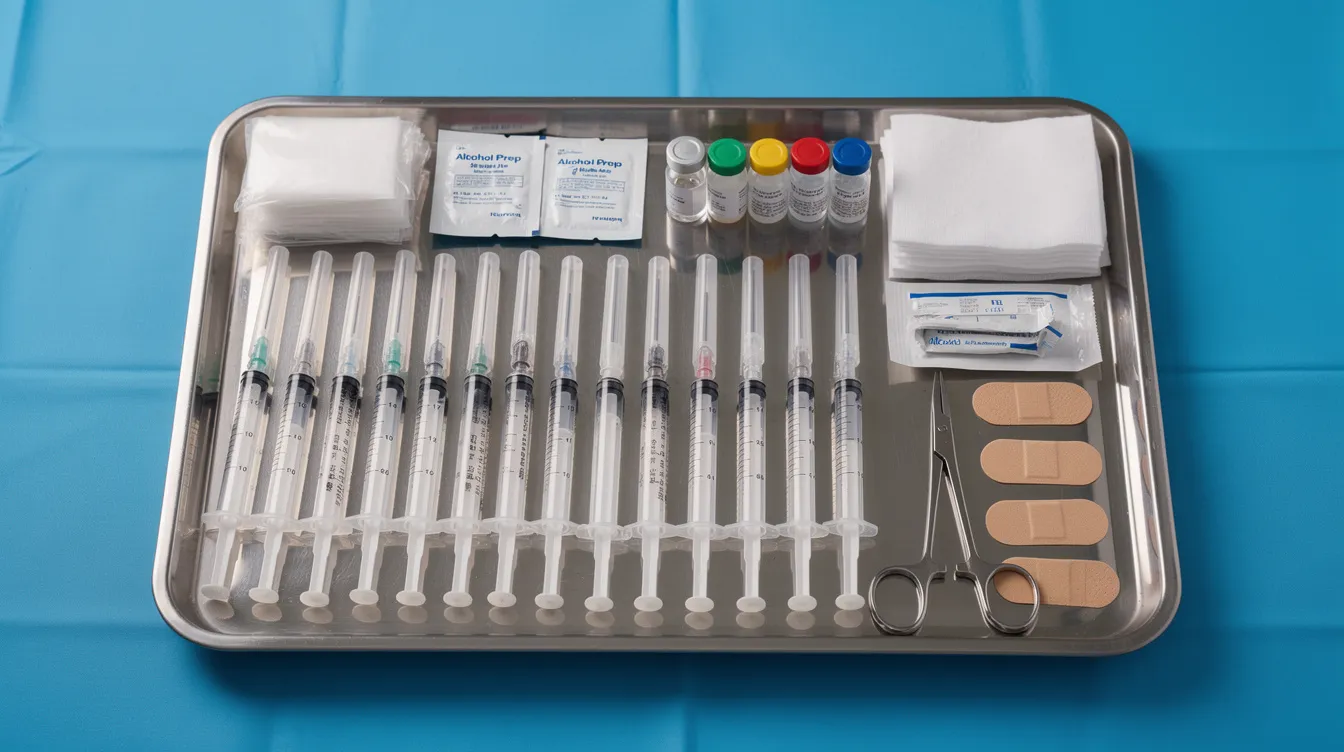
Sticking with fda approved filler products is critical for safety. Major approvals for midface augmentation include:
Juvéderm Voluma XC - First HA filler approved by FDA specifically for age-related midface volume loss (approved October 2013). Juvéderm Voluma lasts up to 18 to 24 months.
Restylane Contour - Approved June 2021 for cheek augmentation and midface contour correction. Clinical trials showed 91% of patients saw improvement at 12 weeks.
Bellafill - FDA approved for nasolabial folds and acne scars. Cheek use is off-label.
Always confirm your provider uses brand-name, FDA-cleared filler products - never unbranded or unregulated injectables.
Cheek Filler Vs Alternatives
Option | Invasiveness | Duration | Downtime | Cost Range |
|---|---|---|---|---|
HA Fillers | Minimal | 6 months–2 years | Hours | $600–$1,500/syringe |
Fat Grafting | Moderate | Years (variable) | 1–2 weeks | $3,000–$8,000 |
Surgical Implants | High | Permanent | 2–4 weeks | $5,000–$15,000+ |
Cheek filler is a fraction of the cost of surgical facelifts, which can run between $15,000 and $30,000. Fat grafting may be preferred when you want to use your own fat for longer-lasting results but can accept more downtime. Sculptra is often chosen when patients want gradual, natural looking results with collagen stimulation rather than immediate volume.
Swelling and Recovery Timeline
Here's what to expect after getting cheek filler:
Day 0: Redness, mild discomfort, slight swelling at injection sites. Ice applied.
Days 1–3: Swelling peaks around day 1 to 2 after treatment. Bruising may appear. Patients may experience mild swelling for a few days post-injection. Mild bruising typically resolves within days.
Days 4–7: Minor swelling usually decreases within the first couple of days past peak. Residual firmness softens.
Weeks 2–4: Results can take up to two weeks to fully settle. The filler integrates, edges smooth out, and final cheek volume becomes apparent.
For biostimulators like Sculptra, improvements continue developing for several months beyond this timeline.

How Long Do Cheek Fillers Last?
Cheek fillers can provide results lasting 12 to 24 months depending on the product. More specifically, cheek filler results typically last 6 months to 2 years across all product types.
Product Type | Typical Duration |
|---|---|
HA Fillers (Voluma, Lyft) | 12–24 months |
CaHA (Radiesse) | 12–18 months |
PLLA (Sculptra) | 2+ years |
PMMA (Bellafill) | 5+ years |
Fat Grafting | Years (variable) |
Cheek fillers last longer due to less facial movement in the midface compared to areas like lips. Other factors include patient metabolism, filler placement depth, product crosslink density, and whether maintenance sessions are scheduled. Deeper placements over bone tend to hold longer.
Cheek Filler Cost and Pricing Factors
Cheek filler costs vary based on product type and practitioner experience. For HA fillers, expect roughly $600 to $1,500 per syringe. One to three syringes are typically needed for cheek treatments, putting total cheek filler cost anywhere from $600 to $4,500 depending on the extent of lost volume.
Key factors affecting filler cost:
Product type and brand - Higher-crosslinked HA and biostimulators may cost more filler per session
Number of syringes - Determined by degree of volume loss
Provider credentials and location - Urban practices and highly experienced plastic surgeons tend to charge more
Follow-up touch-ups - Some offices include them; others charge separately
Consultations help determine the specific cost of cheek fillers for your situation. Most clinics offer a free consultation to assess your needs before committing.
Financing and Loyalty Options for Filler Treatments
Many clinics partner with third-party financing providers like CareCredit or Cherry, letting you spread cheek treatment costs over monthly payments. Some filler manufacturers run loyalty programs that offer discounts on repeat treatments - worth asking about if you plan on maintenance sessions.
Always request a transparent price breakdown that covers per-syringe costs, follow-up fees, and any touch-up policies before your initial treatment.
Choosing a Provider for Filler Treatments
Injectors should have extensive knowledge of facial anatomy for safety. When evaluating a provider:
Verify board certification (dermatology or plastic surgery) or equivalent credentials
Review before-and-after photos specific to cheek filler procedures - look for natural looking results, not overfilled faces
Ask about their injection technique (needle vs. cannula) and whether they keep hyaluronidase on-site for emergencies
Confirm they use FDA-approved filler products exclusively
The difference between subtle, youthful contours and an overdone look almost always comes down to provider skill.
Safety Risks and Management
Common side effects of cheek fillers include swelling and bruising, along with tenderness, redness, and temporary firmness. These typically resolve within one to two weeks.
Serious but rare complications include:
Vascular occlusion - Rare complications from cheek fillers may include vascular occlusion, where filler blocks a blood vessel. Signs include sudden blanching, intense pain, or skin color changes. Immediate treatment with hyaluronidase (for HA) is critical.
Infection - Rare; requires antibiotics
Granulomas - More common with permanent fillers like PMMA
Pillow face - Caused by overfilling or improper placement, not by the products themselves
Providers should maintain emergency protocols, keep reversal agents accessible, and recognize warning signs within minutes.
Before And After Content
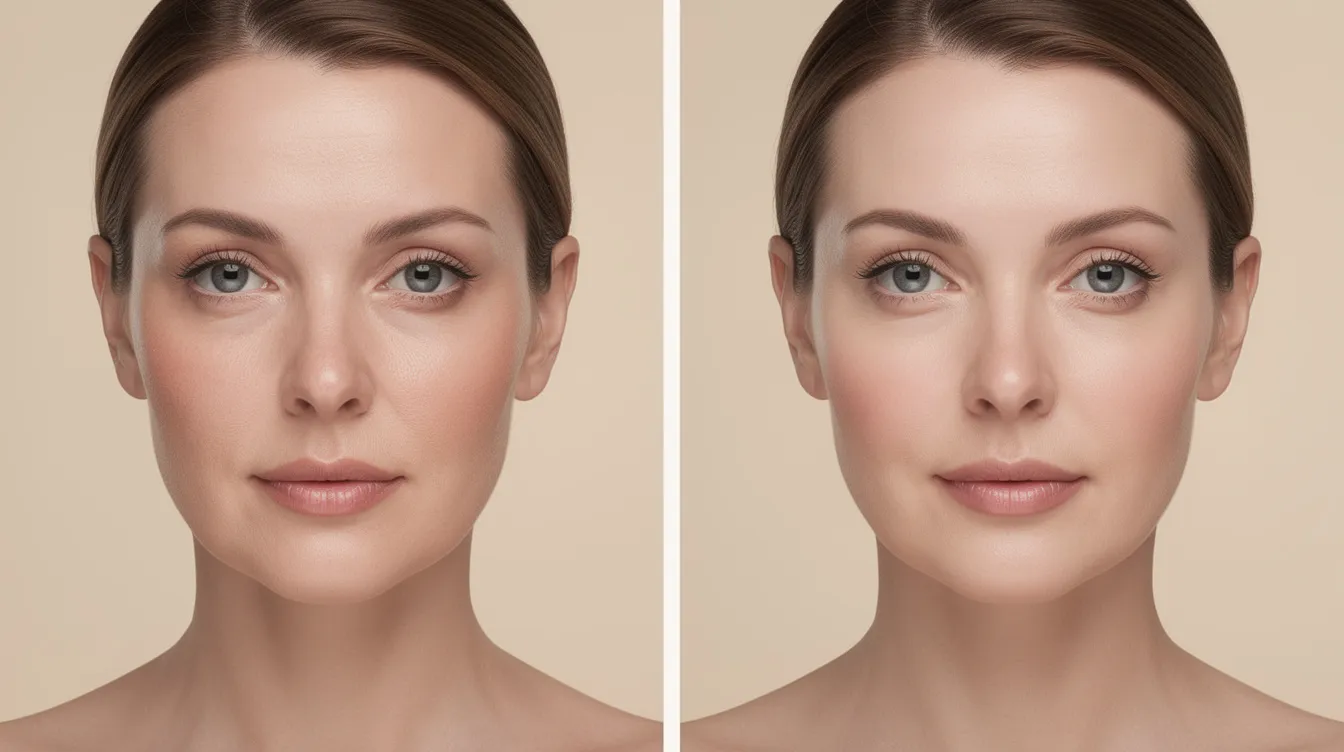
A curated before-and-after gallery is one of the most useful tools when evaluating cheek filler. When reviewing an actual patient gallery, look for:
Photos taken at consistent angles and lighting
Captions noting syringe counts and product names (e.g., "2 syringes Juvéderm Voluma XC")
Documented patient consent for image use
Results that people notice as refreshed - not overdone
FAQ and Patient Messaging
Can HA filler be dissolved? Yes. Hyaluronidase can break down hyaluronic acid filler if you're unhappy with results or experience overcorrection. Earlier intervention yields easier reversal.
How many syringes will I need? One to three syringes are typical for moderate cheek augmentation. Your provider will recommend a volume based on your degree of volume loss and desired outcome.
Are follow-ups included? Policies vary. Ask whether a two-week follow-up and any touch-ups are included in your filler cost or billed separately. Clarifying this upfront avoids surprises.
When will I see results? With HA and CaHA fillers, you'll see results immediately - though final settling takes about two weeks. With Sculptra, expect gradual improvement over several months as collagen production builds.
Will people notice my filler? When injected properly, people notice you look refreshed rather than "done." Skilled providers deliver smooth fine lines and natural cheek projection without the overfilled look.
Content And SEO Checklist
For providers publishing cheek filler content: include target keyword variations across headings, add structured data markup for procedures and FAQs, and reference authoritative FDA resources where relevant. Clear, medically accurate content builds trust with patients researching injectable treatments - and that trust is what ultimately drives bookings.
Key Takeaways
Cheek fillers offer a versatile, low risk path to addressing midface volume loss without the cost or commitment of surgery. The right combination of product, provider, and treatment plan makes all the difference between subtle facial rejuvenation and an unnatural result.
If you're considering getting cheek filler, book a free consultation with a qualified provider, come prepared with questions about their technique and product selection, and set realistic expectations for your timeline and budget. The best outcomes happen when patients and providers collaborate toward a shared vision of natural, balanced enhancement.
Frequently Asked Questions
What are cheek fillers and how do they work?
Cheek fillers are injectable substances placed in the midface to restore volume and contour to the cheekbones. As you age, fat pads beneath your skin shrink and descend, causing flattened cheeks and tired appearance. Adding volume back lifts surrounding structures and softens lines.
How long does a cheek filler procedure take?
A dermal filler injection session typically takes 15 to 30 minutes. The procedure is non-surgical, requiring no incisions or general anesthesia in most cases, with minimal downtime. Most patients can return to normal activities immediately after treatment.
What should I avoid before getting cheek fillers?
Stop blood thinners, NSAIDs, fish oil, and vitamin E supplements several days before your appointment to reduce bruising risk. Avoid strenuous exercise, alcohol, saunas, and facial massages for 24 to 48 hours after treatment. A board-certified provider will review your full medical history.
How long do cheek fillers last?
Duration depends on filler type. Hyaluronic acid fillers last 12-24 months. Calcium hydroxylapatite lasts 12-18 months. Poly L lactic acid (Sculptra) lasts over 2 years. PMMA fillers are permanent. Your provider will discuss longevity based on your chosen product.
What are the different types of cheek fillers available?
Common types include hyaluronic acid (reversible, immediate results), calcium hydroxylapatite (stimulates collagen), poly L lactic acid (gradual results over months), and PMMA (permanent). Each serves different purposes based on anatomy, goals, and desired duration of results.

-2.jpg?width=2000&height=2000&name=Copy%20of%20YouTube%20Thumbnail%20-%20Life-Changing%20Cosmetic%20Surgery!%20(Document)-2.jpg)


