Breast reduction scars are one of the most common concerns patients raise before going under the knife. Scarring is a normal part of breast reduction surgery, and understanding what to expect can help you prepare mentally and physically for the road ahead. This guide covers scar patterns, healing stages, proven treatments, and realistic expectations so you can make informed decisions about your procedure and recovery.
Why a Breast Reduction Scar Forms
Breast reduction surgery typically requires incisions following specific patterns based on tissue removal. When a surgeon cuts through skin and underlying tissue, the body launches a wound healing response. Inflammation kicks in first, followed by a proliferative phase where fibroblasts produce collagen - primarily types I and III - to rebuild the area. During the final remodeling phase, collagen fibers reorganize and the scar tissue gradually matures.
Scarring varies between patients because of both intrinsic and extrinsic factors. Genetics can influence the severity and appearance of scars, as can age, hormonal status, and overall health. Scars can also vary based on skin type and age. On the extrinsic side, factors influencing scar appearance include surgical technique, skin tension, and genetics. Hormonal factors may also influence how raised a scar becomes.
Compare Breast Reduction Scar Patterns
Common breast reduction incision patterns include anchor, lollipop, and periareolar. Each scar pattern produces a different footprint on the breast, and your surgeon will recommend one based on how much tissue needs to be removed, the degree of sagging, and your skin elasticity.

Anchor Scars
The inverted T or anchor pattern involves three incisions: one around the areola, one running vertically from the areola to the breast crease, and one along the inframammary fold. This surgical technique gives surgeons the most access to remove excess skin and reshape the breast.
Surgeons recommend anchor scars when the reduction is large or when there is significant ptosis. The trade-off is the greatest total scar length. Delayed healing most commonly occurs at the T-junction where the vertical and horizontal incisions meet, so patients choosing this route should be prepared for a longer healing process in that area.
Vertical Breast Reduction Scars
The vertical or lollipop technique uses two incisions: one around the areola and one extending vertically down to the breast crease. Because it eliminates the horizontal component, lollipop scars produce a shorter overall scar line and are often associated with fewer complications along the lower breast.
Vertical scars suit moderate reductions where the amount of tissue removal is not extreme and skin elasticity is sufficient. For very large or heavy breasts, however, the vertical scar approach may be less reliable - results can relapse or the lower pole may sag over time. Your surgeon will assess whether this pattern fits your anatomy.
Periareolar Scars
The periareolar or donut technique involves one incision around the areola - a single circular incision that leaves minimal scarring in terms of length. There is no vertical scar or fold component.
Smaller reductions with minimal sagging may use this approach, particularly for asymmetry correction or limited tissue removal. The downside is a higher risk of areolar widening or flattening. Some patients may also develop poor scar quality, including pinching and hypertrophic scars.
What Does a Breast Reduction Scar Look Like?
Scars typically appear red and raised immediately after surgery. In the first week or two, expect swelling, bruising, and possibly serous fluid or crusting around incision sites. The scars may feel firm or tender to the touch.
Scars may look red, firm, or raised during the first few months after surgery. As healing progresses, the color shifts from deep red or purple toward pink. Scars begin to flatten and fade within three to six months as collagen production stabilizes and the body's natural healing processes take over.
Most scars fade to thin, pale lines within one year. Many scars that look raised at three months become flatter by twelve months, blending more closely with the surrounding skin.
Do Breast Reduction Scars Go Away?
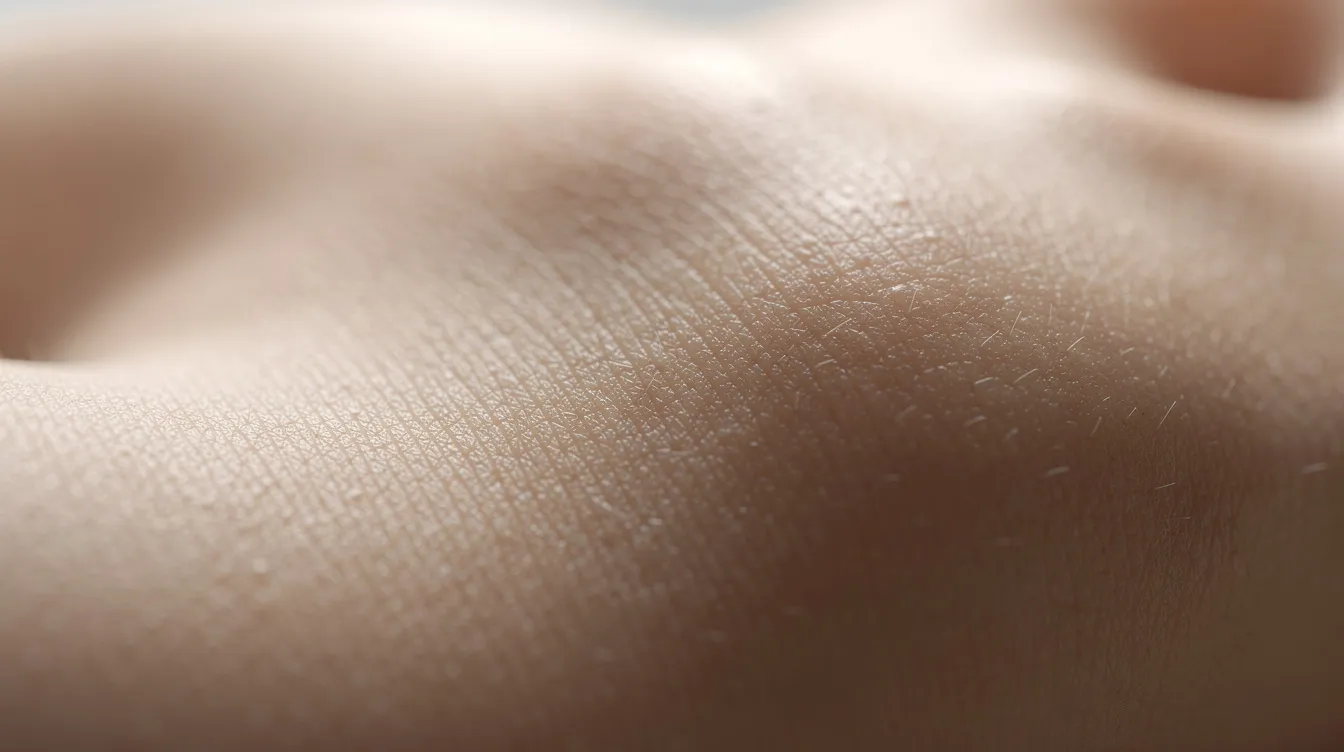
The question of whether breast reduction scars go away is valid, and the honest answer is no - scars from breast reduction surgery are long-lasting but can fade significantly over time. The incisions will not disappear completely. Complete disappearance of breast reduction scars is unlikely.
However, most scars become thin and pale within a year. Scar appearance continues to improve as collagen formation matures, and many patients find their reduction scars become barely noticeable against their natural skin tone. Factors like genetics affect scar visibility over time, so individual outcomes vary.
Expect improvement, not perfection. The goal is a scar that fades enough to blend with the surrounding skin, not one that vanishes entirely.
Breast Reduction Healing Process and Healing Timeline
Understanding the healing timeline helps you know what is normal healing and when to seek help.
Timeframe | What to Expect |
|---|---|
Weeks 1–2 | Incisions are closed with sutures or tapes. Swelling and bruising peak. Keep incision sites clean and dry. Wear your surgical bra as directed. |
Weeks 2–6 | Sutures dissolve or are removed. Crusts fall off. Scars remain red and may feel hard or itchy. Initial healing lasts about six to eight weeks post-surgery. |
Months 3–12 | Scar maturation accelerates. Color fades from red to pink. Healing tissues soften and flatten. Healing can affect the appearance of scars post-operation including redness and thickness. |
12–24 months | Scars typically mature over 18 to 24 months after surgery. Complete scar maturation can take up to two years. Subtle improvements may continue through the second year. |
Each stage of the healing process brings visible change. Weeks post surgery, the most dramatic shifts occur in color and texture, while later months focus on gradual refinement.
How to Minimize Breast Reduction Scars
Follow your surgeon's post-operative care instructions closely - proper aftercare significantly impacts scar appearance over time. Here are the key pillars of a solid scar care routine:
Silicone treatment: Silicone sheets or gels should be started only after incisions are fully closed, typically around four to six weeks. Silicone sheets improve scar appearance and reduce pain. Apply daily for several months to flatten raised scars and reduce redness.
Scar massage: Scar massage can enhance collagen production and flexibility. Begin gentle massage after healing incisions are confirmed closed by your surgeon - usually weeks four through six. Spend three to five minutes per session, multiple times daily. This helps break down scar tissue and improve scar appearance over time.
Sun protection: Sun exposure can darken scars, making them more noticeable. UV rays stimulate melanocytes, prolonging redness and causing hyperpigmentation. Apply sunscreen daily to prevent scars from darkening and avoid sun exposure for at least 12 months post-surgery.
Proper wound care: Keep incision sites clean, use supportive dressings or surgical tape as directed, and avoid tension on the healing wound.
Scar management techniques vary based on the scar's characteristics and stage of healing, so adjust your approach as your scars mature. Scar treatment products like silicone gel and specialized tapes are most effective when used consistently over months.
Lifestyle Choices That Support Scar Healing
Your daily habits during recovery directly influence scar healing and optimal healing outcomes.
Avoid heavy lifting: Tension on healing tissues widens scars and risks wound dehiscence. Avoid heavy lifting (nothing over 10 lb) and strenuous upper-body exercise for about six weeks. This helps minimize swelling and supports proper healing.
Quit smoking: Smoking can delay healing and worsen scar quality. Smoking restricts blood flow to healing tissues, impairing collagen architecture and blood circulation. Cessation at least four to six weeks before surgery improves outcomes.
Rest and nutrition: Adequate sleep supports tissue repair. A balanced diet rich in protein, vitamins C and A, and zinc promotes healthy collagen formation and immune function.
These choices support your body's natural healing processes and give your scars a good chance of fading to thin, pale lines.
Breast Reduction Scars and Darker Skin
Patients with darker skin tones face elevated risks for post-inflammatory hyperpigmentation after breast reduction. Melanocytes respond aggressively to injury, producing excess melanin that can leave lasting discoloration around incision sites.
Hypertrophic scarring and keloid scars are also more common in darker skin. Keloid scars are raised scars that extend beyond the original wound, and they can be particularly challenging to treat.
If you have darker skin, discuss these individual risks with your surgeon before cosmetic surgery. Prophylactic treatments - silicone, laser, or steroid approaches - may be recommended to manage scar formation proactively.
Treating Persistent Breast Lift Scars
When visible scars persist beyond the normal healing timeline, several proven treatments can help. Timely assessment and treatment of scars can improve their appearance.
Silicone products: Silicone gel and silicone sheets remain the first-line treatment for both active and mature scars. They flatten raised scars, reduce redness, and decrease itching with consistent daily use.
Laser therapy: Laser therapy can be effective for treating persistent redness and uneven texture in scars. Pulsed dye lasers target vascularity and redness, while fractional ablative lasers (CO₂, Er:YAG) improve texture and thickness. Non-ablative fractional lasers are usually given as a series of sessions.
Steroid injections: Corticosteroid injections can reduce the raised appearance of hypertrophic scars. Intralesional triamcinolone is typically administered every one to two months across two to three sessions.
Surgical scar revision: For scars that remain wide, depressed, or keloidified, revision surgery is an option - usually deferred until 12–18 months post-surgery when scar maturation is complete. Breast lift scars and breast lift surgery scars can also benefit from these same approaches when they prove stubborn.
Laser treatments and steroid injections work well in combination. Your surgeon can help determine which approach suits the specific characteristics of your healing scars.

When Breast Reduction Scars Need Medical Attention
Watch for these warning signs during recovery:
Infection: Increasing redness spreading from the incision, warmth, purulent discharge, or fever require immediate evaluation.
Delayed wound healing: Particularly common at T-junctions in anchor incisions. Risk factors include high BMI, smoking, and compromised blood flow to the surgical site.
Worsening pain: Persistent or escalating pain beyond the expected timeline, sudden scar changes (rapid thickening, growth beyond incision borders), or severe itching disrupting daily function warrant prompt medical attention.
If a scar restricts movement, causes discomfort with clothing, or shows signs of nipple compromise, contact your surgeon.
What to Expect From Your Scars
Your incision choice directly determines scar length and visibility. Anchor scars produce the longest scar network but allow the greatest reshaping. Lollipop scars offer a moderate trade-off. Periareolar approaches yield minimal scarring but limit how much tissue can be removed.
The final appearance of breast reduction scars can vary considerably based on multiple factors - skin type, genetics, surgical technique, and adherence to proper care all play a role. But remember that comfort improvements remain a primary goal. Relief from back pain, shoulder grooves, and postural strain is the central reason most patients pursue breast reduction.
Before surgery, review before-and-after photographs from your actual surgeon to gauge likely outcomes for patients with similar anatomy. Ask about pedicle type, suture methods, and what scar management plan they recommend. Discernible scars can occur, and a high BMI and tobacco use increase the risk of complications.
Scarring is a long-lasting trade-off for meaningful physical relief. With the right surgical technique, consistent aftercare, and realistic expectations, most breast reduction scars fade to thin, pale lines that patients consider well worth the result. Schedule a consultation to discuss your specific needs, skin type, and the scar management strategy that fits your situation.
Frequently Asked Questions
What causes a breast reduction scar to form?
Breast reduction incisions trigger the normal wound healing process: inflammation, then collagen production by fibroblasts, then remodeling as collagen fibers reorganize. Scar appearance varies with genetics, age, hormonal status, skin type, surgical technique, and skin tension.
What are the common incision patterns for breast reduction?
Common patterns include the anchor (inverted T), vertical or lollipop, and periareolar or donut techniques. Surgeons choose among them based on how much tissue is removed, the degree of sagging, and skin elasticity. Each pattern produces a different scar length and footprint.
What do breast reduction scars look like over time?
Scars are typically red and raised at first, then shift from deep red or purple toward pink over several months. Most fade to thin, pale lines within about one year, though they do not disappear completely. Individual results vary.
Do breast reduction scars go away completely?
No, breast reduction scars are long-lasting, but they often fade considerably over time. Most become thin and pale within a year, and many blend more closely with surrounding skin. Complete disappearance is unlikely, and outcomes depend on individual factors like genetics.
How long does breast reduction scar healing take?
Initial healing generally takes about six to eight weeks, with swelling and bruising peaking in the first two weeks. Scars continue maturing for months, and most reach their final appearance within about a year. Your surgeon can advise on signs that warrant evaluation.
About Leva Medical
Leva Medical has offices in Queens (94-06 59th Ave, Suite E9, Elmhurst, NY 11373) and in Northport, Long Island (320 Laurel Rd, Northport, NY 11768).
Call (718) 699-9737 to book a consultation with a board-certified surgeon.
Learn more: Breast Reduction at Leva Medical

Dr. Jean-Paul Leva
Dr. Jean-Paul Leva, FACS is board certified in cosmetic and general surgery. Dr. Jean-Paul Leva, FACS obtained his Doctor of Osteopathic Medicine degree from ...