Planning for breast lift surgery means understanding what happens after you leave the operating room. This breast lift recovery timeline breaks down exactly what to expect—from surgery day through the full year of healing—so you can prepare your schedule, set realistic expectations, and support your body’s healing process every step of the way.
Learn more: Eyelid Surgery at Leva Medical
Key Takeaways
Initial recovery from breast lift surgery typically takes 6 to 8 weeks, with most patients returning to light daily activities within 1 to 2 weeks and full internal healing taking several months to a year
A surgical bra or compression garment must typically be worn 24/7 for the first 4 to 6 weeks to minimize swelling and support healing tissues
Most patients experience moderate pain for 3-5 days following breast lift surgery, which is well-managed with prescribed pain medications
Breast lift scars fade significantly over time, typically becoming less noticeable within 12 to 18 months, though they will not disappear completely
Following your surgeon’s aftercare instructions and attending all follow up appointments is essential for a successful breast lift recovery
Why Understanding the Breast Lift Recovery Timeline Matters
Knowing your lift recovery timeline reduces anxiety, helps you plan time off work, and ultimately supports better breast lift results. The recovery process unfolds in clear phases: initial recovery during the first two weeks, early healing through weeks three and four, and long-term healing that continues for up to twelve months.
Your healing speed depends on several factors including age, overall health, smoking status, and whether you’re combining procedures like breast augmentation with your lift. Realistic expectations about swelling and bruising, temporary changes in breast shape, and gradual improvement are essential for long-term satisfaction.
This article is for education only and does not replace personalized advice from a board certified plastic surgeon.
Breast Lift Recovery Timeline: Day-by-Day and Week-by-Week
This is the core section to understand the actual breast lift recovery process across the first year. The timeline below assumes a standard mastopexy without major complications—if you’re combining your lift with implants, expect slightly longer recovery periods.
Surgery Day (Day 0)
You’ll wake from anesthesia in the recovery room with dressings and a surgical bra already in place. Most breast lift patients go home the same day with a responsible adult to drive and stay overnight.
Expect pain, grogginess, and chest tightness. You’ll receive prescriptions for pain medication and possibly antibiotics. Keep your arms close to your body and avoid lifting, pushing, or pulling anything heavy.
Patients should sleep on their back with their head elevated for at least the first 2 to 3 weeks to reduce edema—set up a reclined sleeping position with multiple pillows before surgery.

Initial Recovery Phase (Days 1–7)
Days 1–3 are typically the peak for discomfort, swelling, and fatigue. It is common to experience significant swelling and soreness in the first few days following a breast lift. During the first week after surgery, patients typically experience mild to moderate pain, swelling, and bruising, with discomfort significantly subsiding by the end of this period.
For effective pain management:
Take prescribed medications on schedule—don’t wait until pain becomes severe
Apply cold therapy as directed to manage pain and swelling
Rest frequently but take very light walking around the house
Light walking is encouraged within the first week post-surgery to promote circulation and prevent blood clots, starting within 24 hours unless your surgeon says otherwise. Wear your surgical bra 24/7 (except for brief showering if allowed) to support the breasts and minimize swelling.
Many surgeons schedule a first follow-up appointment during Days 3–7 to check incisions and adjust dressings.
Week 2 (Days 8–14): Easing Back Into Daily Life
By the second week post-surgery, most patients feel well enough to return to light daily activities, and swelling and bruising begin to subside. Many patients report reduced pain and slowly improving energy.
Most patients return to light daily routines and non-strenuous work within 1 to 2 weeks post-surgery, particularly remote or desk-based work if they can avoid heavy arm movements. Driving usually becomes possible once you’re off prescription pain medication and can safely turn the steering wheel.
Continue wearing the surgical bra day and night. Patients are typically advised to avoid lifting anything heavier than a gallon of milk for the first month—this includes children and heavy grocery bags.
Weeks 3–4: Early Healing and Visible Improvements
Bruising and major swelling from a breast lift typically subside within 2 to 4 weeks. The breasts begin to soften and settle into a more natural breast shape.
Mild itching, tingling, or “zapping” sensations around the breasts and nipples are signs of nerve regeneration—this is usually normal. Most patients can resume normal daily activities and light exercises by weeks 3-4, and lower body workouts around 3 to 4 weeks after surgery, although high-impact activities should still be avoided.
Many patients feel ready for social activities, though breast lift scars will still look pink or red. Overdoing activity now can stretch healing incisions, so follow your surgeon’s guidelines closely.

Weeks 5–8: Returning to Most Normal Activities
By six to eight weeks, most patients feel “more like themselves” with the majority of swelling and soreness resolved. With surgeon approval, you’ll often transition from the surgical bra to a supportive sports bra.
Many restrictions on normal activities are lifted, including household tasks and low-to-moderate exercise. Upper body exercises and high-impact activities are typically cleared after 6 to 8 weeks post-surgery, depending on individual healing progress. Most patients can usually begin to lift items heavier than a gallon of milk after 4 to 6 weeks.
While initial recovery feels complete, internal healing is ongoing. Avoid trauma or direct pressure on the breast tissues.
Months 2–3: Shaping, Softening, and Early Results
By the end of the second month post-surgery, most patients will see their final breast shape emerging as swelling continues to subside. Final breast shape settling may take 3 to 6 months after a breast lift.
Most patients can return to full normal activities including travel, non-contact sports, and sexual activity if cleared by the surgeon. Some residual swelling and firmness can persist, especially in the upper portion of the breasts.
This is an ideal time to start or intensify scar treatments if incisions are fully closed. This phase provides a good preview of breast lift results, but not the true final results yet.
Months 4–6: Approaching Final Results
By 4–6 months, most visible swelling has resolved, and results look much closer to final. Breast lift scars begin to fade from red or pink to lighter tones, feeling flatter and softer. Scarring may continue to mature over 6 to 12 months after breast lift surgery.
Most exercise restrictions are fully lifted, including upper body strength training and chest exercises. Changes in breast sensation—numbness or increased sensitivity—often continue to improve, though subtle differences may persist.
Continue scar treatments and sun protection diligently.
6–12 Months: Long-Term Healing and Final Outcomes
Between 6 and 12 months, tissue remodeling and scar maturation continue, leading to final breast lift results. Full internal healing from a breast lift can take several months to a year.
Scars usually fade to thin, pale lines easily hidden under most bras and swimsuits. This is when you and your surgical team evaluate whether any touch-up procedures are desired.
Long-term results depend on lifestyle factors like stable weight, pregnancy plans, and ongoing bra support.
Factors That Influence Your Breast Lift Recovery Time
No two breast lift recoveries are identical. Key factors affecting your recovery timeline include:
Factor | Impact on Recovery |
|---|---|
Age | Younger patients often heal faster |
Smoking status | Care instructions include avoiding smoking and nicotine products, as they can significantly impair healing |
BMI | Higher BMI may increase swelling duration |
Procedure type | Combined mastopexy with augmentation extends recovery |
Adherence to instructions | Following guidelines strongly affects healing quality |
Emotional wellbeing, support at home, and realistic expectations all contribute to a smoother, more successful breast lift recovery.
Aftercare Essentials for a Smooth and Successful Breast Lift Recovery
Good aftercare significantly reduces potential complications and protects your results.
Incision care: Incisions from a breast lift should be kept clean and dry, and submerging in baths, hot tubs, or pools should be avoided until cleared by the surgeon (typically around 6 weeks)
Compression: A surgical bra or compression garment supports tissues and controls swelling for the first 4-6 weeks
Activity limits: Avoid heavy lifting, overhead reaching, and strenuous activities during initial healing
Follow-ups: Keep a list of questions for each follow up appointment to address concerns about healing progress
Managing Pain and Discomfort: Effective Pain Management Tips
Mild to moderate pain, tightness, and pressure are normal during initial recovery. It’s important to follow medication guidelines precisely—most patients rely on prescription pain medication for the first few days, then transition to over-the-counter options like acetaminophen if approved.
Non-medication strategies to manage pain and minimize discomfort include:
Cold compresses (first 48-72 hours)
Keeping your upper body elevated while sleeping
Gentle, short walks to promote blood flow
Take medicines exactly as directed by your surgeon. Severe pain, sharp pain, or suddenly worsening discomfort is not typical and should prompt an immediate call to your surgical team.
Breast Lift Scars: What to Expect and How to Care for Them
Visible scars are unavoidable but fade significantly with proper scar care. Common incision patterns include periareolar, vertical “lollipop,” and anchor—each determines where your scars will be located.
In the first 6–8 weeks, incision sites appear pink or red and slightly raised. The incision lines will begin to fade over subsequent months. Scars from breast lift surgery will fade over time, typically becoming less noticeable within 12 to 18 months, but they will not disappear completely.
To help minimize appearance of scars:
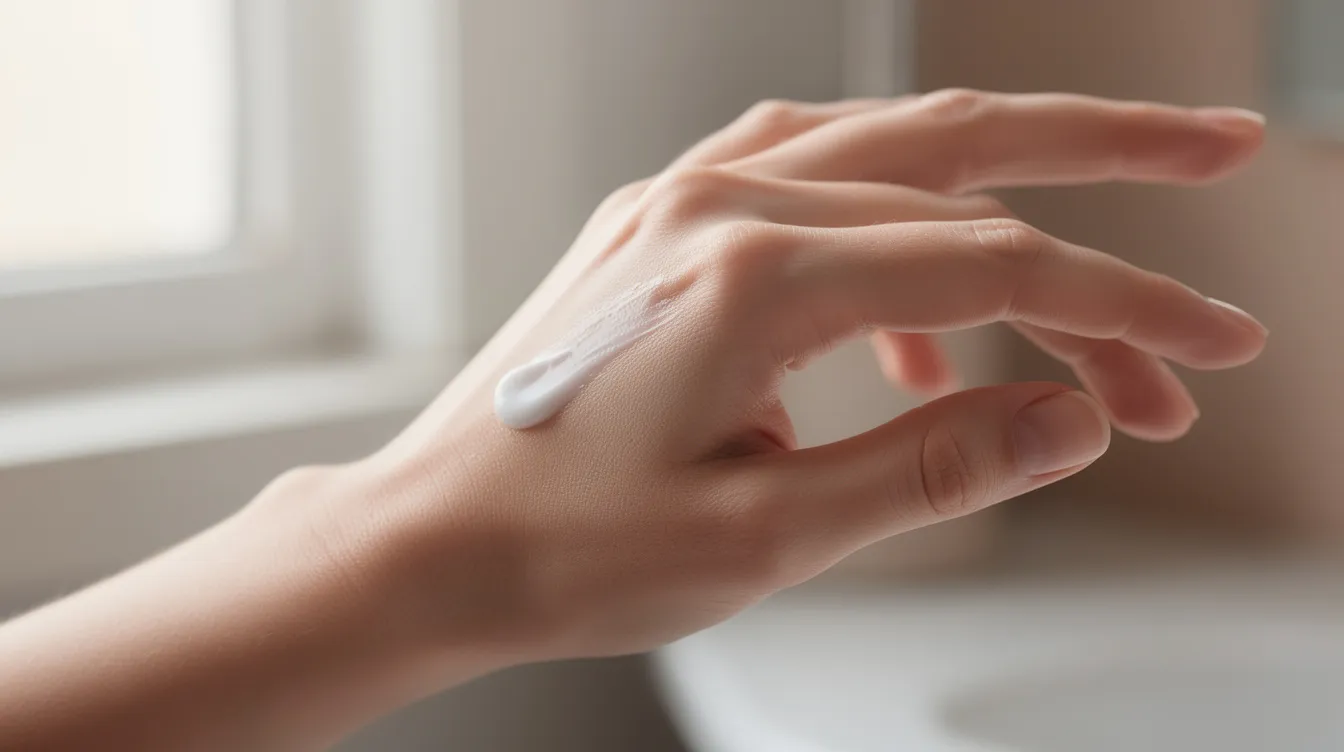
Keep the scar area clean and moisturized
Use silicone gel or silicone sheets when allowed
Avoid sun exposure and follow your surgeon’s recommendations for scar care products
Protecting scars from direct sunlight is crucial, as exposure can lead to hyperpigmentation—use sunscreen and avoid sun exposure for a full year after surgery
Returning to Work, Exercise, and Other Normal Activities
Returning to normal activities too soon is a common reason for delayed healing. General timelines:
Activity | Typical Timeline |
|---|---|
Desk work | 1–2 weeks |
Light household tasks | 1–2 weeks |
Driving | When off prescription pain medication |
Physical labor jobs | 4–6 weeks |
Lower body workouts | 3–4 weeks |
Upper body exercises | 6–8 weeks |
Chest muscles workouts | 8–12 weeks |
Most patients can return to desk jobs within 1 to 2 weeks after breast lift surgery, while those with physically demanding jobs may need 4 to 6 weeks off. Listen to your body and stop any activity causing pulling or sharp pain in the breasts.
Long-Term Breast Lift Results and How to Maintain Them
Breast lift results are long-lasting but not immune to gravity, aging, weight changes, or future pregnancies. Final results are usually visible at 6–12 months once swelling has fully resolved.
To preserve your lifted shape:
Maintain a stable weight
Wear supportive bras, especially during exercise
Avoid smoking
Consider how pregnancy plans may affect results
While many patients enjoy results for 10–15 years, some choose a touch-up surgical procedure later if significant sagging returns. Continue annual breast exams and age-appropriate screening.
When to Contact Your Surgeon During Breast Lift Recovery
Most recoveries are uneventful, but early recognition of issues is vital.
Normal symptoms:
Mild to moderate discomfort improving over days
Gradual improvement in swelling and bruising
Temporary asymmetry
Tightness in chest muscles
Warning signs requiring prompt contact:
Rapidly increasing swelling
Severe or one-sided pain
Bright red bleeding
Fever or foul-smelling drainage from incision sites
Emergency symptoms (call immediately):
Sudden changes in breast color
Extreme firmness
Shortness of breath or chest pain
Always call your surgical team if you’re unsure whether a symptom is normal—it’s always better to ask.
FAQ: Breast Lift Recovery Timeline
How long does initial recovery from a breast lift usually take?
Most patients feel ready to return to light desk work and non-strenuous daily activities within 1–2 weeks after breast lift surgery. While this initial recovery phase lasts about 2–4 weeks, internal healing continues for several months. Final breast lift results, including optimal breast shape and scar appearance, typically take 6–12 months to fully mature.
When can I safely sleep on my side or stomach after a breast lift?
Patients usually need to sleep on their back with the upper body elevated for at least the first 2–3 weeks post surgery. Side sleeping is often allowed around 3–4 weeks using pillows for support if your surgeon agrees. Stomach sleeping is typically delayed until at least 8–12 weeks, once healing incisions and internal tissues are stronger.
Will I lose nipple or breast sensation permanently?
Temporary changes in breast sensation—including numbness, hypersensitivity, or tingling—are common after the breast lift procedure. Most patients experience gradual improvement over 3–6 months, with subtle changes continuing up to 12 months. Permanent loss of sensation is uncommon but possible, depending on anatomy, surgical technique, and amount of lift required.
How long do I need to wear a surgical bra after breast lift surgery?
Most surgeons recommend wearing a surgical bra or compression garment 24/7 for about 4–6 weeks. After this period, many patients transition to a supportive sports bra before returning to regular bras without underwire. Following your surgeon’s specific bra-wear schedule is key to support healing and maintain your breast lift results.
Can I breastfeed after a breast lift, and does it affect recovery?
Many women can still breastfeed after breast lift surgery, but it’s not guaranteed—success depends on surgical technique and preserved ducts. Patients planning future pregnancies or breastfeeding should discuss this during consultation. Becoming pregnant after full recovery doesn’t harm surgical healing but may stretch breast tissues and change long-term results.

-2.jpg?width=2000&height=2000&name=Copy%20of%20YouTube%20Thumbnail%20-%20Life-Changing%20Cosmetic%20Surgery!%20(Document)-2.jpg)


