Breast augmentation recovery is usually measured in weeks, but the final look develops over months. A full recovery after breast augmentation typically takes 6 to 8 weeks, with initial downtime lasting 1 to 2 weeks; final tissue softening can continue for up to 6 months after breast augmentation surgery.
Your breast augmentation recovery timeline depends on implant placement, implant size, incision type, overall health, whether the implant is over or under the pectoral muscle, and how closely you follow your surgeon’s instructions. According to the American Society of Plastic Surgeons, preparation and aftercare are key parts of a safe recovery.

Learn more: Eyelid Surgery at Leva Medical
Before Breast Surgery: Prepare for Breast Augmentation
Before breast surgery, your surgeon will give aftercare instructions and pre-op rules for the surgery date. These often include stopping nicotine, avoiding blood-thinning medications, completing lab work, fasting before general anesthesia, and showering with antibacterial soap.
Although the breast augmentation procedure takes only a few hours in many cases, breast augmentation surgery is an invasive procedure, so preparation matters.
Buy these before your breast augmentation procedure:
Front-close surgical bra or compression bra
Loose button-down shirts
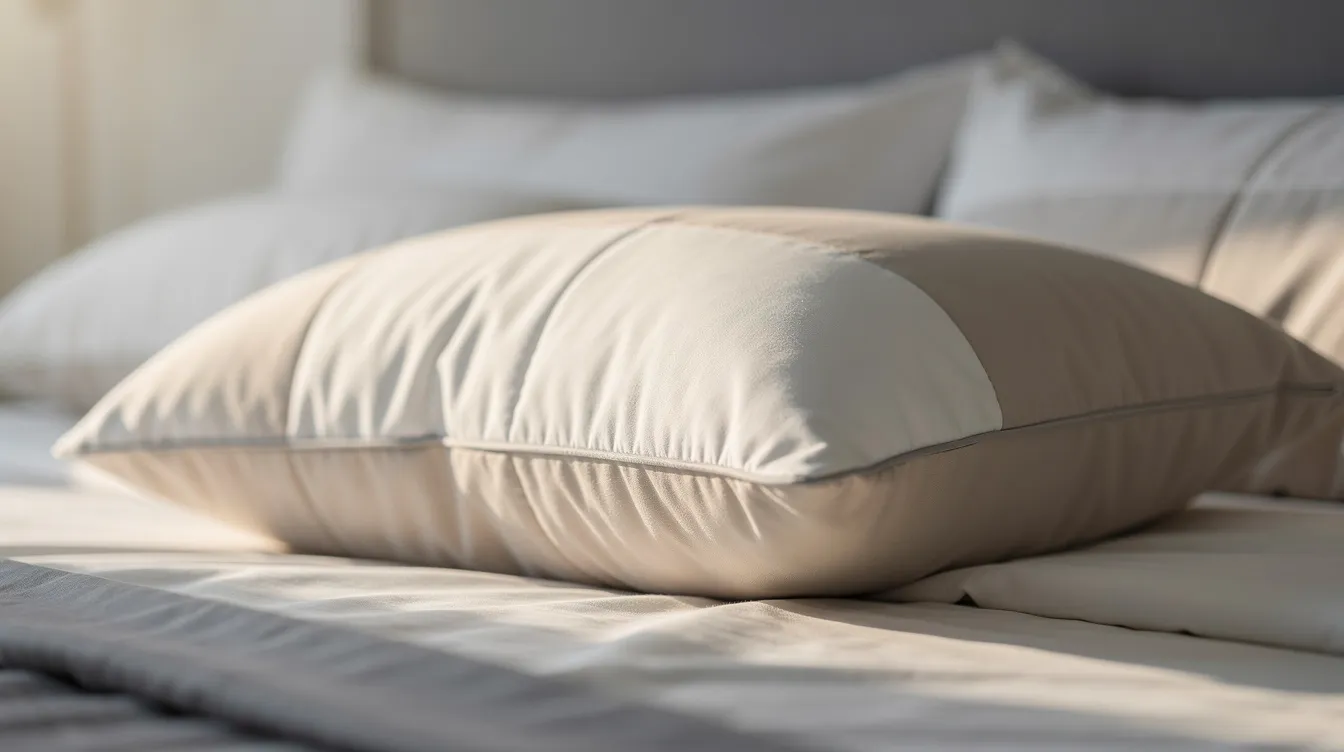
Wedge pillows for elevated sleep
Ice packs or cold compresses to reduce swelling
Stool softener if your surgeon will prescribe pain medication
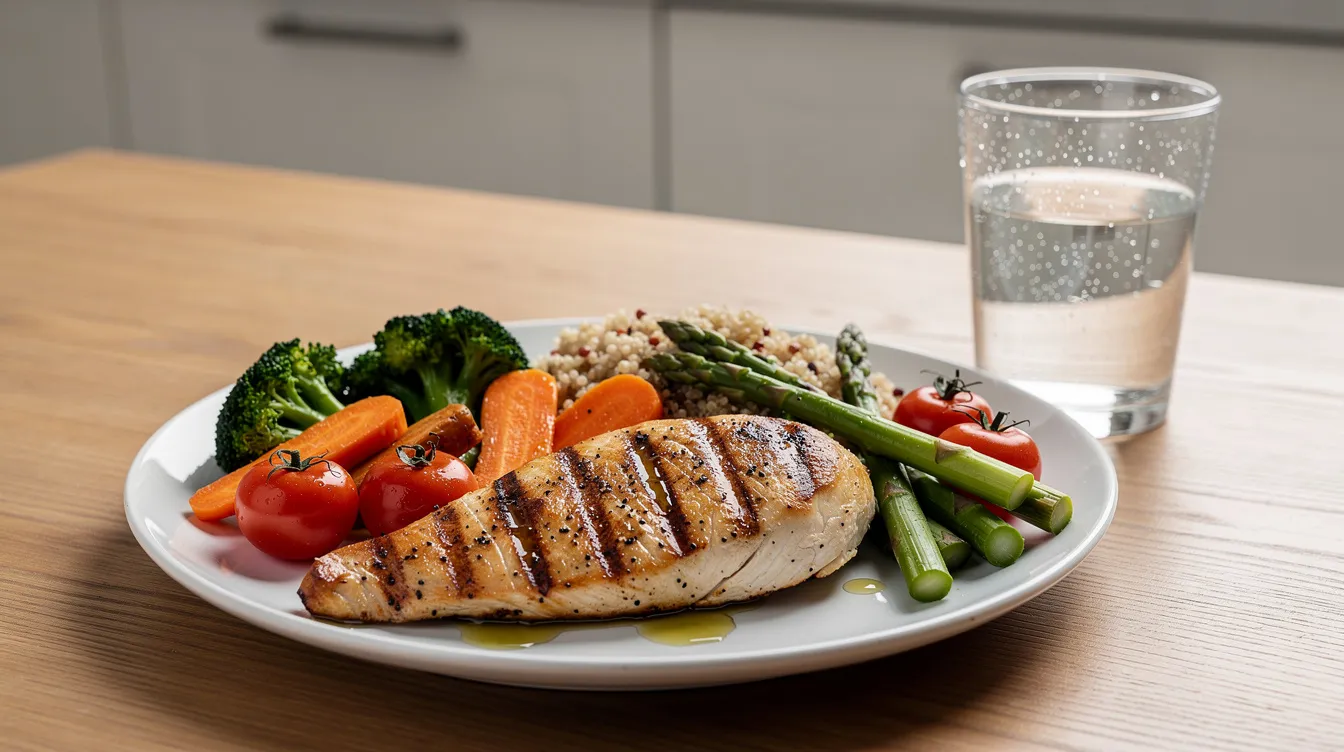
Healthy foods with protein, fruits, vegetables, and low-sodium meals
Gauze or wound supplies if recommended for the incision site
Arrange a driver because anesthesia wears off slowly, and you should not drive yourself home. Also arrange a 24-hour caregiver. The first week following breast augmentation is typically the most challenging, with patients experiencing significant swelling and discomfort, and it is recommended to have assistance for daily tasks during this time.
Day Of Surgery and Immediate Breast Implant Recovery (0–48 hours)
After surgery, you will wake up in a recovery area or PACU, where staff monitor breathing, blood pressure, oxygen levels, pain, nausea, bleeding, and alertness. UPMC’s PACU guidance describes discharge readiness as stable vital signs, controlled pain, minimal nausea, and safe breathing.
Discharge usually requires that you are awake, stable, able to go home with an adult, and understand instructions for dressings, medications, and surgical drains if used.
During the first 24 to 48 hours post-surgery, patients often feel tired and may experience swelling and tightness in the breasts, which is a normal part of the healing process. Symptoms in the first few days after breast augmentation can include significant soreness, chest tightness, fatigue, and grogginess from anesthesia. Common side effects during breast augmentation recovery include swelling, soreness, and tightness in the breasts, which are generally not cause for alarm and will resolve on their own with time.
Gentle, short walks are encouraged soon after surgery to maintain blood circulation and prevent blood clots.
First Week After Breast Implant Surgery
Discomfort, bruising, and swelling typically peak during days 2 to 4 after breast augmentation surgery. Your surgeon may prescribe pain medication for the first few days, then switch you to non-opioid pain medication when appropriate.
Wearing a surgical or compression bra immediately after breast augmentation is vital as it supports the breasts during healing and helps reduce swelling and excess fluid. Patients are advised to wear the surgical bra 24/7 for the first few weeks post-surgery, only removing it for showering, to ensure proper support and minimize swelling.
Sleep on your back with your upper body elevated 30–45 degrees. Avoid side sleeping, stomach sleeping, lifting heavy objects, heavy lifting, strenuous exercise, strenuous activities, and strenuous physical activity. Slow walks are fine; light activities around the house are usually enough.
Most patients can return to sedentary desk jobs and drive within 5 to 7 days if they have full mobility and are no longer taking prescription narcotics. Most patients can return to work or school within 4 to 7 days after surgery, but they should still avoid strenuous activities during the initial recovery period.
A follow up appointment is often scheduled around day 5 to 7 to check the incision site, remove dressings, and confirm that your recovery process is on track.
Days 8–21: Early Augmentation Recovery (Weeks 2–3)
By about two weeks, many patients can do more everyday tasks and light cardio, such as walking or a gentle stationary bike, if cleared. At the two week mark, your breasts begin to look less swollen, but the implants may still sit high.
By weeks two and three, patients can start to see some results from their breast augmentation, although the implants may still sit high on the chest due to tightness in the skin and breast tissue. This is totally normal.
Your surgeon may allow a switch from a surgical bra to an athletic bra, sports bra, or other comfortable sports bras. Avoid underwire bras until you get the green light because pressure can irritate healing incisions.
Call your surgeon for fever, worsening redness, warmth, severe swelling, pus-like drainage, or increasing pain. Signs of infection after breast augmentation can include redness, pus-like drainage, and warmth at the incision site, which require prompt medical attention.
Weeks 4–6: Return to Activity and Implant Placement Effects
The recovery timeline for breast augmentation generally lasts between four to six weeks, with significant improvements in swelling and discomfort typically observed by the end of this period.
Healing milestones vary depending on whether implants are placed over or under the pectoral muscle, with submuscular placement requiring extra time for the muscle to stretch. Submuscular implant placement results in higher initial pain levels and a longer recovery curve compared to other placements like subglandular. Subglandular placement may feel easier early, but it can have different cosmetic tradeoffs.
Exercise usually returns in stages:
Timeframe | Typical activity |
|---|---|
Weeks 2–3 | Walking, lower body movement, gentle stationary bike |
Weeks 4–6 | More normal activities if cleared |
After clearance | Upper body workouts and chest muscles training gradually |
Initially, after breast augmentation surgery, implants may sit high on the chest and feel firm due to muscle tightness and swelling, but they will gradually drop and soften as the body heals. The “drop and fluff” process refers to the natural settling of breast implants into a more natural position on the chest, which typically occurs a few weeks after surgery and can take anywhere from three to six months to complete. During the “drop and fluff” phase, the breast tissue relaxes around the implants, allowing them to settle into a lower, more natural position, which enhances the overall appearance of the breasts.
Once incisions are closed, scar care may begin. Incision scars from breast augmentation surgeries typically change from pink to a faded flesh tone over 6 to 12 months. Silicone sheets, massage, and sun protection may help scar tissue mature more smoothly.
2–3 Months: Midterm Healing and Breast Implant Recovery
At 2–3 months, most swelling has improved, sensation may still be changing, and breast implant recovery feels less restrictive. Numbness, tingling, or hypersensitivity can improve gradually as nerves recover.
After surgeon clearance, many patients resume harder workouts, including upper body exercises. Do not rush chest presses, push-ups, running, or high-impact training.
If you notice pain, distortion, new swelling, or asymmetry, your surgeon may recommend ultrasound or MRI. The FDA advises ongoing monitoring for breast implants, especially silicone implants.
4–12 Months: Final Results and Full Recovery
By 3–6 months, implants settle, swelling is mostly gone, and the breasts usually have a softer, more natural shape. By 6–12 months, scars fade further and final results become clearer.
Routine monitoring may include visits at 1 week, 1 month, 3 months, 6 months, and yearly, depending on your plastic surgery plan. Seek a revision consultation if you have persistent asymmetry, rippling, pain, implant malposition, thick scarring, or dissatisfaction after healing.
Common Complications and When To Contact Your Surgeon
Contact your surgeon quickly for:
Fever, chills, spreading redness, warmth, or pus
Sudden shortness of breath or chest pain
One breast becoming much larger, tighter, or more painful
Bleeding that soaks dressings
Skin color changes
Sudden deflation of a saline implant
Capsular contracture is a potential complication where scar tissue forms around the breast implant, causing discomfort and possible distortion of the breast shape, which may require revision surgery. Symptoms include firmness, pain, tightness, or an implant moving out of position.
For rupture, saline implants often deflate visibly. Silicone rupture may be subtle, with swelling, lumps, pain, or shape change.
Practical Tips To Speed Augmentation Recovery And Optimize Final Results
Proper post-operative care includes following the surgeon’s instructions, which typically involve avoiding strenuous activities, staying hydrated, and maintaining a healthy diet to promote healing.
Helpful habits:
Eat protein-rich healthy foods to help your body heal
Drink water regularly; many patients aim for about 30–35 mL per kg per day unless told otherwise
Use pillows to stay elevated while sleeping
Wear the correct support bra until your surgeon clears changes
Avoid smoking, alcohol excess, and rushing your normal routine
FAQs: Breast Implant Recovery Timeline Quick Answers
When do patients return to work?
Patients return to a desk job in about 5–7 days if off narcotics and mobile; physical jobs may need several weeks.
When can I exercise?
Walking starts early. Light cardio may begin around weeks 2–3. Upper body workouts, heavy lifting, and strenuous exercise usually wait until 4–6 weeks or later with clearance.
Is augmentation with lift different?
Yes. A lift adds more incisions and tissue reshaping, so the recovery period can be longer than breast augmentation alone.
Appendix: Sample Augmentation Recovery Timeline Chart
Stage | Printable checklist |
|---|---|
Day 0–2 | Rest, hydrate, wear surgical bra, take medication, take slow walks |
First week | Sleep elevated, avoid lifting heavy objects, attend follow up appointment |
Weeks 2–3 | Resume light activities, switch to sports bra if cleared |
Weeks 4–6 | Add exercise gradually, start scar care if fully healed |
Months 2–3 | Monitor sensation, increase workouts only with green light |
Months 4–12 | Track final results, scars, implant position, and potential complications |
Timeline graphic: Surgery → 1 week support and swelling control → 2–3 weeks light activity → 4–6 weeks return toward normal activities → 3 months implants settle → 6–12 months final results.
Breast augmentation recovery is not a race. Follow your surgeon’s instructions, protect your incisions, and let each stage of the augmentation recovery timeline build toward a safe recovery and a better long-term result.
Frequently Asked Questions
How long does breast augmentation recovery typically take?
Full recovery typically takes 6 to 8 weeks, with initial downtime lasting 1 to 2 weeks. Final tissue softening can continue for up to 6 months after surgery. Recovery timeline varies based on implant placement, size, incision type, and individual health factors.
What should I do during the first week after breast augmentation surgery?
Wear a surgical or compression bra 24/7 except when showering. Sleep elevated at 30-45 degrees on your back. Take prescribed pain medication as directed. Avoid heavy lifting, strenuous exercise, and side or stomach sleeping. Gentle walks are encouraged to maintain circulation.
When can I return to work or normal activities after breast augmentation?
Most patients return to sedentary desk jobs and driving within 5 to 7 days if they have full mobility and are off prescription pain medication. Return to work or school typically occurs within 4 to 7 days, though strenuous activities should be avoided during initial recovery.
What are normal symptoms during breast augmentation recovery?
Common symptoms include swelling, soreness, tightness, bruising, chest tightness, and fatigue from anesthesia. These typically peak during days 2 to 4 and resolve over time. Discomfort, grogginess, and swelling in the first 24 to 48 hours are normal parts of healing.
What warning signs should prompt me to call my surgeon after breast augmentation?
Contact your surgeon if you experience fever, worsening redness, warmth at the incision site, severe swelling, pus-like drainage, or increasing pain. These signs may indicate infection and require prompt medical attention.

-2.jpg?width=2000&height=2000&name=Copy%20of%20YouTube%20Thumbnail%20-%20Life-Changing%20Cosmetic%20Surgery!%20(Document)-2.jpg)


