If you’re considering a brazilian butt lift, scarring is probably on your mind. Here’s the reassuring reality: brazilian butt lift scars are typically tiny (2–5 mm), strategically placed in hidden areas, and fade significantly over the first 12–24 months.
Quick Answers About Brazilian Butt Lift Scars
Will a BBL leave scars? Yes, but bbl scars are small dots or short lines from liposuction incisions—not from the fat injections themselves. Most become nearly invisible after healing.
Where are BBL scars located? Surgeons place bbl incisions in concealed areas like the belly button, bikini line, flanks, lower back, and natural creases where they stay hidden even in swimwear.
How long until they fade? Expect initial redness for 2–6 weeks, noticeable improvement by 3–6 months, and continued fading for up to 2 years.
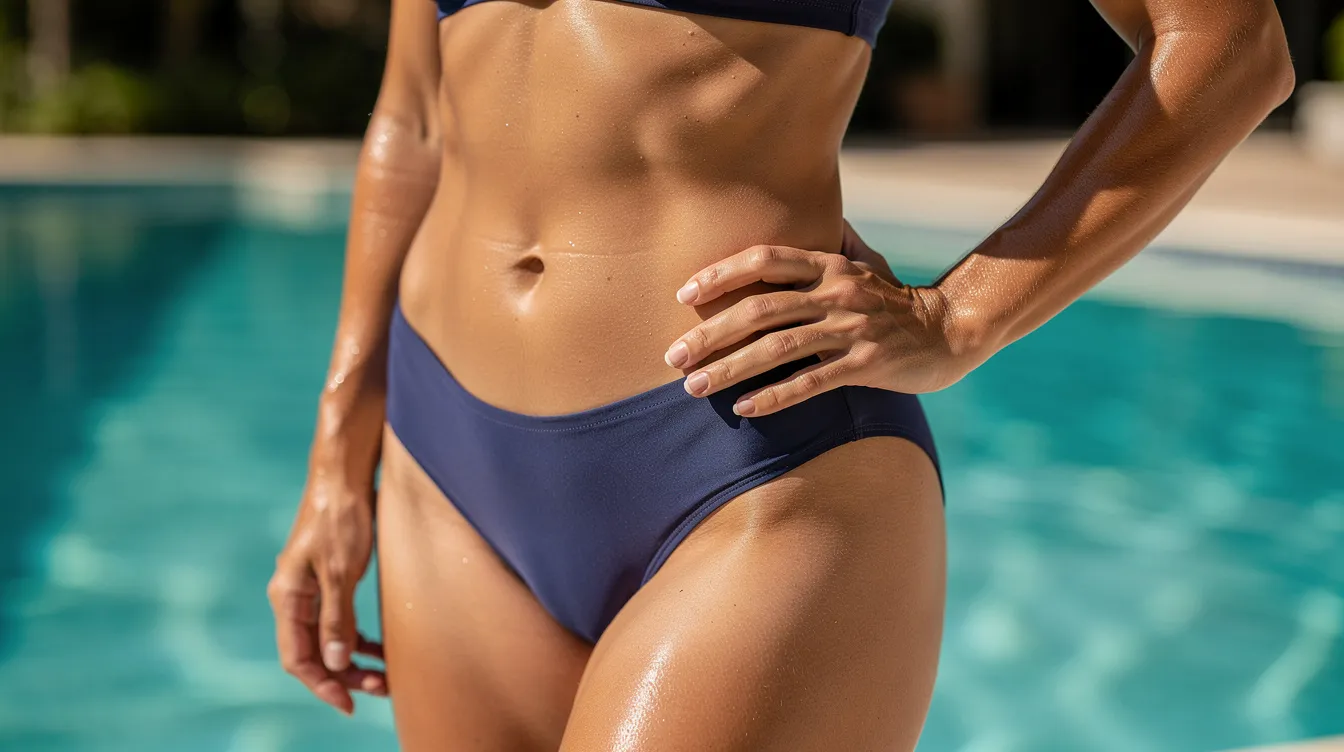
Are they visible in a bikini? For most patients, no. Strategic placement in natural lines and folds keeps them hidden.
Almost all visible scarring from brazilian butt lift surgery comes from liposuction entry points where the cannula removes unwanted fat. The buttocks injection sites heal as imperceptible pinpoints because fat is delivered through blunt cannulas that don’t cut tissue.
How a Brazilian Butt Lift Creates Scars
A brazilian butt lift procedure involves two main steps: liposuction to harvest fat and fat transfer to enhance the buttocks. Understanding this brazilian butt lift technique helps explain where scars originate.
The liposuction portion requires several small incisions (2–5 mm) to insert a cannula that gently removes excess fat from donor sites like the:
Abdomen
Flanks (love handles)
Lower back
Hips
Thighs
These liposuction incisions are the primary source of bbl scars. Once harvested, the fat cells are purified and injected into the buttocks through tiny access points using blunt cannulas or syringes, leaving minimal scarring on the buttocks themselves.
Modern brazilian butt lift bbl techniques prioritize ultra-fine cannulas and precise incision planning. The exact number and position of incisions vary based on your anatomy, fat distribution, and contouring goals determined during consultation.
Typical Locations of Brazilian Butt Lift Scars
Board certified plastic surgeons place bbl incisions in natural creases, folds, and shadowed areas specifically so they’re difficult to detect. Strategic placement means most lift scars remain hidden even in tight clothing or swimwear.
Common liposuction entry sites include:
Donor Area | Typical Incision Location |
|---|---|
Abdomen | Inside/around belly button, bikini line |
Flanks | Natural dimples above buttocks |
Lower back | Beneath bra line (women) |
Inner thigh | High groin crease |
Outer thigh | Under buttock fold |
Buttocks access | Upper buttock crease |
For abdominal fat removal, surgeons typically use 1–3 incisions hidden within the umbilicus or just above the pubic hairline. Lower back and flank liposuction scars are tucked into the natural dimples above the buttocks.
The buttocks rarely have noticeable scarring because fat grafting delivers newly transferred fat cells through small, strategically placed access points that heal as near-invisible marks.
What Brazilian Butt Lift Scars Usually Look Like Over Time
Scar healing follows a predictable maturation process. Early redness is completely normal and temporary—not a sign of problems.
Early Phase (0–6 weeks): Incisions appear as small pink to red dots or short lines. They may feel slightly raised, scabbed, or tender as epithelialization occurs. Initial inflammation typically lasts 2–6 weeks.
Intermediate Phase (6 weeks–6 months): Scars flatten as collagen production remodels the tissue. Color shifts from bright pink/red to lighter pink, tan, or brown. Scar tissue may feel firm to the touch. Most patients notice significant improvement by 3–6 months.
Late Phase (6–24 months): Continued fading, softening, and blending with your natural skin tone occurs. In most patients, scars become difficult to spot unless pointed out. Full maturation can extend beyond 2 years.
Several factors influence your final scar appearance:
Skin tone (darker tones prone to hyperpigmentation)
Genetic tendency toward hypertrophic scars or keloids
Age
Smoking history
Sun exposure during healing
Blood sugar control in diabetics
How to Minimize Brazilian Butt Lift Scars
You can meaningfully improve scar appearance by following a structured aftercare plan. Minimizing scarring requires consistent effort but delivers noticeable results.
First 2 weeks—incision care:
Keep dressings clean and dry
Wash gently with mild soap once surgeon-approved
Avoid picking scabs
Keep incisions clean at all times
Avoid irritants: Skip hydrogen peroxide, alcohol, harsh scrubs, and fragranced creams on fresh incisions. These trigger inflammation and can worsen pigmentation.
Silicone therapy (starting week 2–3): Once incisions heal closed, apply silicone sheets or gels daily for 3–6 months. They hydrate tissue, support collagen production, reduce hypertrophy, and accelerate softening.
Sun protection (6–12 months minimum): UV rays trigger melanin overproduction that darkens scars. Avoid sun exposure on healing incisions. Cover with clothing and apply broad-spectrum SPF 30+ to any exposed areas.
Scar massage (starting week 3–4): Once approved by your surgeon, gentle massage helps flatten firm scars, improves proper circulation, and promotes blood flow to healing tissue.
Lifestyle factors that support optimal wound healing:
Nutritious diet high in protein
Good hydration
No smoking or vaping
Controlled blood sugar
Adequate sleep
If you develop thick, raised, or very dark scars, discuss early scar treatment options like steroid injections, laser treatments, or chemical peels with your surgeon.

BBL Recovery, Compression Garments, and Protecting Fat & Scars
Scar appearance ties directly to overall bbl recovery quality, fat survival, and adherence to post-operative guidelines. Cutting corners affects both your contour results and how incisions heal.
Protect newly transferred fat cells: Avoid direct pressure on the buttocks for 2–4 weeks (sometimes longer). Direct pressure can kill fat cells and create contour irregularities. Use a donut shaped pillow or BBL wedge that shifts weight to your thighs during limited sitting periods.
Wear your compression garments: Properly fitted compression garments (worn 4–8 weeks continuously, then nightly) reduce swelling, stabilize your new contour, and help incisions heal smoothly. A bbl compression garment supports blood supply to healing tissues.
Activity milestones:
Timeline | Activity Level |
|---|---|
Day 0–1 | Short walks |
Week 1–2 | Desk work (modified sitting) |
Week 4–6 | Strenuous exercise |
Overexertion, early heavy workouts, or ignoring garment instructions can worsen swelling and may stretch or darken scars. Non-compliance risks fat necrosis and compromised results.
Keep all follow-up visits so your surgeon can monitor both fat graft survival (typically 60–80% long-term viability) and scar progression.
Frequently Asked Questions About Brazilian Butt Lift Scars
Will a Brazilian Butt Lift leave scars? Yes, tiny scars are inevitable from the surgical procedure. However, most bbl scars are 2–5 mm, flat, and well hidden after maturation. The only scars come from liposuction, not buttock injections.
How long do BBL scars take to fade? Expect noticeable improvement by 3–6 months with further fading through 18–24 months. The healing process varies by individual.
Where are BBL incisions located? Key sites include the belly button, bikini line, flanks, lower back, buttock crease, and groin. Surgeons emphasize discreet placement in natural creases.
Are BBL scars permanent? All scars are permanent marks, but most bbl scars look like what most bbl scars pictures show—so light and small they’re difficult to see without close inspection.
Can my skin tone affect how BBL scars look? Yes. Patients with darker skin tones face higher risks of hyperpigmentation or keloids. Be especially diligent about UV protection and attend all follow-ups.
How long will my BBL results last? With stable weight and healthy habits, your dream body contours can last many years or over a decade. The transfer fat process creates lasting enhancement when enough excess fat survives.
Is brazilian butt lift worth the scarring concern? For most candidates, the contouring benefits—using your own fat to remove excess fat from problem areas while enhancing curves—significantly outweigh minimal scarring. Unlike gluteal implants, the brazilian butt lift work results in smaller, less visible scarring.
When to Seek Help for Problematic BBL Scars
Most patients heal normally following their bbl surgery, but some may develop thicker, darker, or symptomatic scars requiring attention. Early intervention prevents worsening.
Contact your surgeon if you notice:
Scars that remain very red, itchy, or painful after several months
Rapidly growing, lumpy, or expanding scar tissue
Scars significantly darker than surrounding skin
Signs of infection: pus, spreading redness, fever, or loose skin around incisions
Common medical scar revision treatments include:
Steroid injections for keloid/hypertrophic scars
Laser treatments for redness and pigmentation
Prescription-strength topical products
Chemical peels (professionally administered)
Avoid self-treating with unproven home remedies or aggressive peels. These can damage delicate scar tissue and worsen outcomes.
Considering a Brazilian Butt Lift? Next Steps
Brazilian butt lift scars are usually small, strategically hidden, and continue to fade over the first 1–2 years. For most patients, they become difficult to find unless someone knows exactly where to look.
Choosing a board certified plastic surgeon with extensive BBL and liposuction experience is one of the most important factors in minimizing visible scarring. Surgeon skill directly impacts incision size, placement, and how incisions heal.
During your consultation, ask to see real before-and-after photos—including bbl scars pictures—that clearly show incision placement and scar appearance at different healing stages. Discuss your skin type, any history of hypertrophic scars or keloids, and what realistic expectations look like for your anatomy.
For most candidates with enough excess fat for harvesting, the contour improvements and waist-to-hip enhancement from this fat grafting procedure significantly outweigh the presence of a few tiny, well-hidden scars.
Learn more: Body Contouring at Leva Medical

-2.jpg?width=2000&height=2000&name=Copy%20of%20YouTube%20Thumbnail%20-%20Life-Changing%20Cosmetic%20Surgery!%20(Document)-2.jpg)


