Key Takeaways
Typical BBL recovery time for daily activities is about 6–8 weeks, with the bbl healing process and final bbl results settling over 3–6 months.
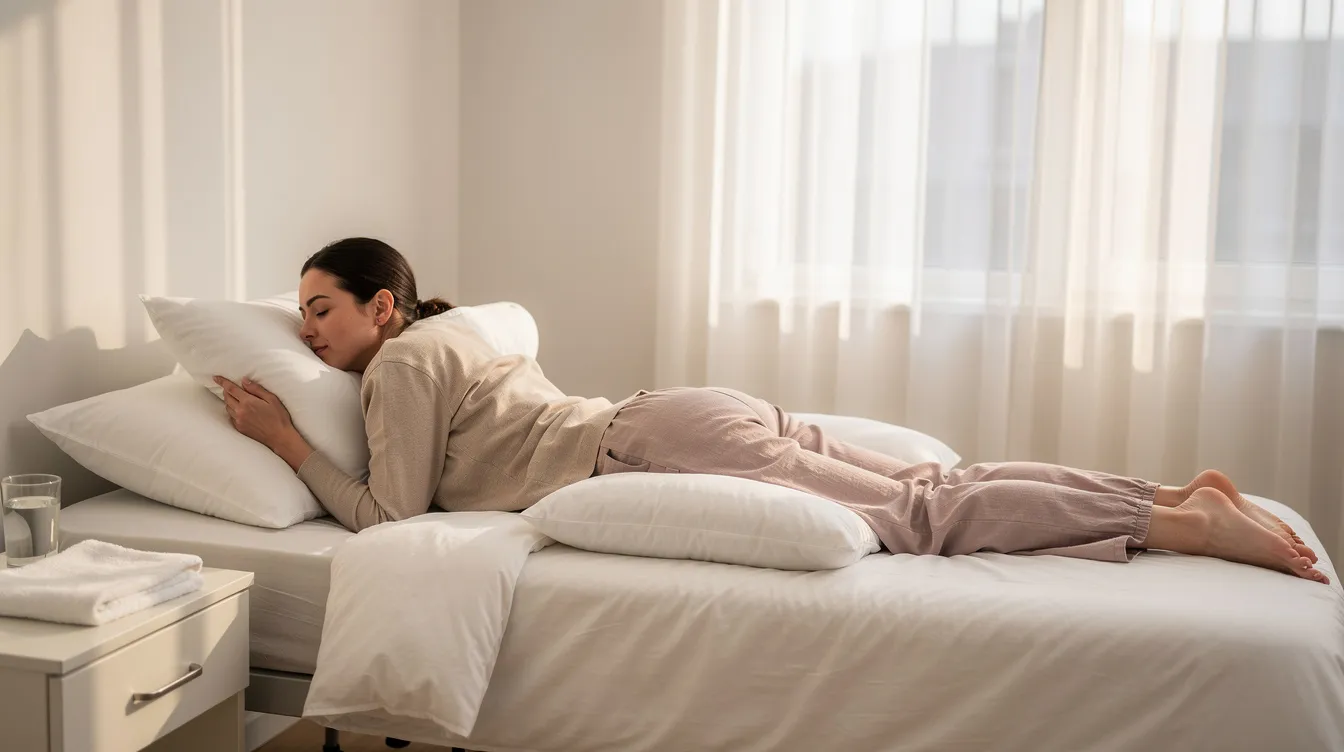
For the first 2 weeks after bbl surgery, patients must avoid sitting directly on the buttocks and should sleep on their stomach or side.
Wearing a medical compression garment around the clock for at least 4–6 weeks is critical to support butt lift recovery and contour.
Sitting directly on the buttocks during the first two weeks can compromise fat survival by up to 30%, making positioning rules essential.
Following your surgeon’s individualized bbl recovery protocol and attending every bbl consultation and follow-up visit is the best way to protect transferred fat cells and your investment.
Introduction: What to Expect After a Brazilian Butt Lift
A brazilian butt lift combines liposuction with fat transfer to reshape your lower body—and recovery is just as important as the surgical procedure itself. This guide focuses on practical, day-by-day and week-by-week butt lift recovery expectations you can actually use.
Recovery from a brazilian butt lift typically takes 6 to 8 weeks for most daily activities, though complete healing can take up to six months. Most patients need 1–2 weeks off work, with final results stabilizing between months 3–6. Individual timelines vary, so final instructions should always come from your own board certified plastic surgeon.
Understanding the Brazilian Butt Lift Procedure
Understanding how a bbl procedure works makes the strict recovery rules—no sitting, compression garments—much easier to follow.
During bbl surgery, fat is harvested from common donor areas including the abdomen, flanks, back, and thighs using liposuction techniques. This harvested fat is then purified fat that gets strategically injected into specific layers of the buttocks, positioned above the gluteal muscle to create shape and enhance the brazilian butt safely.
Typical operating time runs about 3–5 hours. Many patients go home the same day under a caregiver’s supervision. Surgeons often “overfill” slightly because not all transferred fat survives the bbl healing process—this intentional overcorrection accounts for the expected fat cell loss during recovery.
The Biology Behind BBL Healing and Fat Survival
Butt lift recovery rules are grounded in how transplanted fat cells reconnect with blood supply over the first 3–6 months.
Newly transferred fat cells are fragile in the first weeks. They exist in a compromised metabolic state and need steady blood circulation with minimal direct pressure to establish new blood supply connections and survive. This biological reality explains every positioning restriction you’ll follow.
Long-term fat survival typically ranges from 50–70% on average, though refined surgical techniques and careful aftercare can achieve higher rates. The “fluffing” phase occurs between months 3–6, when swelling fades and the buttocks soften and round out into their final shape.
Important: major weight gain or weight loss after recovery will still change the size of your brazilian butt because surviving fat behaves like normal body fat—it expands and contracts with your overall weight.
BBL Recovery Timeline: Day‑by‑Day and Week‑by‑Week
This section walks through the bbl recovery timeline from surgery day through the first 6 months. Main milestones include pain reduction, increased mobility, safe sitting, ability to drive, and returning to work and exercise. All time frames are approximate and must be customized during individual bbl consultation and follow up appointments.
Day of Surgery (Day 0)
Patients emerge from general anesthesia groggy and sore, with dressings on liposuction sites and a compression garment already in place. Common symptoms include soreness, swelling and fluid retention, bruising, drainage from small incisions, and feeling tight around the waist and hips.
You cannot sit directly on the buttocks when leaving the surgery center—you’ll lie on your side or stomach during transport. A responsible adult must stay with you for the first 24 hours to help with pain medication, bathroom trips, and positioning.
Taking short, light walks throughout the day is recommended to improve circulation and prevent blood clots shortly after surgery. Start these assisted walks the same day or next morning.
Days 1–3: The Most Intense Phase
Pain and swelling typically peak during the first 48–72 hours, especially at liposuction donor sites. Patients typically experience significant pain in the first 24 hours post-surgery, often rating it between 6 and 8 out of 10, which decreases noticeably by Day 3. Initial discomfort post-surgery includes significant swelling, bruising, and soreness, especially in the liposuction donor sites.
Your surgeon will prescribe pain medication, antibiotics, and possibly muscle relaxants. Take them as directed to manage discomfort effectively.
Critical rules for Days 1–3:
No sitting or lying on the buttocks
Only stomach or side sleeping with pillow support
Wear compression garments 24 hours a day, seven days a week
Remove garment only briefly for quick showers after about 48 hours if surgeon permits
During the first two weeks post-surgery, patients must avoid sitting directly on their buttocks and should sleep on their stomach or side to protect the newly transferred fat cells. Stay hydrated with 2 to 3 liters of water daily, consume light high-protein meals, and avoid salty foods and alcohol to minimize swelling.
Days 4–7: End of Week One
Pain gradually shifts from sharp to deep soreness or stiffness. By the end of the first week, pain typically decreases to a 4 to 6 out of 10 range, and many patients describe it more as muscular soreness than sharp pain. Numbness is a common side effect in the initial recovery stages after a brazilian butt lift, which usually resolves as healing progresses.
Swelling and bruising remain pronounced around the waist, lower back, and thighs. The buttocks look larger due to swelling and intentional overcorrection—don’t judge your final results yet.
Most patients continue short walks around the house every few hours but avoid heavy lifting and chores. A first follow up appointment usually happens around Day 5–7 to check incisions, remove or assess any drains, and adjust the compression garment if needed. Sitting directly on the brazilian butt is still not allowed; bathrooms require standing or hovering positions.
Week 2: Early Relief but Ongoing Restrictions
Most patients report noticeable pain improvement in Week 2, often transitioning from prescription pain meds to over-the-counter options. Light household tasks and short, gentle walks outside become possible, but strenuous exercise remains off limits.
In Week 2, patients can begin brief sitting periods of 10 to 15 minutes using a bbl pillow, which helps to transfer body weight onto the thighs rather than the buttocks. However, some surgeons prefer full sitting avoidance—always follow your own surgeon’s specific advice.
Patients must still sleep on their stomach or side, avoid back sleeping, and keep the compression garment on at all times. Office-type work from home may be possible in short periods if proper positioning and frequent walking breaks are maintained.
Weeks 3–4: Entering the Active Healing Phase
Most patients feel significantly better by Weeks 3–4, with the majority of sharp pain resolved and energy levels improving. By Weeks 3 and 4, pain is largely resolved for most patients, and sitting tolerance with the bbl pillow increases to 20 to 45 minutes, allowing for a gradual return to normal activities.
Many patients return to light desk work during this period, either at home or in an office, depending on commute and ability to avoid direct buttock pressure. Some surgeons allow light stretching and gentle lower body exercises, but squats, lunges, running, and glute-focused exercises remain prohibited.
The compression garment typically remains on at least 20–24 hours daily, sometimes switching to a second-stage garment with slightly less compression.
Weeks 5–6: Transitioning Back to Normal Routine
By Week 5, most patients tolerate longer periods of sitting with a bbl pillow and may start practicing brief periods without it if their surgeon approves. Swelling typically begins to diminish after a few weeks and most patients can resume normal activities, including sitting, usually by week 6.
Low-impact cardio such as walking on a treadmill, gentle cycling, or light exercises on an elliptical may be introduced around Weeks 5–6. Many patients can drive again at this stage, provided they’re off narcotic pain medication and can position themselves without heavy buttock pressure.
Swelling continues to go down, skin at liposuction sites feels less lumpy, and the overall silhouette starts to look more refined. The compression garment may reduce to 12–16 hours per day, often worn primarily at night.
Weeks 7–8: Late Early Recovery
By about six to eight weeks after a brazilian butt lift, most patients can sit more normally for work and daily activities, though some still prefer cushions for comfort. Light to moderate exercise routines usually resume with medical clearance, but high-impact sports and heavy lifting might still be limited.
The buttocks may appear slightly smaller than in the first weeks as swelling resolves and non-surviving fat is reabsorbed—this is expected and part of the normal recovery process. Any lingering numbness or sensitivity around liposuction sites generally continues improving but may take several weeks to fully normalize.
Higher-intensity glute workouts such as heavy squats or jump training typically wait until the surgeon confirms the bbl healing process is stable.
Months 3–6: Fluffing Phase and Final Results
The “fluffing” phase is when tissue softens, the buttocks feel less tight, and curves become more natural and bouncy. By around 3–4 months, fat survival has largely stabilized, and future changes in volume relate more to overall weight changes than ongoing healing.
Most patients receive clearance for full exercise, including glute training, by this stage, assuming no complications. Compression garments become optional, though some patients choose light shapewear for comfort or added contouring.
Surgeons often schedule final “after” photos and long-term follow up appointments around 6 months to one year after the butt lift procedure to document your final shape.
Essential BBL Recovery Rules: Sitting, Sleeping, and Moving
Proper positioning and movement are key to protecting newly grafted fat and reducing complication risk.
Sitting restrictions:
Sitting directly on the buttocks during the first two weeks after a brazilian butt lift can compromise fat survival by up to 30%
Patients are advised to avoid sitting directly on their buttocks for at least two weeks post-surgery
Use a bbl pillow for several weeks after Week 2, with duration increasing gradually
Sleep positioning:
Sleep positions should be strictly on the stomach or side for the first 2 to 6 weeks post-surgery to protect the newly grafted fat
Use body pillows or wedges to stay comfortable throughout the night
Never sleep on your back during the first 6–8 weeks
Movement guidelines:
Start frequent short walks on Day 1 to promote blood circulation
Avoid long car rides too soon
Never resume heavy workouts before surgeon clearance
Compression Garments, Pillows, and Other Recovery Tools
The right equipment makes bbl recovery safer and more comfortable, especially during the first month.
Compression garments: Compression garments are worn 24 hours a day, seven days a week, for the first few weeks after a brazilian butt lift to minimize swelling and support the healing process. Wearing a compression garment helps reduce fluid retention and discomfort in the areas treated with liposuction during recovery. The compression garment should fit snugly but not be painfully tight, and it is typically modified to avoid applying pressure directly to the treated area.
First-stage garments are very snug, worn through the first 4–6 weeks. Second-stage garments have slightly reduced compression for the following weeks.
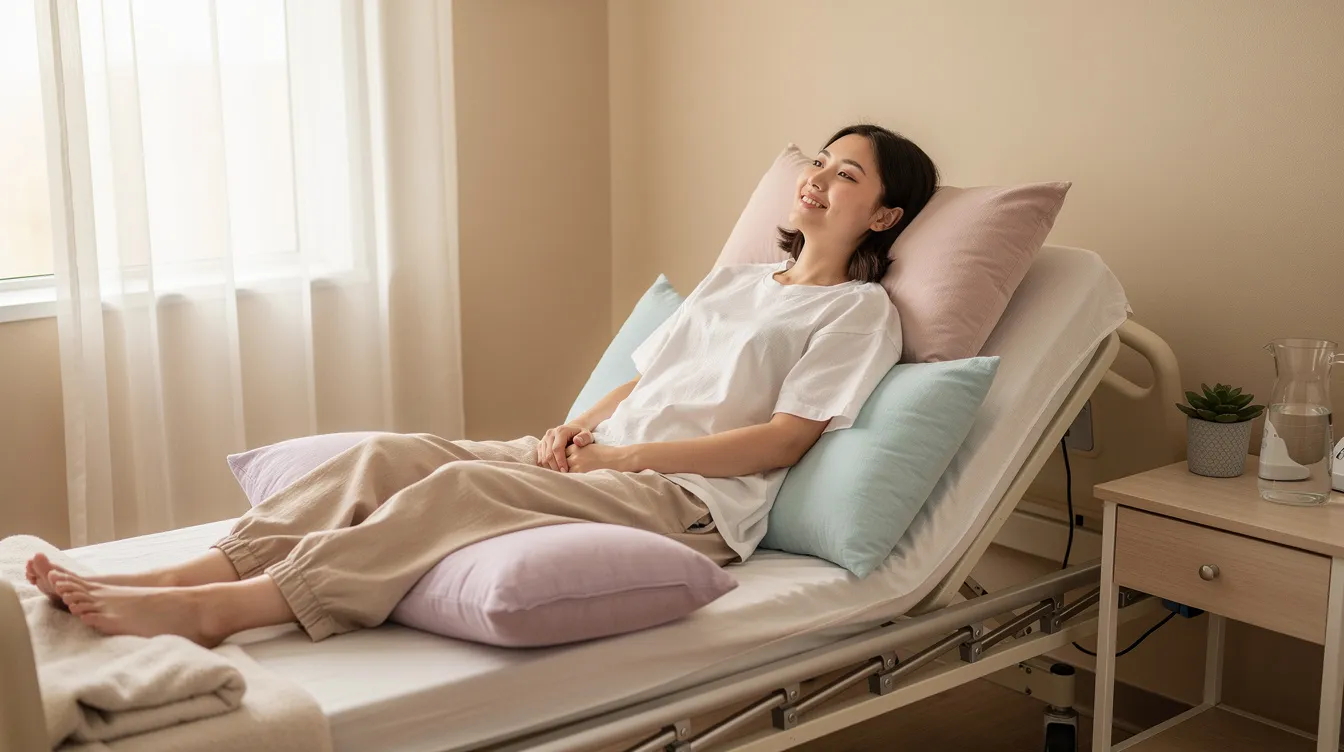
BBL pillow: Using a bbl pillow, which transfers body weight onto the thighs rather than the buttocks, is recommended for brief sitting sessions starting in Week 2 to minimize direct pressure on the treated area.
Other essentials:
Body pillow or wedge for stomach/side sleeping
Loose fitting clothing and easy-on shoes
Front-closing bras if needed
Extra bed linens to handle fluid leakage
Lymphatic drainage massages are often recommended starting in the first or second week post-surgery to reduce fluid buildup and prevent scar tissue. Ask your plastic surgeon about scheduling lymphatic massage sessions.
Nutrition, Hydration, and Lifestyle for Optimal BBL Results
What patients eat and drink—and which habits they avoid—directly influences how well transferred fat survives.
Protein requirements: Protein intake is the most important dietary factor in recovery after a brazilian butt lift, with a target of approximately 1 gram per pound of body weight daily. This supports tissue repair and helps maintain your new shape.
Anti-inflammatory foods: Anti-inflammatory foods such as omega-3-rich fish, leafy greens, berries, and avocados support healing after surgery. Include healthy fats at each meal.
Hydration: Adequate hydration is crucial, with recommendations to drink 2 to 3 liters of water daily to support circulation and healing.
What to avoid: Patients should avoid high-sodium foods, alcohol, and smoking, as these can worsen swelling and negatively impact fat cell survival and overall healing capacity. Avoiding nicotine is essential as it restricts blood flow, potentially killing transferred fat and delaying wound healing. Stop all nicotine products well before surgery and don’t resume afterward.
Maintaining a stable weight after the bbl healing process is complete preserves your long-term shape and contour. Avoid crash diets or large fluctuations in body fat.
Returning to Work, Exercise, and Daily Life
Return-to-normal timing depends on job type, commute, and individual healing speed.
Work return timeline:
Office workers with short commutes: around 2 weeks post-op using a bbl pillow and frequent standing breaks (consider a standing desk)
Jobs requiring lifting, bending, or prolonged standing: 3–4 weeks or more
Plastic surgeons often restrict personal operation of a vehicle for at least 2 weeks after BBL due to the requirement of sitting directly on the buttocks
Exercise progression:
Walking from Day 1
Light cardio by about Week 5
High-impact activities, heavy lifting, and glute-specific workouts should be avoided for at least 6 to 8 weeks post-surgery
Intense workouts and glute exercises after approximately 8–12 weeks with surgeon clearance
Driving usually resumes between Weeks 3–4 once the patient is off narcotics, can sit safely with proper positioning, and can perform emergency braking without pain.
Potential Risks, Warning Signs, and When to Call Your Surgeon
While most brazilian butt lifts heal well, recognizing early signs of complications protects your results and health.
Common but generally harmless symptoms:
Mild asymmetry
Bruising and moderate pain
Temporary numbness
Moderate swelling
Common side effects after a brazilian butt lift include swelling, bruising, and soreness in the buttocks area, which are normal and expected during the recovery process.
Red-flag symptoms requiring immediate contact:
Severe or increasing pain
Sudden swelling on one side
Fever or foul-smelling drainage
Shortness of breath
Calf pain or swelling (possible blood clots)
Possible BBL-specific complications include fat necrosis, contour irregularities, infection, or thromboembolic events. These are uncommon with proper care but require prompt attention if suspected.
Attend every scheduled follow up appointment so your surgeon can detect and manage minor issues before they become major problems.
Planning Your BBL: Consultation, Expectations, and Long‑Term Maintenance
A thorough bbl consultation is the best time to discuss recovery expectations, time off work, and realistic brazilian butt lift results.
Questions to ask at consultation:
What is my specific bbl recovery timeline based on my health?
What are my personal risk factors?
Am I a good candidate based on current weight and good physical health?
How do my goals compare to realistic final results?
Be honest about smoking, medications, and past surgeries so your plastic surgeon can tailor the butt lift procedure and recovery plan safely. Your honesty directly impacts your outcomes.
Maintaining results long-term:
Keep a stable weight
Exercise regularly once cleared
Avoid crash diets or large fluctuations
Some patients also explore complementary procedures like breast augmentation or excess fat removal from other areas. Others prefer butt implants as an alternative to fat grafting. Discuss all options during your consultation.
Ready to begin your journey? Schedule a personalized bbl consultation to review your goals, assess your candidacy, and create a custom bbl healing process plan tailored to your body and lifestyle.
Frequently Asked Questions About Brazilian Butt Lift Recovery
How long does it really take to see final BBL results?
Noticeable changes are visible immediately but are distorted by swelling and overcorrection. Most patients see a more accurate shape by 3 months. Subtle refinements in contour and softness can continue up to six months or even 12 months after brazilian butt lift surgery. Early fullness may decrease slightly as swelling and non-surviving new fat cells resolve—this is part of the normal bbl healing process and not a sign of failure.
Can I travel by plane after a Brazilian Butt Lift?
Short flights may be possible after about 2–3 weeks, and longer flights usually after 4–6 weeks, depending on surgeon approval. Use a bbl pillow on the plane, walk the aisle regularly, wear loose fitting clothing, and stay hydrated to reduce clot risk. Always confirm exact timing with your own surgeon before booking any post-op travel.
What happens if I accidentally sit on my butt too soon?
A brief accidental sit is common and usually not catastrophic. However, repeated or prolonged direct pressure in the first 2–3 weeks can reduce fat survival significantly. Call your surgeon for guidance if you spend significant time sitting or feel new pain or firmness afterward. Immediately return to proper positioning and use the bbl pillow consistently after any slip-ups.
Will I need a second BBL or touch‑up procedure?
Some bbl patients choose a revision or small touch-up once their initial bbl results have stabilized, especially if they desire more volume or contour refinement. Decisions about additional brazilian butt lift procedures are usually made at least 6–12 months after the first surgery, once swelling and fat survival are completely healed and fully settled. Discuss long-term goals and realistic limits of a single plastic surgery procedure during your consultations.
Is BBL recovery different if I combine it with other procedures?
Combining bbl surgery with procedures like tummy tuck, breast augmentation, or mommy makeover can lengthen the entire process of overall recovery and increase fatigue. Activity restrictions may be stricter, and patients begin needing more help at home in the first 2 weeks. Ask your plastic surgeon for a combined-procedure recovery plan that addresses each operation, the overall healing timeline, and how to manage discomfort across multiple surgical sites. Results from combined procedures, as documented in publications like the aesthetic surgery journal, show excellent outcomes when recovery protocols are properly followed.
Learn more: Body Contouring at Leva Medical

-2.jpg?width=2000&height=2000&name=Copy%20of%20YouTube%20Thumbnail%20-%20Life-Changing%20Cosmetic%20Surgery!%20(Document)-2.jpg)


