If you're researching brachioplasty before and after results, you likely want to know what realistic arm lift outcomes look like, how long recovery takes, and whether the trade-off with scars is worth it. Brachioplasty addresses loose skin caused by aging or major weight loss, and the transformation can be substantial. This guide walks you through how to assess before and after photos, what the recovery timeline looks like, and what to expect at every stage from the operating table to your final results.
Overview Of Brachioplasty Surgery And Arm Lift Results
Brachioplasty, commonly referred to as an arm lift, is a surgical procedure that removes excess skin and fat from the upper arms to restore a more proportional, toned contour. The name derives from the Greek "brachion" (arm) and "plastós" (moulded), and the surgery is indicated when skin laxity persists despite diet, exercise, or non-surgical treatments.
The primary goals of the procedure include:
Eliminating redundant, sagging skin on the upper arms (often called "bat wings")
Reducing excess fat deposits to improve arm shape and thickness
Relieving functional issues such as chafing, skin irritation, and impeded hygiene
Restoring a more youthful, proportional appearance from armpit to elbow
Typical patient scenarios include massive weight loss patients (especially post-bariatric surgery), aging individuals with declining skin elasticity, and post-pregnancy patients with hormonal or mechanical skin stretching. It is important to note that brachioplasty is not primarily a weight loss procedure. Ideal candidates have significant upper arm skin laxity that cannot be addressed through lifestyle changes alone.
What Arm Lift Surgery Achieves
The core function of arm lift surgery is the removal of excess skin through dermal and subcutaneous excision. Depending on severity, incisions may be limited (near the armpit area), standard (along the inner arm to the elbow), or extended (onto the lateral chest wall).
Beyond skin removal, the procedure creates a contoured appearance by redraping and tightening remaining tissues. Brachioplasty reduces arm circumference significantly after surgery, and in one study, 84.6% of patients dropped at least two clothing sizes. Arm lift surgery produces immediate visible improvements in arm shape, though final contour continues to refine over months.
When the concern is primarily excess fat rather than loose skin, liposuction may be more appropriate. However, many surgeons combine liposuction with brachioplasty to optimize contour. In massive weight loss patients, liposuction-assisted techniques have been shown to reduce hypertrophic scarring incidence and improve satisfaction compared to standard approaches.
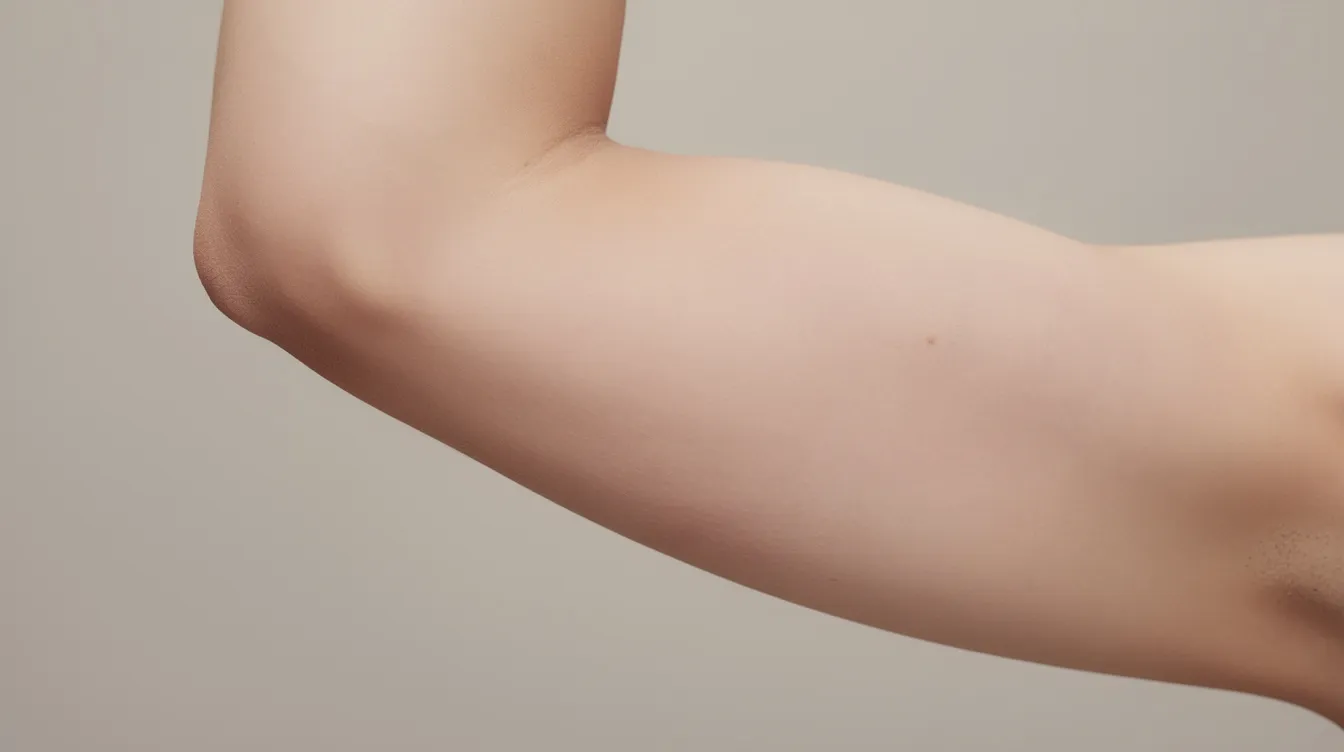
Assessing Before And After Photos For Upper Arms
Evaluating brachioplasty before and after photos requires a careful eye. Not all galleries are created equal, and the way images are captured can exaggerate or understate actual results.
When reviewing photos, look for standardized setups: front view, side view, and ideally a three-quarter angle, all under consistent lighting. Before photos of brachioplasty patients typically show loose or hanging skin on the upper arms, while after photos typically show a smooth and well-defined upper arm contour. The amount of loose skin and initial patient condition affects the degree of brachioplasty results, so keep that context in mind.
Make sure galleries include both arm-at-rest and raised poses. A raised arm reveals how excess skin behaves dynamically, showing folds, sagging, and fullness that resting poses may hide.
Photo Quality Checklist
High-quality brachioplasty photos should meet these standards:
High-resolution, color-accurate images where skin texture and fine details are visible
A neutral background (white or gray) without visual distractions
No heavy filters or digital retouching that could mask residual imperfections or scars
Minimal shadows and consistent color temperature across the before and after set
Check For Consistent Angles And Positioning
To conduct a fair comparison, camera distance and height must match between before and after photos. Identical arm orientation is essential: straight elbow versus flexed, palm inward versus outward. Even slight differences in body alignment or lighting can misleadingly transform the perceived outcome.
Evaluate Skin Quality In Photos
Look beyond shape to assess skin texture and elasticity. Crepey or parchment-paper quality, stretch marks, and discoloration should be visible in honest photos. Residual wrinkling or crepe skin may persist, especially in massive weight loss patients, and good galleries don't hide these realities. Document any visible scarring, noting whether wound edges appear flat, raised, or discolored.
Typical Transformations And Final Results After Arm Lift
The visible improvement after brachioplasty is often dramatic. Most patients experience:
Outcome | What to Expect |
|---|---|
Arm circumference | Substantial reduction; many patients drop multiple clothing sizes |
"Bat wing" skin | Eliminated; hanging excess skin removed from armpit to elbow |
Arm proportions | Better transition from shoulder to wrist; more defined profile |
Symmetry | Improved balance between both arms |
Confidence | Patients report improved confidence wearing sleeveless clothing |
Patients often eliminate the "bat wing" appearance post-surgery, and the contour improvements are visible even in the early postoperative period. Final results of brachioplasty develop over three to six months as swelling resolves and tissues settle into their new position.
Visualising Final Results
The best before and after galleries show staged timelines: preoperative images, early postoperative shots (one to two weeks), mid-recovery (one to three months), and long-term results (six to twelve months or more). This progression helps you understand how bruising, swelling, and scar evolution look at each checkpoint.
Annotating photos with procedure type (mini versus standard versus extended), date of surgery, and any adjunctive treatments like liposuction adds transparency and helps you compare examples relevant to your body and goals.

Recovery Timeline To Final Results After Brachioplasty Surgery
Recovery from brachioplasty typically involves managing swelling and restrictions for several weeks. Here is a general schedule of what to expect:
Immediate post-op (first 72 hours): Initial swelling and bruising after brachioplasty peak within the first week. Compression garments are often required during recovery to support healing and minimize fluid accumulation. Swelling during brachioplasty recovery can sometimes extend into the hands and fingers. Many patients are discharged the same day.
First two weeks: Patients must avoid heavy lifting and strenuous arm movements during recovery. Wound checks, dressing changes, and possible drain management are part of this phase. Temporary numbness or tingling is a common side effect following brachioplasty. Most patients recover in two to three weeks, meaning they can return to light daily activities, though navigating public transit after brachioplasty may present practical challenges during this window.
Checkpoints:
At one month, swelling begins to moderate, scars appear red or pink, and some contour improvement is visible
At three months, further swelling resolution; scar edges start flattening; arm shape becomes more defined
At six months, near-final results for most patients; scars lighter and less raised; tissues fully settled
When To Expect Final Results
Most patients reach final results by six months, though scar maturation may continue for twelve months or longer. Initial improvements are visible immediately after surgery, and swelling subsides gradually during the recovery period. The rest of the transformation unfolds as tissues remodel and scars mature. Full recovery from both an aesthetic and functional standpoint aligns closely with the six-month mark, at which point most patients can resume all physical activities without restriction.
Scars And Skin Quality After Arm Lift
The presence of scars after brachioplasty is expected, and they are typically placed for concealment along the inner arm. Incisions typically run from armpit to elbow on the inner arm, positioned within the medial brachial sulcus so they're hidden when arms rest naturally at the sides. Alternative placement options include posterior incisions or L-shaped extensions onto the chest wall for extended cases.
Scars from brachioplasty may appear pink or raised shortly after surgery. The healing process can take months, with scars maturing and fading over time according to this general timeline:
Weeks 1–12: Red, raised, possibly itchy or thick
Months 3–6: Gradual fading, flattening, and softening
Months 6–18: Continued evolution toward final pigmentation and pliability
Arm lift scars improve significantly over twelve to eighteen months. Proper scar care includes silicone products (sheets or gels), consistent sun protection to prevent hyperpigmentation, gentle massage, and avoidance of tension on the incision. With this approach, scars can become inconspicuous with proper management, though genetics and skin type play a role.
Candidate Considerations For Arm Lift Surgery
Ideal candidates for arm lift surgery share several features:
Stable weight maintained for at least six to twelve months
Good overall health with no uncontrolled diabetes, vascular disease, or immune disorders
Nonsmoker status (smoking impairs healing and worsens scar quality)
Realistic expectations about scarring, residual skin texture, and recovery
Candidates should maintain a stable weight before surgery, as fluctuations can compromise results and create new laxity. Older patients often benefit from brachioplasty due to age-related skin laxity from declining collagen and elastin. Factors that worsen skin quality and increase complication risk include high BMI (30 kg/m² or above), history of smoking, prior surgeries, and massive weight loss with severe collagen damage. Studies show that male patients also face higher rates of certain complications like hematoma.
Choosing Cases For A Before And After Gallery
When building or reviewing a brachioplasty before and after gallery, select patients with similar starting anatomy to create meaningful comparisons. Prioritise varied skin quality examples: include patients with different ages, BMIs, and degrees of prior weight loss.
A useful gallery should feature:
Mini arm lift cases (limited laxity near the armpit)
Traditional brachioplasty cases (full inner-arm incision)
Extended cases with chest wall involvement
Liposuction-assisted examples for comparison
This range of examples helps prospective patients find a case that mirrors their own body and set realistic expectations.
Consultation And Planning For Brachioplasty Surgery
A thorough consultation is crucial for successful outcomes. During this visit, expect the surgeon to:
Document preoperative measurements including arm circumference, skin ptosis distance, and BMI
Discuss incision options (medial, posterior, L-shape, or extended) and the trade-off between scar length and degree of correction
Evaluate the ratio of fat versus skin excess to determine whether liposuction, excision, or a combined approach is appropriate
Review anaesthesia plans (typically general anaesthesia or regional with sedation)
Confirm facility accreditation and postoperative care protocols
Use this consultation to discuss your specific goals, ask to see before and after photos relevant to your anatomy, and understand exactly what the procedure can and cannot achieve.
Maintaining Final Results For Your Upper Arms
Protecting your results long-term requires deliberate effort:
Weight stability: Maintaining a stable weight is the single most important factor. Significant weight gain or loss can stretch new skin and compromise your contour.
Skin care and sun protection: Regular moisturizing and SPF application on scars and surrounding skin helps preserve skin quality and prevent hyperpigmentation.
Follow-up appointments: Schedule annual check-ins with your surgeon, especially in the first two years, to monitor scar evolution and address any emerging issues.
Common Patient Questions To Answer In Copy
How long does scarring last? Scars continue to mature for twelve to eighteen months. In the initial weeks they appear red and raised, then progressively flatten and fade. In some massive weight loss patients, scars may remain wider or more noticeable long term, but consistent scar care significantly improves outcomes.
Can men get arm lift surgery? Yes. While studies show that male patients have a slightly higher risk for hematoma and may experience greater scar visibility, men are absolutely candidates for brachioplasty. Research on post-bariatric body contouring routinely includes male patients.
What's the difference between a mini and full arm lift? A mini arm lift uses a limited incision near the armpit to address mild skin excess. It produces a shorter scar and a less dramatic change. A traditional brachioplasty involves an incision from the armpit to the elbow, removes more skin, and delivers more significant reshaping. Extended versions continue the incision onto the chest wall. The right choice depends on the degree of laxity and your aesthetic goals.

Understanding brachioplasty before and after results comes down to realistic expectations about scars, recovery timelines, and the gradual nature of final outcomes. The transformation is real and often life-changing, but it unfolds over months rather than days. If you're considering this procedure, invite a board-certified plastic surgeon to evaluate your anatomy, review relevant before and after cases together, and create a surgical plan tailored to your body and goals.
Frequently Asked Questions
What does brachioplasty surgery remove?
Brachioplasty removes excess skin and fat from the upper arms to improve contour and shape. The procedure addresses loose skin that persists despite diet and exercise, restoring a more proportional appearance from armpit to elbow.
How much arm circumference reduction can be expected?
Brachioplasty produces substantial arm circumference reduction. One study showed 84.6% of patients dropped at least two clothing sizes after the procedure, though individual results vary based on initial condition.
When do final results from arm lift surgery appear?
Immediate visible improvements in arm shape occur after surgery, but final contour continues to refine over three to six months as swelling resolves and tissues settle into their new position.
What should I look for when reviewing before and after photos?
Look for standardized high-resolution photos with consistent lighting, angles, and positioning. Photos should show front, side, and three-quarter views with arms both at rest and raised to reveal skin behavior accurately.
Is brachioplasty appropriate if I have primarily excess fat rather than loose skin?
When excess fat is the primary concern rather than loose skin, liposuction may be more appropriate. However, many surgeons combine liposuction with brachioplasty to optimize arm contour.
Learn more: Body Contouring at Leva Medical
-2.jpg?width=2000&height=2000&name=Copy%20of%20YouTube%20Thumbnail%20-%20Life-Changing%20Cosmetic%20Surgery!%20(Document)-2.jpg)


