Stubborn bra fat that won't budge despite your hard work is one of the most common body contouring concerns. Whether it spills over your bra band, bunches around your shoulder blades, or creates visible rolls under fitted clothing, bra line fat can feel impossible to address on your own. This guide walks through every treatment option-from non-surgical fat reduction to surgical procedures-so you can make an informed decision.
What Is Bra Line Fat?
Bra line fat refers to stubborn fat deposits around the upper back and sides of the torso, particularly in areas compressed by bra straps and bands. You'll often hear it described as a bra bulge (the lateral spillover on the sides) or a bra roll (the horizontal fold running across the mid-to-upper back).
Bra bulge fat is subcutaneous fat beneath the skin, sitting on top of deeper muscle layers. It's distinct from loose skin, which feels crepey, hangs in folds, and doesn't snap back when stretched. Many people have a combination of both.
Genetics significantly influence bra bulge fat distribution. This means your body may store fat along the bra line regardless of how lean you are elsewhere. Bra bulge fat can occur even at a healthy weight.
What Causes Bra Roll Fat?
Several factors drive fat accumulation along the bra line:
Genetics determine where your body tends to store fat. Some people are predisposed to carry excess fat in the upper back and flanks.
Weight changes increase subcutaneous fat overall, and bra roll fat often proves resistant to general weight loss.
Aging reduces collagen and elastin in the skin, making even modest fatty deposits more visible. Age-related skin elasticity loss contributes to bra bulge fat.
Hormones like estrogen, cortisol, and insulin influence fat distribution. Post-menopause, many women notice increased fat around the back and midsection.
Skin laxity can worsen after significant weight loss, leaving loose tissue and visible rolls even when overall body fat is low.
Can a Better-Fitting Bra Reduce a Bra Bulge?
An ill-fitting bra can make bra bulge fat more visible. A bra band that's too tight pushes skin and fat upward, creating or exaggerating rolls. Narrow bra strap designs compress tissue at specific points, making the bra bulge area look worse than it is.
A professional bra fit with a wider band, supportive straps, and smoothing back panels can dramatically improve the appearance of your upper body in clothing. However, a better fitting bra changes how fat looks-it doesn't remove it.
Can Diet and Exercise Remove Bra Line Fat?
Spot reduction-burning fat from one specific area through targeted exercise-is not supported by research. Fat loss happens systemically through a calorie deficit created by a proper diet and regular exercise.
That said, strength training targeting back muscles (latissimus dorsi, rhomboids, rear deltoids) can improve posture and muscle definition, making back fat less prominent. Dietary adjustments that support a lower weight and stable body composition help too.
Body contouring is not a substitute for weight management. Patients who keep a stable weight after liposuction tend to keep their contour improvement longer. Diet and exercise remain foundational.
Is It Bra Fat, Loose Skin, or Both?
Providers assess tissue composition through visual inspection, palpation, and sometimes ultrasound imaging. Here's what they look for:
Sign | Localized Fat | Excess Skin |
|---|---|---|
Texture | Soft, pinchable | Crepey, thin |
Behavior | Bulges outward | Hangs, folds |
Recoil | Skin snaps back | Poor recoil |
Treatment | Fat removal | Skin excision |
Skin laxity can influence the choice of treatment for bra line fat. If skin quality is good and elastic skin remains, fat removal alone may suffice. If moderate skin laxity or severe looseness is present, energy-based tightening or surgical excision becomes necessary.
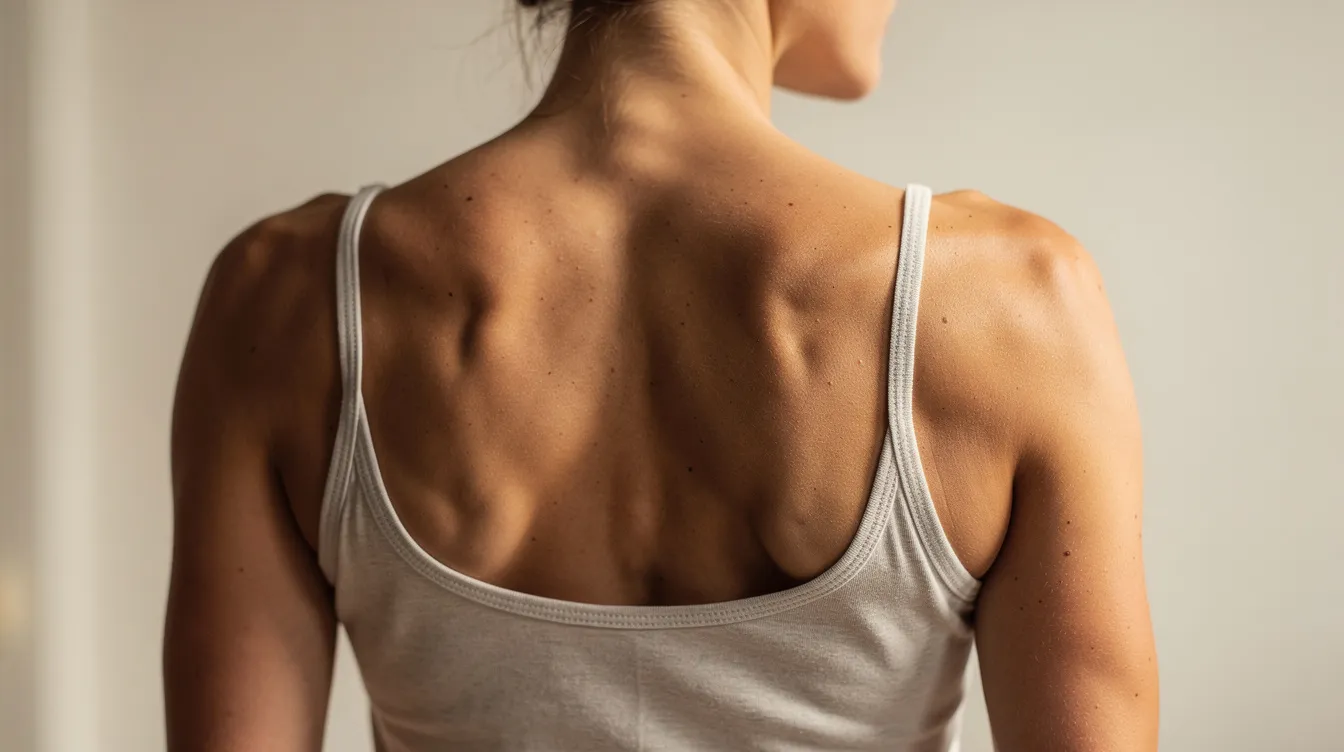
Non-Surgical Bra Line Fat Removal Options
When fat pockets are modest and skin still has good elasticity, non-surgical cosmetic treatment options can deliver meaningful improvement. These include radiofrequency, ultrasound-based devices, and injectable lipolysis, which involves using deoxycholic acid to dissolve fat cells.
Non-surgical treatments usually involve less downtime than surgery. However, results from non-surgical treatments may take longer to develop compared to surgery-typically weeks to months. The effectiveness of non-surgical treatments varies based on the device and technique used, and patients may require multiple sessions for noticeable results with non-surgical options.
Energy-Based Treatments for Bra Rolls
Radiofrequency body contouring uses heat energy to target tissue beneath the skin, stimulating collagen production and modest fat reduction. Devices like microneedling RF can address both stubborn fat and mild skin laxity. Argo Plasma tightens skin without full surgical excision, making it useful for patients with moderate skin laxity who want to avoid a full back lift.
Improvement is gradual. Most patients notice changes over weeks to months. Energy-based treatments cannot remove significant excess skin-they work best when laxity is mild to moderate.
Liposuction for Bra Roll Fat
Liposuction gives long-lasting reduction of stubborn bra fat by physically removing fat cells through small incisions. Surgical treatments physically remove fat cells in a single session, providing more immediate and dramatic results than non-surgical alternatives.
Liposuction is best for patients with good skin elasticity, where the skin can retract smoothly after fat is removed. Candidates for liposuction should be near their ideal weight. Tiny incisions are placed strategically-often in natural creases or beneath the bra band-so scars are hidden along the bra line. The surgeon uses controlled cannula movements across the entire bra line to create a smoother contour rather than isolated divots.
Liposuction is effective if skin elasticity is good, but it does not tighten severely loose skin.
Liposuction can be combined with skin-tightening treatments for better results when there is moderate skin laxity.
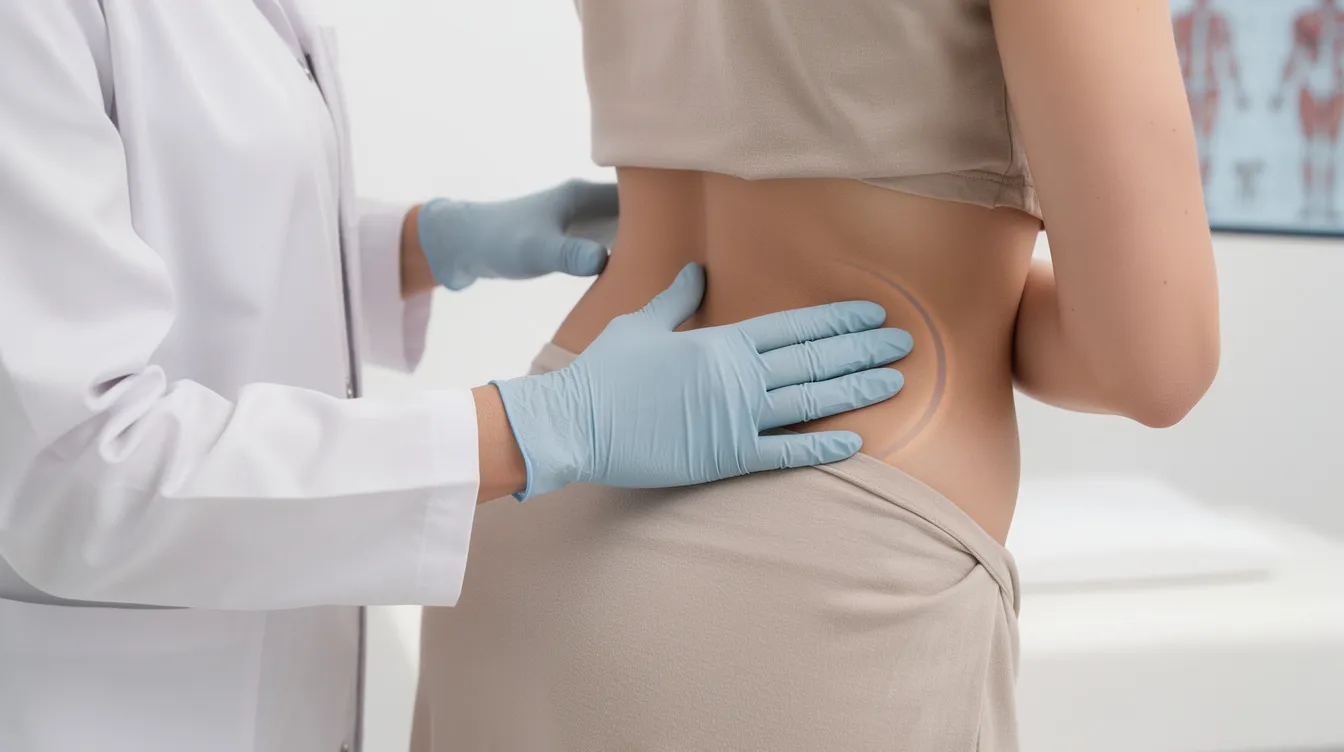
VASER and Power-Assisted Liposuction
The upper back often contains denser, more fibrous tissue than other areas. VASER liposuction uses ultrasonic energy for denser tissue, emulsifying fat before removal for smoother results. Power-assisted liposuction improves efficiency and reduces operative time.
No single technique is universally superior. An experienced surgeon will recommend the approach that matches your tissue quality. During your consultation, ask which method they prefer for the bra bulge area and why.
Bra Line Back Lift for Loose Skin
When the primary concern is loose skin rather than residual fat, a bra line back lift removes excess skin and fat surgically. Loose skin requires surgical excision rather than fat removal alone.
A bra line back lift is best for loose, hanging skin-common after significant weight loss. The incision runs horizontally beneath the bra band, so the resulting scar is hidden under most bras and clothing. Surgeons often combine the back lift with liposuction to remove remaining fat and achieve a smoother silhouette.
Suitable candidates include those who have achieved a stable weight after a weight loss procedure or major lifestyle change but are left with skin that no longer retracts on its own.
Choosing the Right Bra Line Fat Removal Treatment
The type of procedure recommended depends on fat volume, skin elasticity, and downtime tolerance. Skin elasticity affects the choice of treatment for bra bulge. Here's a simplified comparison:
Concern | Recommended Approach |
|---|---|
Localized fat, elastic skin | Liposuction or non-surgical fat reduction |
Fat + moderate skin laxity | Liposuction + energy-based tightening (Argo Plasma can tighten skin without full surgical excision) |
Severe loose skin | Bra line back lift (possibly combined with liposuction) |
Discuss your personal goals during the consultation. Avoid choosing a surgical procedure based on photographs alone-images rarely convey skin quality, tissue thickness, or individual anatomy.
Preparing for Treatment
Start with an in-person consultation, where your fat, skin quality, and goals can be assessed before any plan is made.
During your pre-treatment visit, expect discussions about:
Medical history, including prior surgeries and weight fluctuations
Smoking status (cessation is typically required)
Current medications and supplements
Skin quality assessment
Ask about the surgical setting and safety steps during your consultation. Arrange for a compression garment, time off work, and help with daily tasks during recovery.
What Happens During Treatment?
Your consultation will determine the treatment plan, including whether you need fat removal, skin excision, or both. Anesthesia depends on scope: tumescent liposuction of a small area may use local anesthesia with sedation, while a back lift typically requires general anesthesia.
During liposuction, the surgeon infiltrates tumescent fluid, then uses a cannula to remove fat through tiny incisions. For a back lift, incisions are made beneath the bra band, excess skin is excised, and the area is closed-sometimes with drains placed to prevent fluid buildup.
Recovery After Bra Line Fat Removal
Surgical options typically involve downtime for recovery following procedures. Recovery from liposuction takes several weeks, during which many patients experience swelling, bruising, and temporary numbness in the treated area.
Key recovery guidelines:
Wear your compression garment as directed to reduce swelling and support the smoother contour
Avoid heavy lifting and strenuous upper body movements for several weeks
Walk regularly to promote circulation
Follow personalized aftercare instructions from your surgeon
Non-surgical treatments require minimal downtime-most patients return to normal activities the same day, though redness and mild discomfort may persist briefly.
Risks and Safety Considerations
Every cosmetic treatment carries some degree of risk:
Liposuction: Contour irregularities, prolonged swelling, seroma, bruising, temporary numbness, asymmetry, and small scars.
Non-surgical treatments: Temporary redness, swelling, numbness, and discomfort in the treated area.
Back lift: Surgical scars, delayed healing, infection, bleeding.
Ask honest questions at your consultation about possible complications, before-and-after cases with similar anatomy, and facility accreditation.
Maintaining Results After Bra Roll Removal
Removed fat cells do not regenerate. However, remaining fat cells can enlarge if you gain weight. Liposuction does not prevent future weight gain in treated areas-residual fat and untreated fat cells elsewhere will expand.
Maintaining a stable weight is the single most important factor for lasting results. Significant weight swings can reduce how well your new contour holds over time.
Support your results with:
Consistent strength training and regular exercise
A healthy lifestyle that includes balanced nutrition and hydration
Awareness that natural aging continues after treatment-skin quality may gradually change over time
Schedule a Bra Line Fat Removal Consultation
Removing fat from the bra line isn't a one-size-fits-all process. Whether you're dealing with stubborn bra fat, loose skin from a plastic surgery or weight loss journey, or a combination of both, the right treatment plan starts with an in-person assessment by an experienced surgeon who can evaluate your skin, fat distribution, and goals firsthand.
Skip the guesswork. Book a consultation to discuss your treatment options and get a personalized recommendation built around your anatomy-not someone else's before-and-after photos.
Frequently Asked Questions
What is bra line fat?
Bra line fat refers to subcutaneous fat deposits around the upper back and sides, often compressed by bra straps and bands. It appears as a bra bulge (lateral spillover) or a bra roll (horizontal fold across the mid-to-upper back). It can occur even at a healthy body weight and is distinct from loose skin.
What causes bra roll fat?
Contributing factors include genetics, which strongly influence where the body stores fat, along with weight changes, aging, and hormonal shifts such as those after menopause. Reduced skin elasticity with age or after significant weight loss can also make rolls more visible, even when overall body fat is low.
Can diet and exercise remove bra line fat?
Spot reduction, losing fat from one specific area through targeted exercise, is not supported by research. Fat loss occurs systemically through a calorie deficit. Strength training for back muscles such as rows, pull-ups, and rear delt flyes can improve posture and muscle definition, making back fat less prominent, but it does not remove fat from that area directly.
How can I tell whether the bulge is fat, loose skin, or both?
Providers assess this through visual inspection, palpation, and sometimes ultrasound. Fat is typically soft and pinchable, bulges outward, and snaps back when stretched. Loose skin feels thin or crepey, hangs in folds, and recoils poorly. Many people have a combination of both.
Does bra fat come back after liposuction?
Fat cells removed by liposuction do not regenerate, so results are long-lasting. However, if you gain weight, the remaining fat cells can enlarge and affect your results. Weight stability is the key to long-term success.
Is a bra line back lift better than liposuction?
It depends on whether your primary issue is excess fat or excess skin. Localized fat with elastic skin often responds well to liposuction. Hanging loose skin, especially after significant weight loss, may call for a bra line back lift, sometimes combined with liposuction.
Will bra line fat removal leave scars?
Liposuction uses small incisions placed discreetly in natural creases, and scars usually fade over time. A back lift leaves a longer horizontal scar positioned beneath the bra line so it can be hidden under a bra or swimsuit. Scar care such as silicone strips can further improve the appearance.
What non-surgical options exist for bra line fat?
Options include radiofrequency devices, ultrasound-based treatments, and injectable deoxycholic acid. Results may take weeks to months to appear and multiple sessions may be needed. Effectiveness varies by device and technique, and possible side effects such as redness, swelling, and numbness should be discussed at your consultation.
About Leva Medical
Leva Medical has offices in Queens (94-06 59th Ave, Suite E9, Elmhurst, NY 11373) and in Northport, Long Island (320 Laurel Rd, Northport, NY 11768).
Call (718) 699-9737 to book a consultation with our board-certified doctors.
Learn more: Bra-Line Back Lift at Leva Medical