Stubborn back rolls and drooping skin along the upper back can persist long after you reach your goal weight. No amount of diet or exercise will tighten skin that has lost its elasticity. A bra line back lift is a body contouring procedure designed to remove that excess tissue, flatten visible folds, and restore a smoother contour that fits the rest of your frame. This guide covers everything you need to know - from candidacy and surgical technique to recovery, scarring, costs, and frequently asked questions.
Learn more: Body Contouring at Leva Medical
Overview Of Bra Line Back Lift
A bra line back lift removes excess tissue from the upper back by excising a horizontal strip of redundant skin and fat along the bra band. The procedure is particularly popular among individuals who have experienced significant weight loss, whether through bariatric surgery or lifestyle changes, though aging, pregnancy, and genetic skin laxity can also create folds that warrant treatment.
The main goals are both aesthetic and functional:
Eliminate visible back rolls under fitted clothing
Improve how bras and swimwear sit against the body
Reduce friction, irritation, and hygiene issues beneath skin folds
Improve body contour and self-confidence
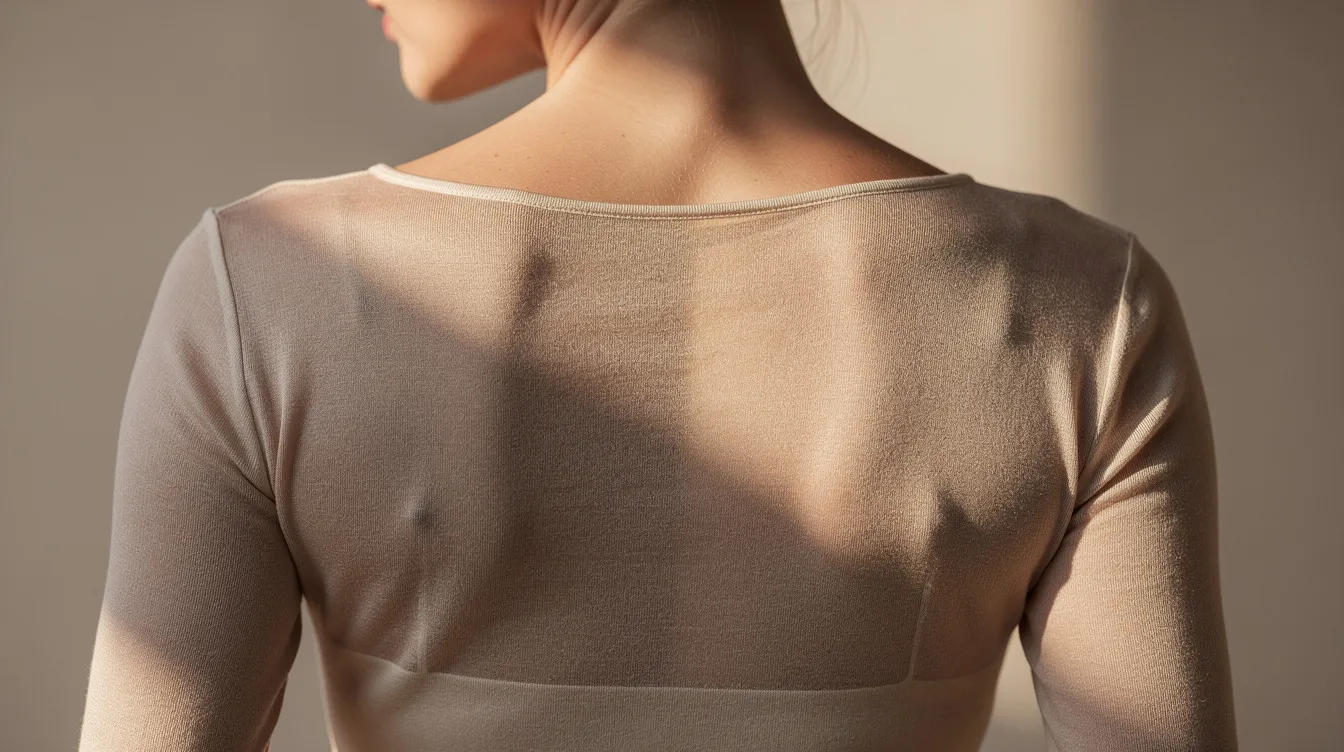
What Is A Bra Line Back Lift?
The bra line back lift is a surgical procedure that targets the skin, subcutaneous fat, and soft tissue of the mid back and upper back - specifically the area around and below the scapulae where bra fat and skin folds tend to accumulate. A reconstructive surgeon or plastic surgery specialist removes a carefully marked ellipse of excess skin, then closes the wound in layers to create a flat, natural-looking silhouette.
The procedure typically takes two to three hours under general anesthesia. Most patients undergo surgery in an accredited outpatient setting, though an overnight stay may be recommended when the back lift is combined with other procedures.
Types Of Lift Surgery And Line Back Techniques
Not every line back lift looks the same. Your surgeon will choose a technique based on the amount and location of loose skin.
Horizontal bra-line incision. The most common approach. A horizontal ellipse of skin is excised at the level of the bra band. The resulting scar follows the bra strap line and is concealed by most undergarments.
Extended incision. When skin redundancy wraps around toward the flanks or posterior axillary folds, the incision is lengthened laterally - sometimes as part of an upper body lift for massive-weight-loss patients.
Vertical alternatives. Rarely used, but applied when midline skin removal surgery is needed and a horizontal pattern alone is insufficient.
Liposuction is often combined with the bra line back lift to contour any residual excess fat and blend transitions between treated and untreated areas. Energy-based devices such as radiofrequency may also be used for mild skin laxity.
A lower body lift, by contrast, addresses the waist, hips, and lumbar region - a far more extensive operation with longer scars and a heavier recovery period.
Who Is A Good Candidate For Back Lift Surgery
A good candidate meets several criteria:
Requirement | Detail |
|---|---|
Weight stability | At or close to goal weight, maintained for six to twelve months |
Skin quality | Significant sagging skin that fails the "pinch test" for elasticity |
Non-smoker | Smoking is a contraindication for this procedure; nicotine must be stopped at least four weeks before and after surgery |
Medical fitness | No uncontrolled diabetes, coagulopathies, or active infections |
Realistic expectations | Understanding that scars are permanent and contour improvement is gradual |
Ideal candidates are women with significant sagging skin, though men with similar back rolls after weight loss are also eligible. Candidates should have realistic expectations about scarring - the trade-off is a well-hidden scar in exchange for a dramatically improved overall silhouette. Complications may arise if patients are diabetic or heavy smokers, so these factors must be addressed before booking cosmetic surgery.
Consultation And Choosing A Plastic Surgery Provider
Choosing a qualified surgeon involves verifying their certification by the American Board of Plastic Surgery. Look for a board certified plastic surgeon experienced in body contouring and excisional techniques.
During your initial consultation, listen carefully to how the surgeon explains risks and alternatives, and don't hesitate to answer questions about your medical history openly. Key steps:
Review the surgeon's before-and-after photos for cases similar to your body type and concerns.
Wear your own bra so the surgeon can plan incisions that align with your bra band for optimal scar concealment.
Discuss scar placement, expected maturation, and whether you may need revision.
A surgeon who takes the time to create a personalized treatment plan - rather than offering a one-size-fits-all approach - is worth the search.
Before The Surgery: Preparing For A Bra Line Back Lift
Preparation starts weeks before the operation:
Stop smoking. Cease all nicotine products (including vaping) at least four weeks prior to protect vascular healing.
Adjust medications. Stop aspirin, NSAIDs, blood thinners, fish oil, and high-dose vitamin E as directed.
Arrange logistics. You will need a driver, help at home for the first few days, front-opening clothing, and a comfortable sleeping setup.
Preoperative photos and markings. Your surgeon will photograph your back from multiple angles and perform standing markings while you wear your usual bra to map the excision pattern.
Confirm weight stability, optimize nutrition, and avoid sun exposure on the treatment area in the weeks leading up to surgery.
During Surgery: Back Lift Surgery Steps
On the day of your procedure, your surgeon completes the following steps:
Standing markings. While you are upright, the upper and lower borders of the planned excision are drawn along the bra line, with lateral extent determined by how far the skin fold reaches.
Anesthesia. You are placed under general anesthesia in a prone or lateral position.
Incision placement. Incisions follow the bra line across the mid back, curving laterally toward the posterior axillary fold if needed.
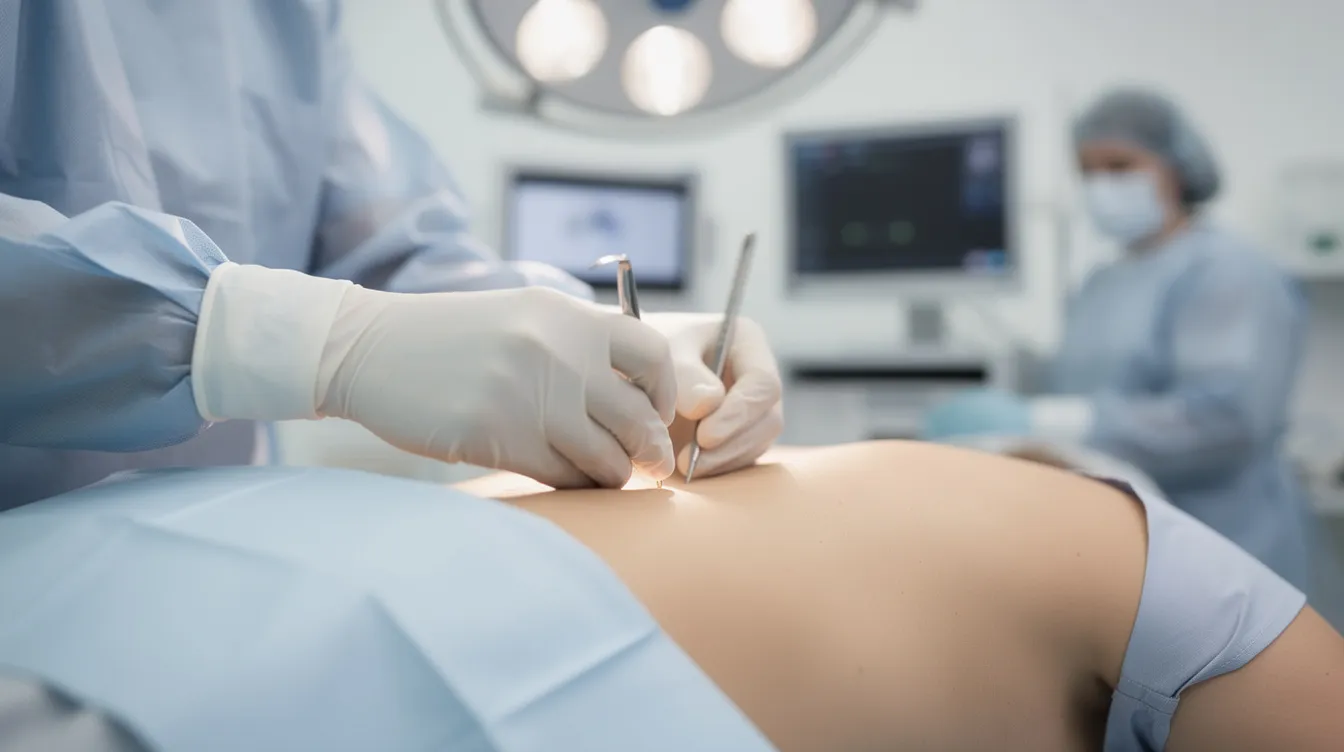
Skin removal surgery. A horizontal ellipse of excess skin and underlying tissue is excised. The surgeon mobilizes the remaining skin edges and closes the wound using a three-layered, space-obliterating suture technique to minimize dead space and reduce the need for drains.
Liposuction. If adjacent fat deposits remain, liposuction is performed to smooth contours and blend the transition.
Operative time for a standalone back lift surgery is generally two to three hours; combined operations extend this.
Recovery And Aftercare For Upper Back Lift
Recovery requires initial rest and avoidance of strenuous activities for several weeks post-surgery. Here is a general timeline:
Timeframe | Milestones |
|---|---|
Days 1–3 | Manage pain with prescribed analgesics; gentle walking encouraged; patients can shower two to three days after surgery |
Weeks 1–2 | Keep arms below shoulder height; avoid lifting; patients return to desk work in two weeks |
Weeks 3–4 | Light activity permitted; continue compression |
Four to six weeks | Compression garments are worn for six weeks post-surgery; gradual return to exercise |
3–6 months | Swelling resolves; contour improvements become visible |
9–12 months | Final results settle at nine to twelve months post-surgery; scar maturation continues |
Full recovery may take several weeks beyond six weeks, depending on the extent of the procedure and individual results. Normal activities resume progressively, guided by your surgeon's clearance.
Bra Line Scarring
Back lift surgery leaves long scars across the back, but thoughtful incision placement ensures these scars are usually hidden under clothing - specifically beneath the bra band or bikini top. When arms are raised, some portion of the scar may become visible, especially if incisions were extended into the axilla.
Scar care tips:
Begin silicone sheets or gels once the wound is fully closed
Protect the scar from direct sun exposure for at least a year
Massage gently once cleared by your surgeon
Consider steroid injections or laser treatment if hypertrophic scarring develops
Expect the scar to appear red and raised during the first few months, then gradually fade to a pale line over twelve to eighteen months. Individual results vary based on skin type, closure tension, and aftercare.
Risks And Complications Of Line Back Lift
Like any surgical procedure, a bra line back lift carries risks:
Wound healing delays and dehiscence. Particularly at tension points or lateral ends of the closure. Patients may experience skin irregularities after the procedure.
Seroma. Fluid accumulation beneath the skin flap; reduced by space-obliterating suture techniques.
Infection and bleeding. Surgical risks include infection, bleeding, and poor wound healing.
Numbness or altered sensation. Usually temporary along the scar line.
Contact your surgeon urgently if you notice sudden increases in swelling, redness, fever, wound separation, or symptoms of deep vein thrombosis such as leg pain or swelling.
Related Procedures And Combination Options
A bra line back lift is frequently staged or combined with related procedures:
Breast lift or breast reduction. Addresses sagging breasts alongside back rolls for a harmonized upper body.
Arm lift (brachioplasty). Removes drooping skin from the upper arms.
Tummy tuck or lower body lift. Completes full-body contouring for massive-weight-loss patients.
Many surgeons recommend a staging strategy - performing one region at a time - to limit operative time, reduce complication risk, and allow the body adequate rest between procedures. Combined operations increase blood loss, anesthesia exposure, and recovery complexity.
Cost, Insurance, And Financing For Back Lift Surgery
Costs vary based on individual factors discussed in consultations, including:
Surgeon's fee and geographic location
Facility and anesthesia fees
Extent of skin removal and whether liposuction is added
Combined procedures
In the United States, bra line back lift pricing generally ranges from approximately $2,000 to $14,000. Most insurance does not cover bra line back lift surgery because it is classified as elective cosmetic surgery. Insurance may cover the procedure if deemed medically necessary - for example, when skin folds cause chronic rashes or hygiene problems. Financing options such as CareCredit are widely available; ask your provider about payment plans and note that some applications involve hard credit checks.
Before-And-After Case Examples And Photo Guidance
When reviewing photos, look for cases that match your age, body type, and degree of skin laxity. Strong photo galleries include:
Multiple time points (1 month, 3 months, 12 months post-op)
A mix of mild and severe redundant skin cases
Captions noting whether liposuction, extended incisions, or combined procedures were performed
Always remember that individual results vary. Photos represent one patient's outcome and should not be interpreted as a guarantee. Patient consent and privacy protections should be clearly stated by any practice sharing clinical photos.

FAQs About Bra Line Back Lift
How long is the recovery period before I can return to work? Most patients return to a desk job within two weeks. Avoid heavy lifting and overhead arm work for three to four weeks. Full exercise clearance typically comes at six weeks, though final results - including scar maturation and contour settling - develop over nine to twelve months.
Will the scar be visible under clothing? For a standard horizontal incision, the scar sits beneath the bra band and is concealed by most bras, bikini tops, and fitted clothing. If incisions extend laterally, visibility increases in sleeveless or backless garments.
Can liposuction alone solve back rolls? If your skin is still elastic and the primary issue is excess fat, liposuction - possibly paired with radiofrequency skin tightening - may deliver a smooth result without large scars. However, if you have significant loose skin, liposuction alone will not create the tightening needed, and a skin removal procedure is necessary.
Are men candidates for this procedure? Yes. Men with back rolls after weight loss can undergo the same surgical procedure. The key difference is scar concealment - without a bra to hide the incision, scars may be more visible. Natural looking results are still achievable with careful planning.
Next Steps: Scheduling A Consultation
If back rolls and sagging skin are affecting how you feel in your own body, the next step is a consultation with a qualified plastic surgery provider. During your visit, your surgeon will assess your skin laxity, review your medical history, and outline a treatment approach tailored to your anatomy and goals.
What to bring:
A list of current medications and supplements
Your usual bra or the clothing that concerns you most
Any previous surgical records
A written list of questions - your surgeon is there to answer questions and address your concerns
A personalized treatment plan starts with an honest conversation. Schedule your initial consultation and take the first step toward the contours you have been working toward.
Frequently Asked Questions
What is a bra line back lift and what does it treat?
A bra line back lift is a surgical procedure that removes excess skin and fat from the upper back along the bra band area. It targets stubborn back rolls and drooping skin that persist despite weight loss or exercise, addressing both aesthetic concerns and functional issues like skin irritation.
Who is a good candidate for this procedure?
Good candidates are at or near goal weight for six to twelve months, have significant sagging skin, are non-smokers, have no uncontrolled medical conditions, and have realistic expectations about scarring. Both women and men with back rolls after weight loss may qualify.
How long does the surgery take and what anesthesia is used?
The procedure typically takes two to three hours under general anesthesia. Most patients undergo surgery in an outpatient setting, though an overnight stay may be recommended when combined with other procedures.
What preparations are needed before surgery?
Patients must stop all nicotine products at least four weeks prior, discontinue certain medications like blood thinners and NSAIDs as directed, arrange a driver and home help, and wear comfortable front-opening clothing. Weight stability and proper nutrition are important beforehand.
What happens to the scar after a bra line back lift?
The scar follows the bra strap line and is typically concealed by undergarments and most clothing. Scars are permanent but generally improve over time as they mature. Scar placement and revision options should be discussed during consultation.

-2.jpg?width=2000&height=2000&name=Copy%20of%20YouTube%20Thumbnail%20-%20Life-Changing%20Cosmetic%20Surgery!%20(Document)-2.jpg)


