Whether you just left your first botox appointment or you're a seasoned patient, what you do in the hours and days after treatment matters more than most people realize. This guide covers everything from immediate botox aftercare instructions to long-term maintenance, giving you a clear roadmap for a smooth recovery and optimal results.
Learn more: Botox & Fillers at Leva Medical
Why Proper Botox Aftercare Matters
Botox works by blocking signals between nerves and targeted muscles, temporarily reducing muscle activity that causes wrinkles. But the botulinum toxin doesn't lock into place the moment the needle withdraws. There's a latency period where the toxin is still anchoring to nerve receptors, and what you do during that window directly impacts your botox results.
Proper aftercare prevents Botox from migrating to unintended areas, which can cause complications like eyelid drooping or uneven results. It also minimizes common side effects like mild bruising and mild swelling at the injection site. Around 80% of Botox patients report satisfaction due to proper aftercare, which tells you just how much of the outcome is in your hands after you leave the clinic.
Why Botox Injections Aftercare Is Important
When aftercare is neglected, the risk of toxin migration increases significantly. Pressure, rubbing, or lying face-down can push the product away from the treated area and into surrounding tissue, affecting unintended areas and reducing effectiveness.
Following post treatment positioning rules and keeping your hands off the injection site helps the botox placement stay exactly where your provider intended. Common side effects include bruising and swelling, but these are manageable with proper care. Mild side effects usually resolve within a few days when you follow aftercare instructions closely.
Botox Aftercare Instructions: First 24 Hours
The first 24 hours after receiving botox are the most critical. This is when the toxin is binding to receptors in the targeted facial muscles, and disruptions during this period carry the highest risk.
Here's a quick overview of what to do and what to skip:
Do | Don't |
|---|---|
Stay upright | Lie flat or nap face-down |
Use a cold compress for swelling | Rub or massage the treatment area |
Perform gentle facial movements | Apply heavy makeup |
Drink water | Drink alcohol |
Hands-Off For 24 Hours
Do not touch or massage the treated areas for 4-6 hours at minimum. Avoid rubbing or massaging the injection site entirely for the first full day. Even casual touching can shift the product and compromise your results.
Do not apply makeup immediately to the treated areas. Most providers advise waiting at least 15-20 minutes for the needle punctures to close before applying makeup, and even then, avoid putting pressure on the area. If you need to wear makeup, apply it with a light touch using clean fingers or a soft brush.
Avoid facial treatments such as facials, microdermabrasion, or other skin treatments for at least 24-48 hours after Botox. Avoid touching the treated area for 24 hours to give the product the best chance of settling properly.
Positioning And Movement In First Hours
Stay upright for at least 4 hours post treatment. Staying upright for 4-6 hours helps Botox settle correctly into the targeted muscles. Avoid lying down for at least 3-4 hours post-treatment, and avoid lying flat for the remainder of the day if possible.
Avoid activities that involve bending over or heavy lifting during the first few hours, as these can increase blood pressure to the face and encourage migration. Skip yoga inversions, cleaning floors on hands and knees, or anything that puts your head below your heart.
Some providers recommend performing gentle facial movements like smiling, frowning, or raising your eyebrows in the first hour or two. This may help the toxin bind to the correct motor neurons, though data on this is mixed.

What To Avoid After Botox Treatment
Certain activities can increase bruising, worsen swelling, or interfere with how the cosmetic injection settles. Knowing what to avoid helps you protect your investment and supports a smooth recovery.
Avoid Alcohol And Blood Thinners
Avoid alcohol for 24 hours before and after your botox treatment. Alcohol consumption causes vasodilation and inhibits platelet function, both of which increase bruising. Avoiding alcohol for 24 hours reduces the risk of bruising noticeably. Do not consume alcohol for 24 hours post-treatment, even a single glass of wine.
Avoid blood-thinning medications for up to a week to minimize bruising. This includes aspirin, ibuprofen, fish oil, and vitamin E. Always discuss stopping blood thinners with your healthcare provider before making changes, as some medications should not be paused without medical guidance. Document the names of any blood thinning medications you take in your patient record so your injector can plan accordingly.
If you take prescription blood thinners like warfarin, never stop them without your doctor's approval. Your provider can adjust your treatment plan to reduce bruising risk without putting your health at risk.
Exercise, Heat, And Other Procedures
Avoid strenuous exercise for 24 hours after Botox. Avoiding strenuous exercise for 24 hours minimizes swelling and bruising by keeping blood flow and blood pressure stable. Avoid intense workouts including running, cycling, weight training, or hot yoga during this period. Light walking is generally fine after a few hours post treatment, as long as you stay upright and keep the effort low.
Avoid heat exposure like saunas and hot tubs for 24 hours post-treatment. Excessive heat exposure increases blood flow to the face and may promote toxin diffusion. Skip hot tubs, steam rooms, and excessive heat from direct sunlight for the first day.
Postpone other skin treatments like chemical peels, laser resurfacing, and additional treatments such as dermal fillers for at least one to two weeks. These procedures can irritate the treatment area and compromise your results.
Aftercare Tips To Maximize Botox Results
Good aftercare goes beyond just avoiding problems. A few proactive habits can help you get the most out of every treatment and support your overall skin health.
Simple At-Home Aftercare Tips
Use a cold compress intermittently if swelling occurs. Wrap ice or a cold pack in a cloth and apply for 10 minutes on, 10 minutes off. Apply ice to the treated areas to reduce swelling, but never place ice directly on skin. Avoid pressing the compress hard against the injection site.
Stay hydrated by drinking plenty of water. Hydration supports skin health and helps your body recover from any minor inflammation.
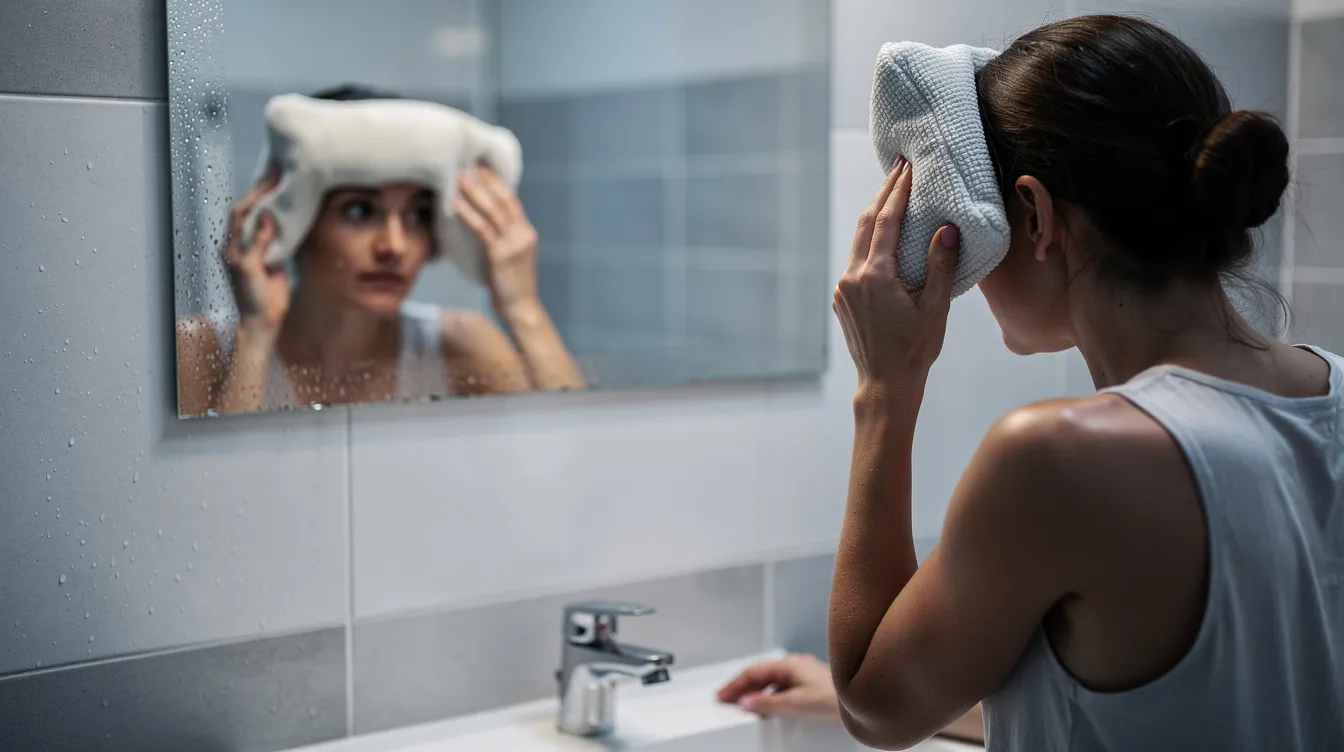
Use a gentle cleanser and avoid vigorous washing of the face for the first day. Switch to a mild cleanser and pat dry rather than rubbing. Skip harsh exfoliants and active ingredients like retinol on the treated area for a couple of days.
Protecting Long-Term Botox Results
Wear sunscreen daily to protect the skin post-Botox. UV exposure accelerates skin aging and can undermine the smoothing effects of your treatment. Use a high spf sunscreen every morning, even on cloudy days.
Mild redness and swelling at injection sites are common and resolve within days. Mild bruising or redness usually resolves within a few days as well, so don't panic if you experience mild swelling or light discoloration.
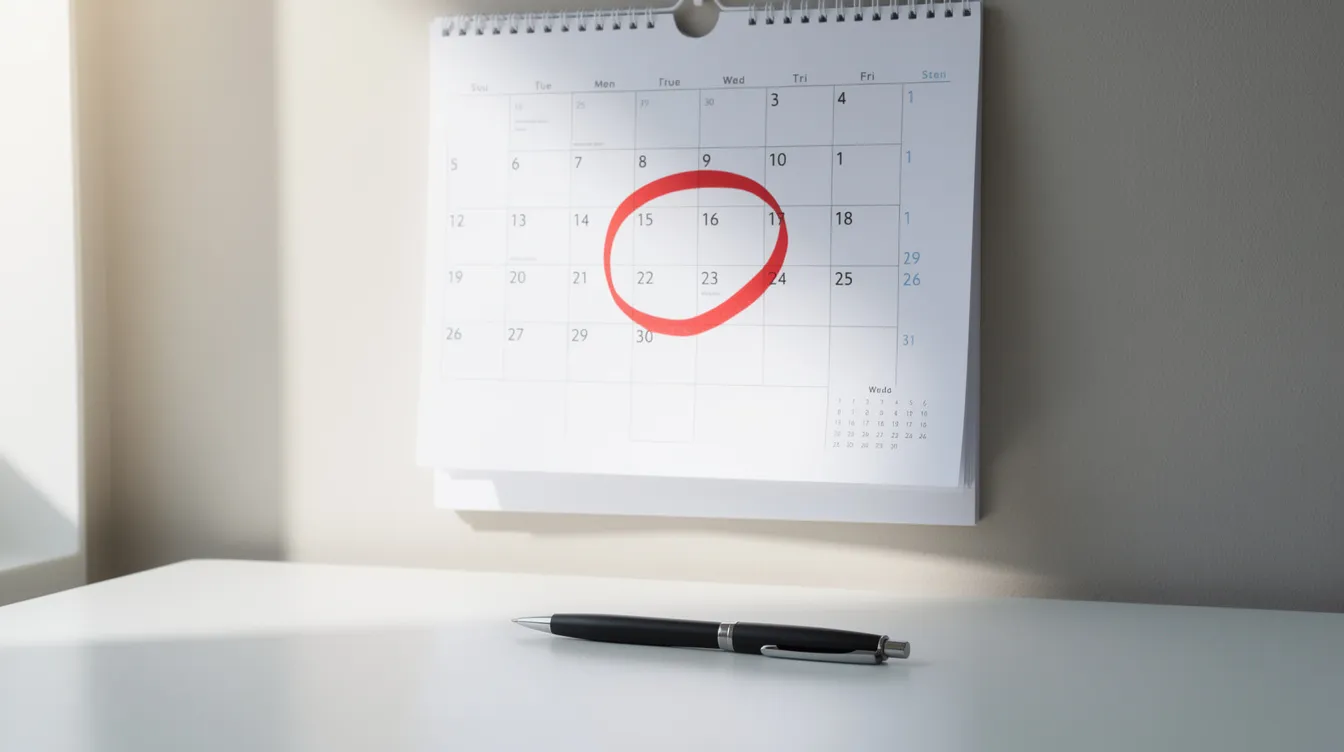
Schedule a follow up appointment at about two weeks post injection. This is when full results are visible, and your provider can assess whether any touch-up is needed to correct asymmetry and deliver natural looking results.
Maintain a healthy lifestyle to support long-term skin health. A balanced diet rich in antioxidants, consistent hydration, adequate sleep, and not smoking all contribute to better skin and may help your results last longer.
Anti Wrinkle Injections And Maintenance
Anti wrinkle injections like Botox require minimal downtime, but they do require a maintenance schedule to keep results consistent. Understanding the timeline helps you plan ahead and budget accordingly.
Scheduling And Touch-Ups
Botox effects typically last 3 to 4 months. Scientific evidence shows Botox lasts 12 to 16 weeks in most treatment areas, though results vary by individual metabolism, muscle strength, and lifestyle factors.
Most patients schedule Botox treatments every 3 to 4 months for ongoing maintenance. First-time patients may notice effects wearing off sooner (around 2-3 months), while long-term patients often find their results lasting progressively longer as the targeted muscles gradually weaken with repeated treatment.
Regular follow-up sessions can help maintain Botox results over time. At each visit, your provider should record the product batch, total units used, and exact injection sites. This documentation allows for accurate comparisons and smarter dose adjustments at future appointments.
Consistency matters. Patients who maintain a regular schedule tend to need fewer units over time and enjoy longer-lasting results.
When To Contact Your Provider
Most post botox side effects are mild and temporary. But certain symptoms warrant immediate attention.
Red Flags And Urgent Symptoms
Contact your healthcare provider immediately if you experience:
Severe or worsening pain beyond normal tenderness at the injection site
Vision changes such as double vision, blurred vision, or drooping eyelids
Difficulty breathing or swallowing, which may indicate distant toxin spread
Increasing swelling or redness that worsens after the first 48 hours rather than improving
Seek medical attention for difficulty breathing or vision changes without delay. Severe reactions should be reported to a healthcare provider immediately, as they may require urgent treatment.
Patients with neuromuscular disorders or those taking medications that affect nerve-muscle signaling should discuss all risks with their provider before any botox appointment. This safe procedure has an excellent safety profile, but transparency about your medical history is essential.
FAQs About Botox Aftercare
Can I drink alcohol after Botox? No. Avoid alcohol for at least 24 hours before and after your treatment. Alcohol consumption increases blood flow and can increase bruising and swelling at the injection site. Even one drink raises your risk.
When can I wear makeup? You can begin applying makeup once the needle punctures have closed, typically about 15 minutes after treatment. Use a light touch and avoid rubbing or massaging the treated area. For best results, wait a few hours if you can.
When do Botox results appear? Results from Botox become visible in 3 to 5 days, with full effects settling in at about two weeks. Your provider may schedule a follow-up at the two-week mark to evaluate and consider any touch-ups.
When can I exercise after botox? Light walking is generally fine a few hours post treatment. Avoid strenuous exercise, intense workouts, and activities that involve bending or raise your heart rate significantly for at least 24 hours. Some providers recommend waiting 48 hours before returning to vigorous activity or excessive heat exposure.
How long does Botox last? For most facial areas, effects last 3 to 4 months. Masseter treatments may last 4 to 6 months. Consistent maintenance and a healthy lifestyle can help extend the duration over time.
Will I experience bruising? Many patients experience mild bruising at the injection site. You can reduce bruising by avoiding blood thinners, alcohol, and strenuous activity. A cold compress applied intermittently in the first hours also helps prevent bruising.
Content Notes For Writers
Aftercare instructions can vary between clinics and providers. Always defer to your injector's specific guidance, as it may account for the product used, injection depth, and your individual health profile. The recommendations in this guide reflect widely accepted best practices but are not a substitute for personalized medical advice. Keep all instructions actionable and patient-friendly.
Frequently Asked Questions
What happens during the first 24 hours after Botox treatment?
The botulinum toxin binds to nerve receptors during this critical period. Disruptions like pressure, rubbing, or lying face-down can cause the product to migrate to unintended areas, affecting results and potentially causing complications like uneven outcomes or eyelid drooping.
Why should I avoid touching the injection site after treatment?
Touching or massaging the treated area can shift the product away from intended muscles into surrounding tissue. This interferes with proper settling and effectiveness. Providers recommend avoiding contact for at least 24 hours after injection to allow the toxin to anchor correctly.
Can I exercise after Botox treatment?
Strenuous exercise should be avoided for 24 hours post-treatment, as it increases blood flow and blood pressure, which can promote toxin diffusion and worsen swelling and bruising. Light walking after a few hours is generally acceptable if you remain upright.
What should I avoid drinking or taking after Botox?
Avoid alcohol for 24 hours before and after treatment, as it causes vasodilation and increases bruising. Avoid blood-thinning medications like aspirin, ibuprofen, and fish oil for up to a week. Discuss stopping prescription blood thinners with your healthcare provider before making changes.
How does proper aftercare affect Botox results?
Around 80% of Botox patients report satisfaction levels correlating with proper aftercare practices. Following positioning rules, avoiding pressure on injection sites, and preventing toxin migration directly impact whether results meet expectations and side effects remain manageable.


-2.jpg?width=2000&height=2000&name=Copy%20of%20YouTube%20Thumbnail%20-%20Life-Changing%20Cosmetic%20Surgery!%20(Document)-2.jpg)


