Up to 96% of patients experience excess skin after weight loss, and no amount of discipline at the gym can fix what gravity and biology have already decided. This guide walks you through every body contouring procedure available after major weight loss, who qualifies, what recovery actually looks like, and how to start planning your next step. Before your first consultation, gather your medical history, weight trajectory, current medications, and photos from multiple angles-front, back, and sides. That documentation gives your plastic surgeon the clearest picture possible.
Addressing Excess Skin After Weight Loss
Excess skin is redundant tissue that remains when underlying fat has diminished but the skin's elastic recoil is insufficient to snap back. The culprits are damaged collagen and elastin fibers in the dermis. Skin stretched for long periods loses elasticity and cannot retract, regardless of how much weight you lose or how slowly you do it.
Several factors determine how much loose skin you'll face:
Amount of weight lost - more pounds lost means more laxity
Duration at elevated weight - years of stretching degrades elastin permanently
Age - baseline elasticity drops, especially past the mid-30s
Genetics, sun damage, smoking, and prior pregnancies
Excess skin can cause painful chafing and recurrent infections in deep folds. Loose skin can hinder exercise and limit mobility, making it harder to maintain your results. It also negatively impacts self-confidence and clothing fit.
Topical creams, peptides, and non-invasive devices like radiofrequency or laser treatments can modestly improve texture, but they cannot remove hanging skin or restore severely lax tissue. Surgery is the only reliable solution for loose skin after dramatic weight loss.
What Body Contouring Surgery Can And Cannot Do
Body contouring surgery can remove excess skin, tighten underlying fascia and abdominal muscles, resolve chronic rashes, and restore functional mobility. Candidates should have realistic expectations about surgery results-this is reshaping, not perfection.
What it cannot do:
Serve as a weight loss tool
Eliminate scarring entirely
Reverse all effects of aging or skin thinning
Liposuction alone cannot correct significantly hanging skin. When skin folds cause infections, mobility issues, or hygiene problems that non-surgical methods can't address, surgical skin removal becomes the only practical path forward.
Which Body Contouring Procedures Fix Each Area
Matching a procedure to a problem area requires assessing the location of laxity, skin quality, and your priorities. Most patients benefit from a sequenced plan-addressing the most bothersome area first, then scheduling additional body contouring procedures months apart.
Tummy Tuck And Lipoabdominoplasty
A full tummy tuck is indicated when laxity extends above and below the umbilicus. A tummy tuck reduces excess skin and tightens abdominal muscles, repositioning the navel for a flatter abdominal area. For patients after massive weight loss with an "apron" extending in multiple directions, a Fleur-de-Lys pattern adds a vertical incision to the standard hip-to-hip horizontal scar. This removes more skin but produces more visible scarring. Scar placement is always a trade-off between concealment and the amount of tissue that needs to go.
Lower Body Lift And Belt Lipectomy
A lower body lift-also called a belt lipectomy-treats the abdomen, flanks, lower back, buttocks, and outer thighs in a single 360-degree procedure. Lower body lifts typically involve a circumferential incision around the waist, making them appropriate when excess spans the full lower body. A body lift 360 addresses the entire torso in one operation.
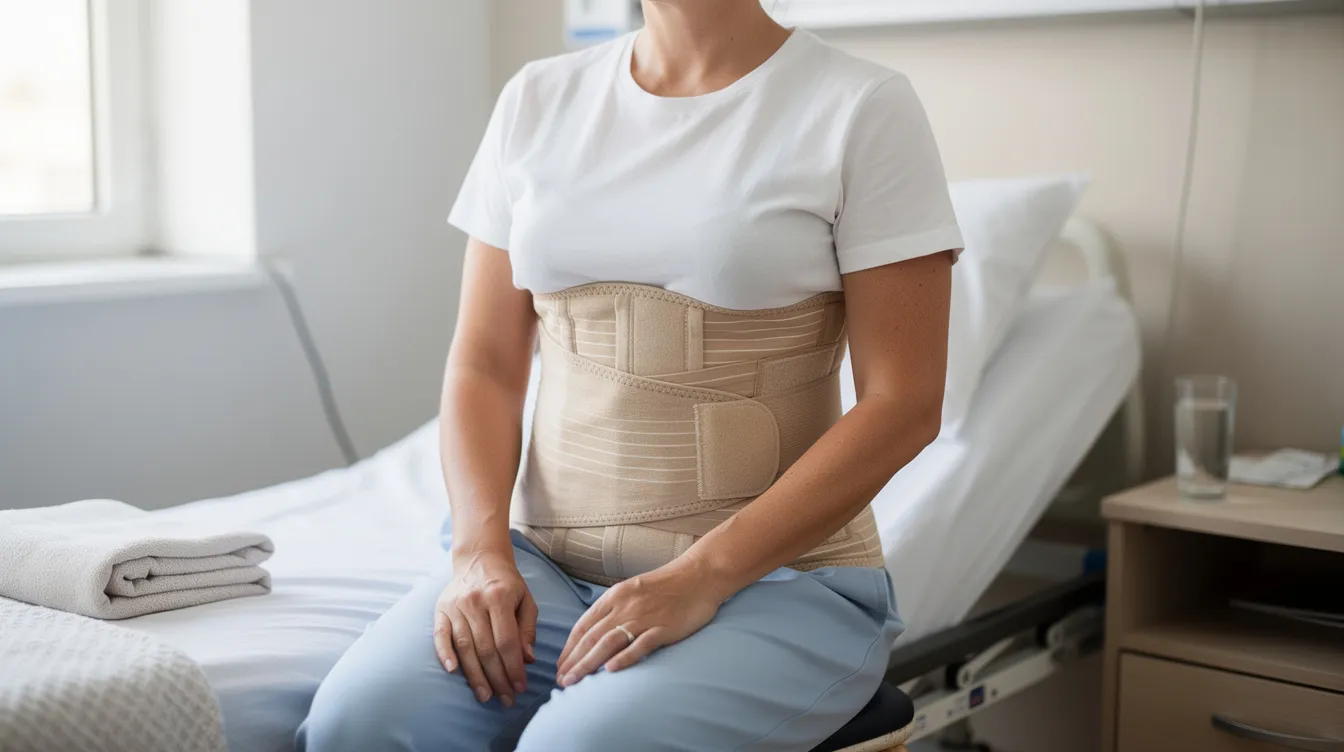
Recovery is proportional to the scope: expect 4–6 hours of operating time, an overnight hospital stay, drains, compression garments, and restricted mobility for several weeks.
Breast Lift And Chest Contouring
Mastopexy after significant weight loss uses anchor, lollipop, or classic lift patterns depending on the degree of ptosis. Breast lifts can restore nipple position after significant weight loss. If volume has been lost, implants provide projection while fat grafting uses your own tissue for a more subtle result. In men, chest surgery involves gynecomastia correction or excess chest skin removal with different scarring patterns.
Arm Lift And Arm Lifts Options
Brachioplasty incisions range from minimal (axillary only) to a full scar running from the armpit to the elbow along the upper arms. Longer incisions allow more skin removal but leave more visible scars on the arm. When stubborn fat remains but skin laxity is moderate, liposuction can reduce volume first, allowing a smaller excision during the arm lift.
Thigh Lift And Inner Thigh Contouring
An inner-thigh lift removes sagging skin along the inner thighs with incisions from the groin downward. Thigh lifts remove excess skin for a smoother appearance. A T-pattern thigh lift addresses both vertical and horizontal excess. When fat bulk is significant, liposuction before or during the thigh lift improves contouring across the thighs.
Buttock Lift And Gluteal Reshaping
A buttock lift aims to raise sagging tissue around the hips and buttocks using local tissue rearrangement or flap techniques. If volume has deflated, combining the lift with fat grafting (Brazilian Butt Lift) can restore shape. Liposuction from the flanks or back can reduce rollover while providing donor fat, though resorption and contour irregularities remain possible.
Liposuction As Part Of Body Contouring Procedures
Liposuction works as an adjunct-reducing excess fat and stubborn pockets under the skin so that excised tissue drapes better over a new body contour. However, body lifts are more involved than simple liposuction because they focus on skin removal. Using liposuction alone on hanging skin can actually worsen laxity. It only works independently for mild cases or isolated fat deposits of stubborn fat.
Full Body Lift And Staged Body Lift Plans
A full body lift covers multiple regions: lower body, breast, upper arms, and thighs. Body lifts can create a smoother, continuous body contour compared to isolated treatments. Surgery can be performed in two or three sessions if needed, spaced months apart. Staging is safer for patients who have lost a significant amount-often 100+ pounds-because it limits operative time, reduces anesthesia risk, and optimizes healing at each treated area.
What Can Be Done Together Safely
Combining lifts in one operation reduces total downtime, but there are hard limits. Body lifts can improve body proportions by addressing multiple areas simultaneously, yet cumulative risk rises with each added procedure.
General rules:
Keep total operative time under 6–8 hours
One major area (e.g., abdominoplasty) plus a smaller adjunct (breast lift, liposuction) is generally safe
Combining multiple large regions (belt lipectomy + arms + thighs) in one operation significantly increases complication risk
For patients with very loose skin across many areas, a staged plan over several months makes sense.
Are You A Good Candidate?
A good candidate for a body lift after weight loss meets several criteria:
Weight stability: candidates should have reached a stable weight for 6–12 months, with minimal fluctuation at their current weight
Body mass index: patients should maintain a BMI below 30 for safety
Nutritional status: nutritional assessment is particularly important before a body lift surgery-check for protein, iron, vitamin D, and B12 deficiencies
Non-smokers are preferred candidates for body contouring surgery; cessation several weeks before is mandatory
Living a healthy lifestyle is crucial for surgery candidates
Candidates After Bariatric Surgery
Patients post bariatric surgery tend to experience more rapid weight loss, more extensive sagging skin, and higher risk of nutritional deficiencies. Studies show post-bariatric patients face roughly 60–87% higher complication risk compared to those who lost weight non-surgically. Blood work and nutrition screening before planning any procedure is essential. Multiple-area excess skin is common after weight loss surgery, often requiring staged approaches.
Candidates After Weight-Loss Medication
GLP-1 receptor agonists like semaglutide and tirzepatide are driving a new wave of patients who are losing weight rapidly and noticing skin changes. Survey data shows approximately 38.7% of GLP-1 users report cutaneous changes including sagging and thinning, with most noticing changes within the first five months. Assessment should account for the rate of weight loss, age, and whether the medication is still ongoing before scheduling surgery after weight loss.

The Operation: Hospital, Anaesthesia, And Practicals
Most body contouring surgery requires general anaesthesia. Smaller procedures like a breast lift or arm lift may be outpatient. Larger operations-lower body lift, combined areas-typically require 1–3 nights in hospital.
Expected operating times:
Procedure | Approximate Duration |
|---|---|
Tummy tuck | 2–4 hours |
Fleur-de-Lys abdominoplasty | 3–5 hours |
Lower body lift / belt lipectomy | 4–6+ hours |
Combined procedures | Cumulative |
Drains are standard to manage seroma risk. Compression garments begin immediately. Early ambulation is encouraged within the first day.
Protecting Patients During And After Surgery
Early walking-within 24 hours-and deep breathing reduce the risk of DVT and pulmonary embolism. Compression garments serve double duty: they reduce swelling and support healing tissue. Blood-thinning prophylaxis (typically low molecular weight heparin) is prescribed based on individual risk factors including BMI and mobility history.
Intensive post-operative care is often recommended to ensure proper recovery. Avoid long flights for several weeks after major surgery; if unavoidable, wear compression stockings and follow surgeon instructions closely.
Recovery Timeline And Aftercare
First two weeks:
Rest with limited movement
Manage drains and monitor for infection
Pain control per surgeon's plan
Patients may need assistance for daily tasks during the initial recovery period
Avoid lifting, twisting, or driving
Six to eight weeks:
Most swelling subsides
Light exercise can resume with surgeon clearance
Significant recovery for a body lift typically takes 4 to 6 weeks
Scar maturation:
Scars from a body lift are permanent and may take a year or more to fade
Full maturation takes 12–18 months; redness fades, scars flatten
Silicone sheets, massage, and sun protection improve outcomes
Body lift recovery can involve drains and limitations on physical activities for an extended period, so plan accordingly.
Risks, Complications, And Honest Limits
Honesty matters here. Meta-analyses report an overall complication rate of approximately 31.5% for body contouring after bariatric surgery. Seroma-fluid collecting under the skin-occurs in roughly 12–14% of cases.
Major risks include:
Surgical risks for body lifts include infection and delayed wound healing
Wound dehiscence (partial separation of incisions)
Hematoma and fat necrosis
DVT/PE and anaesthesia complications
Higher BMI and greater tissue resected increase risk
Long-term limits: skin removal cannot undo advanced skin thinning. Elastin fibers, once degraded, do not regenerate. Aging and gravity will gradually affect results over decades. Future weight gain can stretch the skin again, degrading your outcome.
Results, Before-And-After Photos, And Expectations
When reviewing before-and-after photos, look for patients with a similar age, weight loss method, and skin quality to yours. Ask to see images at 3, 6, and 12 months post-op. Body lift procedures can lead to improved self-esteem and body image-evaluate contour, symmetry, functional improvement, and resolution of rashes or chafing, not just scar appearance. Your new body should feel as good as it looks in terms of comfort and mobility.
Choosing A Board Certified Plastic Surgeon
Choosing a board-certified surgeon is crucial when considering body lift surgery. Board certification (e.g., American Board of Plastic Surgery) ensures rigorous training in plastic surgery. Hospital privileges matter-if a complication arises, you want access to a fully equipped facility. Look for a board certified plastic surgeon with specific experience in post-weight-loss body contouring, and review their complication rates, published cases, and patient testimonials.
Questions To Ask Any Surgeon
What are your complication rates (seroma, wound dehiscence) for patients with my BMI and weight loss history?
How many areas do you recommend combining in one operation versus staging?
What is your policy on revisions for scar irregularities or contour issues?
What does your postoperative care plan include-drains, garments, activity restrictions?
Do you perform nutritional screening before surgery?
Cost, Quotes, And How To Start The Consultation
Costs vary widely by region and extent. Expect ranges of $11,000–$30,000+ for major skin removal procedures. For the most accurate quote, send your photos, weight history, and current health information ahead of time.
A video consultation before scheduling allows preliminary assessment of skin laxity and helps outline a surgical plan. Request a written plan with a price breakdown covering surgeon fee, anaesthesia, facility, implants (if applicable), drains, and follow-up visits. Understanding what each line item covers prevents surprises and helps you compare quotes meaningfully.
Long-Term Maintenance And Lifestyle
High protein intake supports tissue healing. Correct any vitamin or mineral deficiencies-especially iron, vitamin D, and B-complex-before and after your procedure. Once cleared by your surgeon, begin gradual strength training to preserve muscle mass and underlying support.
Maintain a stable weight. Even moderate weight fluctuations can degrade your results and stretch the skin again. Commit to sun protection on scars, consistent moisturization, and absolutely no smoking. A healthy lifestyle isn't just pre-op advice-it's the foundation for keeping your results long-term.

Final Steps And Patient Resources
Preoperative preparation checklist:
[ ] Gather photos from multiple angles (front, back, both sides)
[ ] Document your weight loss journey: starting weight, method, current weight, and how long at your weight loss goal
[ ] Complete blood work and nutritional screening
[ ] Stop smoking at least 4–6 weeks before surgery
[ ] Arrange help at home for the first 1–2 weeks post-op
[ ] Confirm your BMI and discuss any comorbidities with your surgeon
Consider downloading a recovery planner template to track drain output, medication schedules, and follow-up appointments. Collect contact details for your surgical team, including after-hours emergency numbers, so you have postoperative support when you need it.
Your weight loss journey doesn't end when the scale stops moving-it evolves. Start by organizing your records, booking a consultation, and asking the hard questions. The right plan, the right surgeon, and honest preparation will get you where you want to be.
Frequently Asked Questions
How much excess skin is typical after major weight loss?
The article states that up to 96% of patients experience excess skin after weight loss. Amount varies with how much weight was lost, how long the body was at a higher weight, age, genetics, sun exposure, smoking, and prior pregnancies.
What causes loose skin after weight loss?
Loose skin results from damaged collagen and elastin fibers in the dermis. When skin has been stretched for long periods, its elasticity declines, so it may not retract even after the underlying fat is reduced.
Can creams or non-surgical devices remove loose skin?
Topical creams, peptides, radiofrequency, and laser treatments may modestly improve skin texture. They cannot remove hanging skin or restore severely lax tissue, so surgery is described as the only reliable option for significant excess skin.
What can body contouring surgery not do?
Body contouring surgery is not a weight loss tool, cannot eliminate scarring entirely, and cannot reverse all effects of aging or skin thinning. Candidates should have realistic expectations, since the goal is reshaping rather than perfection.
What should I prepare before my first consultation?
Gather your medical history, weight trajectory, current medications, and photos from front, back, and sides. This documentation helps your plastic surgeon assess your situation more clearly.
What is the difference between a belt lipectomy and a tummy tuck?
A tummy tuck targets the abdomen, while a lower body lift or belt lipectomy treats the abdomen, flanks, lower back, buttocks, and outer thighs in one circumferential procedure. Recovery scales with the scope of surgery and may include an overnight hospital stay and several weeks of restricted mobility.
Learn more: Hormone Therapy at Leva Medical


-2.jpg?width=2000&height=2000&name=Copy%20of%20YouTube%20Thumbnail%20-%20Life-Changing%20Cosmetic%20Surgery!%20(Document)-2.jpg)


